
Selecting the right chenille yarn brand for crochet requires evaluating fiber composition, pile construction, and project compatibility rather than relying on static rankings. Since market availability and brand formulations change, this guide provides a structured framework to assess yarn quality, match specifications to your crochet goals, and verify sourcing options in Singapore. By understanding how to inspect the physical properties of the yarn and read manufacturer labels, you can confidently choose materials that will stand up to the crafting process and look beautiful in your finished work.
Understanding Chenille Yarn Characteristics for Crochet
Chenille yarn features a unique construction where short lengths of fiber, called the pile, are wrapped around a central core thread. This core consists of two or more tightly twisted strands that lock the pile in place. The length and density of this pile determine the yarn’s overall thickness, texture, and appearance. A shorter, denser pile typically offers better stitch definition, whereas a longer, fluffier pile creates a velvety, seamless fabric that hides individual stitches.
Most chenille yarns are made from synthetic fibers, primarily polyester or acrylic, though some premium blends incorporate cotton or bamboo. Polyester chenille is highly popular for its exceptional softness, lightweight feel, and resistance to shrinking. Acrylic blends can offer more structural stiffness, which is useful for items that need to hold their shape. In Singapore’s tropical climate, pure polyester or cotton-blend chenille is often preferred for home decor and lightweight throws, as these fibers handle humidity well and are easier to wash.
Products mentioned in this guide
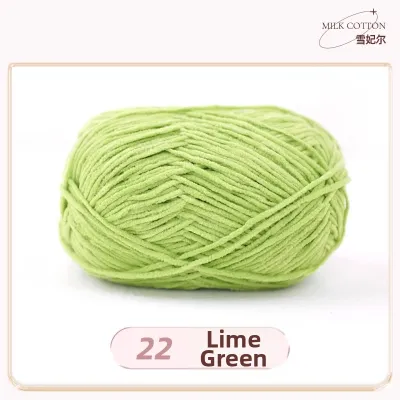
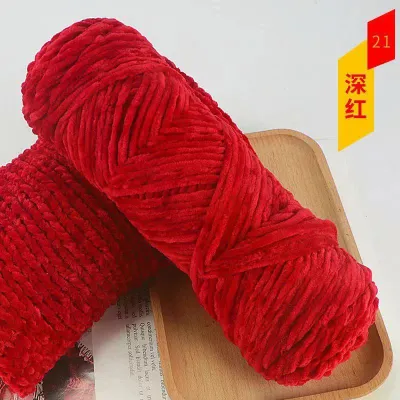
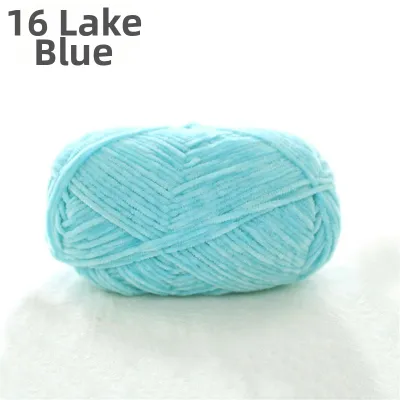
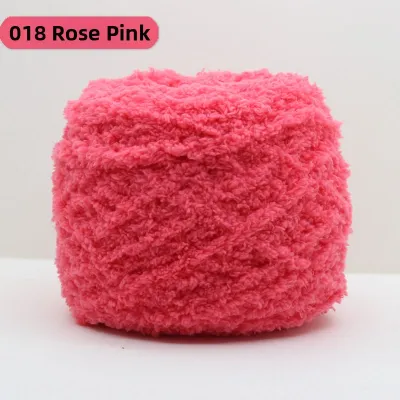
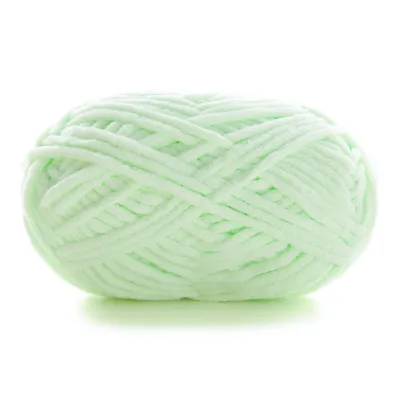
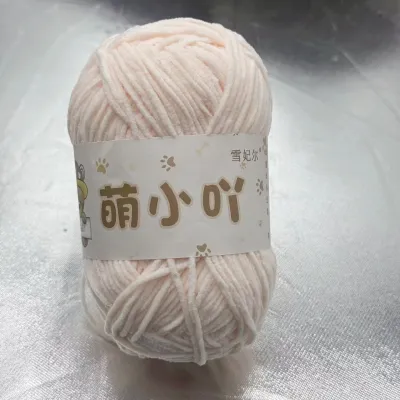
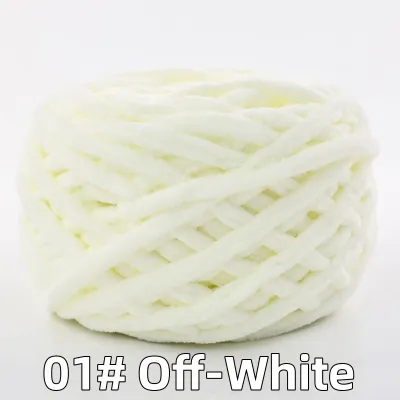
Prices are valid at publication and may change. Please refer to the product page for the latest price.
When evaluating chenille yarn in person, perform simple visual and tactile checks to assess its quality. Gently squeeze the skein to feel its density; a high-quality yarn should feel plush and springy, not flat or hollow. Look closely at the yarn strand to ensure the pile is evenly distributed along the core without bald patches. You can also run a short length of yarn between your fingers to check if the fibers shed easily, which indicates how well the core thread holds the pile.
Key Criteria for Evaluating Chenille Yarn Brands
Evaluating a brand requires looking closely at label transparency and manufacturing standards. A reliable brand provides comprehensive information on its labels, including exact fiber percentages, standardized yarn weight categories, total yardage or meterage, and clear dye lot numbers. This transparency ensures you can calculate exactly how much yarn you need and match colors accurately across multiple skeins.

Construction quality is the most critical factor in preventing frustration during your crochet project. Inspect the yarn to see if the core thread is visible through the pile; a visible core often leads to a sparse, uneven texture in your finished work. High-quality brands use a strong, tightly spun core thread that grips the pile securely, minimizing shedding during both the crocheting process and subsequent washes.
Consistency across different skeins of the same brand is another hallmark of reliable manufacturing. The yarn’s thickness should remain uniform throughout the entire skein, without sudden thin spots or bulky knots where the yarn was joined during production. Additionally, check for colorfastness by rubbing a damp white cloth against a sample of the yarn; high-quality dyes should not transfer, ensuring your finished projects won’t bleed during washing.
Brand reputation can often be gauged by the manufacturer’s willingness to provide clear specifications and accessible customer support. Brands that publish detailed care instructions, recommended hook sizes, and tension gauges on their official websites or packaging demonstrate a commitment to user success. When shopping in Singapore, look for brands that maintain active distribution channels, as this makes it easier to source matching dye lots if you run out of yarn mid-project.
Matching Yarn Weight and Texture to Crochet Projects
The success of your crochet project depends heavily on matching the yarn weight and texture to your specific design. For amigurumi and plush toys, a super bulky (weight category 6) or bulky (weight category 5) chenille yarn is highly popular because it creates large, cuddly toys quickly. However, amigurumi requires a tight gauge to prevent the stuffing from showing through, so you must choose a chenille yarn with a dense pile that can withstand tight tension without shedding or snapping at the core.
For wearables and blankets, drape and breathability become the primary considerations. Heavy, dense chenille yarns can make blankets feel stiff and overly warm, which may not be ideal for Singapore’s climate. For these projects, opt for a medium (weight category 4) or lightweight chenille yarn, or choose a blend that incorporates breathable fibers. A looser stitch pattern, such as double crochet or half double crochet, will also help maintain a soft, flexible drape that flows comfortably.
Hook size compatibility is another crucial factor to verify before starting. While yarn labels provide a recommended hook size, your personal tension and the specific project requirements should dictate your final choice. For amigurumi, it is common to go down one or two hook sizes (for example, using a 4.5mm hook instead of a recommended 6.0mm hook) to ensure tight, secure stitches. For blankets, using the recommended hook size or even going up a size will help preserve the yarn’s natural softness and prevent the fabric from becoming too dense.
Sourcing and Verifying Chenille Yarn in Singapore
Sourcing chenille yarn in Singapore involves navigating both physical retail spaces and online platforms to find the best selection and quality. Visiting local craft stores and specialty knitting shops in areas like Chinatown, Plaza Singapura, or neighborhood hubs allows you to physically inspect the yarn before buying. This hands-on approach is invaluable for feeling the texture, checking the pile density, and verifying the true color of the yarn under natural light.
When physical stores have limited stock, online craft marketplaces and official brand storefronts offer a wider variety of colors and weights. When shopping online, look for reputable sellers who specialize in fiber arts rather than general merchandise. Reading customer reviews specifically mentioning the yarn’s softness, shedding, and packaging quality can help you make an informed decision without touching the product beforehand.
Before finalizing an online purchase, carefully check the seller’s ratings, return policies, and shipping conditions. Chenille yarn is highly susceptible to crushing if packed too tightly, so ensure the seller packages the skeins in protective bags or boxes. Additionally, verify that the seller can guarantee matching dye lots for your order, as slight color variations between different production runs can be highly visible in finished crochet projects.
When ordering multiple skeins, compare prices in S$ across different platforms, keeping in mind that international shipping costs can significantly affect the total price. Some online platforms offer free shipping to Singapore when you meet a minimum spend, which can make bulk purchasing more economical. Always calculate the cost per gram or cost per meter to ensure you are getting genuine value rather than just a low upfront price.
Working with Chenille Yarn: Techniques and Troubleshooting
Crocheting with chenille yarn requires a few adjustments to your technique to handle its unique texture. One common issue is “worming” or looping, where individual stitches slip out of alignment and create loose loops on the surface of the fabric. To prevent this, maintain a consistent, slightly firm tension throughout your work, and avoid using overly loose stitch patterns with very large hooks.
Securing the ends of chenille yarn can be challenging because the pile tends to slide off the core thread when cut. To prevent fraying, gently slide the pile back from the cut end, expose about an inch of the core thread, and tie a small knot at the very tip of the core. Alternatively, you can apply a tiny drop of fabric glue to the cut end or singe the tip of polyester yarn very carefully with a flame to melt the fibers together, securing them permanently.
Identifying the right side of your fabric is essential for achieving a uniform appearance, as chenille yarn has a distinct pile direction. The “right” side of crochet stitches typically showcases a fluffier, more uniform texture, while the “wrong” side may reveal more of the core structure. Pay close attention to your stitch placement, especially when working in rounds for amigurumi, to ensure the plush pile faces outward.
Care Instructions for Finished Chenille Crochet Items
Preserving the soft, velvety texture of your finished chenille items requires careful adherence to care instructions. Always read the manufacturer’s specific care labels on the yarn skein before washing your completed project. While most synthetic chenille yarns are machine washable, using a gentle cycle with cold water is highly recommended to protect the delicate pile from friction and heat.
For synthetic fibers like polyester, avoid using fabric softeners, as they can leave a residue that coats the fibers and causes the pile to mat or lose its fluffiness. If your yarn is a natural fiber blend, hand washing in cool water with a mild wool wash is the safest method. Never wring or twist the wet item, as this can stretch the core thread and permanently distort the shape of your crochet work.
Drying methods are critical to preventing the pile from crushing or matting. Lay the finished item flat on a clean, dry towel in a well-ventilated indoor area away from direct sunlight, which is particularly important in Singapore’s humid climate to prevent musty odors. Avoid using a tumble dryer unless the yarn label explicitly states it is safe on a no-heat or low-heat setting, as high heat can melt or distort synthetic chenille fibers.
Frequently Asked Questions (FAQ)
Is chenille yarn suitable for beginners in crochet?
Chenille yarn can be challenging for absolute beginners because its fluffy pile obscures stitch definition, making it difficult to see where to insert the hook. Novice crafters may struggle with maintaining consistent tension and identifying mistakes, which can lead to frustration. If you are a beginner, it is best to start with a smooth cotton or acrylic yarn to learn basic stitches before transitioning to textured chenille. When you do make the switch, choose a lighter-colored chenille yarn and use a larger hook to make the stitches more visible.
How can I prevent chenille yarn from shedding after crocheting?
Shedding is often caused by the raw cut ends of the yarn losing their pile or by excessive friction during the crocheting process. To minimize shedding, secure every cut end by tying a knot in the core thread or applying a small amount of fabric glue. Additionally, avoid frogging (ripping out) your stitches repeatedly, as the friction of pulling the yarn through loops can strip the pile from the core. Once your project is finished, washing it in a delicate laundry bag on a gentle cycle will help remove any loose fibers and set the remaining pile.

Community discussion
Share your experience or ask a question. Comments are reviewed before publication.