
Selecting the ideal calendar for desk use depends entirely on how your brain processes time, tasks, and deadlines. While digital tools manage active notifications, a physical desk calendar provides a constant, glanceable anchor for your daily workflow. The right choice is not about finding a universally perfect brand, but matching your specific planning horizon—whether monthly, weekly, or daily—with the physical constraints of your workspace and the writing instruments you use every day.
By understanding how different layouts support different cognitive styles, you can avoid the frustration of a calendar that sits unused. A well-chosen desk calendar keeps your priorities visible, reduces screen fatigue, and helps you structure your days with intention.
Matching Your Planning Style to the Right Calendar Format
Before evaluating specific brands, diagnose your planning horizon. Time management generally falls into three categories: macro, meso, and micro planning. Each requires a distinct layout, and choosing the wrong one can lead to a cluttered schedule or an empty page that fails to guide your day.
Products mentioned in this guide
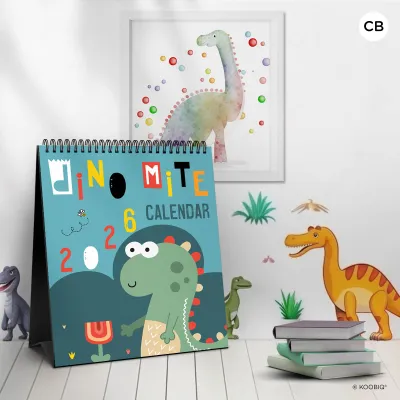
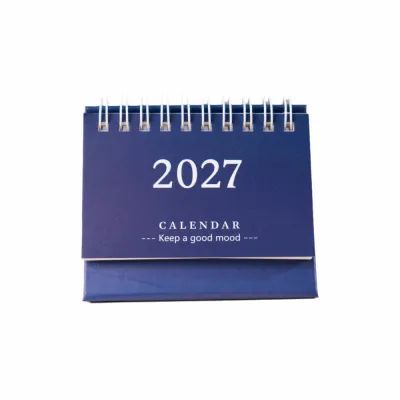
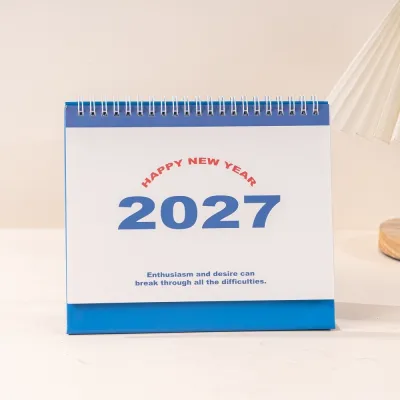
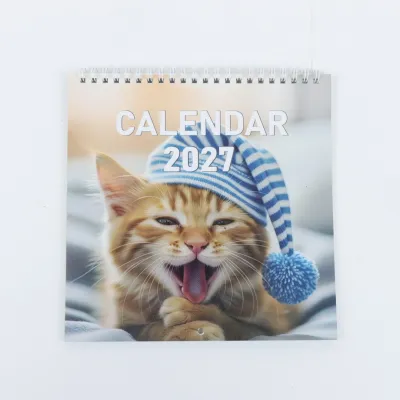
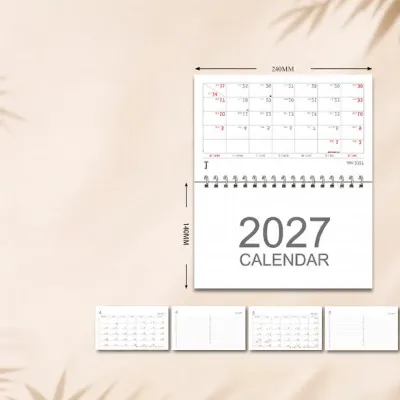
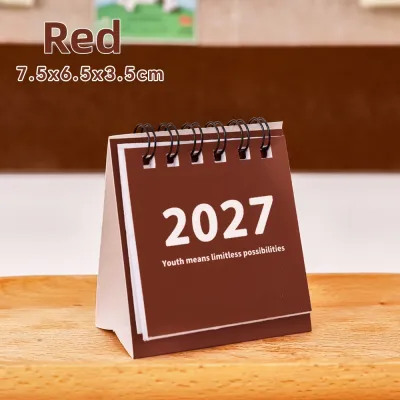

Prices are valid at publication and may change. Please refer to the product page for the latest price.
Macro planning focuses on the big picture. If your primary goal is to track project milestones, travel, or major deadlines, you need a monthly layout. This format allows you to see the entire month’s landscape at a single glance, helping you spot busy periods and plan ahead without getting bogged down in hourly details.
Meso planning bridges the gap between long-term goals and daily execution. A weekly layout is ideal if you need to balance recurring meetings, weekly deliverables, and personal habits. It provides enough detail to schedule specific days while keeping the broader context of the week visible.
Micro planning is for those who require granular control. If your day is packed with back-to-back appointments or if you practice strict time-blocking, a daily layout is indispensable. This format gives you the space to map out every hour, write detailed task lists, and jot down daily reflections.
Your planning style may also shift depending on the nature of your current projects. For instance, during high-intensity periods with multiple daily meetings, you might temporarily transition to a daily layout, while returning to a weekly or monthly format during periods of independent, long-term research. Recognizing this fluidity allows you to choose a calendar that offers the right balance of structure and flexibility.
Your physical workspace also dictates the format. In compact home offices or shared workspaces, a massive desk blotter can quickly crowd out your keyboard and mouse. Conversely, a tiny tent calendar might be hard to read if placed at the back of a deep desk. Measure your available surface area and consider how a calendar’s footprint will interact with your daily movements before making a decision.
Monthly Desk Calendars: Selection Criteria and Brand Features
Monthly desk calendars are best suited for visual thinkers, project managers, and anyone who needs a high-level overview of their commitments. The primary benefit of this format is visual permanence; it keeps your entire month’s commitments visible without requiring you to click through tabs or scroll through digital feeds.

When evaluating monthly layouts, look closely at the grid design. A functional monthly calendar should offer clean, unlined daily blocks of at least three centimeters square to ensure your handwriting remains legible. Look for brands that include dedicated margins for monthly goals, a small notes section, and previous and next-month reference grids.
Condition-based shortlisting is crucial when choosing a monthly brand. If you plan to keep the calendar standing upright, look for brands that use thick, multi-layered cardboard backing boards that resist warping. Avoid brands that crowd the grid with heavy decorative borders or excessive pre-printed holidays, as these design elements actively steal valuable writing space.
Color-coding is a highly effective strategy for monthly planning, but it requires a clean visual canvas. When shortlisting brands, look for those that use neutral color palettes and minimal grid lines. This ensures that your color-coded highlighters or sticky notes stand out clearly, rather than competing with the calendar’s pre-printed design elements. Additionally, verify if the calendar includes a hanging loop or if it is strictly designed for flat desk use, giving you more options for positioning.
Paper quality is another critical factor, especially since monthly pages remain exposed to the elements for thirty days at a time. In humid climates, paper fibers can absorb ambient moisture, making them softer and more prone to ink feathering. Check the manufacturer’s specifications for paper weight, aiming for at least 100 GSM. If you prefer color-coding your schedule with highlighters or felt-tip pens, look for brands specifying 120 GSM or higher to prevent ink from bleeding through to the subsequent months.
Weekly Desk Calendars: Evaluating Layouts for Balanced Planning
Weekly desk calendars are the workhorses of balanced planning, offering a practical middle ground for students, freelancers, and busy professionals. This format helps you coordinate your daily tasks with your weekly goals, ensuring that short-term actions align with your immediate deadlines.
Weekly layouts generally come in two main styles: vertical columns and horizontal blocks. Vertical columns are highly structured and ideal for chronological scheduling, allowing you to map out appointments from morning to evening. Horizontal blocks offer a more open, flexible space that suits bulleted task lists and long-form notes. Match the layout to your natural writing style; if you have large handwriting, horizontal blocks will feel much less restrictive than narrow vertical columns.
The binding mechanism of a weekly calendar determines its durability and usability. Because you will be flipping pages fifty-two times a year, look for sturdy double-wire binding or metal spiral coils. These bindings allow the calendar to lay completely flat on your desk or fold back on itself to save space. Avoid cheap glue-bound weekly pads unless you prefer to tear off and discard each week as it ends, as loose pages are easily misplaced.
A weekly calendar also serves as an excellent tool for reflection. Many high-quality weekly layouts include a dedicated space at the end of each week for a quick review, allowing you to note what was accomplished and what needs to be carried over to the next week. This practice of weekly reflection helps prevent tasks from falling through the cracks and ensures a smoother transition between planning cycles.
Flexibility is another key consideration. If your schedule does not follow the traditional calendar year—such as an academic schedule starting in September—look for brands that offer undated weekly layouts. Undated calendars allow you to write in the dates yourself, ensuring you do not waste pages during vacation weeks or quiet periods when you do not need active planning.
Daily Desk Calendars: What to Look for in Detailed Scheduling Brands
Daily desk calendars are designed for high-intensity scheduling and detailed time management. They are the ideal choice for executives, medical professionals, or anyone who manages a complex, hour-by-hour routine and needs to keep detailed records of their daily activities.
Because daily planning involves a high volume of writing, paper quality is paramount. If you write with fountain pens, gel pens, or heavy rollerballs, standard calendar paper will likely feather, bleed, or ghost. Look for brands that explicitly state they use ink-friendly paper with specialized surface sizing. Check the product specifications for paper weights between 100 GSM and 150 GSM, which provide the density needed to handle wet inks without ruining the reverse side of the page.
The physical bulk of a daily calendar is a major design consideration. A calendar with over three hundred pages is naturally heavy and thick. If you choose a standing tent design, ensure the base is wide and weighted to prevent the calendar from tipping over as you write. Alternatively, a flat daily desk pad with a glued top edge allows you to write comfortably at a natural angle and tear off each page cleanly at the end of the day.
Time-blocking is a popular productivity technique that works exceptionally well with daily desk calendars. When evaluating daily layouts, check if the hourly schedule is pre-printed with specific times or if it is left blank for you to customize. Blank hourly slots are highly beneficial if you work non-traditional hours or if you want to use the space for non-chronological lists. Furthermore, ensure the paper surface is smooth enough to allow your pen to glide effortlessly, reducing hand fatigue during long writing sessions.
When shortlisting daily calendar brands, look for integrated productivity features. A well-designed daily page should include more than just a schedule grid; look for built-in habit trackers, prioritized to-do list margins, and dedicated spaces for daily reflections. These structured elements help streamline your morning routine by eliminating the need to draw your own tracking systems.
Final Verification Checklist Before Buying a Calendar for Desk
To ensure your chosen desk calendar integrates seamlessly into your daily routine, use this physical verification checklist before finalizing your purchase.
- Dimensions and Footprint: Do not rely solely on product photos, which can be visually misleading. Measure your actual desk space with a ruler. A standard large desk blotter typically measures around 55 cm by 43 cm, while a compact tent calendar is closer to 22 cm by 18 cm. Ensure the open height of a standing calendar does not block the bottom of your computer monitor or interfere with your keyboard placement.
- Paper and Ink Compatibility: Match your preferred writing instruments to the calendar's paper specifications. If you write with fine-point gel pens, a smooth, coated paper surface prevents skipping. If you prefer fountain pens, check for bleed resistance and be prepared for slightly longer drying times on coated papers. For standard ballpoint pens, almost any paper weight above 80 GSM will perform reliably without issues.
- Binding and Stand Durability: Inspect the construction of the stand and binding. A high-quality standing calendar should feature a thick, rigid cardboard base with a textured, non-slip bottom to prevent it from sliding when you write. For wire-bound models, ensure the metal loops are fully closed and made of coated steel rather than soft plastic, which can warp and cause pages to catch when turned.
- Refills and Sustainability: Consider the long-term environmental and financial impact of your purchase. Some brands offer premium, reusable stands made of wood, brass, or heavy acrylic, allowing you to buy only the paper refill pack each year. This modular approach is often more cost-effective over several years and significantly reduces paper and plastic waste.
Frequently Asked Questions (FAQ)
Do I need a physical desk calendar if I already use digital planning apps?
A physical desk calendar is not meant to replace your digital planning tools; instead, the two systems work best when they complement each other. Digital apps are excellent for sending active notifications, managing shared team schedules, and storing deep project details, but they require you to open an app or look at a screen, which introduces potential distractions. A physical calendar on your desk remains constantly visible in your peripheral vision. This visual permanence acts as a cognitive anchor, keeping your primary goals and daily focus top-of-mind without the risk of digital notification fatigue. Many professionals use digital calendars for scheduling meetings and a physical desk pad for mapping out their immediate daily execution.
What paper weight prevents ink bleed-through on desk calendars?
Preventing ink bleed-through is not determined by paper weight alone, but by the combination of paper density (measured in GSM), surface coating, and the type of ink you use. Generally, paper weights of 100 GSM to 120 GSM provide a safe baseline for standard gel pens, rollerballs, and highlighters. If you use wet fountain pens or heavy permanent markers, you should look for specialized paper rated at 120 GSM to 150 GSM, or paper specifically labeled as bleed-resistant. To verify performance before committing to writing your schedule, always perform a small ink test on an inconspicuous area, such as the back of the December page or a notes section, using your preferred writing instruments.

Community discussion
Share your experience or ask a question. Comments are reviewed before publication.