
Securing your items for transport, storage, or shipping in Singapore requires selecting the appropriate cushioning material. While bubble wrap is a highly effective tool for preventing damage, choosing the wrong type can lead to broken valuables, inflated shipping costs, or wasted storage space. Finding the right solution involves matching the physical specifications of the wrap to the weight, fragility, and dimensions of your items.
To make an informed decision, you must look beyond generic product labels. Understanding how bubble sizes, material thickness, and specialized coatings perform under real-world conditions ensures your items remain intact. This guide explains how to evaluate your packaging needs, verify technical specifications, and source high-quality materials from reliable suppliers across Singapore.
Identifying Your Core Packaging Requirements
Before purchasing packaging materials, define your specific use case. A homeowner preparing for an occasional move faces different constraints and material requirements than an e-commerce business shipping hundreds of parcels weekly. Aligning your purchase with your actual usage frequency prevents unnecessary expenses and ensures you have the right level of protection.
Products mentioned in this guide
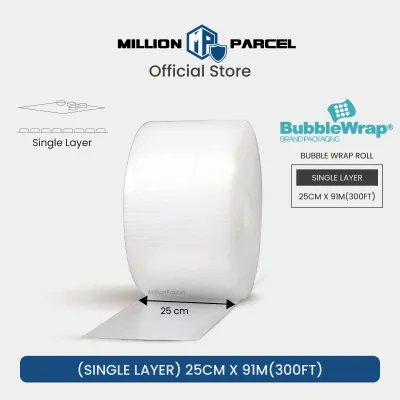
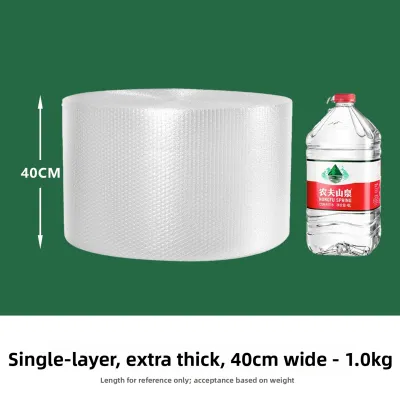
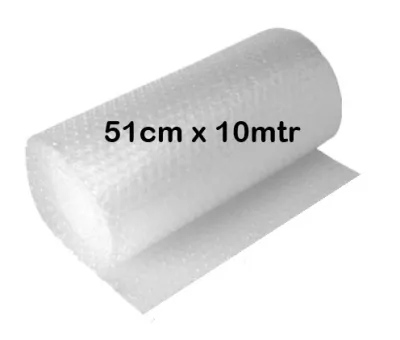
Prices are valid at publication and may change. Please refer to the product page for the latest price.
For occasional home moving, the primary goal is protecting bulky household items, furniture, and kitchenware for a single journey. This scenario demands heavy-duty, shock-absorbing wraps that can withstand stacking and shifting inside a moving truck. Because this is a one-time event, purchasing smaller, retail-sized rolls or complete moving kits is often more practical than buying bulk industrial rolls.
In contrast, e-commerce shipping requires a continuous supply of lightweight, space-efficient packaging. Online sellers must balance protection with dimensional weight, as heavier or bulkier packages incur higher courier fees. For these operations, purchasing bulk rolls of thin, highly flexible wrap with pre-cut perforations streamlines the packing workflow and minimises shipping costs.
Long-term storage of delicate collectibles, such as porcelain, artwork, or vintage electronics, introduces different challenges. Over months or years, fluctuations in temperature and humidity can cause low-quality plastics to degrade or stick to sensitive surfaces. Protecting these items requires specialized, chemically stable wraps combined with proper archival barriers.
To estimate the volume of bubble wrap required, calculate the total surface area of the items you plan to pack. For highly fragile items, plan for at least two to three complete layers of wrap. As a general rule of thumb, multiply the calculated surface area by 2.5 to account for overlapping, wrapping corners, and securing loose ends, then add a 15% buffer to cover unexpected packing needs.
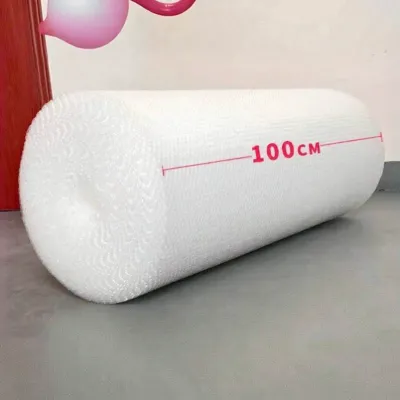
Storage space is a critical constraint in Singapore, where residential HDB flats and small commercial offices have limited square footage. A standard industrial roll of bubble wrap can measure up to 1.5 metres in height and 100 metres in length, occupying significant physical space. If you lack dedicated storage, consider buying smaller, tightly wound rolls, flat-pack bubble sheets, or sourcing materials from local suppliers who offer rapid delivery on demand.
Essential Bubble Wrap Specifications to Verify
Not all bubble wrap is manufactured to the same standard. To ensure your items are fully protected, you must verify the physical specifications of the material rather than relying on generic marketing claims. Key factors to evaluate include bubble size, material thickness, and specialized functional coatings.

Bubble size determines the type of protection the wrap provides. Small bubbles, typically measuring 10 millimetres in diameter and 4 millimetres in height, are designed for surface protection and scratch prevention. Their flexibility makes them ideal for wrapping tightly around small, intricate, or oddly shaped items, ensuring no surface is left exposed.
Large bubbles, usually measuring 25 millimetres to 30 millimetres in diameter and up to 12 millimetres in height, are engineered for shock absorption and void filling. These larger air pockets absorb heavy impacts and prevent items from shifting inside oversized boxes. Use large bubbles for heavy electronics, household appliances, or to fill empty spaces in shipping cartons.
Material thickness and ply are critical indicators of durability. Single-ply bubble wrap features a single layer of flat plastic backing with bubbles formed on one side. While lightweight and inexpensive, it is susceptible to popping under heavy loads. Double-ply wrap sandwiches the bubbles between two flat layers of plastic, significantly increasing puncture resistance and preventing the bubbles from deflating under pressure.
Plastic thickness is measured in microns or grams per square meter (GSM). If these specifications are not clearly listed on the product packaging, you can perform a simple physical check. Press a single bubble firmly between your thumb and forefinger; a high-quality, double-ply wrap will resist popping under moderate pressure, whereas cheap, low-density wrap will rupture easily.
Specialized features are often required for specific types of cargo. Anti-static bubble wrap is treated with an additive that prevents the build-up of electrostatic discharge, which can ruin sensitive electronic components. This material is easily identified by its distinctive pink color and should always be verified on the manufacturer’s specification sheet before wrapping circuit boards or computer parts.
Perforated rolls are another valuable feature for high-volume packing. These rolls feature pre-cut tearing lines at regular intervals, typically every 30 or 50 centimetres. This allows you to tear off precise sheets quickly without using scissors, saving time and ensuring consistent packaging sizes across your shipping operations.
Where to Source Quality Bubble Wrap in Singapore
Finding a reliable source for packaging materials in Singapore depends on your required volume, budget, and urgency. Different retail and wholesale channels cater to distinct packaging needs, ranging from bulk industrial orders to immediate, small-scale purchases.
Professional packaging suppliers are the most cost-effective option for bulk buyers, e-commerce businesses, and industrial users. Located primarily in industrial estates such as Ubi, Kaki Bukit, Woodlands, and Jurong, these distributors offer a wide range of specifications, including custom roll widths and heavy-duty double-ply materials. Buying in bulk from these suppliers significantly reduces the cost per metre, though you may need to meet a minimum order value to qualify for free local delivery.
For small, occasional needs, neighborhood stationery shops and major book store chains are highly convenient. These retailers stock smaller, manageable rolls (typically 5 to 10 metres in length) and pre-cut bubble sheets that are easy to transport home. While the cost per metre is higher than wholesale, the convenience and lack of minimum order requirements make this option ideal for students, home offices, or urgent packing tasks.
Hardware and home improvement stores, frequently found in suburban shopping malls and under HDB blocks, are excellent sources for moving-specific packing materials. These stores often sell wider rolls suitable for wrapping furniture, alongside complete moving kits that bundle bubble wrap with heavy-duty cardboard boxes, packing tape, and stretch film. This allows you to purchase all your moving essentials in a single trip.
Online marketplaces offer a convenient way to compare prices and order bubble wrap directly to your doorstep. When purchasing online, always check for “local seller” or “local dispatch” tags to avoid long international transit times and high shipping fees for bulky items. Read customer reviews carefully, paying close attention to user-uploaded photos and comments regarding the actual firmness of the bubbles and the thickness of the plastic.
Matching Bubble Wrap Types to Specific Scenarios
To achieve optimal protection, you must match the physical properties of the bubble wrap to the specific items you are packing. Using the wrong type of wrap can result in inadequate cushioning or unnecessary packaging bulk.
Home Moving and Bulky Items
When preparing large household items, furniture, and appliances for a move, heavy-duty protection is essential. Use large-bubble, double-ply rolls to wrap table legs, cabinet corners, and large electronic appliances. The larger air pockets provide the necessary shock absorption to protect heavy items from damage during transit over uneven roads.
To prevent the bubbles from popping under the weight of heavy furniture, combine the bubble wrap with moving blankets or industrial stretch wrap. Wrap the item in bubble wrap first, then secure it tightly with stretch wrap. This holds the cushioning material firmly in place, prevents shifting, and adds an extra layer of puncture resistance against sharp corners.
Using wide rolls, typically 1 metre or 1.5 metres in width, is highly recommended for bulky items. Wide rolls allow you to cover large surface areas with fewer seams, reducing the amount of packing tape required and minimizing weak points in your protective wrapping. Ensure all seams are taped securely to prevent the wrap from unraveling during transport.
E-commerce and Small Parcel Shipping
For online businesses, packaging must be lightweight, cost-effective, and fast to assemble. Small-bubble, perforated rolls are the ideal choice for wrapping daily shipments such as cosmetics, books, small toys, and household accessories. The small bubbles conform easily to compact items, providing excellent scratch protection without adding excessive volume.
To keep shipping costs low, select high-tensile, single-ply or medium-density double-ply wraps that offer sufficient protection without adding weight to your packages. This helps keep your parcels within the lowest weight brackets for local courier services, protecting your profit margins while ensuring customers receive their items in perfect condition.
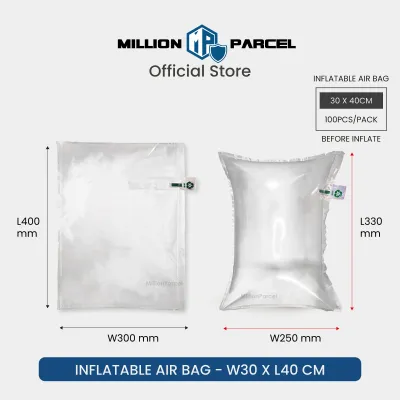
For maximum packaging efficiency, consider using pre-made bubble mailers or bubble bags. These envelopes feature an integrated bubble wrap lining, eliminating the need to wrap items manually and apply tape. This significantly speeds up your packing workflow, allowing you to process high volumes of orders quickly during peak sales periods.
Electronics and Fragile Collectibles
High-value electronics and fragile collectibles require specialized handling and materials. For computers, laptops, gaming consoles, and individual circuit boards, you must use pink anti-static bubble wrap. Standard plastic wraps generate static electricity through friction during transport, which can discharge into and permanently damage sensitive electronic components.
When packing delicate collectibles such as hand-painted porcelain, crystal glassware, or valuable figurines, avoid placing plastic bubble wrap directly against the item’s surface. Over time, or under warm conditions, the plastic can react with delicate glazes, paints, or polished finishes, leaving unsightly marks or causing damage.
To prevent this, wrap the collectible in a layer of acid-free tissue paper or glassine paper first. Once the surface is protected, wrap the item tightly in small-bubble wrap to cushion intricate details, followed by a layer of large-bubble wrap or a sturdy outer box. This multi-layered approach ensures both surface preservation and maximum impact resistance.
Eco-Friendly Packaging Alternatives to Consider
As sustainability becomes a priority for consumers and businesses in Singapore, finding eco-friendly alternatives to traditional plastic packaging is increasingly important. Fortunately, several viable alternatives offer excellent protection while reducing plastic waste.
Honeycomb paper wrap, made from renewable kraft paper, is an excellent biodegradable alternative to plastic bubble wrap. When stretched, the paper expands into a three-dimensional honeycomb structure that locks together naturally, eliminating the need for adhesive tape. It provides excellent surface protection and light cushioning, making it a popular choice for boutique brands and organic products.
For shippers who require the specific shock-absorbing properties of air bubbles, biodegradable or recycled-content bubble wrap is an option. These wraps are manufactured using a percentage of post-consumer recycled plastic, reducing reliance on virgin petroleum. Some variations include additives designed to accelerate the decomposition process when disposed of in landfills.
| Packaging Material | Primary Material | Reusability | Best Use Case | Key Limitations |
|---|---|---|---|---|
| Traditional Bubble Wrap | Polyethylene Plastic | High (if unpopped) | Heavy items, electronics, long-term storage | Non-biodegradable, high storage volume |
| Honeycomb Paper Wrap | Kraft Paper | Medium | Cosmetics, glassware, boutique gifts | Poor moisture resistance, lower heavy shock absorption |
| Recycled Bubble Wrap | Recycled Plastic | High (if unpopped) | Eco-conscious shipping, general cushioning | Higher cost, limited local availability |
While eco-friendly alternatives are highly beneficial, they do involve specific trade-offs. Honeycomb paper wrap lacks moisture resistance; if exposed to a sudden tropical downpour during delivery in Singapore, the paper can soften and lose its structural integrity. Additionally, biodegradable plastics can be more expensive than standard polyethylene and may degrade prematurely if stored in hot, humid environments.
Frequently Asked Questions (FAQ)
Which side of the bubble wrap should face the item?
The bubble side (the textured side with the raised air pockets) should always face inward, directly touching the item you are wrapping. This configuration allows the individual bubbles to conform closely to the object’s unique shape, providing direct cushioning and preventing the item from sliding within the wrap. The flat side should face outward, creating a smooth surface that is easy to write on, label, and secure with packing tape without damaging the air pockets.
How should I store unused bubble wrap rolls in a humid climate?
Singapore’s high humidity and warm temperatures can cause plastic packaging materials to degrade, become brittle, or stick together over time. Store unused bubble wrap rolls in a cool, dry indoor area away from direct sunlight, which contains UV rays that accelerate plastic breakdown. To prevent dust accumulation and moisture exposure, keep the rolls sealed in their original protective plastic sleeves or place them inside clean, heavy-duty trash bags until they are needed.
Can I reuse bubble wrap for shipping?
Yes, you can reuse bubble wrap, provided it is still in good structural condition. Before reusing, inspect the wrap visually and physically by checking for popped bubbles, tears, or deflated sections. Gently squeeze the wrap; if more than 20% of the bubbles are flat or pop under very light pressure, the material has lost its cushioning ability. Avoid reusing compromised wrap for highly fragile items, and instead repurpose it as void fill for non-fragile shipments.

Community discussion
Share your experience or ask a question. Comments are reviewed before publication.