
In Singapore, finding the best bubble wrap for shipping fragile items is less about chasing a specific global brand name and more about identifying the correct material specifications, thickness, and roll configurations for your specific items. While generic and unbranded rolls dominate local stationery shops and online marketplaces, their protective quality varies wildly. To secure delicate glassware, electronics, or heavy collectibles, you must evaluate key physical properties—such as bubble size, layer count, and material density—and source them from reputable local packaging specialists who provide consistent manufacturing standards.
By understanding how different bubble wrap specifications perform under pressure, you can avoid the common pitfalls of damaged shipments and wasted materials. This guide outlines how to evaluate bubble wrap quality, where to source reliable packaging materials in Singapore, and the best practices for ensuring your delicate items arrive safely.
Key Specifications to Check Before Buying
Selecting the right bubble wrap requires matching the physical dimensions of the bubbles to the weight and fragility of your items. Bubble wrap is primarily categorized by bubble diameter and height, which dictate the level of shock absorption and surface protection the material can provide.
Products mentioned in this guide
![[Bundle] Bubble Wrap® 50cm x 20m (2rolls of 10m) + 2x OPP Clear Tape (48mm x 50m) + 4x Free Fragile Stickers | Packing & Shipping Essentials](https://img.lazcdn.com/g/p/3057c4b87b8d90de6b34a7ff29eaa6df.jpg_400x400q80.jpg_.webp)
Prices are valid at publication and may change. Please refer to the product page for the latest price.
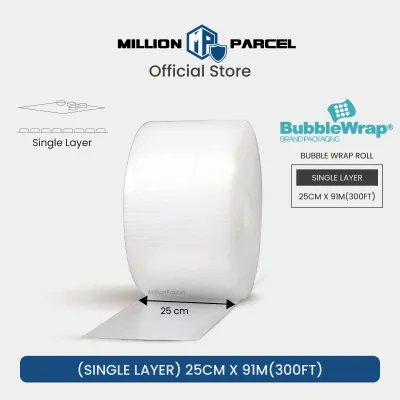
Small bubbles, typically measuring 10mm in diameter and 3mm to 4mm in height, are designed for surface protection and scratch prevention. They are highly flexible, making them ideal for wrapping smaller, lightweight items like cosmetics, small ceramic mugs, books, or glassware. Because they conform easily to tight curves, they provide a snug protective layer without adding excessive bulk to your shipping boxes.
Large bubbles, usually measuring 25mm to 30mm in diameter and 10mm to 12mm in height, are engineered for heavy shock absorption and void-filling. If you are shipping heavy items, large electronics, or highly delicate artwork, large bubbles provide a thicker cushion of air to absorb heavy impacts during transit. They are also excellent for filling empty spaces in larger shipping boxes, preventing items from shifting when handled by local couriers.
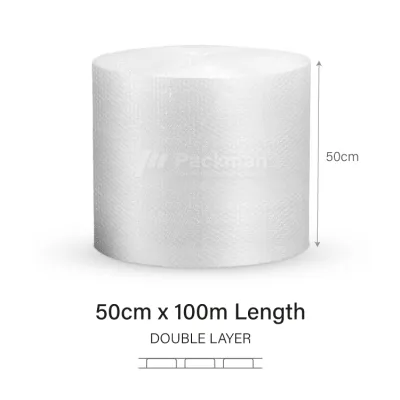
Material thickness and ply count also play a critical role in durability. Single-sided bubble wrap features bubbles exposed on one side with a flat backing on the other, offering excellent flexibility for general wrapping. Double-sided bubble wrap sandwiches the bubbles between two flat layers of plastic film, providing significantly higher puncture resistance and preventing the bubbles from popping under heavy loads, making it ideal for sharp-edged items.
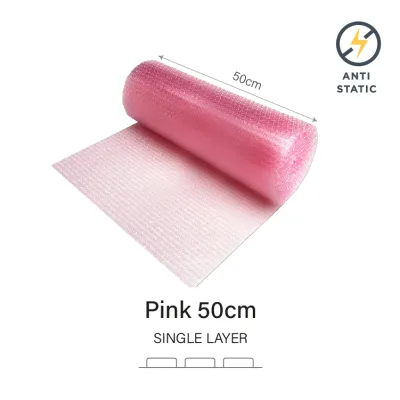
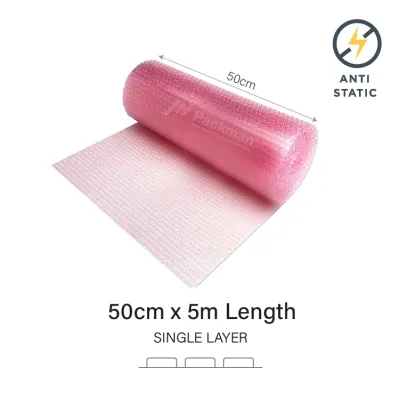
Specialty variants are necessary for specific product categories. Anti-static bubble wrap, easily identified by its pink color, is treated with an antistatic agent to prevent electrostatic discharge. This is critical for bare electronic components like graphics cards, motherboards, and hard drives, where standard plastic wrap could generate static electricity and damage sensitive circuitry.
Where to Source Reliable Bubble Wrap in Singapore
Sourcing high-quality bubble wrap in Singapore involves navigating online marketplaces, local retail shops, and dedicated packaging distributors. Each channel serves different needs depending on your shipping volume and urgency.

Online marketplaces host numerous packaging suppliers offering competitive rates. To find reliable quality, filter for sellers who specialize exclusively in shipping materials rather than general household goods. Check recent buyer feedback specifically for comments on roll length accuracy and plastic thickness, as some low-cost listings may deliver thinner plastic than advertised.
For immediate packaging needs, neighborhood stationery shops, hardware stores, and home improvement centers across Singapore stock standard bubble wrap rolls. Visiting these stores allows you to physically inspect the plastic’s thickness and bubble firmness before purchasing. While retail prices per meter are generally higher in physical stores, they are highly convenient for last-minute packing tasks.
If you run a home-based ecommerce business or are planning a major household move, sourcing directly from wholesale packaging distributors in industrial areas like Ubi, Jurong, or Woodlands is highly cost-effective. These distributors offer bulk pricing for large rolls, such as 100-meter rolls, which significantly reduces the unit cost compared to retail packs. Many of these suppliers also offer local delivery options, saving you the hassle of transporting bulky rolls yourself.
How to Evaluate Quality When Shopping Online
When purchasing bubble wrap online, you cannot physically feel the material, making it essential to know how to read product listings and identify quality indicators from descriptions and reviews.
High-quality bubble wrap is made from low-density polyethylene (LDPE), which provides excellent flexibility and strength. Look for listings that explicitly state the material’s density or thickness, often measured in micrometers (microns) or grams per square meter (gsm). A higher gsm rating indicates a thicker, more resilient plastic barrier that is less likely to tear during wrapping.
Assess the bubble retention capability of the product. The primary function of bubble wrap is to retain air under pressure, but poor-quality wrap uses thin plastic that allows air to slowly leak out, leaving the bubbles flat and useless. Look for barrier-sealed bubble wrap, which features a co-extruded layer that retains air much longer than non-barrier alternatives, ensuring long-term protection during extended storage or international shipping.
Analyze customer reviews carefully for quality red flags. Look for recurring complaints about bubbles arriving already deflated, rolls being shorter than advertised, or the plastic tearing too easily. High-quality listings will have consistent positive feedback regarding the wrap’s durability, thickness, and ease of use.
Finally, verify the seller’s return and replacement policies. Since packaging materials can sometimes be damaged or compressed during transit, reliable suppliers in Singapore stand by their product quality and will replace rolls that arrive in sub-standard condition. Clear communication and a straightforward return policy are strong indicators of a reputable seller.
Best Practices for Packing Fragile Items
Even the highest quality bubble wrap cannot protect your items if it is applied incorrectly. Following proper packing techniques ensures that the material’s protective qualities are fully utilized.
Always secure the wrapped item with high-quality acrylic or hot-melt packing tape. Simply folding the edges or using weak stationery tape can cause the wrap to unravel during transit, exposing the item to direct impact. Ensure the tape is applied firmly across all seams to create a secure, immovable protective shell.
For most items, wrap with the bubbles facing inward. This allows the bubbles to grip the item’s surface, preventing it from sliding within the wrap, while the smooth outer flat layer resists external punctures. However, direct contact with plastic bubbles can sometimes damage highly sensitive finishes, such as polished wood, oil paintings, or glossy photographs, by trapping moisture or leaving circular marks. For these items, wrap them in acid-free tissue paper or foam wrap first, then apply the bubble wrap as an outer protective layer.
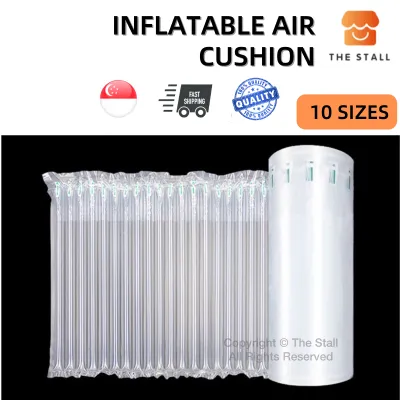
Bubble wrap is only one part of a secure packaging system. Place the wrapped item in a sturdy, appropriately sized cardboard box, leaving at least 5cm of space on all sides. Fill this remaining space with void-fill materials like packing peanuts, crumpled kraft paper, or air pillows to prevent the item from shifting during transit. The goal is to ensure that when the sealed box is gently shaken, there is absolutely no movement inside.
Frequently Asked Questions (FAQ)
Can I reuse bubble wrap for shipping fragile items?
Reusing bubble wrap is an excellent way to reduce waste, but it requires careful inspection. Before packing a fragile item, examine the wrap for popped bubbles, deep creases, or signs of thinning. If a significant portion of the bubbles are deflated, the wrap will no longer provide adequate shock absorption. Save worn bubble wrap for packing non-fragile items, or use it as basic scratch protection rather than primary impact cushioning.
Is anti-static bubble wrap necessary for all electronics?
No, anti-static bubble wrap is not required for all electronic devices. Items with fully enclosed plastic or metal casings, such as laptops, smartphones, or external hard drives, can be safely wrapped in standard clear bubble wrap. However, bare electronic components—such as motherboards, graphics cards, and internal computer parts—are highly sensitive to electrostatic discharge (ESD). For these items, you must use pink anti-static bubble wrap, which is specially treated to prevent the buildup of static electricity that could permanently damage the circuitry.

Community discussion
Share your experience or ask a question. Comments are reviewed before publication.