
The ideal bubble wrap for your packaging tasks depends entirely on the specific items you are shipping, their fragility, and your environmental goals. Rather than relying on a single brand, this guide provides a structured framework to evaluate bubble wrap specifications, match them to your unique packaging requirements, and verify product quality from suppliers in Singapore. By understanding the core material properties and sizing options, you can make informed purchasing decisions that balance protection, efficiency, and cost.
Key Factors to Evaluate When Comparing Bubble Wrap Brands
When sourcing packaging materials in Singapore, it is easy to treat bubble wrap as a generic commodity or choose solely based on the lowest price per roll. However, variations in manufacturing standards can lead to significant differences in how well your items are protected during transit. To make an objective comparison between different suppliers and brands, you must evaluate several technical specifications that directly influence cushioning performance, durability, and ease of use.
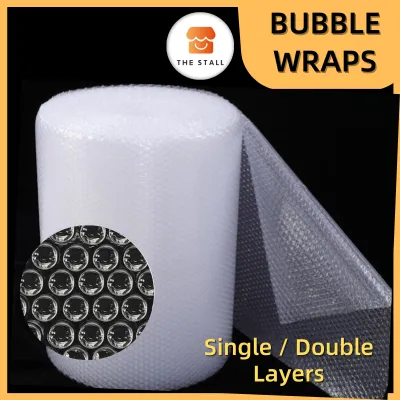
First, consider bubble size and density. Bubble wrap is generally categorized by the diameter of its air pockets, with the most common sizes being small (typically 10 millimetres in diameter) and large (typically 25 to 30 millimetres in diameter). Small bubbles provide dense, closely spaced points of contact, making them excellent for surface protection, scratch prevention, and wrapping light to medium-weight items. Large bubbles contain a greater volume of air per pocket, offering enhanced shock absorption and void-fill capabilities for heavier or highly fragile items that require a buffer zone from the outer walls of the shipping box.
Products mentioned in this guide
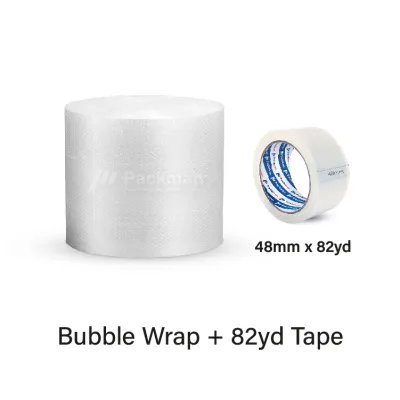
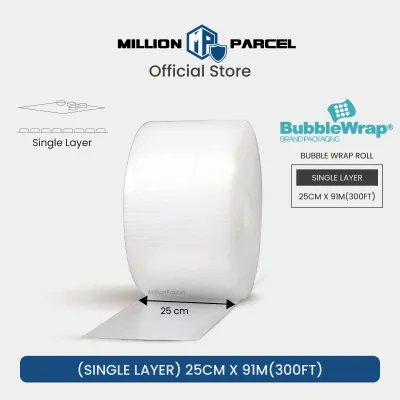
![[SG] Bubble Wrap® 10m | Foam Roll 5m | Packing Tapes – Cushioning for Packing Moving Warehouse Use](https://img.lazcdn.com/g/p/5d1b2367f552267faa5f9fe7d51ee653.jpg_400x400q80.jpg_.webp)
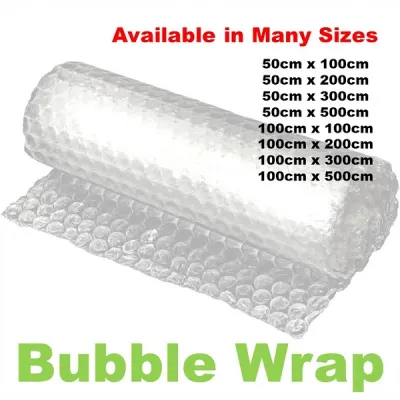
![91m/20m/10m BubbLest™ [FREE PENKNIFE] Bubble Packaging Material Direct Singapore Manufacturer | Clingwrap | Plasticwrap | Cling Wrap | Plastic Wrap | Bubble Roll |](https://img.lazcdn.com/g/p/118908581c7285d2410f3d4422311ca0.png_400x400q80.png_.webp)
Prices are valid at publication and may change. Please refer to the product page for the latest price.
Second, film thickness is a critical metric that determines puncture resistance and tensile strength. Thickness is commonly measured in microns. Standard-duty bubble wrap typically ranges from 30 to 50 microns, which is sufficient for light household items, books, and non-fragile goods. Heavy-duty variations often exceed 75 to 100 microns, providing the necessary structural integrity to resist tearing when wrapped around sharp corners or heavy industrial components. When comparing brands, always ask suppliers for the exact micron rating rather than relying on vague descriptors like “thick” or “premium.”
Third, the purity of the plastic resin used during manufacturing plays a major role in the material’s physical properties. Virgin low-density polyethylene (LDPE) resin produces bubble wrap with high transparency, excellent tensile strength, and consistent bubble inflation. Recycled resin, while more environmentally friendly, can sometimes introduce minor structural variations, reduced clarity, or a slightly lower resistance to long-term air leakage. High-quality manufacturers often use a co-extruded barrier layer—typically a thin nylon or specialty polymer film sandwiched between the LDPE layers—to prevent air from slowly diffusing through the plastic over time, ensuring the bubbles remain fully inflated during extended storage or long-distance shipping.
Finally, consistency across batches is the hallmark of a reliable packaging brand. When purchasing in bulk for business operations, you need assurance that the roll you receive next month will perform identically to the one you tested today. Inconsistent sealing along the bubble seams can lead to premature deflation under load, leaving your products vulnerable to damage. Evaluating these technical parameters allows you to establish a clear baseline for quality, ensuring you select a brand that delivers reliable protection for your specific inventory.
Matching Bubble Wrap Specifications to Your Packaging Needs
Selecting the right bubble wrap is not a one-size-fits-all decision; it requires matching the physical properties of the wrapping material to the weight, shape, and vulnerability of the items being shipped. By analyzing your product catalog and understanding how different transit conditions affect your packaging, you can optimize your material usage and minimize product return rates.

Protecting Fragile and High-Value Items
Fragile and high-value items, such as glassware, porcelain, delicate ceramics, and precision instruments, require meticulous packaging strategies to survive the vibrations and impacts of transit. For these delicate surfaces, small bubble wrap is highly recommended. The high density of small bubbles ensures that the weight of the item is distributed evenly across hundreds of tiny air cushions, preventing localized pressure points that could cause cracks or fractures. When wrapping these items, ensure the bubbles face inward to grip the item securely, and apply at least two to three complete layers to build a reliable protective barrier.
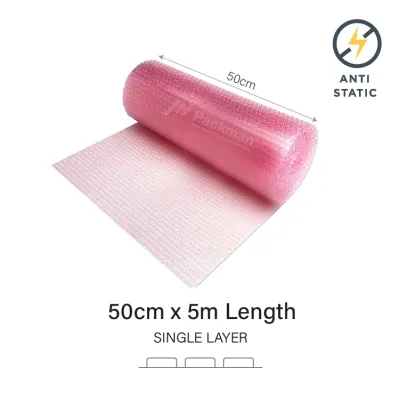
For sensitive electronic components like computer graphics cards, hard drives, and circuit boards, standard plastic bubble wrap poses a significant risk due to electrostatic discharge (ESD). In these scenarios, you should always use anti-static bubble wrap, which is easily identifiable by its distinctive pink color. This specialized material is treated with an anti-static additive that prevents the buildup of static electricity caused by friction during movement. It is important to note that anti-static bubble wrap does not shield components from external electrostatic fields; rather, it prevents the packaging itself from generating a charge, making it an essential first layer of defense before placing electronics into static-shielding bags.
Regardless of the item type, you must verify the physical integrity of the bubble wrap before wrapping high-value goods. Inspect the roll to ensure the bubbles are fully inflated and firm to the touch. Squeeze a small section to check the sealing strength at the seams; if the bubbles pop easily under light finger pressure or if air transfers between adjacent bubbles, the film may have been poorly sealed during manufacturing, rendering it ineffective for protecting fragile items during long journeys.
Cushioning Heavy or Irregularly Shaped Goods
Heavy, bulky, or awkwardly shaped items present a different set of packaging challenges. Items such as metal hardware, heavy kitchen appliances, wooden furniture, and industrial parts can easily compress small bubbles to the point of bottoming out, leaving the item virtually unprotected against drops. For these demanding applications, large bubble wrap or heavy-duty, thickened films are necessary. The larger air volume in 25-millimetre bubbles provides a much thicker cushioning zone, allowing the packaging to absorb and dissipate high-impact energy before it reaches the product.
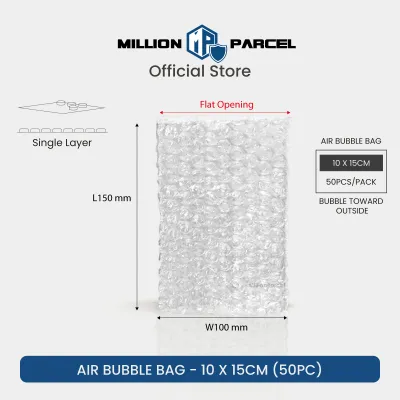
When deciding how to deploy these materials, you must weigh the operational trade-offs between using standard bubble wrap rolls and pre-made bubble bags or pouches. Bubble wrap rolls offer maximum flexibility, allowing packers to custom-cut the exact length needed for irregularly shaped items, which minimizes waste for varied product lines. Conversely, pre-made bubble bags can significantly increase packing efficiency and throughput for standardized, high-volume items, though they limit your ability to adjust the cushioning thickness for individual shipments.
Additionally, heavy or sharp-edged items often require a multi-material packaging approach. Bubble wrap alone may not prevent a sharp metal corner from puncturing the plastic film during transit. To ensure complete protection, combine heavy-duty bubble wrap with molded pulp corner protectors, edge guards, or double-walled corrugated cardboard inserts. This hybrid approach ensures that structural corners remain intact while the bubble wrap provides overall surface cushioning and shock absorption.
Eco-Friendly and Sustainable Packaging Options
As environmental awareness grows among consumers and businesses in Singapore, finding sustainable alternatives to traditional petroleum-based plastics has become a priority. When searching for eco-friendly bubble wrap, look for products made with high recycled content (often 30% to 50% post-consumer recycled plastic) or those certified as biodegradable. To verify these environmental claims, ask suppliers for recognized certifications, such as those from local or international environmental bodies, which confirm that the material meets specific standards for recycled content or compostability under managed conditions.
Another viable alternative is paper-based cushioning, such as honeycomb paper wrap. This innovative material consists of kraft paper cut into a precise hexagonal pattern that expands into a three-dimensional protective web when stretched. Honeycomb paper is highly effective for light to medium-weight items, offering excellent scratch resistance and a professional, rustic presentation. However, it does have limitations: it lacks the moisture resistance of plastic bubble wrap and may not provide sufficient shock absorption for extremely heavy or highly fragile items.
When integrating sustainable packaging into your operations, always review the manufacturer’s end-of-life guidelines. Biodegradable plastics often require specific industrial composting facilities to break down effectively and should not be mixed with standard soft plastic recycling streams, as they can contaminate the recycling process. Educating your customers on how to properly dispose of or reuse these materials is a crucial step in closing the sustainability loop.
Where to Source and Verify Bubble Wrap Quality in Singapore
Finding a reliable source for bubble wrap in Singapore involves balancing convenience, cost, and quality assurance. Depending on your purchasing volume and operational needs, you can choose from several sourcing channels, each with its own set of advantages and limitations.
Local packaging wholesalers and industrial suppliers are often a practical choice for businesses requiring consistent, high-volume supplies. These distributors typically offer a wide range of specifications, including various roll widths, bubble sizes, and heavy-duty options. Sourcing from local wholesalers allows you to establish direct communication with sales representatives, negotiate volume discounts, and secure reliable lead times. Additionally, many local suppliers maintain physical warehouses in industrial estates across Singapore, making it easier to arrange self-collection or rapid local delivery.
For small businesses, home-based sellers, or occasional shippers, office supply vendors and online marketplaces offer a highly convenient alternative. These platforms allow you to purchase single rolls or smaller quantities without committing to high minimum order quantities (MOQs). However, sourcing from online marketplaces requires extra caution, as product descriptions can sometimes be misleading. You may encounter listings that advertise “thick” bubble wrap, only to receive a thin, easily punctured product with poorly inflated bubbles.
To mitigate these risks, always request physical samples from a supplier before committing to a large bulk order. Once you receive the samples, conduct simple, observable quality checks. Perform a manual compression test by pressing down firmly on a section of bubbles with your palm; they should resist flattening and recover their shape without popping. Test the tear resistance by attempting to rip the film along the seams; high-quality co-extruded films should stretch significantly before tearing. Additionally, check the clarity of the plastic; high transparency usually indicates a higher proportion of virgin resin, which correlates with better tensile strength.
Finally, when comparing suppliers, look beyond the base price per roll and evaluate the total cost of acquisition. Pay close attention to the supplier’s minimum order quantities, return policies for defective batches, and delivery fees. Because bubble wrap rolls are highly bulky, delivery charges in Singapore can vary significantly depending on the order volume and delivery location. Some suppliers offer free local delivery for orders exceeding a specific S$ threshold, which can dramatically lower your overall packaging expenses.
Practical Tips for Using and Storing Bubble Wrap Effectively
Even the highest-quality bubble wrap cannot protect your items if it is applied or stored incorrectly. Implementing proper packaging techniques and storage practices ensures that the material performs as intended and maintains its protective qualities over time.
One of the most common debates in packaging is whether the bubbles should face inward or outward. The industry standard is to place the bubble side facing inward, directly against the surface of the item. This configuration allows the individual air pockets to grip the product, preventing it from sliding within the wrapping. It also ensures that the smooth outer flat film faces outward, making it easier to wrap tightly, tape securely, and slide the wrapped item into a shipping box. The only exception is when wrapping items with highly delicate, painted, or polished surfaces that might be marked by the plastic bubbles under pressure; in such cases, wrapping the item first in acid-free tissue paper before applying the bubble wrap is an effective safeguard.
When securing bubble wrap, always use high-quality packaging tape designed for plastic adhesion. Avoid using office tape, masking tape, or duct tape, as they may peel off during transit due to temperature fluctuations or humidity. Apply the tape firmly along the seams of the wrap, but avoid pulling it so tightly that you compress and flatten the bubbles, as this reduces their cushioning capacity. Furthermore, when unpacking or preparing the wrap, avoid using sharp utility knives or scissors directly against the film, as a single accidental slip can puncture multiple bubbles and compromise the entire protective layer.
Proper storage is equally vital to preserving the lifespan of your bubble wrap rolls. Low-density polyethylene is sensitive to environmental factors, particularly in Singapore’s warm and humid climate. Store your rolls in a cool, dry indoor area away from direct sunlight, as prolonged exposure to ultraviolet (UV) radiation can degrade the plastic, making it brittle and prone to tearing. Keep the rolls elevated off the floor on pallets or shelving to protect them from accidental water damage or moisture buildup, and avoid stacking heavy items on top of stored rolls to prevent premature bubble deflation.
Frequently Asked Questions (FAQ)
Can I reuse bubble wrap, and how do I know if it is still effective?
Yes, bubble wrap can often be reused multiple times, provided it is still in good physical condition. To evaluate its effectiveness, inspect the wrap for deflated bubbles, loss of firmness, or severe surface abrasion. Squeeze several sections of the wrap; if a significant portion of the bubbles have popped or feel soft and flat, the material will no longer provide adequate shock absorption for fragile items. If the wrap is only slightly deflated or has minor tears, you can downgrade it for use as void fill to prevent items from shifting inside a box, rather than using it as primary cushioning for delicate goods.
Is there a difference between pink anti-static bubble wrap and regular clear bubble wrap?
Yes, there is a fundamental difference in their material composition and intended application. Pink bubble wrap is manufactured with an anti-static additive that prevents the generation of electrostatic charges caused by friction during handling and transit. This makes it essential for packaging sensitive electronic components, such as circuit boards, microchips, and internal computer parts, which can be permanently damaged by static discharge. Regular clear bubble wrap does not contain these additives and can easily generate and hold a static charge, making it unsuitable for direct contact with bare electronic components, though it remains perfectly safe and effective for non-electronic items like glassware, books, and ceramics.

Community discussion
Share your experience or ask a question. Comments are reviewed before publication.