
Choosing the right artist brush brand depends on matching the manufacturer’s material specifications, bristle construction, and quality control standards to the specific technical demands of your painting medium. Watercolor painting requires exceptional fluid retention and precise point recovery; acrylic painting demands chemically resilient, springy synthetic fibers that can withstand heavy polymer binders; and oil painting requires robust bristles capable of moving heavy paint bodies while resisting harsh organic solvents. Rather than relying on subjective marketing claims, finding the ideal brand involves evaluating observable construction details—such as ferrule security, handle balance, and bristle alignment—to ensure the tool supports your technique and lasts for years.
How to Evaluate Artist Brush Brand Quality
Before diving into medium-specific requirements, you must understand how to judge the baseline construction quality of any artist brush brand. Manufacturers generally divide their catalogs into professional and student tiers. Professional-grade brands offer high material transparency, detailing the exact source of natural hair or the specific polymer blend of synthetic filaments. In contrast, student-grade lines often use generic labels like “synthetic hair” without specifying the blend, prioritizing affordability over long-term shape retention and durability.
When inspecting a brush physically, the ferrule—the metal band connecting the bristles to the handle—is the first indicator of manufacturing quality. High-quality brands use seamless brass or copper ferrules, which are often nickel-plated to prevent rust. Look closely at the crimping where the ferrule meets the wooden handle; double or triple crimping ensures the handle remains securely attached over time. You should also perform a gentle tug test on the bristles. A well-constructed brush will not shed loose hairs, indicating that the manufacturer used a robust, high-grade adhesive setting inside the ferrule.
Products mentioned in this guide
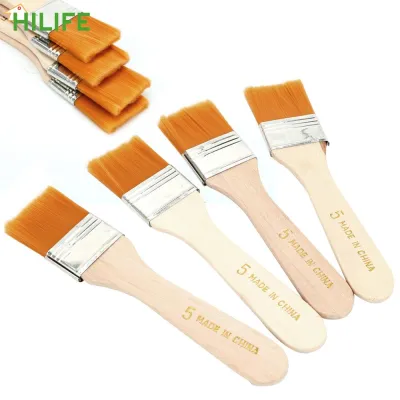
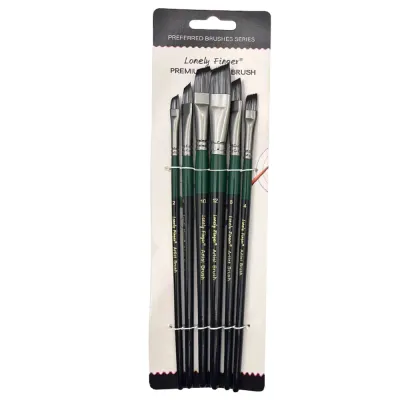
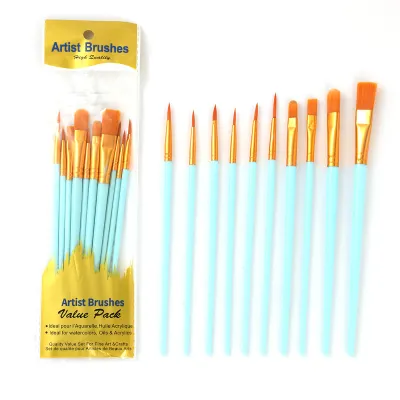
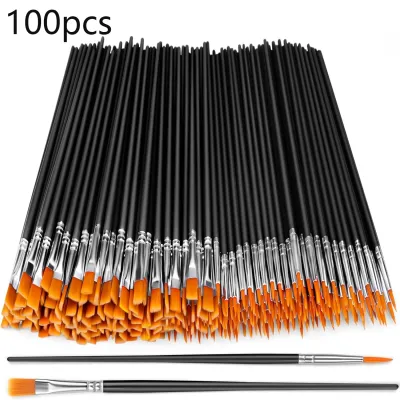
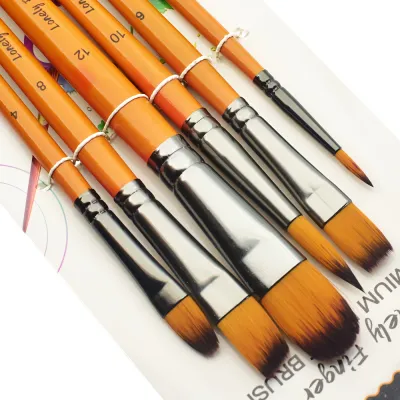
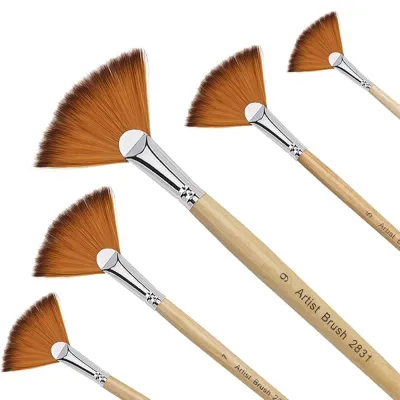
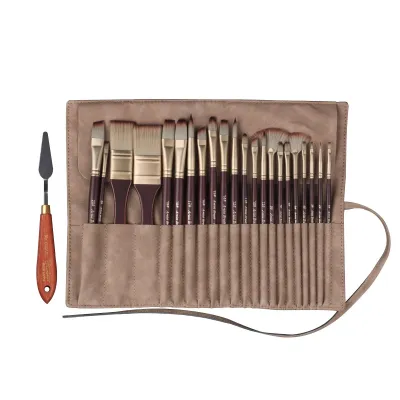
Prices are valid at publication and may change. Please refer to the product page for the latest price.
The handle itself plays a critical role in ergonomics and control. Hold the brush as you would while painting to assess its weight and balance. The handle, typically made of hardwood like birch or oak, should feel balanced in your hand, neither front-heavy nor back-heavy. Long handles are designed for easel painting, allowing you to work from an arm’s length, while short handles are tailored for close-up, detailed work. The lacquer coating on the handle must be smooth and entirely free of cracks. In humid climates like Singapore, any crack in the lacquer can allow moisture to seep into the wood, causing it to swell, warp, and eventually loosen the ferrule.
Finally, review the brand’s warranty or defect replacement policies. Reputable manufacturers often provide clear guidelines and support for manufacturing defects. A brand that offers straightforward recourse for issues like premature shedding or loose ferrules demonstrates confidence in its quality control standards, giving you peace of mind when making a significant investment.
What to Look for in a Watercolor Brush Brand
Watercolor painting relies heavily on fluid control, making water-holding capacity, snap, and fine point retention the primary criteria for evaluating a watercolor brush brand. Traditionally, natural hair—specifically Siberian Kolinsky sable or squirrel hair—has been the gold standard due to microscopic scales along the shaft that hold large volumes of water and release it gradually. However, high-grade synthetic alternatives made from specialized polyester or nylon filaments are increasingly engineered to mimic these natural properties. When choosing a brand, look for clear labeling that specifies whether the bristles are natural, synthetic, or a blend of both.

A reputable watercolor brush brand must offer a diverse variety of shapes within its catalog. Look for brands that provide comprehensive selections of rounds, flats, mops, and detail brushes. Round brushes are the workhorses of watercolor, requiring a perfect balance of “snap” (the ability of the bristles to spring back to their original shape after a stroke) and a sharp, reliable point. Mop brushes, on the other hand, prioritize maximum water capacity for laying down broad washes without leaving harsh brush marks.
To verify a brand’s water-holding and point-retention claims, perform a simple wet test if a physical sample is available. Dip the brush in water and lift it; the bristles should instantly draw together into a crisp, singular point without any stray hairs splaying outward. When you press the wet brush against paper, it should bend smoothly and spring back to its original shape the moment it is lifted.
Delicate watercolor brushes require meticulous maintenance to preserve their shape and performance. Check if the brand provides detailed care instructions. Quality brands will advise washing the bristles with cool water and a mild, natural soap, reshaping the head while wet, and drying the brushes flat or hanging upside down. Storing wet brushes upright allows water to pool inside the ferrule, which can dissolve the adhesive and ruin the brush.
What to Look for in an Acrylic Brush Brand
Acrylic paint consists of pigment suspended in an acrylic polymer emulsion, which is highly alkaline and abrasive. Consequently, natural hair brushes degrade rapidly when used with acrylics. When evaluating an acrylic brush brand, focus on those that specialize in high-quality synthetic filaments, such as interlocked nylon or polyester. These synthetic fibers are chemically resistant and offer the necessary stiffness and spring to push heavy-bodied acrylic paints across textured canvases.
Review the brand’s product descriptions to understand the stiffness rating of their synthetic lines. Heavy body acrylics require stiff, resilient bristles that can hold their shape under pressure, while fluid acrylics and inks are better suited to softer synthetic fibers. A versatile brand will offer multiple synthetic lines tailored to these different paint viscosities.
Because acrylic paint dries quickly and becomes water-insolvent, paint buildup near the ferrule is a common issue that can ruin a brush. Some innovative brands apply proprietary non-stick or easy-clean treatments to their synthetic filaments. These coatings prevent the acrylic polymer from adhering tightly to the fibers, making it much easier to rinse the paint away before it cures.
Additionally, pay close attention to the ferrule glue line on acrylic brushes. Because acrylic painting involves frequent rinsing and soaking in water, the adhesive inside the ferrule must be completely waterproof and sealed against paint seepage. Inspect the base of the bristle bundle where it enters the ferrule; there should be a clean, uniform seal with no visible gaps or excess glue spilling onto the bristles.
What to Look for in an Oil Brush Brand
Oil painting involves heavy, viscous mediums and requires brushes that can withstand both the physical weight of the paint and the chemical harshness of solvents like mineral spirits, turpentine, and brush cleaners. Traditional hog bristle—often sourced from Chungking, China—is the classic choice for oil painting. These bristles feature naturally split ends, known as “flags,” which hold a large amount of heavy paint and distribute it evenly. When evaluating an oil brush brand, check their specifications for the grade and stiffness of their hog bristle offerings.
For artists who prefer synthetic options or work with delicate glazing techniques, some brands offer modern, solvent-resistant synthetic brushes designed specifically for oil paint. Whether you choose natural hog bristle or synthetic fibers, it is critical to verify that the brand uses solvent-resistant adhesives to secure the bristles inside the ferrule. If the adhesive is soluble in mineral spirits, the brush will shed excessively after its first few cleanings.
Traditional oil painting is typically executed at an easel, which requires long-handled brushes. A quality oil brush brand will offer its entire range in long-handle formats, usually measuring around 30 centimeters. The handle must be perfectly balanced to offset the weight of the heavy metal ferrule and bristle head, allowing you to paint comfortably for extended periods.
Proper conditioning is essential to prevent oil brushes from becoming dry and brittle over time. Solvents strip the natural oils from hog bristles, leading to breakage. Look for brands that offer or recommend specific brush conditioners or natural oil soaps. Following the manufacturer’s guidelines for cleaning and conditioning will ensure your oil brushes maintain their spring and shape for years.
Where to Buy and How to Verify Authenticity
To ensure you are purchasing genuine, high-quality artist brushes, buy directly from authorized art supply retailers or specialized stationery stores rather than relying on general online marketplaces. Authorized distributors maintain direct relationships with manufacturers, ensuring that the brushes are stored in climate-controlled environments and handled with care.
Upon receiving your brushes, conduct a thorough physical inspection before using them. Genuine professional brushes are almost always shipped with protective plastic sleeves over the brush heads to prevent the bristles from bending during transit. Check the packaging for any signs of tampering, and ensure the brand’s logo and model numbers printed on the handle are crisp, clear, and free of spelling errors.
Before making a purchase, verify the retailer’s return and exchange policy. A reputable seller will offer a clear return window for manufacturing defects, such as a loose ferrule, a cracked handle, or excessive shedding during the initial rinse. Avoid third-party sellers on open ecommerce platforms who offer professional-tier brushes at suspiciously low prices. If a set of premium sable brushes that normally retails for S$150 is being offered for S$20, it is highly likely a counterfeit or a damaged, discarded batch.
Frequently Asked Questions (FAQ)
Can I use the same brush brand for watercolor, acrylic, and oil?
While some brands manufacture multi-medium brushes, using the exact same physical brush for different mediums is highly discouraged. Acrylic resins dry rapidly and can leave microscopic residues that ruin the delicate water-holding capacity and fine point of watercolor brushes. Similarly, the harsh solvents used in oil painting will degrade synthetic watercolor fibers. To preserve the performance and lifespan of your tools, maintain separate, dedicated sets of brushes for each medium, even if they are from the same brand.
Is it worth buying professional-grade brands as a beginner?
For beginners, investing in highly expensive professional-grade natural hair brushes is rarely necessary and can be counterproductive. Beginners are more likely to damage delicate brushes through improper cleaning, leaving paint to dry in the ferrule, or scrubbing too hard on rough surfaces. It is wiser to start with high-quality student-grade synthetic lines from reputable brands. These lines offer excellent durability, forgiving performance, and a lower price point (often costing only a few S$ per brush), allowing you to master proper brush care and painting techniques before upgrading.

Community discussion
Share your experience or ask a question. Comments are reviewed before publication.