
Transforming a blank wall in your home into an interactive learning station is one of the most effective ways to support early childhood development. In space-constrained homes, such as typical Singapore HDB flats, finding room for a large, freestanding easel can be challenging. A magnetic whiteboard sticker solves this space dilemma by turning standard walls, doors, or cupboards into multi-functional learning areas where children can practice spelling with magnetic letters, draw, and solve math puzzles. However, selecting the right sticker requires balancing safety, magnetic hold, and ease of cleaning to ensure it remains a helpful educational tool rather than a frustrating wall-peeling hazard.
To find the best option for your child’s learning activities, you must look beyond generic labels and evaluate specific material properties. The ideal magnetic whiteboard sticker must possess a thick, iron-infused base to hold heavy educational magnets, a high-quality surface that resists staining, and a safe, non-toxic adhesive that will not ruin your home’s paintwork. By understanding these essential technical details and examining how different brand categories perform, you can confidently choose a product that fits your living space, budget, and child’s educational needs.
What to Look For: Safety, Magnetism, and Surface Quality
When evaluating magnetic whiteboard stickers for a child’s playroom or study area, several technical specifications directly impact the product’s daily usability and safety. Because children interact closely with these surfaces—frequently touching the board, handling markers, and moving magnetic toys—you cannot treat these stickers as simple office supplies.
Products mentioned in this guide
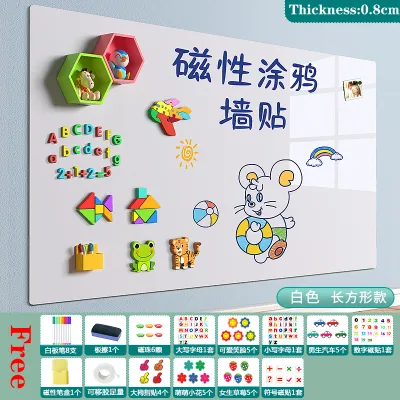
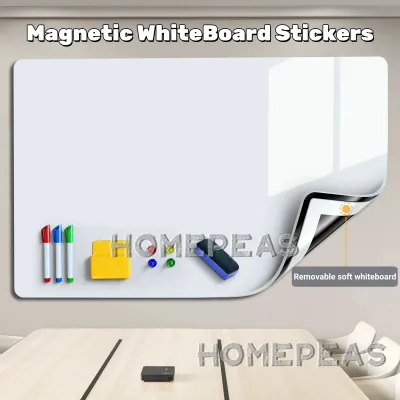
![[120*200cm] magnetic board for wall sticker thickness1.5mm magnetic whiteboard sheet wall paste on wall white board magnetic sticker magnetic wall board whiteboard wall sticker magnetic blackboard static whiteboard](https://img.lazcdn.com/g/p/91e1db6060898f370a466e5f69640a89.png_400x400q80.png_.webp)
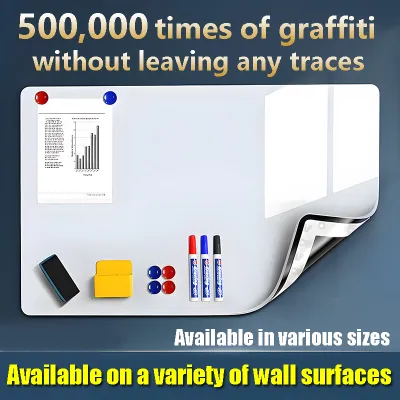
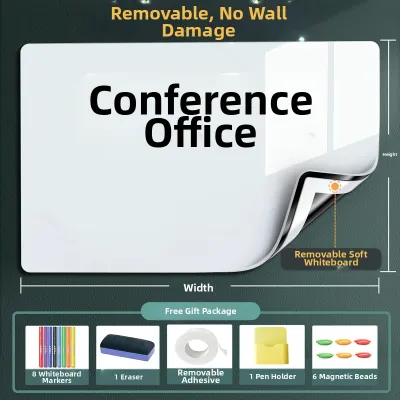
Prices are valid at publication and may change. Please refer to the product page for the latest price.
Magnetic Strength and Thickness One of the most common complaints about magnetic whiteboard stickers is their inability to hold standard magnetic letters. Unlike solid steel whiteboards, flexible stickers rely on an iron-powder-infused rubber or vinyl layer to attract magnets. The thickness of this base layer, often measured in millimeters or gauge, determines its magnetic attraction. For educational activities involving heavy wooden or plastic magnetic letters, look for a sticker with a minimum thickness of 0.6mm to 1.0mm. Thinner sheets (under 0.5mm) are typically only strong enough to hold lightweight paper with flat, magnetic strips and will cause bulky plastic letters to slide down the wall.
Surface Quality and Erasing A high-quality dry-erase surface is critical for maintaining an inviting learning environment. Look for stickers featuring a polyethylene terephthalate (PET) or high-grade polyvinyl chloride (PVC) top film. PET surfaces generally offer superior durability and chemical resistance, preventing marker pigments from penetrating the material—a common issue known as “ghosting.” A premium surface should allow dry-erase marker ink to dry quickly without bleeding and wipe away cleanly with a dry microfiber cloth, even after several days of exposure. If the manufacturer does not specify the surface material, you can perform an observable trial by writing a small stroke with a low-odor dry-erase marker in an inconspicuous corner, waiting 24 hours, and checking if it erases without leaving a gray shadow.
Safety Certifications Because young children have prolonged skin contact with the whiteboard and sometimes transfer their hands to their mouths, verifying the chemical safety of the sticker is paramount. Look for products that explicitly state compliance with international toy safety standards, such as ASTM F963 (United States) or EN71 (Europe). These certifications ensure that the vinyl, magnetic backing, and adhesives are free from harmful heavy metals, phthalates, and volatile organic compounds (VOCs). Always check the product packaging or request a manufacturer’s product safety sheet to confirm these credentials before installing the sticker in a child’s bedroom.
Adhesive Type and Wall Compatibility Whiteboard stickers are available with either permanent or removable adhesives. Permanent options provide a strong, bubble-free bond but are highly likely to tear drywall paper or peel paint when removed. For rented apartments or rooms that may require future rearrangement, a removable, pressure-sensitive acrylic adhesive is highly recommended. These wall-safe adhesives allow you to reposition the sticker during installation and peel it away cleanly later. However, before applying any adhesive product to your wall, always consult your paint manufacturer’s guidelines and test a small, hidden area of the wall to ensure the adhesive does not react with the specific paint finish.
Top Brand Categories to Evaluate for Home Learning
The market for magnetic whiteboard stickers is diverse, ranging from professional office supplies to specialized early childhood educational brands. Rather than searching for a single “best” brand, it is more practical to evaluate three main product categories based on your specific learning setup, budget, and customization preferences.

Established Office and School Brands
Traditional office and school stationery brands offer highly reliable dry-erase surfaces designed for heavy daily use. These manufacturers prioritize writing performance, offering exceptionally smooth, professional-grade PET surfaces that resist ghosting and staining over years of service.
- Standard Sizing: These stickers typically come in standardized, pre-cut rectangular dimensions (such as 60×90 cm or 90×120 cm), making them ideal for creating structured, classroom-like learning zones.
- Magnetic Considerations: While their writing surfaces are excellent, some office-oriented stickers are designed primarily for lightweight magnetic pins or paper sheets. Before purchasing, verify if the magnetic backing is rated for heavier educational manipulatives like wooden phonics blocks or thick plastic letters.
- Price Range: These professional-grade options generally sit in a mid-to-high price tier, typically ranging from S$35 to S$80 depending on the dimensions.
Craft and DIY Magnetic Rolls
For parents who want to integrate learning stations seamlessly into a playroom theme, flexible magnetic rolls and sheets offer unmatched creative freedom. Sold by the meter or in large rolls, these materials can be easily customized at home.
- Custom Shapes: Using standard heavy-duty utility shears, you can cut these flexible rolls into engaging, child-friendly shapes such as trees, houses, animals, or giant letters before peeling off the backing.
- Edge Integrity and Thickness: When choosing a DIY roll, pay close attention to the overall thickness. Ensure the dry-erase laminate is securely bonded to the magnetic base; poor-quality DIY rolls may begin to peel or fray at the cut edges over time, especially in high-humidity areas.
- Price Range: These rolls are highly cost-effective for large-scale projects, usually costing between S$15 and S$40 per meter.
Kids-Specific Educational Magnetic Boards
Products designed specifically for early childhood education focus heavily on safety, visual appeal, and interactive play. These brands often package their magnetic stickers with complete learning kits.
- Child-Friendly Features: You will often find these stickers styled with rounded corners to prevent sharp edges, colorful silicone borders, or pre-printed educational templates like writing grids, music staffs, or phonics columns.
- Magnetic Strength Verification: Do not assume that a product marketed for kids automatically has strong magnetic properties. Some decorative "kids' boards" use a very thin iron-powder layer that struggles to hold anything heavier than a flat magnetic strip. Always check user feedback or product specifications to verify the actual magnetic pull strength before buying.
- Price Range: These specialized kits often carry a premium price tag, typically ranging from S$40 to S$100+, which frequently includes accessories like non-toxic markers, magnetic letters, and erasers.
Safe Installation and Wall Protection in Humid Climates
Installing a large adhesive sheet requires careful preparation, particularly in tropical, high-humidity environments like Singapore. High ambient moisture can affect adhesive performance, trap dampness behind the sticker, or lead to wall damage if not handled correctly.
Wall Preparation Before peeling the backing off your magnetic whiteboard sticker, you must prepare the wall surface to ensure a secure, long-lasting bond. Start by wiping the wall with a dry microfiber cloth to remove dust, oil, and loose paint particles. If the wall has stubborn grime, clean it with a mild, diluted soap solution, but allow the plaster or drywall to dry completely for at least 24 to 48 hours before application. In humid climates, trapping moisture behind an airtight vinyl sticker can lead to mold growth or cause the adhesive to degrade prematurely, causing the corners of your whiteboard to curl.
Safe Removal Techniques When it is time to relocate the learning station or restore a room to its original state, hasty peeling can rip off chunks of wall paint or drywall paper. To protect your walls, use a handheld hairdryer on a low-to-medium heat setting to gently warm the surface of the sticker. Work systematically from one corner, applying heat to soften the acrylic adhesive before slowly pulling the sticker back at a 180-degree angle parallel to the wall. This controlled heat application minimizes the risk of paint transfer and leaves less sticky residue behind.
Surface Maintenance and Conditioning To keep the writing surface in optimal condition, establish a safe cleaning routine. Avoid harsh chemical solvents, alcohol-based glass cleaners, or abrasive scrubbing pads, which can strip away the protective dry-erase topcoat and leave the surface vulnerable to permanent staining. Instead, use a soft microfiber cloth dampened with water or a mild, child-safe whiteboard cleaner specifically formulated for PET surfaces. For a brand-new sticker, many manufacturers recommend “conditioning” the surface before its first use by wiping it down with a clean, damp cloth and drying it thoroughly; this removes any manufacturing residues that might cause initial marker ink to bead up or ghost.
Setting Up an Effective Learning Station with Magnetic Letters
An interactive learning wall is only as effective as its physical setup. By organizing the space thoughtfully, you can encourage independent play, support your child’s physical comfort, and prolong the lifespan of your magnetic whiteboard sticker.
Ergonomic Placement When mounting the sticker, position the center of the active learning area at your child’s eye level when they are standing comfortably. If the sticker is placed too high, the child will strain their neck and shoulders; if it is too low, they may hunch over, leading to poor posture. For toddlers and preschoolers, a vertical height where the bottom of the sticker sits approximately 30 to 40 centimeters off the floor is often ideal, allowing them to transition easily between sitting on a play mat and standing to arrange their magnetic letters.
Activity Integration A magnetic whiteboard sticker provides a dynamic canvas for combining writing and tactile manipulation. You can draw horizontal guide lines directly on the board with a dry-erase marker to help your child align their magnetic letters when practicing spelling or phonics. For early math skills, draw simple circles or boxes on the board and ask your child to place the corresponding number of magnetic letters or shapes inside them. This multi-sensory approach—combining visual drawing with the physical movement of magnetic pieces—significantly enhances retention and engagement.
Preventing Slippage To ensure that magnetic letters and numbers remain firmly in place during active play, keep both the backing magnets and the whiteboard surface clean. Dust, marker residue, and finger oils can accumulate on the board, reducing the surface friction that prevents magnets from sliding down. Periodically wipe the back of each magnetic letter with a dry cloth to remove accumulated dust. Additionally, instruct children to avoid overlapping magnetic pieces, as stacking magnets reduces their contact area with the iron-infused sticker, causing them to slip and fall.
Frequently Asked Questions (FAQ)
Can standard magnetic whiteboard stickers hold wooden magnetic letters?
Whether a sticker can hold wooden magnetic letters depends on the sticker’s magnetic thickness and the weight-to-magnet ratio of the letters. Wooden letters are significantly heavier than hollow plastic ones, requiring a stronger magnetic pull to overcome gravity. To use wooden letters successfully, select a magnetic whiteboard sticker with a thickness of at least 0.8mm to 1.0mm. Additionally, ensure the wooden letters themselves feature flush, high-quality rubber magnets that cover a large portion of their back surface to maximize contact and friction.
Is the adhesive on magnetic whiteboard stickers toxic?
High-quality whiteboard stickers designed for home and school environments use non-toxic, solvent-free acrylic adhesives that do not release harmful volatile organic compounds (VOCs). However, lower-grade industrial adhesives may emit a strong chemical odor during the first few days after installation. To ensure safety, check the product packaging for child-safe certifications, and ensure the room is well-ventilated during and immediately after installation. If you are highly sensitive to chemical smells, look for brands that explicitly state their adhesive is water-based and VOC-free.
Why do my magnetic letters keep sliding down the whiteboard sticker?
Magnetic letters sliding down a whiteboard sticker is usually caused by one of three issues: an insufficient iron-powder density in the sticker’s backing, weak or uneven magnets on the letters themselves, or a buildup of dust and marker residue on the writing surface. To resolve this, first clean both the whiteboard surface and the back of the letters with a dry microfiber cloth to restore friction. If the sliding persists, the letters may be too heavy for the sticker’s magnetic gauge, in which case switching to lightweight, flat foam magnetic letters is often the most effective solution.

Community discussion
Share your experience or ask a question. Comments are reviewed before publication.