
The ideal wall-mounted magnetic board for early childhood learning combines a highly receptive magnetic surface with a durable, easy-to-clean writing face. When teaching letters and numbers at home, the board must hold educational magnets securely while resisting the wear and tear of daily marker use. Selecting the right board requires balancing surface quality, magnetic pull strength, safety features, and installation requirements to create an engaging, secure learning space.
In a home learning environment, a wall-mounted board serves as a central hub for interactive play, spelling practice, and basic arithmetic. Unlike tabletop alternatives, a fixed wall board encourages upright posture, gross motor development, and collaborative learning between parents and children. To make an investment that lasts from toddlerhood through early primary school, you must evaluate how different materials, formats, and safety features align with your home’s layout and your child’s developmental needs.
Key Features to Evaluate for Early Childhood Learning
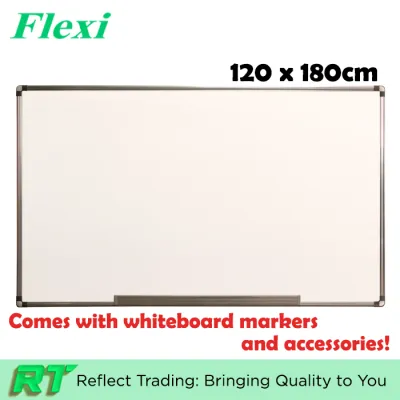
The surface material of a magnetic board directly impacts its longevity and usability. Dry-erase surfaces are typically made from painted steel, porcelain-on-steel, or glass. For early childhood education, painted steel and porcelain are the most common choices. Painted steel is lightweight and cost-effective, though it requires regular maintenance to prevent staining over time. Porcelain-on-steel, often referred to as ceramic, offers superior scratch resistance and durability, making it highly suitable for heavy daily use by enthusiastic young learners.
Products mentioned in this guide
Prices are valid at publication and may change. Please refer to the product page for the latest price.
Before purchasing, always check the manufacturer’s labels to verify marker compatibility. Some magnetic boards are designed solely to hold magnets and do not support dry-erase markers, while others feature specialized coatings for chalk or liquid chalk markers. Using dry-erase markers on a non-compatible surface can lead to permanent staining, rendering the board useless for writing exercises. Confirming that the surface is explicitly rated as “dry-erase” or “write-on, wipe-off” ensures you can seamlessly transition between magnetic letter play and handwriting practice.
Magnetic pull strength is another critical factor when evaluating boards for educational accessories. A board’s magnetic receptivity depends on the thickness and composition of the underlying steel layer. If the steel sheet is too thin, lightweight plastic letters with small, weak magnets will slide down the board or fall off entirely. This slipping can frustrate young children who are trying to spell words or arrange numbers. To verify magnetic strength, look for boards that specify a solid steel backing rather than a thin metallic foil or magnetic paint layer.
Visual contrast and glare reduction are essential for maintaining a child’s focus and protecting their developing eyesight. High-contrast surfaces, such as a crisp white dry-erase board or a deep black chalkboard, make colorful magnetic letters and marker strokes stand out clearly. However, glossy surfaces can reflect overhead lighting or natural light from windows, creating distracting glare. When positioning the board, observe how light hits the surface from different angles. Opting for a semi-matte or low-glare finish can significantly improve readability and comfort during extended learning sessions.
Matching Board Formats to Your Space and Teaching Style
Magnetic boards come in several distinct formats, each suited to different home environments and teaching approaches. Rigid framed boards are the traditional choice, featuring a solid backing and a metal or wooden frame. These boards offer a perfectly flat, stable writing surface that does not flex when a child presses against it. They are highly durable and can be moved to different rooms if your learning setup changes, though they require secure mounting hardware to support their weight.

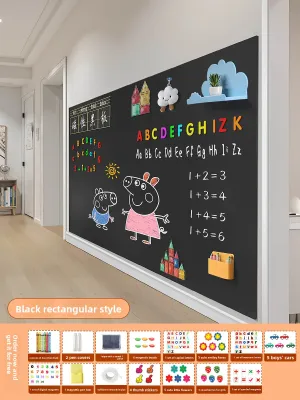
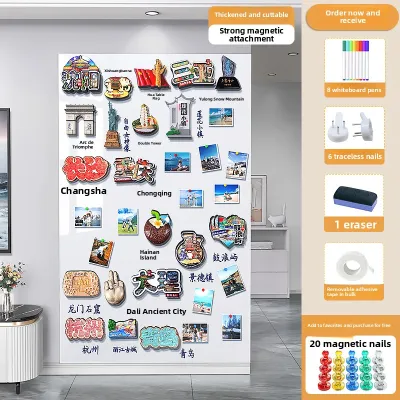
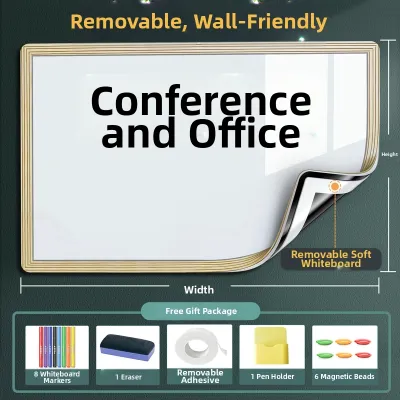
For homes with limited space or curved walls, flexible magnetic rolls or adhesive sheets offer an alternative solution. These products can be cut to size and applied directly to a wall, door, or cabinet surface. While they save space and eliminate the need for heavy mounting hardware, their magnetic pull is often weaker than that of rigid steel boards. Additionally, any texture on the underlying wall will telegraph through the flexible sheet, potentially creating a bumpy writing surface that makes drawing and writing difficult for young hands.
Hybrid chalkboard surfaces combine the tactile experience of chalk with magnetic functionality. Many parents prefer the classic look of a magnetic chalkboard, which can encourage creative drawing alongside structured letter practice. However, chalk generates dust, which may not be ideal for children with respiratory sensitivities or for carpeted play areas. If you choose a hybrid surface, verify whether it supports dustless chalk or liquid chalk markers, and ensure the surface can be cleaned thoroughly without leaving ghosted outlines.
Selecting the right board dimensions requires careful consideration of your available wall space and your child’s physical reach. A board that is too small will limit the complexity of spelling and math activities, while a board that is too large may be difficult for a young child to utilize fully. Measure the designated wall area and consider your child’s height. The board should be mounted at a height where the middle of the writing surface aligns with the child’s chest level, allowing them to reach both the top and bottom of the active learning area comfortably without straining.
Accessory storage is a practical detail that can greatly influence the daily usability of your learning station. Many rigid boards feature built-in marker trays along the bottom frame, providing a convenient spot to store dry-erase markers, erasers, and a few magnetic letters. If the board you select does not include a tray, you will need to source separate magnetic cups or wall-mounted bins to keep accessories organized. Having a dedicated storage solution close at hand encourages children to clean up after their lessons and keeps educational tools from getting lost around the home.
Safety and Installation Checks for Home Use
Safety must be the primary consideration when installing any heavy object in a child’s play area. For rigid framed boards, examine the quality of the edge finishing and the materials used in the frame. Sharp metal corners or splintered wooden edges pose a direct risk to active children. Look for boards designed with rounded plastic corner caps or smoothly sanded wooden frames. The frame should be securely fastened to the board itself, with no loose screws, staples, or sharp brackets exposed to curious fingers.
Do not assume that all writing surfaces are inherently safe for children. When selecting a board, check the product labels and manufacturer specifications for non-toxic surface claims. Children frequently touch the board and may occasionally put their hands in their mouths during play. Ensuring the dry-erase coating or chalkboard paint is certified non-toxic and free from harmful volatile organic compounds (VOCs) provides peace of mind. This check is particularly important for flexible adhesive rolls, which may contain strong chemical adhesives that emit odors when first unpacked.
Secure installation is vital to prevent the board from falling and causing injury. Standard mounting hardware included in the box may not be suitable for your specific wall type, whether it is drywall, concrete, or brick. For drywall installations, always use high-quality wall anchors or mount the board directly into wooden wall studs. If you live in a high-humidity climate, such as Singapore, ensure the mounting brackets are rust-resistant and that the wall itself is dry to prevent the board from warping or pulling away from the surface over time.
Before hanging the board, consult the manufacturer’s installation instructions to verify weight limits and recommended mounting points. Many large boards require four-corner mounting rather than a single hanging wire to ensure they remain completely stable when a child writes or pulls magnets off the surface. A board that wobbles or shifts during use can be frustrating for a child and may gradually loosen the wall anchors. Taking the time to perform a sturdy, multi-point installation ensures a safe and reliable learning environment for years to come.
Building Your Shortlist: A Step-by-Step Selection Framework
To narrow down your options and find the perfect board, start by defining the primary learning activities your child will engage in. If the focus is on letter tracing and handwriting practice, a high-quality, ultra-smooth porcelain dry-erase surface is highly recommended, as it allows markers to glide effortlessly and erase without leaving stains. For activities centered around spelling with magnetic letters or building patterns, a larger surface area with strong magnetic pull is more critical than dry-erase performance. Understanding how the board will be used helps you prioritize either surface smoothness or magnetic strength.
Next, verify the contents of the product package to determine if educational accessories are included. Some magnetic boards are sold as complete kits, featuring a set of magnetic letters, numbers, markers, and erasers. While these bundles offer convenience, the quality of the included accessories can vary. If you already own a high-quality set of educational magnets, or if you prefer a specific brand of non-toxic markers, purchasing a standalone board may be more cost-effective. Always check the product description carefully to avoid unexpected secondary purchases.
When sourcing magnetic letters and numbers separately, pay close attention to safety warnings and age appropriateness. Many educational magnets contain small parts or small, high-powered magnets that can pose a severe choking and ingestion hazard for children under three years of age. Look for letters made from solid, molded plastic with fully enclosed or integrated magnetic backings, rather than exposed disc magnets that could detach. Verifying these safety details ensures that your child’s learning tools are appropriate for their developmental stage and safe for independent play.
Finally, review the manufacturer’s warranty and return policies before making your final purchase. Magnetic boards can occasionally suffer from manufacturing defects, such as bubbling of the dry-erase layer, peeling edges, or uneven magnetic pull across the surface. A reliable warranty that covers surface defects and structural integrity indicates the manufacturer’s confidence in their product. Additionally, check the return policy of the retailer to ensure you can easily exchange the board if it arrives damaged or does not meet your expectations for magnetic strength.
Frequently Asked Questions (FAQ)
Can I use regular fridge magnets on a wall-mounted magnetic board?
Yes, you can generally use regular fridge magnets on a wall-mounted magnetic board, but their performance will depend on the board’s construction. Standard household magnets vary widely in weight and magnetic strength. Because wall-mounted boards often have a thinner steel layer than a refrigerator door, heavy or weak decorative magnets may slide down the surface. For educational activities, it is best to use lightweight, flat magnets designed specifically for whiteboard use. Always test a few pieces first to ensure they hold securely without scratching the board’s protective surface coating.
How do I remove ghosting or stubborn marker stains from the board?
To remove ghosting or stubborn stains, start by using a clean, dry microfiber cloth to wipe away loose residue. If stains persist, check the manufacturer’s care label before applying any liquid cleaners, as harsh chemicals can permanently damage the dry-erase coating. For most boards, a mild whiteboard cleaning spray or a damp cloth with a drop of gentle dish soap is safe and effective. Avoid using abrasive sponges, window cleaners, or solvents like acetone, which can strip away the protective surface layer and make the board more prone to staining in the future.
Are magnetic letters and numbers usually included with the board?
Whether magnetic letters and numbers are included depends entirely on the specific product bundle. Many wall-mounted boards are sold as standalone items, allowing you to choose your own accessories. Other products are marketed specifically as educational kits and come complete with letters, numbers, and writing tools. When reviewing product listings, read the package contents carefully to see what is included. If accessories are bundled, verify that they carry appropriate age recommendations and safety certifications, particularly regarding choking hazards for younger children.

Community discussion
Share your experience or ask a question. Comments are reviewed before publication.