
Selecting the right bubble wrap in Singapore is not about finding a single, universally superior brand, but rather about matching specific material grades and physical properties to your unique packaging requirements. In Singapore’s thriving e-commerce ecosystem and active residential moving market, using inadequate protective materials can lead to costly product damage, customer returns, and logistical headaches. Whether you are preparing delicate glassware for a domestic move, shipping sensitive industrial electronics overseas, or managing daily fulfillment for an online store, understanding how to evaluate bubble wrap specifications ensures your items remain fully protected throughout their journey.
When sourcing packaging materials, searching for terms like “wraping bubble” on local e-commerce platforms often yields hundreds of generic listings. To make an informed decision, you must look past basic marketing claims and focus on measurable quality indicators such as bubble height, plastic density, material composition, and specialized protective coatings. By systematically evaluating these technical factors, you can secure reliable packaging that minimizes shipping volume while maximizing shock absorption.
Key Criteria for Evaluating Bubble Wrap Quality and Reliability
To establish a reliable packaging workflow, you must first understand the physical properties that dictate bubble wrap performance. The most fundamental variable is bubble size, which generally falls into two categories: small bubbles (typically 10 millimetres in diameter and 4 millimetres in height) and large bubbles (typically 25 millimetres in diameter and 10 millimetres in height). Small bubbles are designed primarily to prevent surface scratches, abrasions, and minor impacts on lightweight items, whereas large bubbles provide the deep cushioning and shock absorption required to protect heavier, highly fragile objects from drops and vibrations.
Products mentioned in this guide
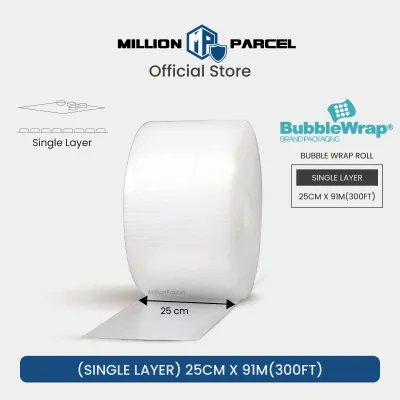
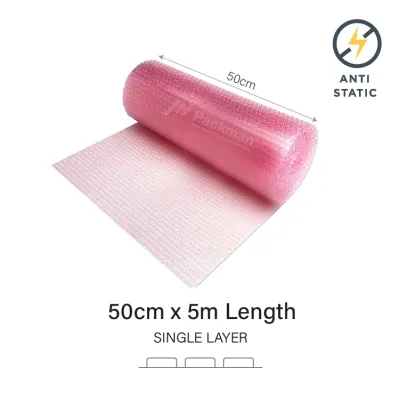
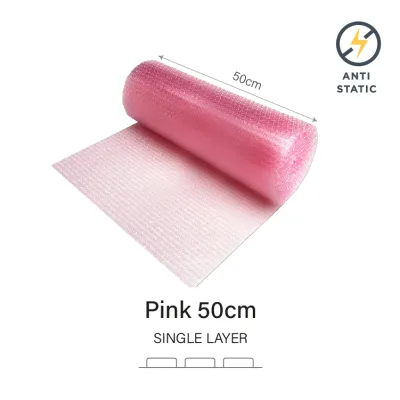
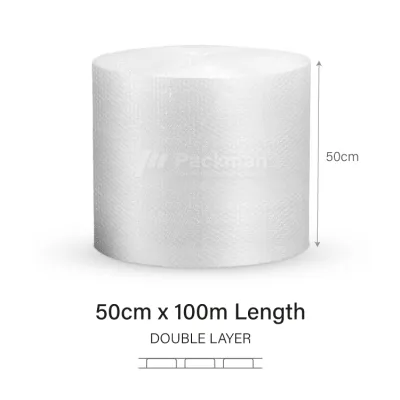
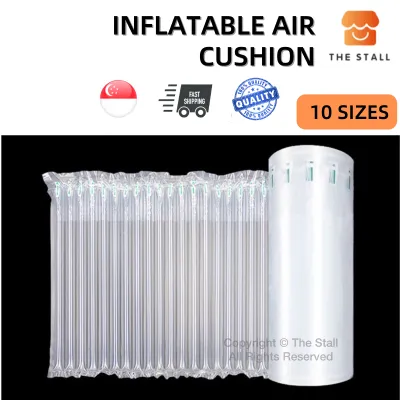
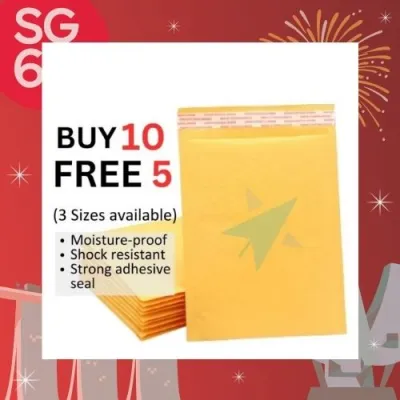
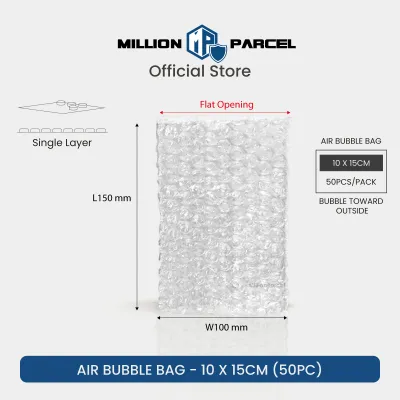
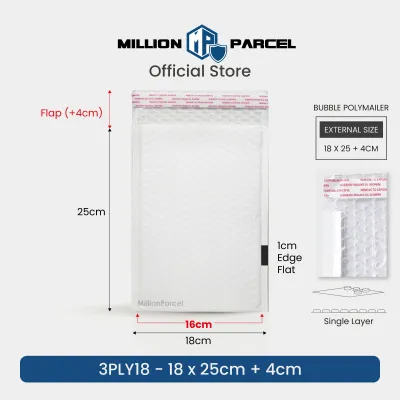
Prices are valid at publication and may change. Please refer to the product page for the latest price.
Material composition is another critical indicator of durability and air retention. High-quality bubble wrap is manufactured using virgin low-density polyethylene (LDPE), which offers excellent clarity, high tensile strength, and superior resistance to popping under pressure. Many suppliers also offer rolls containing recycled polyethylene; while these are highly sustainable and cost-effective, they may exhibit slightly lower air retention over extended periods and a less transparent appearance. When evaluating suppliers, request technical specification sheets to verify the percentage of post-consumer recycled content and ensure the film thickness (measured in microns) meets your structural requirements.
For businesses managing high-volume packing operations, perforation quality directly impacts daily productivity. Premium bubble wrap rolls feature clean, evenly spaced perforations—typically every 30 or 50 centimetres—that allow packers to tear off precise sheets quickly without stretching the plastic or accidentally popping adjacent bubbles. Poorly perforated rolls lead to material waste, uneven tears, and significant delays in the packing line, making it essential to test the tearing ease of any prospective material.
Finally, specialized shipping scenarios require specific material treatments, most notably anti-static properties. Standard plastic films naturally generate electrostatic discharge (ESD) through friction during transit, which can instantly destroy sensitive electronic components. Anti-static bubble wrap is treated with specialized additives that prevent the buildup of static electricity. This material is easily identifiable by its distinct pink color, and buyers should always verify that the supplier’s product labels confirm compliance with standard surface resistivity ranges before wrapping electronic goods.
Matching Bubble Wrap Specifications to Your Packaging Scenarios
Different items demand distinct levels of physical protection, meaning your choice of bubble wrap must align precisely with the vulnerability of the object being shipped. For highly fragile items such as glassware, ceramics, porcelain, and delicate artwork, a multi-layered wrapping strategy is essential. Start by wrapping the item in a layer of small-bubble wrap to protect the delicate surface from scratches, then apply an outer layer of large-bubble wrap to absorb heavy external impacts. Ensure that all hollow spaces, such as the interiors of wine glasses or ceramic vases, are gently filled with packing paper or small bubble sheets to prevent internal structural collapse.

When handling electronics, computer components, printed circuit boards, and laboratory instruments, standard bubble wrap poses a severe risk due to static electricity. For these items, you must use pink anti-static bubble wrap. It is important to note that anti-static bubble wrap does not shield components from external electrostatic fields; it merely prevents the generation of static charges caused by the movement of the item inside the box. For comprehensive protection, place the electronic component inside a static-shielding bag first, seal it, and then wrap it securely in the pink anti-static material.
For general shipping of lightweight, non-fragile goods—such as cosmetics, books, apparel accessories, and packaged consumer goods—standard small-bubble wrap is the most practical and economical choice. It provides sufficient scratch protection and light cushioning without adding unnecessary bulk. In Singapore, where local courier services and international air freight providers calculate shipping costs based on dimensional weight (volumetric weight) rather than actual weight, keeping your package dimensions as compact as possible is crucial for controlling shipping expenses.
Heavy, dense, or sharp-edged items present a unique challenge, as their weight and sharp profiles can easily puncture standard plastic bubbles during handling. In these scenarios, standard bubble wrap is insufficient. You should seek out heavy-duty or reinforced variants, such as co-extruded bubble wrap, which features a multi-layer nylon barrier film that prevents air from escaping even under extreme, prolonged pressure. Alternatively, bubble wrap laminated with a layer of foam or heavy kraft paper provides an exceptionally tough barrier that resists punctures from metal parts, tools, or sharp wooden corners.
Sourcing and Verifying Bubble Wrap Suppliers in Singapore
Finding a reliable supply of bubble wrap in Singapore requires understanding the local market landscape and knowing how to verify supplier claims. Buyers generally choose between three main sourcing channels: specialized industrial packaging distributors, local stationery wholesalers, and general online marketplaces. Industrial packaging distributors are ideal for businesses requiring consistent quality, bulk discounts, and detailed technical data sheets. Stationery wholesalers offer excellent convenience for moderate quantities and quick local pickup, while online marketplaces are highly accessible for small-scale, occasional purchases but often suffer from highly variable product quality and inconsistent material thickness.
Before committing to a high-volume bulk purchase, it is highly recommended to request sample rolls or sheets from prospective suppliers to conduct basic physical quality checks. You can perform several simple, observable tests to verify the material’s integrity:
- Burst Strength Test: Squeeze several individual bubbles firmly between your thumb and forefinger. The plastic should offer noticeable resistance and require moderate pressure to pop. If the bubbles pop effortlessly, the film is likely too thin for commercial shipping.
- Seam Integrity Check: Compress a section of the wrap and observe whether air migrates from one bubble to adjacent bubbles. High-quality manufacturing ensures each bubble is completely sealed and isolated.
- Air Retention Test: Place a heavy object, such as a stack of books, on a sample sheet of bubble wrap and leave it overnight. Check the sheet the following day to ensure the bubbles have not deflated or lost their structural firmness.
Transparency regarding product specifications is a key indicator of a reputable supplier. Ensure your supplier explicitly states the roll’s exact width, total length, and film thickness rather than using vague descriptions like “standard roll” or “heavy-duty.” A lower price point often indicates a shorter roll or a thinner plastic gauge, which ultimately compromises protection and requires you to use more layers, offsetting any initial cost savings.
Additionally, consider the logistical constraints of storing and handling bulk packaging materials in Singapore. Large bubble wrap rolls—especially those with a width of 1.5 metres—are incredibly bulky and require significant storage space. If you are operating from a home office, a residential HDB flat, or a compact commercial unit, verify whether the supplier offers split-delivery options or smaller, bundled rolls. You should also confirm their delivery terms, including minimum order thresholds for free local delivery and whether their delivery vehicles can access locations with height restrictions, such as multi-story car parks or basement loading bays.
Proper Storage and Handling to Maintain Cushioning Performance
To ensure your bubble wrap maintains its protective qualities until it is ready for use, proper storage and handling practices are essential. Polyethylene is sensitive to environmental factors, and improper storage can lead to premature material degradation. In Singapore’s tropical climate, characterized by high ambient temperatures and elevated humidity levels, storing plastic films incorrectly can cause them to become brittle, sticky, or prone to losing air pressure.
Keep your bubble wrap rolls stored in a cool, dry, indoor environment away from direct sunlight. Prolonged exposure to ultraviolet (UV) radiation breaks down the polymer chains in polyethylene, making the plastic brittle and significantly reducing its burst strength. Additionally, avoid storing rolls near heat sources, such as warehouse tin roofs or machinery exhaust vents, as extreme heat can soften the plastic and cause the air inside the bubbles to expand and slowly leak through the seals.
When organizing your storage space, pay close attention to how the rolls are stacked. It is best to store large bubble wrap rolls upright on their flat ends rather than stacking them horizontally on top of one another. Stacking heavy rolls horizontally puts continuous, uneven pressure on the bottom layers, which can slowly flatten the bubbles and compromise their cushioning performance before they are ever applied to a product. If horizontal storage is unavoidable, use lightweight racking systems to distribute the weight evenly and prevent crushing.
From an environmental perspective, managing plastic waste responsibly is increasingly important for businesses and consumers in Singapore. Standard low-density polyethylene bubble wrap is fully recyclable, but it cannot be placed in standard blue household recycling bins, as soft plastics can tangle in automated sorting machinery. Instead, encourage your customers to reuse the bubble wrap for their own shipping or moving needs, or direct them to deposit clean plastic films at designated soft plastic recycling points located at major local supermarkets. For businesses aiming to minimize their environmental footprint, exploring paper-based bubble alternatives or sourcing rolls made from certified post-consumer recycled plastics can align your packaging operations with local sustainability goals.
Frequently Asked Questions (FAQ)
Does the side of the bubbles facing the item matter for protection?
Yes, the orientation of the bubble wrap is important for maximizing protection. As a general rule, the side with the raised bubbles should face inward, directly touching the surface of the item you are wrapping. This configuration allows the individual air pockets to contour closely around the object’s unique shape, securing it firmly in place and absorbing direct shocks. The flat, smooth side of the plastic should face outward, providing a consistent surface that resists snagging and makes it much easier to slide the wrapped item into a shipping box or mailing envelope. However, if you are wrapping items with highly sensitive, polished, or freshly painted finishes, wrapping with the flat side inward can occasionally be useful to prevent the plastic bubbles from leaving temporary circular imprints on the surface.
Can standard bubble wrap be used for long-term storage of collectibles?
Standard plastic bubble wrap is not recommended for the long-term archival storage of valuable collectibles, artwork, or delicate antiques. Over extended periods, especially in Singapore’s warm and humid climate, the polyethylene film can degrade and release plasticizers. This chemical degradation can cause the plastic to bond to the surface of your collectibles, leaving permanent circular marks, damaging paint, or tarnishing polished wood and metal finishes. Furthermore, plastic wrap can trap ambient moisture inside the packaging, creating a microenvironment that encourages mold growth or rust. For long-term preservation, always wrap your collectibles in acid-free archival tissue paper or specialized conservation-grade materials first, using standard bubble wrap only as an outer protective layer to shield the item from physical impacts during transport.

Community discussion
Share your experience or ask a question. Comments are reviewed before publication.