
To repair a bag successfully in Singapore, choosing a replacement zipper pull with a defined grip tread is the most effective way to restore both function and ease of use. Singapore’s tropical climate, characterized by high humidity and sudden downpours, makes smooth metal or plastic pulls notoriously difficult to grasp when wet or when hands are damp. A textured pull provides the mechanical friction needed to operate heavy-duty backpack zippers, luggage, or daily commuter bags without slipping. By focusing on the physical design of the tread and verifying compatibility with your existing slider, you can complete a durable repair that often outperforms the bag’s original hardware.
When a zipper pull breaks, many people assume they must replace the entire bag or undergo an expensive professional repair. However, swapping out a broken pull tab is a straightforward task that anyone can perform at home with minimal tools. The key to a successful upgrade lies in selecting a pull that matches the specific demands of your bag’s daily use. A pull with an engineered grip tread ensures that whether you are rushing through an MRT station in a sudden downpour or handling heavy travel gear, you can operate your zippers smoothly and reliably.
Why Grip Tread Matters for Bag Zippers
Grip tread on a zipper pull refers to any intentional, raised pattern or textured surface designed to increase friction between your fingers and the pull tab. Unlike smooth, decorative pulls that rely entirely on the pinch force of your fingers, textured pulls utilize mechanical interlocking. When you grasp a textured pull, your skin conforms slightly to the ridges, grooves, or knurling, allowing you to exert pulling force with significantly less effort. This design is particularly crucial for bags that are frequently packed to capacity, where the zipper track experiences high tension and requires substantial force to close.
Products mentioned in this guide
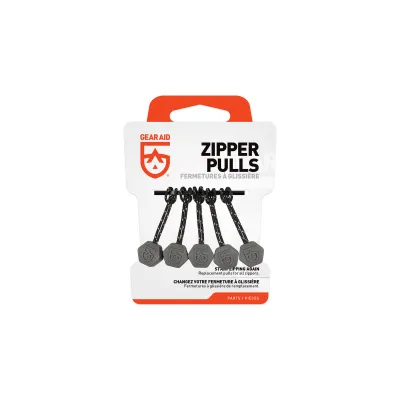
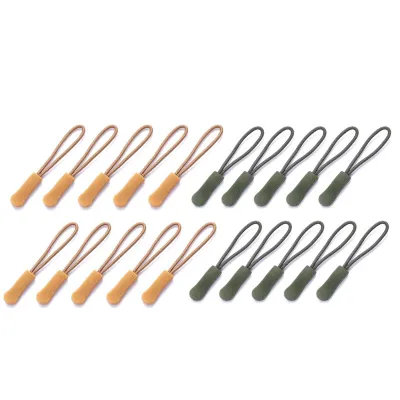
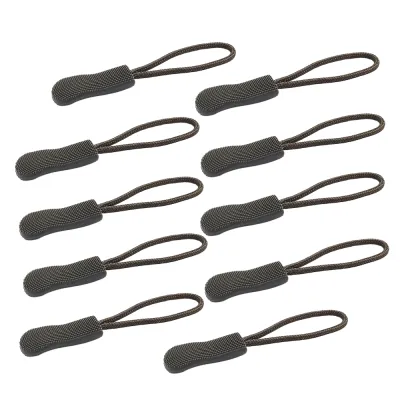
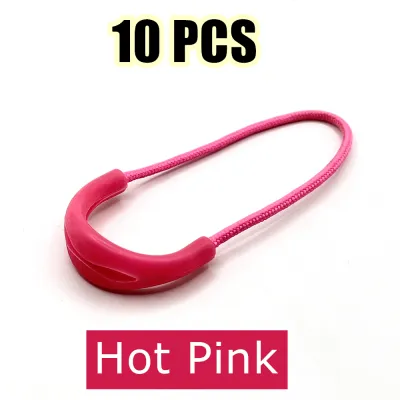
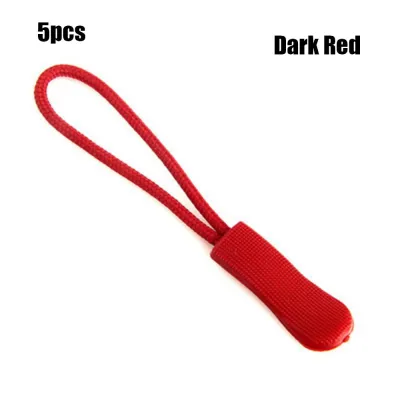
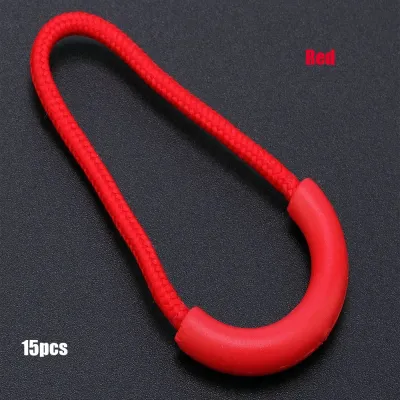
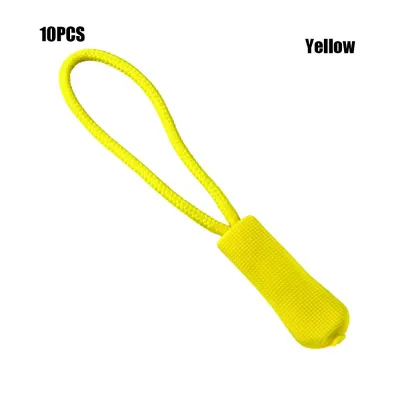
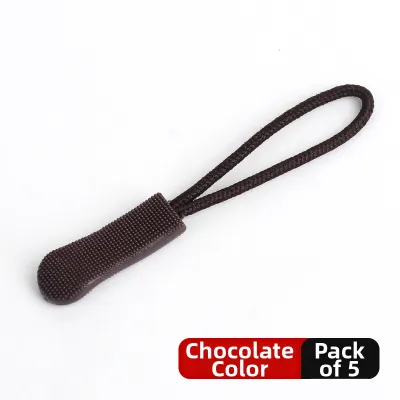
Prices are valid at publication and may change. Please refer to the product page for the latest price.
There are several common styles of grip tread used in bag hardware, each offering distinct tactile properties. Knurling, which features a pattern of crossed diagonal lines, is commonly found on metal pulls and provides a highly secure, non-slip grip that resists wear. Ridges or ribs consist of parallel raised lines that run perpendicular to the direction of the pull, offering excellent resistance against forward and backward slippage. Rubberized or elastomer coatings add a soft-touch, high-friction layer over a rigid core, combining comfort with exceptional grip even when exposed to moisture.
Operating a zipper under high tension or in wet conditions highlights the functional necessity of an engineered grip. In Singapore’s warm and humid environment, perspiration can make smooth metal or polished plastic pulls incredibly slick, leading to frustration and potential damage to the zipper if pulled at an awkward angle. For individuals with limited hand strength, joint pain, or reduced dexterity, a thick, textured pull tab transforms a difficult daily task into an effortless motion. By distributing the pressure across a larger, high-friction surface area, these pulls reduce the pinch force required to operate the zipper.
It is important to differentiate between purely decorative smooth pulls and those engineered for ergonomic, heavy-duty performance. Decorative pulls are often flat, thin, and prioritized for brand aesthetics, which can make them difficult to grasp when you are in a hurry. Engineered grip pulls, on the other hand, often feature a subtle concave shape that cradles the thumb, paired with deep, tactile patterns. Investing the time to select a pull designed for physical performance ensures that your repaired bag remains functional and reliable under all circumstances.
What to Check Before Buying a Replacement Pull
Before purchasing a replacement zipper pull, verifying compatibility with your existing hardware is essential to ensure a secure and functional fit. The first and most critical step is identifying the slider size of your zipper. Zipper sizes are standardized and typically indicated by a number molded onto the back or underside of the slider body, such as #3, #5, #8, or #10. These numbers correspond to the approximate width of the closed zipper teeth in millimeters. If the number is not visible, you can measure the width of the closed teeth with a ruler or caliper to determine the correct size category.

Once you know the zipper size, you must evaluate the attachment mechanism of the replacement pull. The pull tab connects to the slider body via a small loop known as the crown or bridge. You must measure the clearance of this crown to ensure the replacement pull’s attachment loop can pass through it freely. If the replacement loop is too thick, it will jam, preventing the pull tab from dangling naturally and causing awkward pulling angles that can damage the slider. Conversely, an attachment loop that is too thin or loose may wobble excessively, leading to premature wear on the metal.
Material durability is another vital factor to consider, especially when matching the replacement pull to the bag’s intended environment. Metal alloys, such as zinc alloy or solid brass, offer exceptional tensile strength and are highly resistant to bending or snapping under heavy loads. However, they can feel cold or harsh if the knurling is overly aggressive. High-grade plastics, such as polyoxymethylene (POM) or nylon, are lightweight, completely rust-proof, and highly durable. Rubberized overlays provide the most comfortable grip but require careful inspection, as lower-quality polymers can degrade and become sticky when exposed to Singapore’s high humidity and ambient heat over time.
Finally, assess the tread depth and pattern of the replacement pull to ensure it meets your practical needs. Deep, aggressive grooves provide the maximum possible friction, making them ideal for outdoor backpacks, sports duffels, and travel luggage. However, very deep crevices can easily trap lint, dust, and fabric fibers over time, requiring regular cleaning to maintain their appearance. A medium-depth ribbed or diamond-patterned tread often provides the best balance, offering reliable slip resistance while remaining easy to wipe clean during routine maintenance.
Matching the Pull to Your Bag's Zipper Track
Selecting the right zipper pull requires understanding the relationship between the pull’s weight and the specific type of zipper track on your bag. Nylon coil zippers are highly flexible, lightweight, and commonly used on school bags, laptop sleeves, and internal pockets. Because the coil track is relatively delicate, attaching a heavy, solid metal pull can cause the track to sag, distort, or misalign during use. For nylon coil zippers, lightweight corded pulls featuring textured plastic or rubberized tabs are the ideal choice, as they provide excellent grip without adding unnecessary weight to the track.
Molded plastic zippers, often referred to as Vislon zippers, feature individually molded teeth fused to the zipper tape. These are incredibly durable and are standard on heavy-duty luggage, duffel bags, and outdoor gear. Because molded plastic tracks can withstand significant physical force, they pair perfectly with larger, heavier textured pulls. A robust metal pull with deep knurling or a thick, molded plastic pull with aggressive ridges matches the rugged nature of the track, allowing you to pull with confidence even when the bag is packed tight.
Metal zippers, characterized by individual metal teeth clamped onto the zipper tape, are a staple of leather goods, briefcases, and heritage canvas packs. When repairing a metal zipper, it is crucial to choose a replacement pull that matches the metal type and aesthetic of the bag. However, you must also ensure that the replacement pull does not have sharp, unfinished edges that could scratch the metal teeth or the surrounding leather. Opt for high-quality alloy pulls with deburred, smooth attachment loops and a textured grip area that is confined to the body of the tab.
Water-resistant zippers require special consideration to preserve their protective qualities. These zippers feature a polyurethane or matte coating over a reverse-coil track, designed to keep moisture out of laptop compartments and technical outdoor gear. The slider on a water-resistant zipper must glide tightly against the protective coating, which naturally increases the resistance felt when pulling. A replacement pull that is too heavy or pulls at an awkward angle can lift the slider away from the track, compromising the weather seal. Lightweight, low-profile corded pulls with textured tabs are highly recommended for these systems, as they allow you to apply a straight, parallel pulling force that keeps the seal intact.
Where to Find Textured Zipper Pulls in Singapore
Finding the perfect textured zipper pull in Singapore involves exploring both physical haberdashery shops and online platforms, depending on your specific needs. For those who prefer to inspect the quality and feel of the hardware before purchasing, local sewing and craft shops are excellent resources. Traditional haberdasheries located in older shopping complexes, such as People’s Park Centre in Chinatown or neighborhood craft shops in suburban hubs, carry a wide variety of loose zipper hardware. Visiting these shops allows you to physically test the depth of the grip tread and verify that the attachment loop fits your bag’s slider crown perfectly.
If you prefer a wider selection of specialized designs, online marketplaces and e-commerce platforms offer an extensive range of replacement pulls. When searching online, use precise keywords such as “textured zipper pull replacement,” “anti-slip zipper cord,” or “heavy duty zipper pull tab” to filter out generic, smooth options. Always review the seller’s detailed specifications, paying close attention to the wire diameter of the attachment loop and the materials used. These replacement packs are highly affordable, typically ranging from S$2 to S$10 depending on the quantity and material quality.
For high-end travel gear, technical backpacks, or proprietary zipper systems, consulting a professional luggage repair service or local cobbler is often the best course of action. These specialty shops, located in central business districts and major shopping malls across Singapore, have access to industrial-grade replacement hardware that may not be readily available to the public. While a professional repair will cost more than a simple DIY replacement, it ensures that the structural integrity and aesthetic value of your premium bags are fully preserved.
How to Install and Maintain Your New Zipper Pull
Installing your new textured zipper pull is a straightforward process, but using the correct tools and techniques will prevent damage to your bag’s hardware. If you are installing a metal pull with a split-ring or clip-on mechanism, use a pair of small needle-nose pliers or specialized split-ring pliers to open the loop. Avoid using excessive force or twisting the metal sideways, as this can permanently deform the loop or weaken the metal, leading to failure later on. Gently slide the open loop through the slider’s crown, then close it firmly, ensuring there are no gaps where the pull could slip out.
For corded zipper pulls, the installation is even simpler and requires no tools at all. Thread the flexible nylon loop of the corded pull through the crown of the zipper slider. Once the loop emerges from the other side of the crown, open the loop wide and pass the textured plastic or rubber tab completely through it. Pull the tab firmly to tighten the knot, creating a secure lark’s head knot that holds the pull tightly against the slider. This method is highly reliable, completely rattle-free, and eliminates the risk of metal fatigue.
Maintaining the grip performance of your new pull requires periodic cleaning, especially as skin oils, dust, and environmental debris accumulate in the textured grooves. To clean the tread, dip an old toothbrush into warm water mixed with a few drops of mild dishwashing liquid. Gently scrub the textured surface to dislodge any trapped dirt or lint, then wipe it clean with a damp microfiber cloth. Allow the pull to air dry completely before using the bag, ensuring that no moisture remains trapped in the crevices.
While keeping your zipper track lubricated is essential for smooth operation, you must keep all lubricants strictly away from the grip tread of your pull tab. Applying beeswax, paraffin wax, or specialized silicone zipper lubricants directly to the zipper teeth helps the slider glide effortlessly. However, if any of these substances transfer to the textured surface of your pull, they will fill in the grooves and make the tab incredibly slippery, defeating the purpose of the grip tread. Always apply lubricants sparingly to the teeth only, and immediately wipe away any accidental transfer to the pull tab.
Frequently Asked Questions (FAQ)
Can I replace just the zipper pull without changing the whole slider?
Yes, you can easily replace just the zipper pull tab if the slider body itself is undamaged. If the metal loop (the crown) on top of the slider is intact, you can attach a new pull tab using a split ring, a clip-on mechanism, or a corded loop. However, if the slider body is cracked, bent, or failing to bring the zipper teeth together properly, replacing the pull tab will not restore function. In those cases, you must replace the entire slider assembly to fix the zipper.
Are rubberized grip pulls more durable than textured metal ones?
Textured metal pulls are significantly more durable over the long term because they do not suffer from chemical degradation. While rubberized or thermoplastic elastomer (TPE) pulls offer a softer, more comfortable grip with excellent friction, they are susceptible to hydrolysis in Singapore’s hot, humid climate. Over several years of exposure to moisture and ambient heat, the polymer chains in rubberized coatings can break down, causing the surface to become sticky, tacky, or peel away, whereas textured metal remains structurally stable.

Community discussion
Share your experience or ask a question. Comments are reviewed before publication.