
Selecting the right Teacher’s Day stickers for Singapore students requires balancing developmental abilities with personal tastes. From the tactile needs of lower primary children to the aesthetic preferences of secondary school teenagers, the right sticker can elevate a simple card into a cherished keepsake. By matching the physical properties, adhesive strength, and design themes to each grade level, you can ensure a smooth, engaging, and age-appropriate crafting experience.
Matching Sticker Types to Student Grade Levels
Aligning sticker complexity, size, and themes with the cognitive and motor development of students ensures that the activity remains enjoyable rather than frustrating. Singapore’s school system offers a clear framework for this selection, allowing parents, teachers, and student committees to choose options tailored to three distinct educational phases.
Lower Primary (Primary 1 to 3)
For students in Primary 1 to Primary 3, fine motor skills are still developing. Large, thick, and tactile stickers are highly recommended because they are easy for small hands to grasp, peel, and place without tearing. Puffy stickers, felt stickers, or those with raised 3D elements are excellent choices that provide sensory feedback and make the crafting process highly engaging.
Products mentioned in this guide
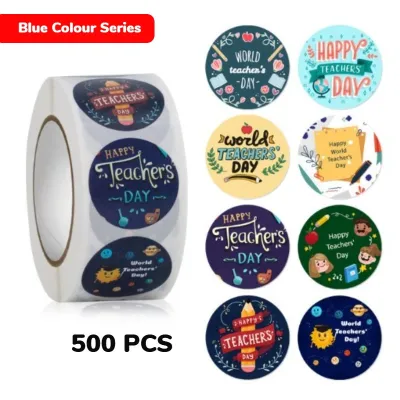
![[SG SELLER][👦Kids Love em👧] Customised Teachers Day Thank You Stickers For Happy Teachers Day](https://img.lazcdn.com/g/p/f2375bb9d2a5cf6f62fe90e36c1c8a3f.png_400x400q80.png_.webp)
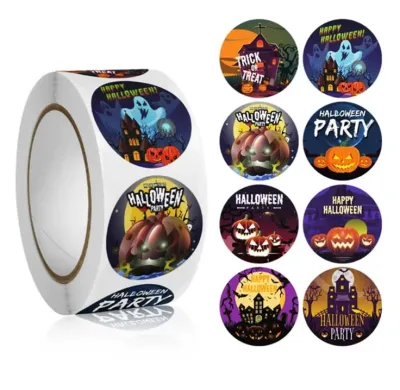
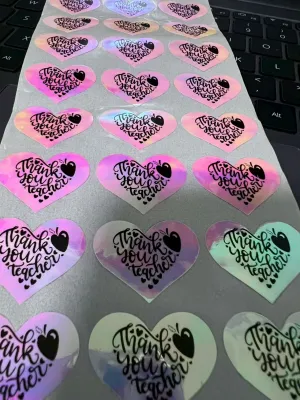
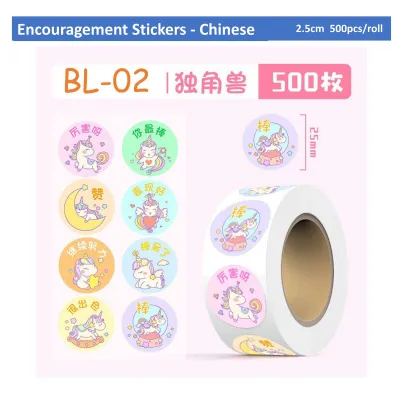
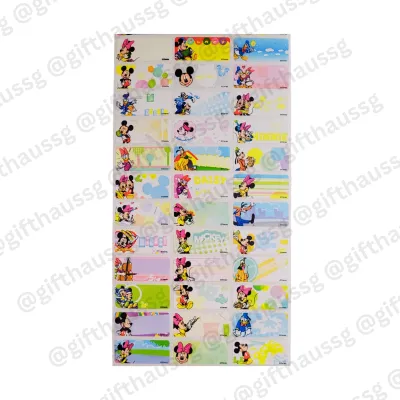
Prices are valid at publication and may change. Please refer to the product page for the latest price.
Themes for this age group should focus on universally understood concepts that require minimal reading comprehension. Brightly colored animals, smiling stars, classic school items, and simple, large-print appreciation messages are ideal. These bold designs allow younger children to express heartfelt gratitude visually, even if they are still building their writing confidence.
Upper Primary (Primary 4 to 6)
As students progress to Primary 4 through Primary 6, their dexterity improves significantly, allowing them to handle more intricate designs. This stage is perfect for introducing interactive stickers that encourage personal creativity. Scratch-off stickers, where students can write a hidden message and cover it with a scratch-off layer, or color-in paper stickers, add an element of surprise and personalization to Teacher’s Day cards.
Pre-teens also begin to develop distinct hobbies and aesthetic preferences. Instead of generic shapes, look for themed sticker sheets featuring popular cartoon styles, space exploration, botanical illustrations, or whimsical fantasy motifs. These detailed designs allow older primary students to showcase their personalities and tailor their gifts to their teachers’ specific interests.
Secondary School (Secondary 1 to 5)
Secondary school students generally move away from cartoonish designs in favor of mature, functional, and highly aesthetic options. Minimalist planner stickers, elegant floral designs, and clear PET stickers are highly popular among teenagers. These styles align with their growing interest in journaling, bullet planning, and sophisticated stationery aesthetics.
At this level, stickers serve a dual purpose of utility and self-expression. Students often use high-quality vinyl or clear stickers to personalize their daily planners, study notes, laptop covers, and reusable water bottles. Choosing sleek, modern designs ensures the stickers look stylish and mature, making them highly appealing to teenagers who want to create polished, professional-looking gifts for their subject tutors.
Essential Features to Check Before Purchasing
When browsing online marketplaces or local stationery shops, it is essential to evaluate the material and adhesive type. Standard paper stickers are highly cost-effective and work beautifully for traditional paper greeting cards and cardboard crafts. However, if the stickers are intended for decorating personal belongings like water bottles or laptop cases, look for water-resistant vinyl options. Ensure the product description specifies residue-free removal or removable adhesive so that teachers can easily peel them off surfaces without leaving a sticky, hard-to-clean residue behind.

The physical format of the sticker sheets plays a significant role in how easily they can be distributed and used. Pre-cut individual stickers or kiss-cut sheets—where the individual shapes are pre-sliced but remain on a single backing sheet—are highly convenient. For younger students, avoid complex, tightly packed sheets that require precise peeling, as these can easily tear. Instead, opt for larger, individual die-cut stickers that can be handed out one by one. For older students, standard A5 or A6 sticker sheets are highly manageable and fit easily inside notebooks or planners.
The visual appeal and legibility of the messaging are crucial for a successful Teacher’s Day gift. Look for clear, high-contrast fonts that are easy to read from a distance. While elegant cursive scripts look beautiful, they can be difficult for younger primary students to read. Ensure the illustrations and text are culturally appropriate and positive. Classic appreciation phrases like “Thank You for Helping Me Grow” or simple star ratings are universally appreciated and fit well within the supportive school culture in Singapore.
Cross-Grade Compatibility and Gifting Strategies
If you are buying supplies for a large school group, a co-curricular activity, or siblings in different grade levels, choosing versatile designs can save time and budget. Neutral themes like elegant floral patterns, geometric borders, and classic academic motifs—such as books, globes, and graduation caps—work exceptionally well across both upper primary and secondary school levels. These designs strike an excellent balance, appearing cheerful to younger students while remaining sophisticated enough for teenagers.
How you present and distribute the stickers can elevate the entire gifting experience. Instead of handing out loose sheets, consider dividing bulk sticker packs into smaller, curated assortments. Placing a selection of five to ten themed stickers inside a small paper envelope or attaching them to a sturdy card backing creates a neat, professional-looking gift set. This presentation prevents the stickers from bending or losing their adhesive properties in school bags and makes them easy to slip inside a handmade thank-you card.
Integrating stickers into classroom activities offers a clean, low-mess alternative to traditional crafting supplies like liquid glue, glitter, or paint. Teachers and parent volunteers can organize quick, structured card-making sessions during form class periods or recess. Using stickers allows students to create beautiful, personalized cards quickly without the need for drying time, ensuring the classroom remains tidy and the school day continues without disruption.
Frequently Asked Questions (FAQ)
Are vinyl stickers better than paper stickers for Teacher's Day gifts?
Vinyl stickers are highly durable, water-resistant, and tear-resistant, making them an excellent choice for decorating items that undergo daily wear and tear, such as water bottles, laptops, and phone cases. However, paper stickers are much more cost-effective and highly suitable for traditional paper greeting cards, scrapbooks, and classroom craft activities where exposure to moisture is not a concern.
How can I ensure the stickers are safe for younger primary students?
To ensure safety during classroom activities, always select stickers made from non-toxic, acid-free materials. Avoid stickers with extremely small, intricate, or detachable parts that could pose a choking hazard for younger children. Additionally, look for stickers with thick, easy-peel backing sheets, which help prevent frustration and allow lower primary students to complete their crafts independently.
Can I buy bulk sticker sheets and cut them myself for the class?
Buying bulk sticker sheets and cutting them into individual pieces is a highly cost-effective strategy, especially for large classrooms. However, it requires preparation time and sharp scissors. For lower primary classes, it is best to purchase pre-cut individual stickers to save time and ensure safety. For secondary school students, you can distribute whole sheets directly, as they have the motor skills to cut and share the designs safely.

Community discussion
Share your experience or ask a question. Comments are reviewed before publication.