
Selecting the right Teachers’ Day stickers involves matching the student’s creative abilities with the practical needs and preferences of their educators. While primary school students often express gratitude through vibrant, playful designs, secondary school students can offer highly functional, aesthetic stickers that assist with grading or lesson planning. By aligning the sticker material, design, and purpose with the teacher’s daily routine, this small token of appreciation becomes a meaningful and useful classroom asset.
Understanding Sticker Types and Materials
Before purchasing or preparing stickers, it is helpful to understand the primary categories available and how their physical properties affect their use. Decorative stickers are pre-printed designs meant purely for visual appeal, often featuring motivational phrases or illustrations. Blank DIY stickers allow students to write personalized messages directly onto the adhesive paper, while functional stickers—such as planner labels, grading checklists, and calendar markers—serve as practical tools for classroom organization.
The choice of material determines where the sticker can be applied and how long it will last. Standard paper stickers are highly writable with gel pens or ballpoint pens, making them excellent for grading sheets and planners, though they lack water resistance. Vinyl stickers offer high durability and moisture resistance, making them suitable for personal items like water bottles, laptops, or mugs. Holographic and metallic finishes add a premium, eye-catching shine but are generally non-writable and best reserved for decorative accents.
Products mentioned in this guide
![[SG SELLER][👦Kids Love em👧] Customised Teachers Day Thank You Stickers For Happy Teachers Day](https://img.lazcdn.com/g/p/5a5685e10f59d7f5a13267a2cec3dd0c.png_400x400q80.png_.webp)
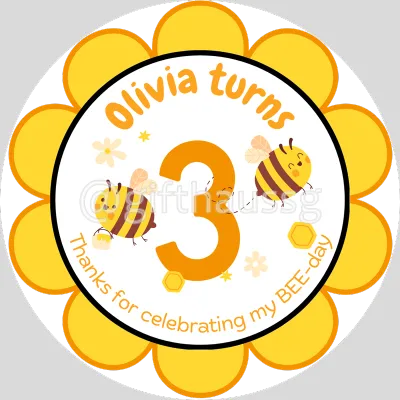
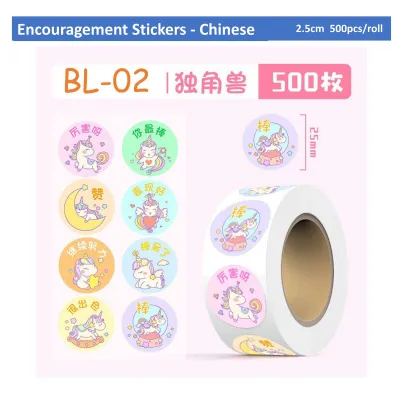
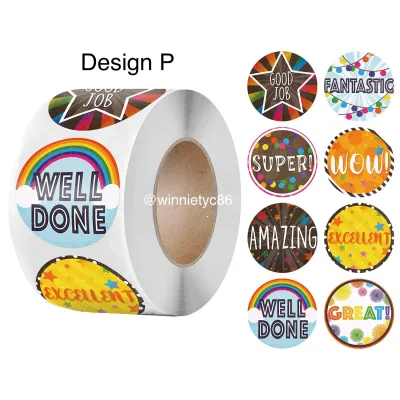
Prices are valid at publication and may change. Please refer to the product page for the latest price.
When selecting paper stickers for grading or planning, it is important to verify ink compatibility. The drying speed, bleed resistance, and smoothness of your writing will depend on the combination of the sticker paper and the pen tip used. Before writing extensive notes on a sticker, perform a quick trial on a corner of the sheet to ensure your gel pen or marker does not smudge or bleed through the backing.
Adhesive strength is another critical factor to verify before gifting. Removable adhesives are ideal for planner stickers, as they allow teachers to reposition dates and notes without tearing the paper. Permanent adhesives are better suited for decorative decals that need to stay securely attached to hard surfaces. Checking the packaging for terms like “repositionable” or “permanent” ensures the stickers perform as intended in the classroom.
Primary School Students: Fun, Simple, and Interactive
For younger students in primary school, choosing stickers is an opportunity to engage in a fun, hands-on activity that expresses heartfelt appreciation. Large, pre-printed stickers are highly manageable for smaller hands, reducing the frustration of peeling intricate designs. Puffy stickers, which feature a raised, three-dimensional texture, are particularly popular because they are easy to grip and add a tactile element to cards and crafts.

Customization at this age should remain simple and enjoyable. Parents can guide students to use basic blank shapes, such as stars or speech bubbles, where the child can write their name or color in a small design. Attaching these stickers to a handmade card or a simple drawing allows the student to participate actively in the gifting process without requiring advanced crafting skills.
When selecting themes, bright colors and cheerful illustrations resonate well with both young students and primary school teachers. Popular themes include friendly animals, smiling school supplies, and encouraging phrases like “Great Job!” or “Star Student.” These designs not only look festive but can also be used by the teacher to reward other students, making the gift both personal and practical.
Secondary School Students: Practical, Aesthetic, and Thoughtful
As students transition into secondary school, their gifts can reflect a higher level of maturity, personal style, and practical utility. Rather than purely decorative items, older students can focus on functional options that assist teachers in their daily administrative tasks. High-quality planner stickers, minimalist grading feedback labels, and elegant vinyl decals for personal devices are excellent choices that show a mature understanding of a teacher’s workload.
Advanced customization allows secondary school students to showcase their creative talents. Integrating hand-lettering onto blank sticker sheets or designing cohesive scrapbooking layouts offers a sophisticated touch. Students can also curate custom sticker sheets by selecting specific designs that align with the teacher’s personal aesthetic, creating a cohesive and polished presentation.
Themes for this age group should lean toward refined and understated designs. Botanical patterns, vintage academic aesthetics, and motivational quotes in elegant typography are highly appreciated. Functional classroom tools, such as color-coded index stickers or subject-specific labels, demonstrate that the student has considered the teacher’s organizational needs.
Tailoring Stickers to the Teacher's Subject and Needs
To make the gift truly memorable, students should align the sticker designs with the specific subject the teacher instructs. For instance, a mathematics teacher might appreciate stickers featuring geometric proofs, calculators, or witty math puns. A science teacher would find value in illustrations of chemical elements, microscopes, or astronomical bodies, while a literature teacher might enjoy quotes from classic novels or vintage typewriter motifs.
It is also important to balance utility and decoration based on the teacher’s classroom style. Some educators prefer highly functional grading tools, such as rubric stickers or quick-feedback checklists that save time during marking. Others may prefer decorative reward stickers to hand out to their classes, especially if they teach younger cohorts. Observing how the teacher organizes their desk and grades assignments can provide valuable clues.
Finally, consider the classroom environment and the teacher’s personal boundaries. In more formal or conservative school settings, it is wise to avoid overly flashy, neon, or strongly scented stickers that might distract students or clash with the school’s aesthetic. Opting for classic, high-quality matte paper or subtle satin finishes ensures the stickers remain professional and versatile.
Creative Ways to Package and Present Sticker Gifts
The presentation of a sticker gift can elevate it from a simple stationery item to a thoughtful, complete present. One effective method is to integrate the stickers directly into a handwritten greeting card or a high-quality notebook. Placing a sheet of elegant planner stickers inside the front cover of a notebook provides the teacher with a ready-to-use organizational set.
For a more creative approach, students can construct a “sticker bouquet” by attaching individual sticker sheets to wooden skewers and arranging them in a small decorative jar. Alternatively, using the stickers to decorate the exterior of a plain pencil case or a small gift box adds a personalized touch while providing the teacher with a reusable storage container.
When gifting loose sticker sheets, simple and clean packaging is essential to protect the adhesive and backing. Placing the sheets inside a clear, resealable cellophane sleeve prevents dust and moisture from damaging the edges. Sealing the sleeve with a personalized paper topper or placing it inside a neatly decorated envelope ensures the gift looks professional and polished upon arrival.
Frequently Asked Questions (FAQ)
Can I make my own Teachers' Day stickers at home?
Yes, creating custom stickers at home is a highly rewarding project, though it requires specific materials and preparation. You will need printable sticker paper—available in matte, glossy, or clear finishes—along with a standard printer and sharp cutting tools like scissors or a craft cutter. To achieve a professional result, it is important to test your printer settings on plain paper first to ensure alignment and color accuracy. Keep in mind that hand-cutting intricate designs requires patience and a steady hand to ensure clean edges.
Are vinyl stickers better than paper stickers for teachers?
Neither material is universally superior; rather, the best choice depends on how the teacher intends to use them. Vinyl stickers are highly durable, water-resistant, and UV-resistant, making them the ideal choice for personal items that undergo regular handling or washing, such as water bottles, laptops, and travel mugs. Paper stickers, on the other hand, are much easier to write on with standard ballpoint or gel pens without smudging. This makes paper the preferred option for planners, grading books, and classroom feedback sheets where writing is necessary.

Community discussion
Share your experience or ask a question. Comments are reviewed before publication.