
Teachers’ Day in Singapore is a highly anticipated occasion where students and parents express gratitude to the educators who shape young minds. A thoughtful teachers day gift card or greeting card serves as a lasting keepsake of this appreciation, often kept by teachers for years to come. Selecting the right style, evaluating where to source the card, and adding a personal, handwritten message are essential steps to ensure your gesture is both meaningful and appropriate for the school environment.
Matching Card Styles to Your Relationship and School Culture
Selecting a card design requires balancing the student’s relationship with the teacher alongside the general culture of the school. Different card styles convey distinct tones, and choosing the right one ensures your message of appreciation is received warmly and professionally.
Formal appreciation cards often feature elegant typography, subtle gold foil accents, or classic academic motifs such as books and leaves. These designs are highly suitable for secondary school or junior college educators, as well as school principals, where a respectful and structured tone is most appropriate.
Products mentioned in this guide
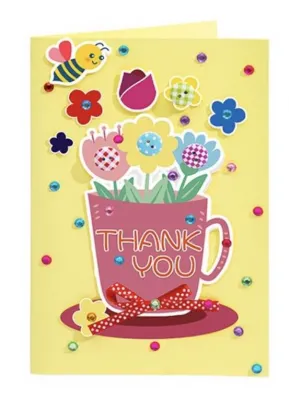
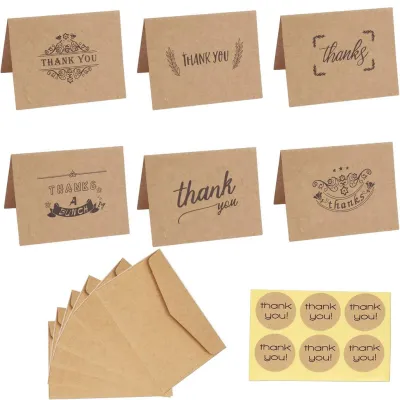
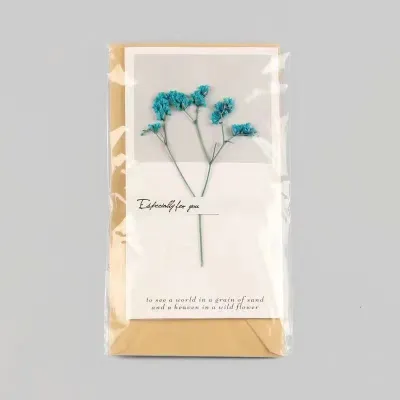
![[Bundle of 5 pcs] Mini Teachers Day Cards / Gift Tags Custom Teachers Day Gift Card Mini Card Customised Thank You Cards](https://img.lazcdn.com/g/p/41a6987063678e7734bae74102183bfa.jpg_400x400q80.jpg_.webp)
![[MIN 3 CARDS] 🇸🇬SG Punny Teacher Appreciation Card Special Editions for Graduation Greeting Thank You Heartfelt Support Message Card](https://img.lazcdn.com/g/ff/kf/S46b8562713de4564b8cea4c9945a655fF.jpg_400x400q80.jpg_.webp)
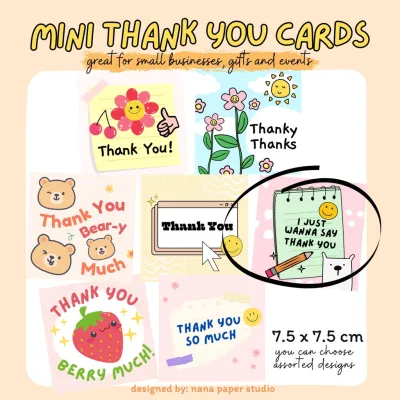
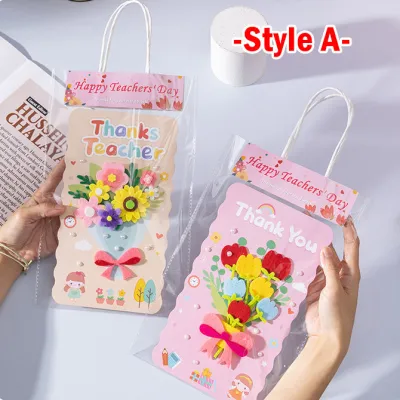
Prices are valid at publication and may change. Please refer to the product page for the latest price.
Minimalist cards utilize clean lines, simple illustrations, and generous white space. This style is highly versatile and appeals to a wide range of educators, particularly tertiary lecturers or subject teachers who appreciate modern, understated aesthetics.
Lighthearted cards incorporate gentle humor, school-related puns, or cute cartoon illustrations. These are excellent choices for primary school teachers or form teachers with whom the student has built a warm, daily rapport. The playful design can make the thank-you message feel approachable and cheerful.
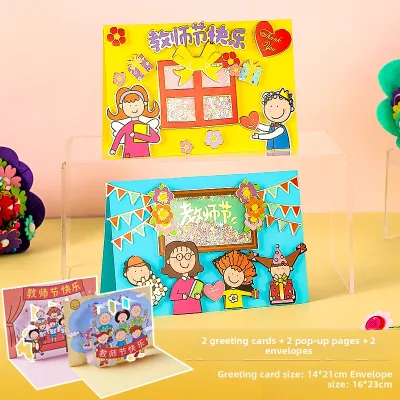
Handmade or DIY cards are highly cherished, especially from preschool and early primary school students. They showcase direct effort and creativity, making them incredibly personal. When opting for this style, the focus should be on sincere effort rather than artistic perfection.
Regardless of the style chosen, it is important to observe general professional etiquette in Singapore schools. Avoid cards with overly extravagant embellishments that might seem excessive, and steer clear of inside jokes or humor that could be misconstrued. The overall presentation should remain respectful, celebrating the educator’s guidance and dedication.
Where to Find Quality Cards and How to Evaluate Brands
Finding the perfect card involves exploring various retail channels in Singapore, from physical stores to online marketplaces. Knowing how to assess the physical quality of a card ensures that your selection feels premium and holds up well over time.

Local stationery chains, commonly found in suburban shopping malls, offer excellent convenience and a wide selection of standard, reliable designs. For those seeking unique or artistic options, independent bookstores and local lifestyle boutiques curate cards from independent illustrators. These venues often feature distinctive designs that stand out.
Supporting local artists is another excellent avenue. Many local designers sell their work at art markets or through independent online storefronts, offering highly creative cards that sometimes feature local cultural references or school-themed humor unique to the Singapore context.
When purchasing physical cards, look for key quality indicators. Check the cardstock weight; a premium card typically uses paper stock of 250 gsm (grams per square meter) or higher, which feels sturdy and resists bending. Examine the printing clarity to ensure that text lines are sharp and colors are vibrant without pixelation. Additionally, look for eco-friendly material labels, such as FSC-certified paper, which indicates responsible sourcing.
If you are purchasing from online marketplaces, verify seller reliability by reading customer reviews and looking at uploaded photos to confirm color accuracy. Pay close attention to delivery timelines to ensure the card arrives well before the school’s scheduled Teachers’ Day celebrations.
Pairing Your Card with Policy-Compliant Gifts
In Singapore, public school educators observe specific guidelines regarding receiving gifts. Understanding these boundaries ensures your gesture of appreciation remains stress-free and fully compliant with school policies.
Many parents and students find that a heartfelt greeting card is best used as the primary gift. A well-written card carries no policy risks, respects civil service guidelines, and holds immense sentimental value for teachers who appreciate words of encouragement over material items.
If you choose to pair the card with a physical token, opt for practical, low-risk items. High-quality stationery, such as smooth-writing gel pens, sticky notes, or magnetic bookmarks, is highly functional in a classroom setting. Individually wrapped pantry snacks, such as premium tea bags or artisanal biscuits, are also excellent choices that teachers can enjoy during their preparation periods.
Always check your specific school’s guidelines regarding gift value limits and acceptable items before purchasing. Keeping the token modest ensures the focus remains entirely on appreciation rather than material value.
Ensure the physical presentation of your gift is neat and respectful. Use a clean, properly sized envelope for the card. If you are attaching the card to a small gift, secure it neatly with a simple ribbon or paper tape, avoiding overly elaborate wrapping that might make the gesture look unnecessarily lavish.
Personalizing Your Message and DIY Card Options
A personalized, handwritten message is what truly elevates a greeting card. Taking the time to write a specific note shows genuine effort and makes the educator feel truly seen and valued.
To structure a thoughtful message, begin with a formal and respectful greeting. In the body of the message, highlight a specific memory, such as a particularly engaging lesson, a helpful explanation before an exam, or a time the teacher offered encouragement. Conclude by expressing sincere gratitude for their patience, guidance, and dedication throughout the academic year.
For those choosing the DIY route, selecting compatible base materials is essential for a clean, professional finish. Choose a sturdy cardstock of 250 gsm to 300 gsm that can support ink or light adhesive without warping. When selecting pens, opt for water-resistant, quick-drying pigment liners or gel pens to prevent smudging.
Because different paper finishes react uniquely to water-based or oil-based inks, always perform a test stroke on a scrap piece of the same paper. This allows you to verify the drying speed, smoothness, and bleed resistance of your pen before writing on the actual card.
If involving younger children in crafting, prioritize safety by using child-safe, non-toxic adhesives and blunt-nosed safety scissors. Younger kids can contribute by adding colorful drawings, using stamps, or dictating their message for an adult to write down, ensuring a safe, collaborative, and highly personal crafting experience.
Frequently Asked Questions (FAQ)
Is it appropriate to give a digital greeting card instead of a physical one?
Digital greeting cards are highly convenient and eco-friendly, making them a practical option if you are unable to deliver a physical card in person. However, physical cards remain the preferred choice in Singapore schools because they serve as tangible keepsakes that teachers can display on their desks or store in memory boxes. If you choose a digital card, ensure it complies with the school’s communication policies, and send it through official school portals or email rather than personal messaging platforms.
How much should I spend on a Teachers' Day greeting card?
The sincerity of your message is far more important than the cost of the card. A high-quality physical card typically costs between S$3 and S$8, while DIY options can be made for even less using basic craft supplies. Keeping your budget modest is highly recommended, as it ensures the gesture remains focused on genuine appreciation and aligns perfectly with local school guidelines.

Community discussion
Share your experience or ask a question. Comments are reviewed before publication.