
Sequin fabric cloth is not a single uniform material; its behavior, comfort, and drape depend almost entirely on the backing fabric to which the sequins are attached. When selecting sequin fabric cloth for a sewing project, you will primarily choose between three base materials: mesh, stretch knit, and woven backings. Each base alters how the fabric falls against the body, how much it stretches, and how comfortable it feels during wear, making the choice of backing just as critical as the sequins themselves.
Quick Guide to Sequin Fabric Base Materials
Mesh, stretch knit, and woven bases represent the three primary categories of backing used in sequin fabric cloth. Mesh bases are sheer, lightweight, and net-like, offering structural volume and a stiff drape that holds its shape away from the body. Stretch knit bases are highly flexible, conforming to body contours and moving easily with the wearer, which makes them the go-to choice for form-fitting designs. Woven bases are stable, non-stretch fabrics that fall in clean, heavy lines, providing the structural integrity needed for tailored garments.
Selecting the right backing requires balancing your design’s silhouette with practical wearability. For instance, a warm, humid climate like Singapore’s makes breathability and skin comfort key priorities, especially when dealing with potentially scratchy embellishments. By understanding how these bases behave, you can select a fabric that not only looks spectacular but also feels comfortable to wear.
Products mentioned in this guide
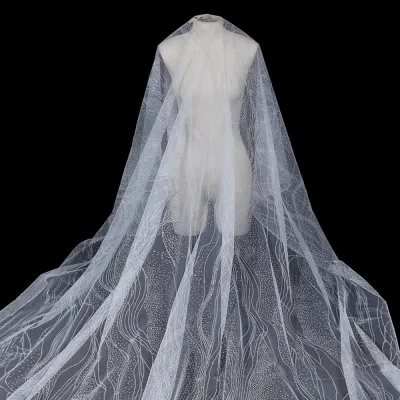
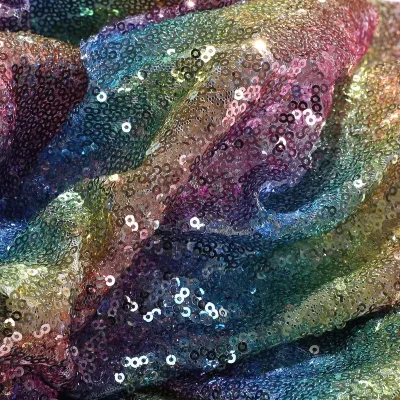
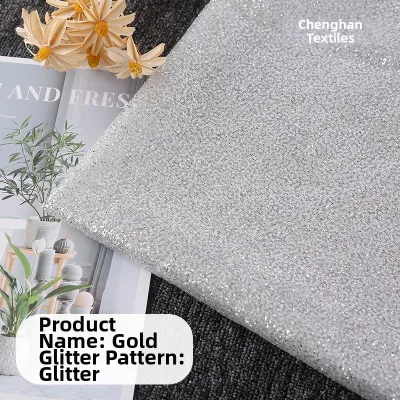
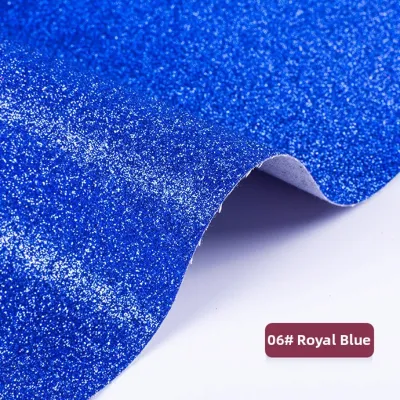
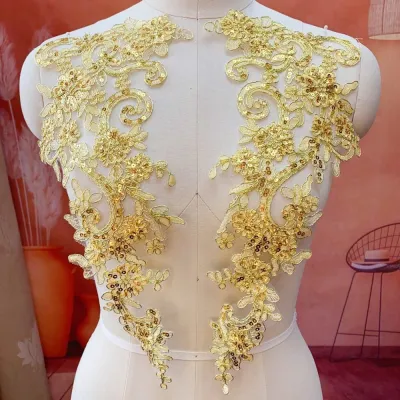
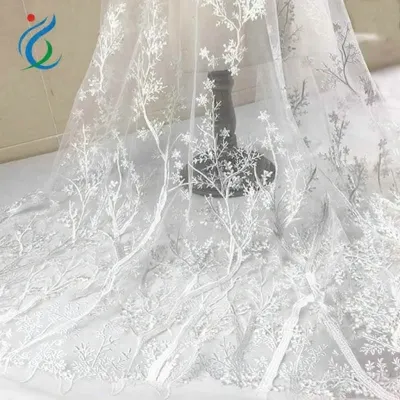
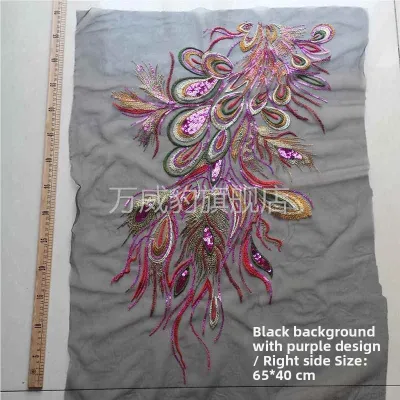
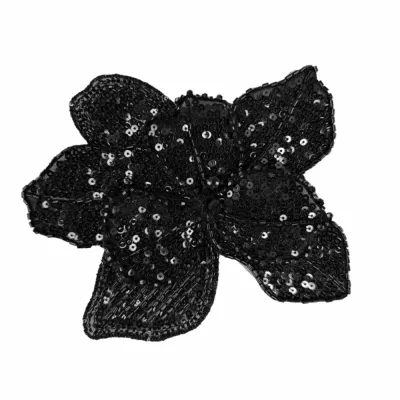
Prices are valid at publication and may change. Please refer to the product page for the latest price.
Mesh Base: Lightweight Structure and Sheer Appeal
Mesh-backed sequin fabric is characterized by its open, net-like construction, which provides a distinct structural quality. Unlike softer backings, mesh tends to hold its shape rather than cling to the body, making it excellent for creating volume, dramatic flares, or structured layers. The drape of a mesh base is relatively stiff and bouncy. When gathered or pleated, it stands out to create a full silhouette, which is ideal for garments that require built-in volume without heavy internal support structures.

In terms of comfort, the open weave of mesh offers excellent breathability, allowing air to circulate freely. However, the synthetic fibers typically used in mesh can feel rough or scratchy against bare skin, particularly along cut edges where the sequins are severed. This material is highly suited for overlay skirts, structured bodices, and statement sleeves where the sheer background can be showcased.
To ensure comfort, designers almost always pair mesh sequin fabric with a soft, smooth lining material. Before cutting your pattern pieces, perform a quick skin-sensitivity check by draping a swatch of the mesh against your inner arm. If the texture causes immediate irritation, plan for a complete lining that fully encloses all interior seams.
Stretch Knit Base: Flexibility and Form-Fitting Comfort
Stretch knit bases, often made from polyester-spandex blends, provide maximum flexibility and ease of movement. This backing allows the sequin fabric cloth to expand and contract, making it highly suitable for garments that must hug the body’s curves. The drape of a knit base is fluid and heavy. Because the knit structure naturally yields to gravity, the fabric clings gently to the body, creating a sleek, contoured silhouette that moves dynamically as you walk or dance.
Comfort is the primary advantage of a stretch knit backing. The elasticity distributes the weight of the sequins evenly across the body, reducing pulling or sagging in specific areas, while the soft texture of the knit is generally much gentler on the skin than mesh. This base is the standard choice for bodycon dresses, fitted tops, and activewear-inspired pieces like embellished leggings or dance costumes. It accommodates physical movement without restricting the wearer or putting excessive strain on the seams.
Sewing with stretch knit sequin fabric requires specific techniques to maintain the fabric’s elasticity. You will need to use a ballpoint or stretch needle to prevent skipped stitches, and employ a narrow zigzag or stretch stitch so the seams do not pop when the garment is worn.
Woven Base: Stability and Tailored Elegance
Woven bases, such as cotton, taffeta, or lightweight polyester canvas, offer a stable, non-stretch foundation for sequins. This stability makes woven-backed sequin fabric highly predictable to cut and sew, as it does not warp or stretch out of shape under the weight of the embellishments. The drape of a woven base is clean, crisp, and substantial. It falls in straight, elegant lines, making it perfect for structured designs that rely on precise tailoring rather than body-hugging elasticity.
While woven bases lack inherent stretch, they offer excellent bias drape. Cutting a woven sequin fabric on the bias (at a 45-degree angle) allows it to flow more softly over curves, providing a classic, liquid-like movement suitable for elegant evening gowns. Comfort with a woven base depends heavily on the fit of the garment and the quality of the lining. Because the fabric does not stretch, the pattern must include sufficient ease for movement, and a high-quality lining is essential to protect the skin from the stiff backing and interior seam allowances.
Ideal applications for woven sequin fabrics include tailored blazers, structured A-line skirts, and wide-leg trousers. These garments benefit from the crisp edges and defined shapes that only a stable woven backing can support. One key challenge of woven bases is their tendency to fray along cut edges. To prevent the fabric from unraveling over time, you must finish all internal seams securely using techniques like binding, overlocking, or French seams.
How to Select the Right Base for Your Garment Design
Choosing the perfect sequin fabric cloth starts with a clear evaluation of your intended silhouette. If your design features sharp lines, collars, or tailored pleats, a woven base will provide the necessary structural support; if you want a body-hugging dress, a stretch knit is indispensable. Next, assess your comfort needs based on the wear environment and duration. For an all-day event in a warm climate, a lightweight, breathable mesh base paired with a breathable cotton or rayon lining may keep you cooler than a heavy, dense woven backing.
Always check the manufacturer’s fiber content label when purchasing your fabric. This label reveals whether the base contains synthetic fibers like polyester, which offer durability, or elastane, which provides the necessary stretch recovery for fitted garments. Before committing to a large purchase, obtain a physical swatch of the fabric to test its physical properties. Drape the swatch over your hand to observe how it falls, stretch it to evaluate its recovery, and weigh it to ensure it is not too heavy for your design.
Handling and Care Considerations by Base Material
Cutting sequin fabric requires patience and preparation, regardless of the base material. Use utility shears rather than your best sewing scissors, as cutting through plastic or metal sequins will quickly dull the blades, and wear protective eyewear to shield against flying sequin fragments. When setting up your sewing machine, adjust the tension and presser foot pressure to match the base fabric. Stable woven bases require standard settings, whereas stretch knit bases benefit from a walking foot to prevent the layers from shifting or stretching unevenly.
Cleaning sequin garments requires strict adherence to care labels to avoid damaging the base fabric or melting the sequins. Most sequin fabrics cannot tolerate high heat, meaning traditional ironing is out of the question; instead, use a handheld steamer on the reverse side or professional dry cleaning. Proper storage is essential to preserve the shape and appearance of your finished garment. Store knit sequin garments flat rather than on hangers to prevent the heavy sequins from permanently stretching out the knit base, and keep mesh or woven garments in breathable garment bags to avoid snagging on other items.
Frequently Asked Questions (FAQ)
Can I use a stretch knit sequin fabric for a loose, flowing dress?
While you can use a stretch knit base for a loose design, it may not perform as expected. Knit bases are heavy and tend to cling to the body’s contours rather than billow outward, which can ruin the intended line of a loose, flowing dress. If you want a flowing silhouette, a lightweight woven base or a soft mesh base will generally yield a more elegant, airy drape. It is highly recommended to test the drape of your knit fabric on a dress form before finalizing your pattern.
How do I prevent the mesh base from scratching my skin?
The most effective way to prevent a mesh base from scratching is to install a full lining made from a smooth, comfortable fabric like silk, rayon, or high-quality polyester satin. Additionally, you can finish all interior seams with bias binding (often called Hong Kong seams) to completely enclose the scratchy cut edges of the mesh and sequins. For quick or temporary solutions, wearing a separate, smooth slip or camisole underneath the garment can provide an effective barrier.
Does the base material affect how I should iron sequin fabric?
Yes, the base material and the sequins themselves are highly sensitive to heat. Direct contact with an iron will melt plastic sequins and warp synthetic base fabrics like polyester mesh or knit. To remove wrinkles safely, always iron on the reverse side of the fabric using a low heat setting and a thick pressing cloth. Alternatively, use a garment steamer from the inside of the garment, keeping the steam source at a safe distance to avoid overheating the adhesive or fibers.

Community discussion
Share your experience or ask a question. Comments are reviewed before publication.