
Crocheting with thick yarn has become incredibly popular in Singapore, offering a fast and satisfying way to create cozy home decor, stylish bags, and plush accessories. The rapid progress of a chunky project makes it highly appealing for both beginners and experienced crafters looking for quick results. However, navigating the local market to find reliable thick yarn brands requires a clear understanding of fiber behavior, hook compatibility, and sourcing strategies. Because Singapore’s warm and humid climate influences how we use and care for textile items, selecting the right yarn involves more than just picking an appealing color. By focusing on systematic quality checks and matching the right fiber to your specific project, you can ensure your handmade creations are both beautiful and durable.
Understanding Thick Yarn Weights and Hook Compatibility
To achieve the best results with thick yarn, you must first understand how these larger fibers are classified. The Craft Yarn Council categorizes yarn weights using a standardized numbering system, where thick yarns generally fall into three distinct categories: Bulky (Weight 5), Super Bulky (Weight 6), and Jumbo (Weight 7). Bulky yarn, often referred to as chunky or craft yarn, is excellent for quick scarves, light throws, and structured garments. Super Bulky yarn is significantly thicker, making it ideal for heavy blankets, cozy cowls, and sturdy storage baskets. Jumbo yarn represents the largest classification, often used for arm-knitting or massive statement pieces that require specialized tools.
Matching your chosen yarn weight with the correct crochet hook is essential for maintaining the proper drape and structure of your fabric. Every skein of yarn features a label that recommends a specific hook size range, typically starting at 6.5 mm for Bulky yarns and extending up to 15 mm or larger for Jumbo varieties. Using a hook that is too small for your yarn will result in a stiff, dense fabric that is difficult to work with and lacks flexibility. Conversely, using a hook that is too large can create loose, floppy stitches with excessive gaps, which may not hold their shape over time.
Products mentioned in this guide
![[SG Ship] Ice Stripe Thick Roving Yarn Soft Crochet Knitting Milk Cotton 冰条粗毛线 钩针针织围巾牛奶棉线](https://img.lazcdn.com/g/p/2e37640a37eb732cefea8f1b46fa68be.jpg_400x400q80.jpg_.webp)
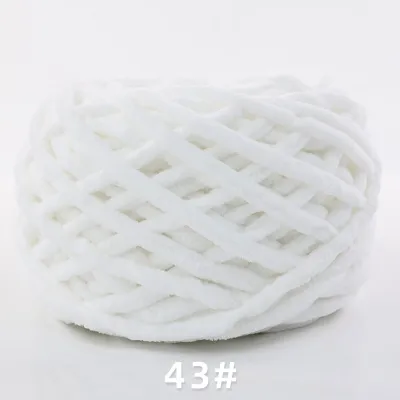
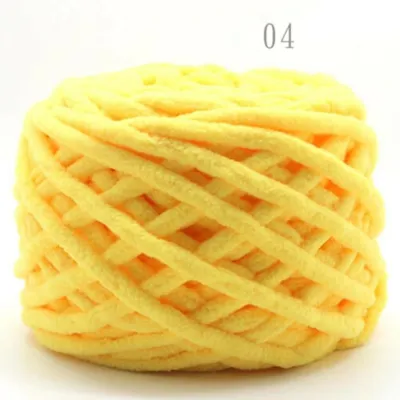
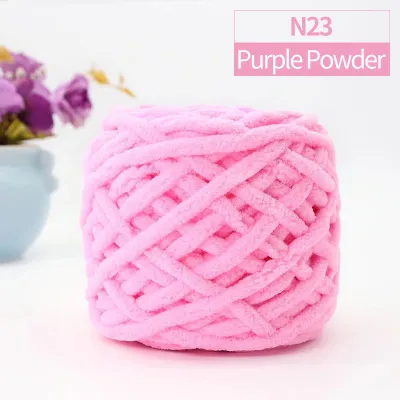
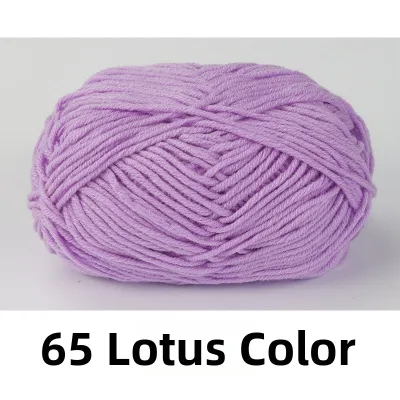
Prices are valid at publication and may change. Please refer to the product page for the latest price.
While the manufacturer’s recommended hook size is an excellent starting point, you must also account for your personal crocheting tension. Some crafters naturally stitch tightly, while others maintain a looser grip. This is why crocheting a gauge swatch is a critical step before starting any major project. By crocheting a simple 10-centimeter square using your chosen yarn and hook, you can observe how the stitches lay, evaluate the overall stiffness of the fabric, and adjust your hook size accordingly. Taking the time to verify your gauge prevents the frustration of completing a project only to find it is significantly larger or smaller than intended.
Evaluating Yarn Quality and Value for Crochet
When shopping for thick yarn brands in Singapore, evaluating the physical construction of the yarn is key to avoiding frustration during the crafting process. Examine the ply construction and the tightness of the twist. Thick yarns are often made of multiple smaller strands twisted together, or they may consist of a single, loosely spun strand known as roving. While roving yarn offers a beautiful, cloud-like softness, it is highly prone to splitting when caught by a crochet hook, and it tends to pill or shed with minimal friction. For projects that will undergo regular handling, look for multi-ply yarns with a balanced, secure twist that holds the fibers together tightly.

Another crucial aspect of evaluating yarn is calculating its true value rather than simply comparing the price per skein. Because thick yarn is physically dense, a single skein often contains significantly less length (yardage) than a standard medium-weight skein. When comparing brands, look at the label to find the total weight in grams and the total length in meters. Divide the price in S$ by the total meters to determine the cost per meter. This calculation allows you to make an accurate comparison between a budget-friendly brand with short yardage and a premium brand that offers more continuous length per skein.
Additionally, pay close attention to the dye lot numbers printed on the yarn labels. Dye lots indicate that the skeins were colored in the same batch, ensuring perfect color consistency. Even a slight variation between different dye lots can create a highly visible, distracting line across your finished crochet project. Always purchase enough skeins from the same dye lot to complete your work. Finally, check the washing instructions; in Singapore’s humid environment, home textiles require regular cleaning, so choosing a yarn that is machine-washable and colorfast will save you significant maintenance effort in the long run.
Matching Yarn Fibers to Specific Crochet Projects
The fiber content of your thick yarn determines how the finished item will feel, drape, and hold up over time. Acrylic and acrylic blends are among the most popular choices for thick crochet projects due to their affordability, wide color availability, and ease of care. Acrylic fibers are lightweight, meaning a large blanket made from thick acrylic yarn will not become excessively heavy or difficult to wash. They are also highly resistant to moths and dampness, which is a significant advantage in Singapore’s tropical climate. However, low-grade acrylic can sometimes feel scratchy, so it is wise to test the softness against your skin before purchasing.
Wool and wool blends offer exceptional warmth, elasticity, and a luxurious, bouncy texture that synthetic fibers cannot fully replicate. These natural fibers are perfect for creating high-quality winter wear, cozy throws, or decorative cushions. However, wool requires careful handling to prevent damage. Pure wool fibers can felt and shrink dramatically if exposed to heat, friction, and agitation during washing. If you choose wool, be prepared to hand-wash your items in cool water and dry them flat. Additionally, store your finished wool pieces in airtight containers with moisture-absorbing packets to protect them from mold and pests during the humid seasons.
For projects that require excellent structural integrity, cotton and cotton blends are the ideal choice. Thick cotton yarn provides outstanding stitch definition, making it perfect for intricate stitch patterns, sturdy storage baskets, plant hangers, and table runners. Cotton is highly breathable and handles moisture well, making it very suitable for tropical home environments. The primary trade-off is weight and elasticity; pure cotton yarn is heavy and has very little stretch, which can make it physically demanding to crochet. Choosing a cotton-polyester or cotton-acrylic blend can provide the structure of cotton while reducing the overall weight and adding a touch of comfortable elasticity.
Sourcing Thick Yarn Brands in Singapore
Finding the perfect thick yarn involves exploring a mix of local physical stores and online retail channels. Visiting local brick-and-mortar craft and knitting supply stores in Singapore offers the invaluable benefit of hands-on evaluation. Physically touching the yarn allows you to assess its softness, check the tightness of the twist, and verify the true color under natural light, which can often look different on a digital screen. Local shop owners and staff can also offer personalized advice on hook selection and project suitability based on their experience with the local climate.
If you prefer the convenience of online shopping, general online marketplaces and specialized e-commerce craft stores offer an extensive selection of international thick yarn brands. When navigating these platforms, always check the seller’s ratings and read customer reviews carefully, looking for feedback regarding shipping speed and packaging quality. Pay close attention to the shipping origin, as international shipping can sometimes compress the yarn skeins, requiring you to gently fluff them up before use. Verify the platform’s return policy so you have a recourse if the yarn arrives damaged or does not match the description.
For those seeking specific premium brands or hard-to-find colorways, purchasing directly from official brand websites or authorized regional distributors is highly recommended. While shipping costs may be higher, this method guarantees product authenticity and ensures you receive skeins from matching dye lots. Many official distributors also offer detailed product specifications, project patterns, and care guides that can help you get the most out of your purchase.
Practical Techniques for Crocheting with Thick Yarn
Working with thick yarn is a unique physical experience that requires a few adjustments to your technique to ensure comfort and a professional finish. Because bulky fibers require more grip strength and larger hand movements, crafters often experience hand, wrist, and shoulder fatigue more quickly than when working with finer yarns. To minimize strain, invest in high-quality ergonomic crochet hooks that feature thick, cushioned handles designed to fit comfortably in your palm. Remember to take regular breaks every 20 to 30 minutes to stretch your hands and fingers, preventing repetitive strain injuries.
Consciously managing your tension is another critical skill when working with thick fibers. It is common for beginners to pull their stitches too tight, which results in a stiff, inflexible fabric that feels more like a rug than a cozy blanket. If you notice your work curving or feeling excessively rigid, try to consciously relax your hands or switch to a larger hook size. On the other hand, if your stitches are too loose, the fabric may develop large gaps that compromise its structure. Finding the right balance ensures your finished project has the perfect combination of drape and stability.
Weaving in the ends of thick yarn requires a different approach than standard yarn weights. Because the yarn tails are so thick, simply weaving them back and forth can create unsightly, bulky lumps that ruin the clean lines of your work. To avoid this, split the yarn tail into its individual plies. Thread each ply separately onto a tapestry needle, weave them in different directions through the stitches, and secure them with a small knot. For added security, you can use a needle and matching sewing thread to sew the very tip of the yarn tail down to the surrounding fabric, ensuring it will never slip out during washing.
Frequently Asked Questions (FAQ)
Can I use thick yarn for amigurumi or detailed crochet patterns?
Using thick yarn for amigurumi is entirely possible and has become a popular trend for creating oversized, ultra-soft plush toys. However, it does require some adjustments. Because thick yarn reduces overall stitch definition, fine details and intricate shaping can easily get lost in the bulky fabric. Standard safety eyes and accessories designed for medium-weight yarn will look disproportionately small, so you will need to source larger eyes or crochet the facial features using thinner yarn. When adapting a standard amigurumi pattern for thick yarn, always use a hook size that creates a tight, dense fabric to prevent the stuffing from showing through the stitches.
How do I join a new skein of thick yarn without creating a bulky knot?
Joining a new skein of thick yarn requires techniques that maintain the fabric’s drape without creating uncomfortable lumps. For synthetic or plant-based fibers like acrylic and cotton, the magic knot is a secure option, though it can still leave a small bump. Alternatively, you can use the overlapping method: work the last stitch of the old skein until two loops remain on your hook, draw the new yarn through to complete the stitch, and then crochet over both yarn tails for several stitches to secure them. For 100% animal fibers like wool, the wet felting or spit splicing technique is highly effective. Split the plies of both the old and new yarn ends, moisten them slightly, lay them across each other, and rub them vigorously between your palms. The friction and moisture will felt the fibers together, creating a seamless, knot-free connection.

Community discussion
Share your experience or ask a question. Comments are reviewed before publication.