
Embroidery is a deeply rewarding needlework craft that transforms simple fabric into intricate, textured art. For beginners, the easiest entry point is a pre-assembled starter set, which eliminates the guesswork of sourcing individual components. However, the market is flooded with kits ranging from premium heritage collections to low-cost generic bundles. Finding a reliable brand requires understanding how material quality affects your learning experience, as poor-quality tools can lead to split threads, slipping fabric, and unnecessary frustration. By focusing on key material indicators, structural design, and clear instructional support, you can select a starter set that builds your confidence and ensures a smooth introduction to the craft.
What to Look for in a Beginner Needlework Starter Set
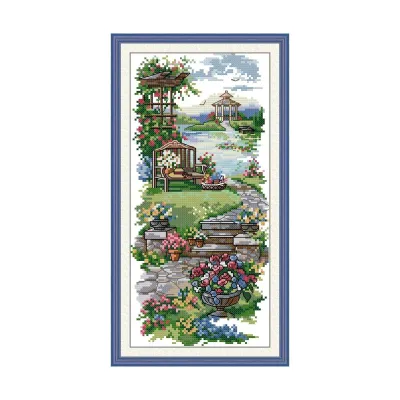
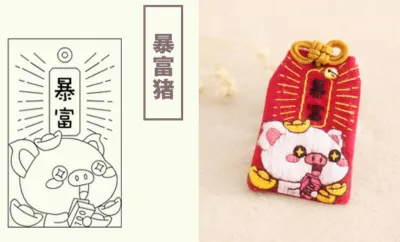
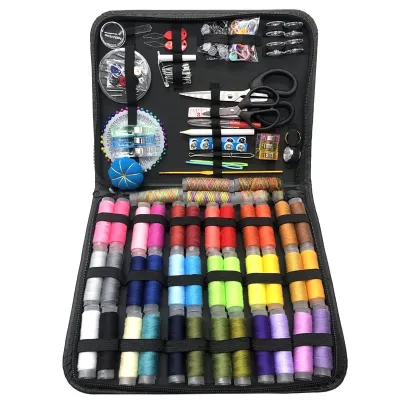
A comprehensive starter set should contain everything you need to complete your first project without requiring an immediate trip to a local craft store. At a minimum, the kit must include a sturdy embroidery hoop, a selection of appropriate needles, pre-sorted embroidery floss, a piece of suitable fabric, and a pair of small, sharp scissors or thread snips. Some kits also include a water-soluble transfer pen or pre-printed patterns directly on the fabric, which are incredibly helpful for beginners who are not yet comfortable transferring designs freehand.
When evaluating product labels and descriptions, look for specific material quality indicators that guarantee durability and ease of use. High-quality kits feature rust-resistant needles, typically made of nickel-plated or gold-plated steel, which glide smoothly through fabric without snagging. The embroidery threads should be colorfast, meaning the dyes will not bleed when the finished piece is washed or exposed to moisture—a crucial factor in humid climates like Singapore’s. The fabric should be a tightly woven, natural fiber such as 100% cotton or linen, which provides a stable foundation and holds stitch tension far better than loose, synthetic alternatives.
Products mentioned in this guide
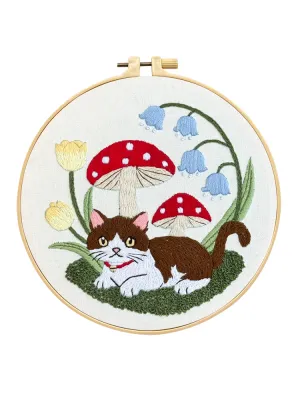
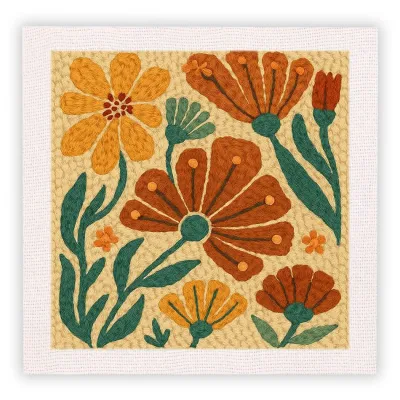
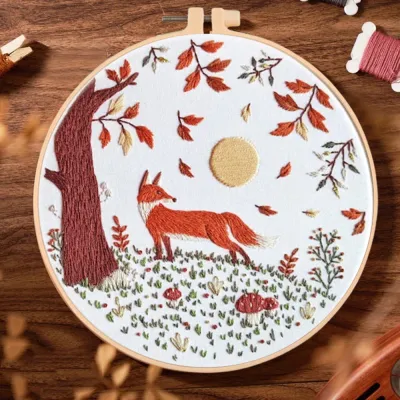
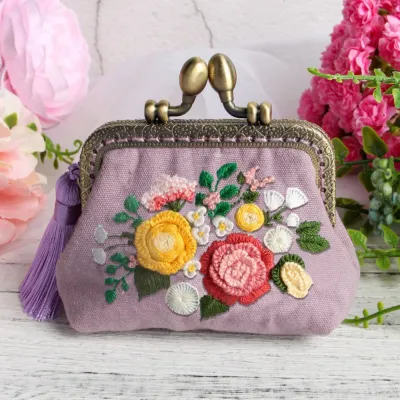

Prices are valid at publication and may change. Please refer to the product page for the latest price.
Instructional support is another critical element of a beginner-friendly kit. Look for brands that provide clear, step-by-step printed guides with detailed diagrams of basic stitches, such as the backstitch, satin stitch, and French knot. Many modern brands supplement these printed instructions with QR codes linking to high-definition video tutorials, allowing you to observe the exact hand movements and needle angles required for each technique.
Finally, consider the packaging and organization of the kit. A well-designed starter set keeps small tools and thread colors neatly sorted. Look for kits that include thread cards or bobbins where each color is pre-wound and clearly labeled with its corresponding color code. This prevents the stranded cotton from tangling into an unusable knot and makes it easy to pause and resume your project at any time.
Types of Embroidery Brands to Consider for Beginners
As you explore the needlework market, you will encounter three primary categories of brands, each catering to different budgets, learning styles, and project goals. Understanding these categories helps you align your purchase with your personal commitment level.

Established craft and stationery brands are widely available in physical retail stores and reputable online shops. These brands offer standardized quality, reliable customer service, and well-rounded general kits that appeal to a broad audience. Because they manufacture on a large scale, their quality control is highly consistent, meaning you are unlikely to encounter splintered hoops or dry, brittle threads. These kits are excellent for beginners who want a dependable, hassle-free experience with standard materials.
Specialty needlework brands focus on traditional techniques, historical styles, and premium natural materials. These brands often specialize in specific niches, such as crewel embroidery using fine wool threads, goldwork using metallic wires, or sashiko using heavy cotton running stitches. While these kits carry a higher price tag, they are ideal for beginners who are committed to learning a specific style and want to work with heirloom-quality materials from day one. The instructions in specialty kits are often written by experienced textile artists, offering deep insights into historical techniques.
Budget-friendly or generic online brands, frequently found on major ecommerce platforms, offer highly cost-effective entry points into the craft. These kits are incredibly popular because they allow you to try embroidery for a minimal financial investment. However, quality control can vary significantly. While some generic kits offer surprisingly good value, others may include flimsy plastic hoops that fail to hold fabric tension, or threads that fray and break easily. If you choose this route, it is essential to inspect user feedback carefully and verify the exact materials included before purchasing.
To match a brand category to your commitment level, consider your long-term goals. If you are simply looking for a relaxing weekend activity to test your interest, a budget-friendly generic kit or a standard craft brand set is a sensible, low-risk choice. If you already know you love textile arts and want to create a piece of lasting home decor, investing in a specialty needlework brand will provide a more satisfying tactile experience and a superior finished product.
Essential Tools to Inspect in Your First Embroidery Kit
Before purchasing any starter set, take a close look at the individual tools included to ensure they meet basic functional standards. The quality of these individual components directly impacts your stitching rhythm and the neatness of your work.
The embroidery hoop is the foundation of your project, responsible for keeping the fabric drum-tight while you stitch. If you are looking at wooden or bamboo hoops, check that the inner and outer rings fit together flush without any visible gaps, and ensure the wood is sanded completely smooth to prevent splinters from catching on your fabric or threads. Plastic hoops often feature a built-in groove or ridge that locks the fabric in place, making them highly effective at maintaining tension, though they lack the classic aesthetic of wood. Ensure the tightening mechanism—usually a metal screw at the top—is sturdy and easy to turn; screws with a slot for a flathead screwdriver allow you to tighten the hoop far more securely than those that rely solely on finger strength.
Needles are another critical component to inspect. A beginner kit should include crewel or embroidery needles, which feature sharp points to pierce the fabric easily and elongated eyes to accommodate multiple strands of embroidery floss. Avoid kits that include blunt tapestry needles, as these are designed for open-weave canvases like cross-stitch and will damage tightly woven embroidery fabrics. The needles should feel rigid and smooth, with no rough edges inside the eye that could shred your thread.
Embroidery thread, or floss, is typically made of six-ply stranded cotton. High-quality thread should have a subtle sheen, feel smooth to the touch, and separate easily into individual plies without immediately fraying or knotting. If the thread looks dull, fuzzy, or uneven in thickness, it may be prone to tangling and breaking as you pull it through the fabric.
The fabric included in your kit should have a visible, even weave that is easy to count but tight enough to support your stitches. Medium-weight cotton sailcloth, linen, or calico are excellent choices for beginners. Avoid kits that use thin, stretchy fabrics or synthetic polyesters, as these will pucker and distort under the tension of your stitches. Additionally, check if the kit includes a pair of dedicated embroidery scissors. These should be small, lightweight, and feature fine, sharp tips that allow you to snip threads close to the fabric surface without accidentally cutting nearby stitches.
How to Verify Brand Quality Before Buying
With so many options available online and in local craft shops, taking a few systematic steps to verify a brand’s quality before making a purchase will save you time and money.
Start by reading user reviews on independent blogs, craft forums, or online marketplaces, paying close attention to specific beginner pain points. Look for comments mentioning whether the threads tangled or snapped frequently, if the hoop slipped during use, or if the needles were too dull to pierce the fabric. Be cautious of reviews that only praise the cute design of the pattern; instead, look for feedback that evaluates the physical usability of the tools. In humid environments like Singapore, pay attention to reviews mentioning whether metal parts rusted quickly or if wooden hoops warped or developed mold over time.
Next, cross-reference the kit’s description on the brand’s official website or authorized craft retailers. Official listings generally provide precise, itemized specifications, such as the exact fiber content of the fabric, the brand of the embroidery floss, and the size of the hoop. If a listing uses vague terms like “high-quality thread” or “durable hoop” without specifying materials, it may indicate that the manufacturer is using cheaper, non-standard components.
It is also helpful to compare the price of the starter kit against the cost of purchasing the equivalent standalone tools. Calculate the cost of a high-quality hoop, a pack of reputable needles, a few skeins of branded embroidery floss, and a piece of linen. If a starter kit is priced significantly lower than these combined individual items, the manufacturer may have compromised on material quality, or the kit may rely on excessive filler items like plastic threaders and cheap plastic thimbles to make the set look larger than it is.
If you encounter unclear material compositions or lack of safety warnings—especially regarding sharp embroidery snips or chemical dyes—stop and consult the manufacturer’s customer service. A reputable brand will be happy to provide detailed specifications regarding their manufacturing standards, material safety, and product origin, giving you peace of mind before you begin your needlework journey.
Frequently Asked Questions (FAQ)
Can I use regular sewing thread for beginner embroidery?
Regular sewing thread is not recommended for traditional hand embroidery due to its structural differences.
Key Differences:
- Thread Structure: Sewing thread is typically a single-ply or two-ply polyester or cotton blend designed to be thin, strong, and low-profile so it can run smoothly through a sewing machine. Embroidery floss, on the other hand, is a six-ply stranded cotton thread designed specifically for hand stitching.
- Stitch Texture: The individual plies of embroidery floss can be separated, allowing you to adjust the thickness of your stitches to create different textures, fine details, or bold outlines. Using regular sewing thread for embroidery results in flat, thin stitches that lack the rich texture, sheen, and coverage characteristic of traditional needlework.
Do I need to buy a premium brand for my first embroidery project?
You do not need to invest in a premium, high-end brand for your very first embroidery project, but you should avoid the absolute cheapest, unbranded kits.
Upgrade Priority List:
- First Priority (Hoop): A high-tension wooden or plastic hoop is the most important upgrade, as consistent fabric tension directly impacts stitch neatness.
- Second Priority (Scissors): Ergonomic, ultra-sharp embroidery scissors make clean snips and prevent thread fraying at the back of your work.
- Third Priority (Threads and Fabric): Premium specialty threads and hand-dyed fabrics can be introduced later as you progress to complex, custom designs.

Community discussion
Share your experience or ask a question. Comments are reviewed before publication.