
Medium-weight, 100% cotton with a plain weave is widely considered the standard starting point for patchwork due to its stability, ease of pressing, and predictable handling. However, the ideal choice ultimately depends on your specific project goals, skill level, and equipment. Before making a purchase, evaluating the fiber content, structural weight, and tool compatibility will help you select fabrics that piece together smoothly and endure over time.
Selecting the right material ensures that your seams align perfectly and your finished quilt retains its shape after washing. While experienced quilters sometimes experiment with mixed textures, beginners will find that sticking to consistent, high-quality cotton minimizes frustration during the cutting and piecing stages. By understanding how different fibers behave under the needle, you can make informed decisions at the fabric store or when browsing online marketplaces.
Understanding Fabric Materials for Patchwork
The fiber content of your fabric dictates how it behaves during cutting, sewing, pressing, and washing. For most patchwork projects, 100% cotton is the gold standard because the natural fibers grip each other slightly, preventing pieces from sliding around while you sew. Cotton also responds exceptionally well to a hot iron, allowing you to press seams completely flat, which is essential for achieving sharp points and matching corners in complex blocks.
Products mentioned in this guide
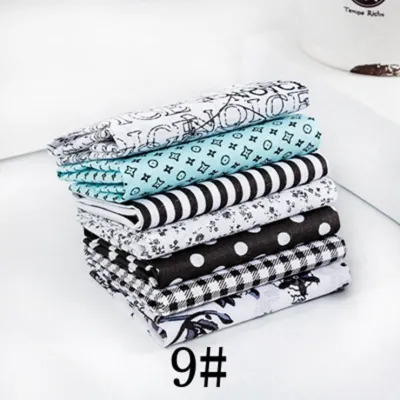
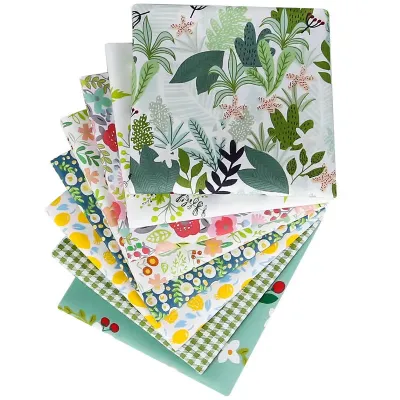
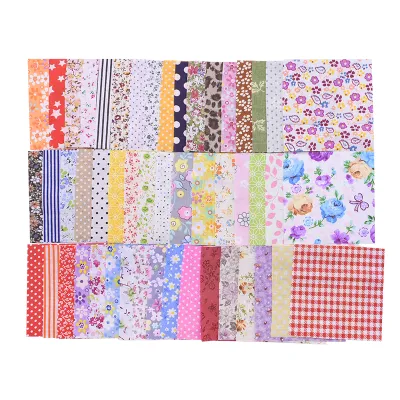
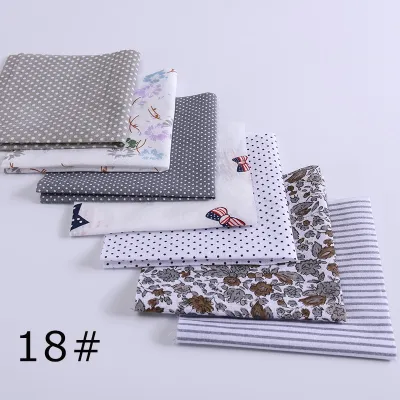
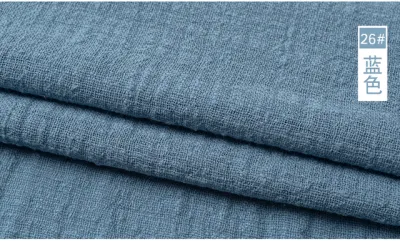
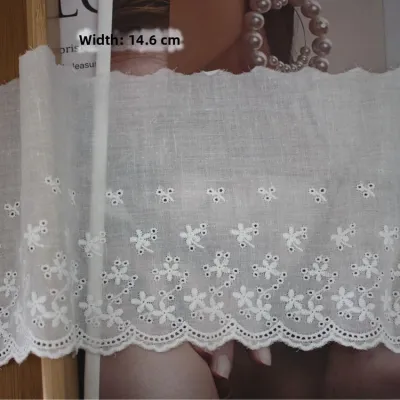
Prices are valid at publication and may change. Please refer to the product page for the latest price.
Alternative fibers introduce unique textures and drapes but come with distinct handling challenges. Linen, for example, offers a beautiful, rustic aesthetic and a substantial hand feel, but its loose weave makes it highly prone to fraying and stretching along the bias. Flannel provides warmth and a cozy, brushed texture, but its loft can lead to bulky seams that are difficult to quilt over. Polyester blends and synthetic fabrics are often budget-friendly and resist wrinkling, but they lack the crisp pressing memory of natural fibers and can slip easily under the presser foot.
When sourcing materials, it is crucial to read the fabric bolt or online product description carefully to distinguish between marketing names and actual fiber composition. A fabric labeled as “quilting cotton” should ideally be 100% cotton, but some lower-quality options or fashion fabrics may contain synthetic blends that alter how the material behaves. Always check the fiber percentage breakdown on the manufacturer’s label rather than relying solely on descriptive terms like “soft touch” or “silky finish,” which do not guarantee fiber content.
Evaluating Fabric Weight and Weave Structure
Fabric weight is typically measured in grams per square meter (GSM) or ounces per square yard, and it directly influences the structural integrity of your patchwork. Medium-weight fabrics, often specifically designated as “quilting weight” cottons, generally range from 130 to 160 GSM. This weight provides the perfect balance of pliability and structure, making it sturdy enough to hold its shape during intricate piecing while remaining thin enough to prevent bulky, uneven seams.

Lightweight fabrics, such as voile, lawn, or rayon, present significant challenges for traditional patchwork. These delicate materials tend to shift and distort easily when cut, and their fine threads can fray rapidly along raw edges, potentially weakening your seams over time. Conversely, heavyweight fabrics like denim, canvas, or heavy upholstery materials create massive bulk at seam intersections where multiple fabric layers meet. This bulk can strain your sewing machine, break needles, and result in an uneven quilt top that is difficult to hand or machine quilt.
The weave structure of the fabric also plays a vital role in how easily it can be manipulated. A tight, balanced plain weave—where the warp and weft threads cross over and under each other in a simple alternating pattern—is highly recommended for patchwork. This structure ensures the fabric has minimal stretch along the straight grain, allowing you to cut precise geometric shapes that will not warp out of shape. Looser weaves or satin weaves tend to distort easily when handled, making it difficult to maintain accurate seam allowances.
Checking Sewing Machine and Tool Compatibility
Your choice of patchwork fabric must align with your sewing machine setup and tools to ensure clean results and prevent mechanical issues. For standard medium-weight quilting cotton, a universal or sharp (Microtex) needle in size 70/10 or 80/12 is generally ideal. If you choose to work with denser weaves or heavier fabrics like flannel, upgrading to a size 90/14 needle will help prevent skipped stitches and needle deflection. Match your needle with a high-quality 50-weight cotton thread, which is strong yet thin enough to keep your seam allowances flat.
Pressing is an integral part of the quilting process, and your iron settings must be adjusted to match your fabric’s fiber content. Pure cotton can withstand high heat and heavy steam, which are necessary to set seams and flatten bulky intersections. However, if your fabric contains polyester or other synthetic blends, you must lower the iron’s temperature to prevent the fibers from melting or scorching. Using a pressing cloth or a non-stick iron shoe can provide an extra layer of protection when working with delicate or unfamiliar fiber blends.
Cutting tools also require careful consideration based on the fabric’s density and weave. A sharp rotary cutter with a fresh blade is essential for slicing through multiple layers of plain-weave cotton without causing frayed edges or thread pulls. If you are cutting looser weaves like linen or thicker fabrics like flannel, you may need to replace your rotary blade more frequently to maintain clean, precise cuts. Always use an acrylic ruler and a self-healing cutting mat to stabilize the fabric and prevent it from shifting under the blade.
Inspecting and Preparing Fabric Before Cutting
Before you begin cutting your fabric into patchwork pieces, a thorough inspection is necessary to identify any defects that could ruin your finished project. Examine the fabric under good lighting to check for printing flaws, dye spots, or weaving irregularities. Additionally, look at the grainline by checking if the warp and weft threads run perpendicular to each other; if the fabric was wound onto the bolt crookedly, you may need to gently pull it on the diagonal to realign the grain before cutting.
Pre-washing fabric is a personal preference, but it is highly recommended if you are combining highly contrasting colors, such as deep reds and bright whites. Pre-washing removes manufacturing chemicals, starch, and excess dye, while also pre-shrinking the fabric so your finished quilt does not distort during its first wash. If you choose to pre-wash, follow the manufacturer’s care instructions, use a gentle cycle with mild detergent, and consider using a color-collecting sheet in the wash cycle to capture any loose dye.
Once your fabric is washed and dried, or if you choose to work with unwashed fabric, proper pressing is the final step before cutting. Use a dry iron or light steam to press out any wrinkles, working along the straight grain of the fabric rather than pushing the iron diagonally, which can stretch and distort the material. Ensuring the fabric lies completely flat and true to the grain allows you to measure and cut your patchwork pieces with the absolute precision required for a successful quilting project.
Frequently Asked Questions (FAQ)
Can I mix different fabric weights in a single patchwork project?
Mining different fabric weights in a single patchwork project is possible but requires careful planning and technique to avoid structural issues. When you join a lightweight fabric to a heavyweight one, the uneven thickness can cause puckering, tension imbalances, and distorted seams. To minimize these risks, you can apply a lightweight, fusible woven interfacing to the back of the lighter fabric to match the stability and weight of the heavier material. Additionally, pressing your seams open rather than to one side can help distribute the bulk more evenly across the quilt top.
How do I test if a patchwork fabric will bleed color?
To test if a fabric will bleed color, cut a small swatch or a corner of the material and submerge it in a bowl of warm water mixed with a small amount of mild detergent. Let it soak for about ten to fifteen minutes, then press the wet fabric firmly between two layers of a clean, white paper towel. If any color transfers to the paper towel, the fabric is not colorfast and will likely bleed in the wash. In this case, you should pre-wash the fabric multiple times with color catchers or use a commercial color-fixative product according to the manufacturer’s instructions before piecing it into your quilt.

Community discussion
Share your experience or ask a question. Comments are reviewed before publication.