
Shortening pants without a needle and thread is a highly practical skill, especially in Singapore where sudden weather changes or shoe swaps require quick wardrobe adaptations. No-sew hem clips offer a temporary, adjustable, and damage-free way to alter your trousers on the go. By understanding how different clip designs interact with various fabric weights, you can achieve a clean, tailored look without committing to permanent alterations.
To find the most effective option for your wardrobe, you must evaluate the clip’s gripping mechanism, material durability, and how well it matches the weight of your specific trouser fabric. This guide details the essential selection criteria, application steps, and fabric compatibility checks to ensure your temporary hem remains secure and invisible.
Understanding No-Sew Hem Clip Mechanisms
Mechanical grip clips utilize a spring-loaded or clamp-down lever system to pinch the folded fabric securely. These are highly reliable for holding multiple layers of fabric but require careful selection to ensure the clamping pressure does not crush delicate fibers. They are typically made of metal or high-density plastic and are best suited for structured trousers.
Products mentioned in this guide
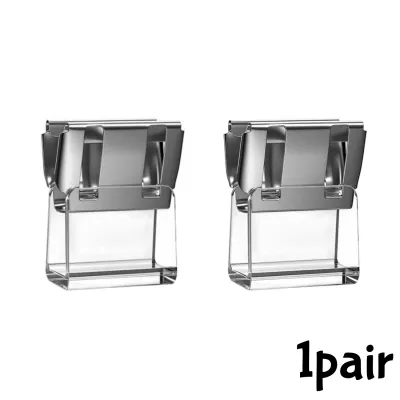
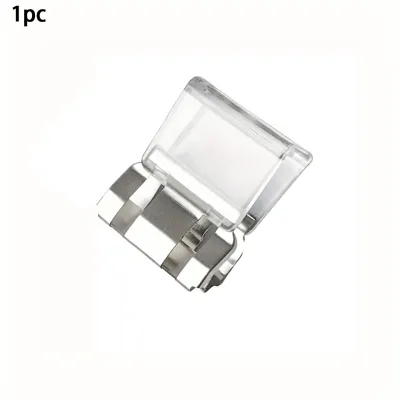
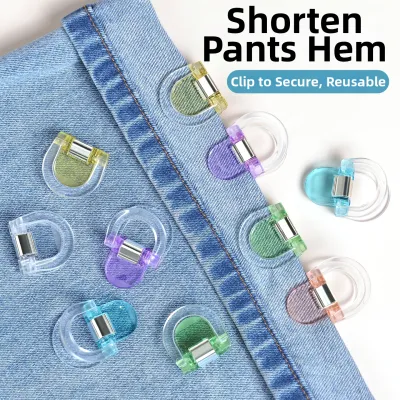
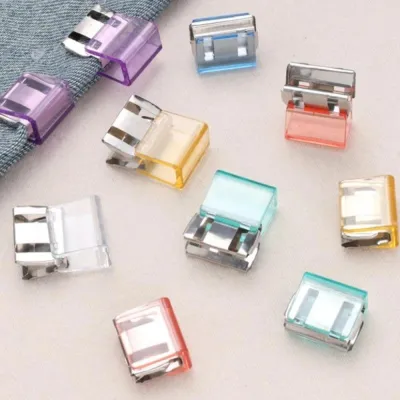
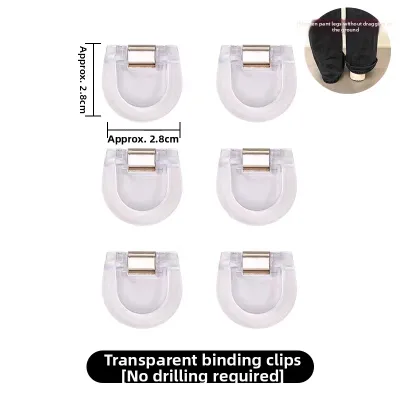
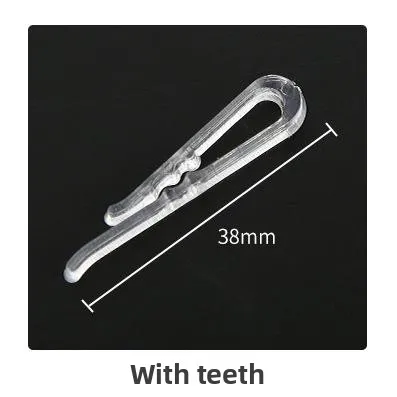
Prices are valid at publication and may change. Please refer to the product page for the latest price.
Magnetic clasps consist of pairs of strong magnets, often encased in a soft silicone or fabric sleeve to protect the garment. They hold the hem by sandwiching the fabric between them. While they offer an incredibly low profile and are virtually invisible from the outside, their holding power is limited by the thickness of the fabric. Excessively thick materials can weaken the magnetic bond, causing them to slide off during movement.
Adhesive-backed fasteners are temporary strips or clips that use a pressure-sensitive adhesive to bond the folded hem to the inside of the pant leg. Unlike permanent fusible tapes, these are designed for easy removal. However, in Singapore’s warm and humid climate, perspiration and ambient moisture can degrade the adhesive bond over the course of a day, making them less reliable for long outdoor wear.
When compared to alternatives, hem clips offer distinct advantages. Fusible hem tape requires a hot iron to melt an adhesive web into the fabric fibers, creating a semi-permanent bond that can be difficult to reverse without leaving a sticky residue. Safety pins, while readily available, concentrate all the fabric’s weight onto a single sharp point, which can easily puncture threads, create unsightly puckering, and lead to permanent snags.
Hem clips distribute the holding force across a wider surface area, require no heat or tools, and can be adjusted or removed in seconds. This makes them the ideal choice for quick daily adjustments, such as shortening trousers to wear with flat shoes during a commute and releasing them for heels at the office.
Key Selection Criteria for Hem Clips
Given Singapore’s high relative humidity, selecting rust-resistant materials is critical. Standard steel clips can quickly oxidize when exposed to moisture or sweat, leaving stubborn orange rust stains on your trousers. Opt for clips made from stainless steel, brass, or high-grade polycarbonate plastics. Furthermore, inspect the finish of the clip; the edges must be perfectly smooth and free of burrs or sharp plastic molding lines that could snag fabric threads.

The physical dimensions of the clip dictate how flat the hem will lie. A clip with a wide gripping surface, typically 1.5 to 3 centimeters, distributes the fabric’s weight more evenly, preventing the hem from sagging between clip points. Conversely, the profile height—how far the clip protrudes from the fabric—should be as low as possible. High-profile clips create noticeable bulges, especially in slim-fit or lightweight trousers, ruining the clean line of your outfit.
The ideal clip provides a balanced clamping force. It must be strong enough to withstand the physical pulling that occurs when you walk, sit, or climb stairs, yet gentle enough to release without tearing the fabric. Look for clips featuring adjustable tension settings or those lined with silicone or rubber pads. These pads not only enhance slip resistance but also act as a protective cushion for the fabric fibers.
Before using any new clip, perform a simple compatibility check. Clamp the clip onto an inconspicuous area of the fabric, such as the inside of a pocket or the inner hem allowance, and leave it for an hour. After removal, inspect the area for fiber displacement, permanent indentations, or color transfer. If the fabric recovers its original texture quickly, the clip is safe to use.
Matching Clip Types to Fabric Weights and Occasions
Lightweight fabrics such as linen, silk, rayon, and thin cotton are highly popular in Singapore due to their breathability. However, they are also the most vulnerable to damage and aesthetic issues when clipped. Heavy metal clips will drag lightweight fabric down, creating an awkward drape and pulling the hem out of alignment. For these fabrics, lightweight plastic mechanical clips with padded jaws or small, low-profile magnetic clasps are ideal.
Medium to heavy fabrics like denim, heavy chinos, corduroy, and wool trousers require a completely different approach. These fabrics possess significant weight and stiffness, which can easily pop open weak magnetic clasps or low-tension plastic clips. For these materials, robust stainless steel or brass mechanical clamps with a wider jaw opening are necessary. The clip must have sufficient clearance to accommodate three to four layers of folded heavy fabric without bending.
The formality of your setting dictates where and how the clips should be positioned. For formal business meetings, weddings, or upscale dining, maintaining a completely hidden hem is paramount. In these scenarios, internal clips that attach entirely on the inside of the trouser leg are essential. For casual outings, minor clip visibility might be less critical, but choosing a clip color that closely matches your pants helps maintain a clean, cohesive appearance.
Step-by-Step Application for a Secure Fit
To achieve a secure and even hem, start by putting on the trousers along with the specific shoes you intend to wear. The height of your shoe soles dramatically affects where the hem should fall. Stand naturally in front of a full-length mirror and fold the excess fabric inward until the new hemline sits at your desired height. Use tailor’s chalk or temporary fabric markers to mark this exact fold line around both pant legs.
Remove the trousers and lay them flat on a clean, hard surface. Fold the fabric inward along the marked line. To ensure a professional finish, use a ruler or measuring tape to verify that the fold depth is consistent all the way around the leg opening. For lightweight fabrics, a double fold can help hide raw edges and add structure, while a single fold is preferred for heavy fabrics to prevent excessive bulk.
Start securing the clips by placing one at the inner inseam and another at the outer outseam. This anchors the two main structural points of the trouser leg. For straight-leg or wide-leg pants, the fabric may sag in the middle; in such cases, add a third clip at the front center and a fourth at the back center. Ensure the clips are pushed fully onto the folded edge so they grip the maximum amount of fabric layers.
Put the trousers back on and perform a series of physical movements to test the hold. Walk across the room, sit down in a chair, bend your knees, and take a few steps. Observe the hem in the mirror to ensure it remains level and does not drag. Check if the clips rub uncomfortably against your ankles, and adjust the clip placement or tension if you notice any slippage or discomfort.
Limitations and When to Choose Professional Tailoring
While no-sew hem clips are incredibly versatile, they are not a universal replacement for traditional tailoring. Certain fabric characteristics make them highly unsuitable. For instance, extremely slippery synthetic fabrics like high-sheen satin or polyester may not provide enough friction for mechanical clips, leading to inevitable slippage during active wear. Conversely, ultra-delicate fabrics like chiffon, fine lace, or heavily embellished materials can be easily ruined by the physical pressure of a clamp.
Warning signs of fabric distress should never be ignored. If you remove a clip and find deep, stubborn creases that do not relax after a light steaming, or if you observe broken or shifted threads where the clip was clamped, the fabric is too delicate for this method. Additionally, if you find yourself constantly adjusting the clips throughout the day because they are sliding down, the fabric is either too heavy for the clip’s tension or too slippery for its grip surface.
In these situations, or when dealing with high-value garments such as bespoke suits, evening gowns, or delicate heirloom pieces, professional tailoring is the only safe and reliable option. A professional tailor can perform a blind hem stitch that permanently secures the fabric without adding bulk, visible lines, or risking structural damage to the textile fibers.
Frequently Asked Questions (FAQ)
Can hem clips damage the fabric of my pants?
Yes, there is a potential for damage if the clips are used incorrectly or on unsuitable fabrics. Prolonged clamping tension can crush delicate fibers, while sharp edges or rough finishes on cheap clips can snag and tear threads. To minimize this risk, always inspect the inner grip surfaces of your clips to ensure they are perfectly smooth or lined with protective silicone. Additionally, avoid leaving clips attached to your pants for extended periods; remove them immediately after wear to allow the fabric fibers to relax and prevent permanent crease lines from setting into the material.
How do I wash pants with hem clips attached?
You should never wash your pants with mechanical or magnetic hem clips still attached. Laundering pants with clips secured poses several severe risks: the agitation of the washing machine can cause metal clips to rust rapidly, staining your garments. The hard edges of the clips can snag, tear, or puncture the pant fabric and other clothes in the wash cycle. Furthermore, loose clips can detach and damage the internal drum or pump of your washing machine. Always remove all clips before washing, and only reapply them once the trousers are completely clean, dry, and pressed.

Community discussion
Share your experience or ask a question. Comments are reviewed before publication.