
To ensure a successful relocation, the two most critical carton box specifications you must consider are wall thickness (single-wall versus double-wall) and dimensions scaled to item density. Choosing the wrong box leads to collapsed stacks, broken valuables, and physical strain. Selecting the right carton box moving setup requires matching the physical properties of your corrugated cardboard to the weight and fragility of your household items.
The fundamental rule of packing is simple: heavy items go into small, rigid boxes, while light, voluminous items go into larger containers. By understanding how cardboard thickness and box sizes interact, you can protect your belongings, optimize space in the moving truck, and make the lifting process significantly safer.
Understanding Carton Wall Thickness: Single vs. Double Wall
Corrugated cardboard consists of flat outer paper layers, known as liners, sandwiching a wavy, arched layer called fluting. The flutes act as columns that resist vertical pressure, while the liners hold the structure together. The arrangement and number of these layers determine the box’s overall strength and suitability for different types of cargo.
Products mentioned in this guide
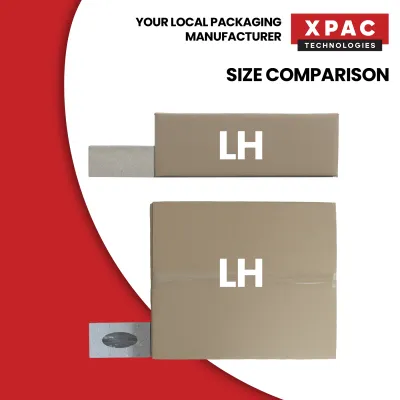
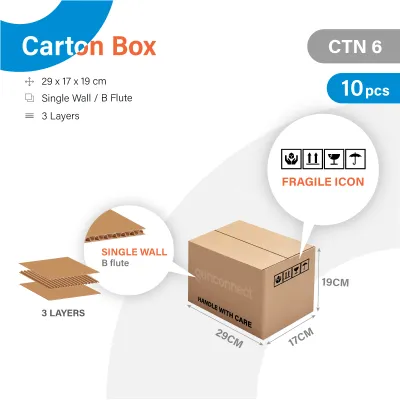
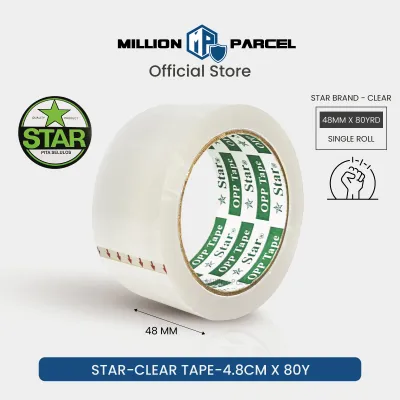
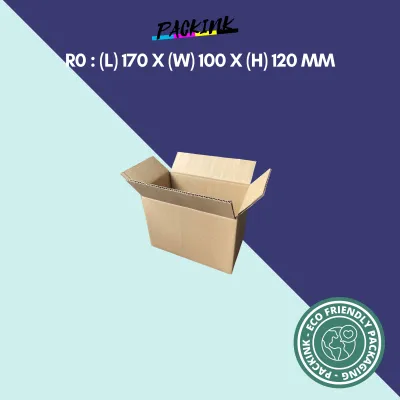
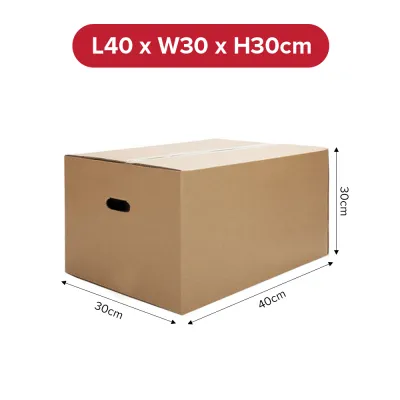
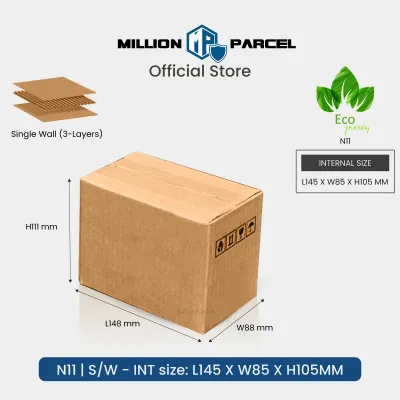
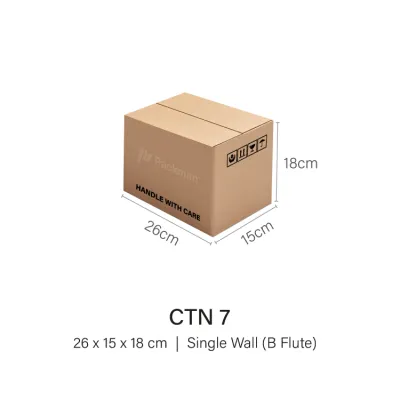
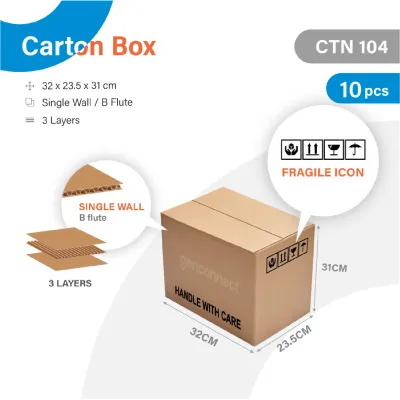
Prices are valid at publication and may change. Please refer to the product page for the latest price.
Single-wall cartons feature one layer of fluting between two flat liners. These are lightweight, cost-effective, and highly flexible, making them ideal for light to medium-weight items that do not put excessive outward or downward pressure on the cardboard. They are the standard choice for most everyday household goods that are not highly fragile.
Double-wall boxes contain two layers of fluting separated by an intermediate liner, flanked by two outer liners. This five-layer construction dramatically increases puncture resistance and rigidity, providing the structural support necessary for heavy, fragile, or high-value belongings. The extra thickness acts as a buffer against external impacts during transit.
You can easily verify the box type by looking at the exposed edges of the top flaps. A single-wall box shows a single row of wavy flutes, whereas a double-wall box displays two distinct rows stacked on top of each other. Pressing your thumb against the side panel is another quick test; double-wall cardboard will resist flexing, while single-wall cardboard will give slightly under moderate pressure.
Stacking strength is where these two specifications packaging profiles diverge most critically. In a moving truck or storage unit, boxes are stacked several layers high, putting immense vertical load on the bottom cartons. Double-wall boxes resist crushing under prolonged vertical loads, whereas single-wall boxes are prone to bowing and collapsing when subjected to heavy weight from above.
Standard Carton Sizes and What They Fit Best
Matching the correct box size to your belongings prevents box failure and minimizes the risk of personal injury. When boxes are too heavy or packed incorrectly, they become difficult to handle and are more likely to slip or rupture during transport.

Small Boxes for Dense and Heavy Items
Small cartons, typically measuring around 30 x 30 x 30 cm or 40 x 30 x 30 cm, are designed to hold dense, heavy items. These include books, files, hand tools, canned food, and heavy kitchen appliances.
Using large boxes for these heavy items is a common mistake that often leads to bottom blowouts and torn handles. Keeping heavy items in small containers ensures the total weight remains manageable, protecting both the cardboard seams and your back during lifting.
Medium Boxes for Everyday Household Goods
Medium cartons, roughly 45 x 40 x 40 cm, serve as the versatile workhorses of any residential move. They offer a balanced volume and weight capacity for general household goods.
These boxes are perfect for packing pots and pans, shoes, toys, clothing, and medium-sized electronics. When packing medium boxes, distribute the weight evenly and fill any remaining empty spaces with packing paper to prevent items from shifting and putting uneven pressure on the box walls.
Large and Extra-Large Boxes for Bulky, Light Items
Large and extra-large cartons, ranging from 50 x 50 x 50 cm to 60 x 60 x 60 cm, provide the high volume needed to transport bulky but lightweight items.
Use these spacious boxes exclusively for bedding, pillows, winter wear, cushions, and lightweight plastic toys. Avoid the temptation to pack heavy items into these large volumes simply because they fit; doing so makes the box impossible to carry safely and increases the likelihood of structural failure.
Specialty Cartons for Specific Belongings
Some household items do not fit standard rectangular boxes or require specialized structural support to survive a move intact. Investing in specialty cartons can save valuable time and protect high-value assets.
Wardrobe boxes feature a built-in metal hanging bar, allowing you to transfer clothes directly from your closet on their hangers, keeping them clean and wrinkle-free. Dish packs are engineered with thick, double-wall construction and customizable internal cardboard dividers to isolate fragile glassware, plates, and ceramics from external impacts. For flat, fragile surfaces, picture and mirror boxes use a telescoping design that slides over framed artwork to provide snug, rigid protection against bending and surface scratches.
Secondary Specs: What Matters and What You Can Ignore
When purchasing moving boxes, look for the manufacturer’s stamp on the bottom flap, which often lists the Gross Weight Limit or the Edge Crush Test (ECT) rating. Treat these weight limits as absolute safety boundaries rather than targets; packing up to the exact limit reduces your margin of safety during transit.
Built-in hand holes are highly practical secondary features that facilitate ergonomic lifting and carrying. They are especially valuable when navigating narrow corridors, stairwells, or elevators during a Singapore move, though you must ensure they are not blocked by internal packing materials.
Conversely, you can safely ignore aesthetic factors such as box color, external printed branding, or minor millimeter-level variations in dimensions. A plain brown kraft box performs identically to a bleached white or branded box of the same structural specification.
Focus your moving budget on high-quality structural specifications—such as choosing double-wall boxes for your breakables—rather than paying a premium for decorative printing or proprietary brand labels.
Inspecting and Preparing Cartons for a Safe Move
Before packing any box, especially if it is reused or has been stored for a while, inspect it thoroughly for signs of wear. Check for crushed corners, deep creases, soft spots in the cardboard, or compromised fluting, as these defects can reduce a box’s structural integrity by up to 50 percent.
Corrugated cardboard is highly sensitive to moisture, which softens the paper fibers and degrades the adhesive holding the flutes together. Given Singapore’s high relative humidity, store your cartons in a dry, air-conditioned room or off the floor on plastic sheeting before packing, and avoid packing boxes on rainy days if they will be exposed to the elements.
To secure the bottom of your cartons, use the “H-tape” method: apply a strip of heavy-duty packing tape along the center seam, and then apply two additional strips along the open side edges. This seals all open seams, distributes the weight evenly across the base, and prevents the flaps from splitting open under load.
Establish a clear safety boundary for your packing materials: if a box has previously been wet, has torn flaps, or shows visible sagging along its vertical edges, discard or recycle it. The small cost of replacing a compromised box is negligible compared to the expense of replacing broken electronics or sentimental glassware.
Frequently Asked Questions (FAQ)
Can I use single-wall boxes for fragile items if I use enough bubble wrap?
While bubble wrap provides excellent cushioning against internal shocks and surface scratches, it cannot compensate for a weak outer container. Under the heavy stacking pressure of a moving truck, a single-wall box can easily buckle, causing the stack to lean and crush the items inside regardless of how much padding you use. For fragile, heavy, or highly valuable items, always use a double-wall carton to ensure the box itself bears the structural load.
How do I calculate how many moving boxes I will need?
As a general rule of thumb for a typical Singapore home, estimate roughly 15 to 20 boxes per room, adjusting upward if you have extensive collections of books or kitchenware. It is vital to purchase a varied mix—such as 40% medium, 35% small, 15% large, and 10% specialty boxes—rather than relying solely on large containers. A balanced selection ensures you can distribute weight safely, preventing the overpacking and structural failures that occur when trying to fit everything into a few oversized boxes.

Community discussion
Share your experience or ask a question. Comments are reviewed before publication.