
Crocheting in Singapore’s warm, humid climate requires selecting a yarn that balances softness, breathability, and ease of care. Milk yarn has emerged as a highly popular choice among local crafters, offering a silky texture and vibrant colour payoff that makes it ideal for everything from amigurumi to lightweight garments. However, navigating the local market requires understanding what you are actually buying, as the term “milk yarn” covers a wide spectrum of fiber blends. By learning how to evaluate fiber content, ply structure, and sourcing options, you can confidently select the best materials for your next creative project.
Understanding Milk Yarn Types for Crochet
To make an informed purchase, it is essential to distinguish between true milk protein fiber and the widely available commercial “milk cotton” blends. True milk protein yarn is made from casein, a protein extracted from milk, which is chemically spun into a luxurious, silk-like fiber. This pure protein fiber is highly breathable, moisture-wicking, and possesses a natural sheen, but it is relatively rare, delicate, and carries a premium price tag. For most everyday crochet projects in Singapore, what you will encounter in local shops and online marketplaces is actually a synthetic-natural blend commonly marketed as milk cotton.
This commercial milk cotton is typically composed of a blend of cotton and acrylic, often in ratios such as 80% cotton and 20% acrylic, or 60% cotton and 40% acrylic. The addition of acrylic to the cotton base is what gives the yarn its signature fluffy, cloud-like softness and slight elasticity, which makes it incredibly comfortable to work with. The cotton component provides structural integrity, absorbency, and stitch definition, while the acrylic keeps the yarn lightweight and prevents the finished item from becoming too heavy or stiff.
Products mentioned in this guide
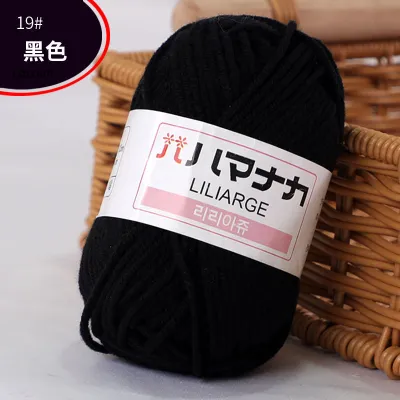
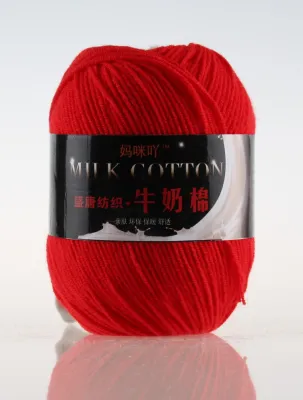
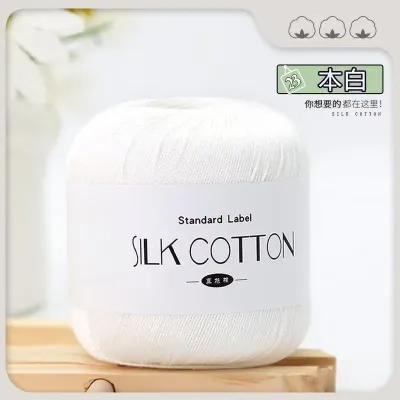
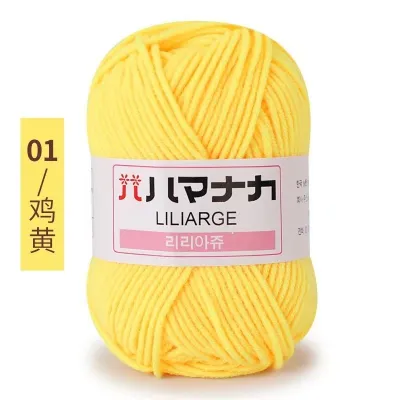
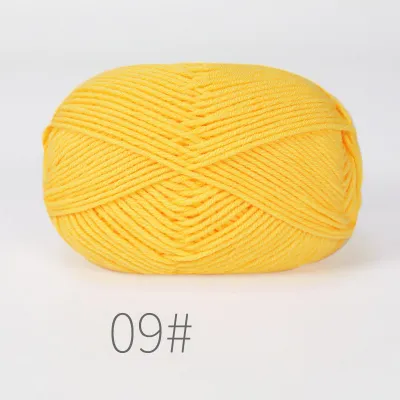
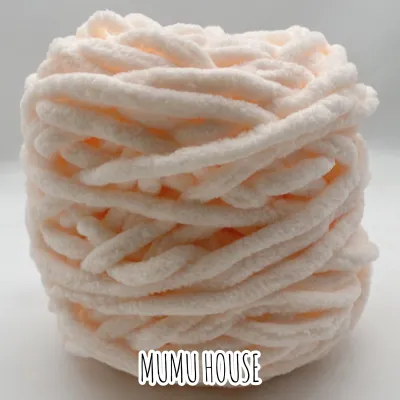
![[SG Ship]4-Ply Milk Cotton Yarn Yellow Pink White Red Knitting Crochet 4-Strand](https://img.lazcdn.com/g/p/cdff029035ac4266f5d7c84a3fec8225.jpg_400x400q80.jpg_.webp)
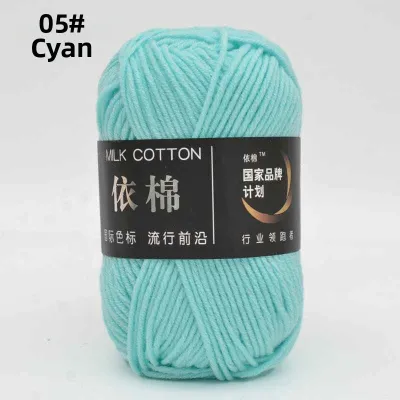
Prices are valid at publication and may change. Please refer to the product page for the latest price.
When browsing local craft listings, you must look closely at the product specifications rather than relying solely on the product title. Many online listings use “milk yarn” or “milk cotton” as catch-all search terms, sometimes applying them to 100% acrylic yarns that lack the softness and breathability of a true blend. Always check the physical paper band or the detailed product description for the exact percentage breakdown of cotton, acrylic, and any actual milk protein fibers to ensure you are getting the quality you expect.
How to Evaluate Milk Yarn Brands and Quality
Evaluating the quality of milk yarn before committing to a large project prevents issues like splitting, fading, or skin irritation. The first factor to assess is softness and how the yarn feels against the skin, which is determined by the quality of the acrylic used and the manufacturer’s finishing treatments. High-quality blends feel smooth and cool to the touch, whereas lower-grade options can feel slightly squeaky or scratchy due to cheap synthetic fibers. If you or the recipient of your crochet project have sensitive skin, prioritizing a higher cotton ratio or looking for premium brushed finishes will ensure maximum comfort.

Colour range and dye consistency are equally critical, especially for multi-coloured projects like granny square blankets or detailed amigurumi. Reputable yarn manufacturers maintain strict quality control over their dye lots, ensuring that skeins purchased in the same batch match perfectly. When buying milk yarn, check for dye lot numbers on the label; if you must mix different lots, inspect them under natural light to verify that the shades do not clash. Additionally, high-quality milk cotton holds dye exceptionally well, resisting fading even after multiple washes, which is vital for maintaining the vibrant look of your finished pieces.
To determine the true value of a yarn, look beyond the price per skein and calculate the yardage-to-weight ratio. In Singapore, a standard skein of milk cotton typically weighs 50 grams, but the actual length (yardage) can vary significantly depending on the thickness of the ply and the spinning density. A skein with a higher meter-to-gram ratio offers more working length, making it more cost-effective for larger projects. Comparing these ratios alongside the price in S$ allows you to identify which options offer the best balance of quantity and quality.
Finally, pay close attention to ply consistency and twist. A well-spun milk yarn features a tight, even twist where the individual plies are securely bound together. If the twist is too loose, the yarn will easily split when your crochet hook passes through, leading to frustrated crafting and messy stitches. You can test this by gently pulling a small section of the yarn; if the strands separate immediately with minimal tension, the yarn may require extra care and a specific hook type to work with smoothly.
Matching Yarn Weight to Your Crochet Projects
Selecting the appropriate yarn weight is key to achieving the desired drape, structure, and stitch definition for your specific crochet project. In the Singapore market, milk cotton is most commonly categorized by its ply count, with 4-ply and 5-ply being the standard options available to local crafters.
The 4-ply milk yarn, often classified as a fingering or sport weight, is highly favored for intricate, detailed work. Because of its relatively thin profile, it allows for incredibly tight, neat stitches, making it the gold standard for amigurumi (crocheted stuffed toys) where stuffing must not leak through the fabric. It is also excellent for delicate lace runners, lightweight baby booties, and summer accessories that require a delicate, non-bulky finish. When working with 4-ply milk yarn, a crochet hook size ranging from 2.0 mm to 3.0 mm is generally recommended to maintain tight stitch tension.
For projects that require more substance, drape, and faster progress, 5-ply milk yarn is the preferred choice. Equivalent to a light DK or sport weight, this thickness is highly versatile and works beautifully for wearable garments like sweaters, cardigans, and summer tops, as well as functional items like tote bags and cushion covers. The slightly thicker strands provide excellent stitch definition, allowing textured patterns like cables or waffle stitches to stand out clearly. For 5-ply yarn, a hook size between 3.0 mm and 4.0 mm typically yields the best balance of structure and flexibility.
Always consult the recommended hook size printed on the yarn band as a starting point, but do not hesitate to adjust based on your personal tension. If you tend to crochet tightly, switching to a slightly larger hook can prevent the fabric from becoming too stiff; conversely, if your stitches are loose, a smaller hook will help maintain the necessary structural integrity.
Where to Find and Verify Milk Yarn in Singapore
Finding reliable milk yarn in Singapore involves a mix of visiting local brick-and-mortar craft shops and navigating online marketplaces. Visiting physical stores, such as those located in historic textile districts like Chinatown or specialty craft shops in central shopping malls, offers the invaluable advantage of tactile evaluation. You can physically feel the softness of the yarn, inspect the ply twist firsthand, and verify the true colours under natural or store lighting, eliminating the guesswork associated with digital screens.
If you prefer the convenience and wider selection of online marketplaces, you can find a vast array of milk cotton options by using targeted search terms. Instead of searching broadly for “yarn,” use specific phrases like “4-ply milk cotton yarn” or “5-ply milk yarn crochet” to filter out unrelated materials. To ensure faster delivery and easier communication, filter your search results to show local Singapore-based sellers. Before purchasing, read through the customer reviews carefully, paying close attention to user-uploaded photos which often show the actual colour and texture of the yarn more accurately than the seller’s stock images.
When shopping online, it is crucial to watch out for red flags that indicate low-quality or counterfeit products. Be wary of listings that offer unusually low prices, such as skeins priced far below the typical market rate of S$1.50 to S$3.00, as these are often made of low-grade, scratchy acrylic rather than a proper cotton blend. Avoid purchasing skeins that arrive completely unlabelled or lack clear fiber content and care instructions on the band. A reputable yarn brand will always provide clear details regarding its material composition, weight, and care guidelines, ensuring you know exactly what you are working with.
Caring for Finished Milk Yarn Crochet Projects
Proper aftercare is essential to preserve the shape, softness, and vibrant colours of your completed milk yarn creations, especially given Singapore’s humid climate. Before washing your finished item for the first time, always refer to the care symbols printed on the original yarn band. These symbols provide critical boundaries regarding maximum water temperature, ironing limits, and whether the material can tolerate machine washing or tumble drying.
For most cotton-acrylic milk yarn blends, hand-washing is the safest and most reliable method to prevent damage. Fill a basin with cool or lukewarm water and add a small amount of mild, pH-neutral detergent or delicate wool wash. Gently submerge the crocheted item, squeezing the soapy water through the fibers without rubbing or wringing, which can cause the yarn to pill or stretch out of shape. Rinse thoroughly with clean, cool water until all soap residue is removed.
If you choose to use a washing machine, always place the crocheted item inside a mesh laundry bag to protect it from snagging on the machine’s drum or other garments. Select a gentle or delicate cycle with cool water and a low spin speed. Avoid using fabric softeners, as they can leave a coating on the fibers that reduces the natural breathability of the cotton.
Drying your finished projects correctly is vital to prevent stretching and distortion. Never hang a wet crocheted item by its shoulders or edges, as the weight of the water will pull the stitches downward, permanently ruining the shape. Instead, lay the item flat on a clean, dry towel, roll the towel up gently to press out excess moisture, and then reshape the item on a flat drying rack away from direct sunlight. Avoid using a tumble dryer, as the high heat can melt or warp the acrylic fibers, leading to shrinkage or a harsh, stiff texture.
Frequently Asked Questions (FAQ)
Is milk yarn suitable for baby clothes and sensitive skin?
Yes, high-quality milk cotton blends are highly suitable for baby clothes and sensitive skin due to their exceptional softness and smooth texture. The cotton component provides essential breathability and moisture absorption, which is crucial for keeping babies comfortable in Singapore’s warm weather, while the acrylic adds a gentle stretch and softness that prevents chafing. However, because babies have highly sensitive skin, it is important to check the yarn label for independent safety certifications, such as OEKO-TEX Standard 100, which verify that the yarn is free from harmful chemicals and dyes. Before crocheting the final garment, always make a small gauge swatch, wash it using the baby-safe detergent you plan to use, and feel it against your inner wrist to ensure it remains soft and does not cause any irritation or colour bleeding.
How do I prevent milk yarn from splitting while crocheting?
Yarn splitting is a common challenge when working with soft, multi-ply milk cotton, but it can be easily managed with the right tools and techniques. First, consider using a crochet hook with a sharper, more tapered throat and a slightly rounded point, rather than an inline hook with a blunt tip; a tapered hook glides more smoothly between stitches without catching and piercing individual plies. Second, maintain consistent, moderate tension throughout your work; keeping the yarn too loose allows the plies to untwist and separate, while pulling too tight can make it difficult to insert the hook cleanly. Finally, when inserting your hook, ensure you are working under both loops of the V-stitch rather than splitting the strand, which provides a more secure anchor and helps keep the plies neatly aligned.

Community discussion
Share your experience or ask a question. Comments are reviewed before publication.