
Quick Guide: Which Kimono Fabric Should You Choose?
Selecting the right kimono fabric is the most critical decision in any traditional garment project, directly influencing how the finished piece hangs, feels, and endures over time. Whether you are sewing a traditional casual yukata, crafting a formal garment, or sourcing material for daily practice wear, matching the textile’s inherent properties to your specific use case ensures a successful project.
The optimal fabric choice depends entirely on your primary requirement: authentic drape, everyday comfort, or low-maintenance durability. For a formal aesthetic with a fluid, heavy fall, silk remains the undisputed standard. For casual, highly breathable garments suited to warm climates, cotton is the practical favorite. Polyester offers a resilient, wrinkle-resistant, and budget-friendly alternative for frequent wear or beginners, while blended fabrics provide a balanced middle ground that combines the strengths of different fibers.
Key Factors in Selecting the Right Kimono Fabric
To make an informed decision when purchasing kimono fabric, you must understand how different materials behave under the unique structural demands of Japanese garment construction. Traditional kimono are built from straight, rectangular panels rather than the curved, body-contouring seams common in Western tailoring. This means the overall silhouette relies almost entirely on the fabric’s weight and drape to fall gracefully without bunching or flaring awkwardly.
Products mentioned in this guide
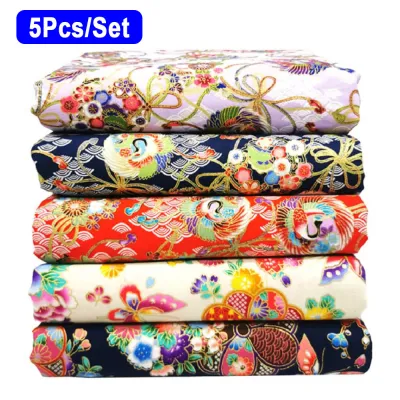
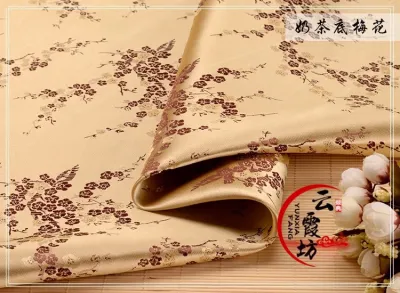
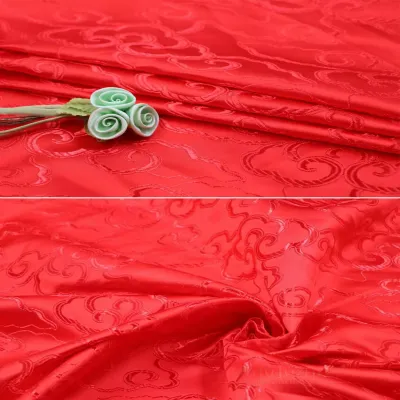
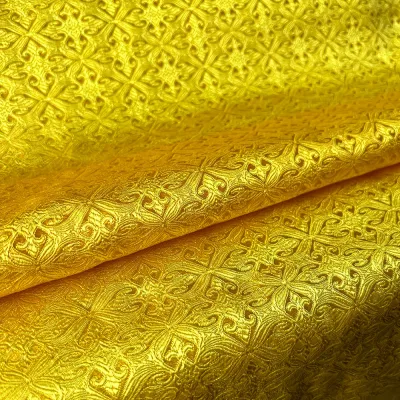
Prices are valid at publication and may change. Please refer to the product page for the latest price.

Drape refers to how a fabric flows and hangs under its own weight. In kimono construction, a fabric must possess enough weight to pull the straight panels downward into a clean, column-like shape, yet remain supple enough to fold neatly at the sleeves and waist. Stiff fabrics will billow out and distort the traditional lines, while excessively limp fabrics may fail to support the structured collar (eri) or hold the crisp folds of the sleeves.
Texture and weight dictate both wearability and comfort, especially when layering garments. A complete kimono outfit involves multiple layers, including the undergarment (nagajuban), the outer kimono, and the sash (obi). The fabrics must glide over one another easily to prevent friction from pulling the garment out of alignment as you move. Additionally, the weight of the fabric must match your local climate; lightweight, breathable weaves are essential for comfort in hot and humid regions like Singapore, whereas heavier, tightly woven textiles are better suited for cooler environments or structured formal wear.
Care and maintenance are equally vital practical considerations. Traditional natural fibers often require specialized handling to prevent shrinkage, color bleeding, or water staining. Conversely, synthetic fibers offer the convenience of home machine washing but may lack the breathability and luxury feel of their natural counterparts. Balancing these trade-offs early in your selection process prevents maintenance frustration later.
Finally, structural checks are essential before cutting your fabric. Traditional Japanese textiles are woven on narrow looms as tanmono bolts, which are typically only 36 to 38 centimeters wide. Standard modern apparel fabric, however, is sold on wide bolts measuring 110 to 150 centimeters. You must verify your pattern layout against your fabric’s width, assess its weight, and confirm that your outer fabric is compatible with any lining or interfacing materials you plan to use.
Silk: The Traditional Standard for Drape and Elegance
Silk is the historic benchmark for formal Japanese garments, celebrated for its unmatched fluid drape and elegant luster. The natural weight and elasticity of silk fibers allow the fabric to fall in heavy, graceful folds that move beautifully with the wearer. Traditional silk weaves, such as chirimen (a heavy crepe with a distinct crinkled surface) and rinzu (a smooth, glossy damask with woven patterns), are specifically engineered to maximize this drape, creating a sophisticated, high-end silhouette that synthetic alternatives struggle to replicate.
The texture of silk is exceptionally smooth and luxurious against the skin. It possesses natural temperature-regulating properties, making it remarkably comfortable across various temperatures. It breathes well while retaining a subtle, sophisticated sheen that catches the light elegantly without looking artificially shiny. This makes it the material of choice for formal occasions, tea ceremonies, and heirloom garments.
However, silk is a highly demanding material with significant care limitations. It is incredibly sensitive to moisture; even a single drop of water or perspiration can leave permanent water spots or cause the fibers to shrink unevenly. Silk is also prone to fading when exposed to direct sunlight and can weaken over time if stored incorrectly. Cleaning silk kimono almost always requires professional dry cleaning or highly specialized traditional preservation methods, making it a high-maintenance investment.
From a construction standpoint, sewing silk requires patience and advanced skills. The fabric is notoriously slippery and prone to shifting during cutting and stitching. To handle silk successfully, you must use fine, sharp needles (such as size 60/8 or 70/10 Microtex) and high-quality silk or fine polyester thread to avoid snagging the delicate weave. Edges must be finished immediately with overcasting, serging, or French seams, as silk frays rapidly once cut.
Cotton: Breathable, Textured, and Easy to Maintain
Cotton offers a highly practical, comfortable, and accessible alternative to silk, making it the premier choice for casual summer kimono, known as yukata. Unlike the fluid, liquid-like movement of silk, cotton has a stiffer, more structured drape. This stiffness is highly advantageous for casual garments, as it helps the fabric hold sharp, clean lines, crisp collar folds, and structured sleeve shapes without sagging.
The texture of cotton is naturally breathable, absorbent, and soft, making it exceptionally comfortable for direct skin contact. In warm, tropical climates like Singapore, cotton’s ability to wick moisture away from the body and allow air circulation is unmatched. Cotton fabrics range from smooth, lightweight cotton lawn to textured, airy weaves like shijira or slub cotton, offering a rustic, relaxed aesthetic that is perfect for informal gatherings and outdoor festivals.
In terms of maintenance, cotton is incredibly user-friendly. It is generally machine washable on a gentle cycle or easy to hand wash at home with mild detergent. It tolerates high iron temperatures well, allowing you to easily press out stubborn wrinkles and restore crisp creases along the collar and sleeves. It is also far more resistant to water spots, sun exposure, and friction than silk, making it a durable choice for regular wear.
When preparing to sew with cotton, the most critical step is pre-washing. Cotton fibers are highly prone to shrinkage during their first wash; failing to pre-shrink your fabric before cutting can result in a distorted, ill-fitting garment later. Cotton is highly stable and does not slip under the sewing machine, making it an excellent choice for beginners. Standard universal sewing needles (size 80/12) and all-purpose polyester or cotton thread are perfectly suited for assembling cotton garments.
Polyester: Durable, Wrinkle-Resistant, and Budget-Friendly
Polyester has become a highly popular modern alternative for kimono fabric, offering an affordable and exceptionally durable option for everyday wear. High-quality modern polyester weaves can mimic the appearance and fluid drape of silk quite effectively, making them visually suitable for formal or semi-formal occasions. However, lower-grade polyesters can feel stiff or artificially heavy, and they are highly prone to static cling, which can cause the fabric to stick awkwardly to your legs or undergarments.
The texture of polyester is consistently smooth, but it lacks the natural breathability of organic fibers. Because synthetic fibers do not absorb moisture, polyester can trap body heat and perspiration. In warm or humid environments, this can make the garment feel hot, sticky, and uncomfortable during prolonged wear. It is, however, highly resistant to pilling and maintains its smooth surface texture through extensive use.
The primary benefit of polyester is its effortless care routine. It is highly resilient, completely machine washable, quick-drying, and naturally resistant to wrinkles, moths, and color fading. This makes it the ideal material for daily practice wear—such as for martial arts, tea ceremony practice, or dance—as well as for stage performances where garments must withstand frequent transport, packing, and washing without losing their crisp appearance.
Sewing with polyester requires specific adjustments, particularly regarding heat. While the fabric is relatively stable to cut and stitch, it is highly sensitive to iron temperatures. Always use a low-to-medium heat setting when pressing seams; excessive heat will permanently glaze, melt, or shrink the synthetic fibers, leaving shiny marks that cannot be removed. Use sharp synthetic needles, fine polyester thread, and ensure your seams are finished securely to prevent the edges from fraying.
Blends: Balancing Performance, Texture, and Cost
Blended fabrics combine natural and synthetic fibers to create a middle-ground textile that captures the best characteristics of each component. By mixing fibers, manufacturers can customize the fabric’s drape, texture, and durability to suit specific project needs. For example, a cotton-silk blend provides the breathable, lightweight comfort of cotton alongside the elegant luster and softer, more fluid drape of silk, making it an excellent choice for high-quality summer wear.
Similarly, blending polyester with rayon or viscose significantly improves the drape and hand-feel of the synthetic fabric. Rayon adds a soft, silk-like fluidity and reduces the static cling typical of pure polyester, while the polyester content ensures the fabric remains durable, wrinkle-resistant, and budget-friendly. These hybrid textiles allow sewists to achieve a high-end look and comfortable feel without the extreme care requirements or high cost of pure silk.
However, blended fabrics introduce unique care implications. As a fundamental rule, a blended textile must always be cared for according to its most delicate fiber. A polyester-silk blend, for instance, cannot be treated with the same vigorous machine washing as pure polyester; it requires the gentle hand washing or professional dry cleaning demanded by silk to prevent the natural fibers from shrinking or losing their luster.
Before purchasing a blend, always check the fabric label to verify the exact fiber percentages. Understanding the ratio of natural to synthetic fibers helps you predict how the fabric will behave during sewing, how much it is likely to shrink, and how it will hold up over time. A higher natural fiber content generally improves breathability and comfort but increases the need for careful washing and ironing.
Kimono Fabric Comparison Chart
To help you quickly compare your options, the table below summarizes how silk, cotton, polyester, and blended fabrics perform across the core decision dimensions.
| Fabric Type | Drape Quality | Texture & Breathability | Care & Washing | Best Use Case |
|---|---|---|---|---|
| Silk | Excellent, fluid, heavy fall | Smooth, luxurious, highly breathable | Dry clean only; highly sensitive to water | Formal wear, heirloom garments, tea ceremonies |
| Cotton | Crisp, structured, holds sharp folds | Soft, highly breathable, absorbent | Machine or hand wash; easy to iron | Casual yukata, summer wear, warm climates |
| Polyester | Mimics silk drape; prone to static | Smooth, less breathable, traps heat | Machine washable; highly wrinkle-resistant | Practice wear, stage costumes, beginner projects |
| Blends | Balanced; depends on fiber ratio | Soft, moderately breathable, comfortable | Varies; follow the most delicate fiber's care | Versatile daily wear, cost-effective projects |
Matching Fabric to Your Sewing Project
Selecting the perfect kimono fabric requires aligning your personal sewing skill level, budget, and the intended wear scenario with the material’s characteristics. Use this structured decision framework to finalize your choice:
- Choose Silk if you are crafting a formal garment (such as a furisode or houmongi), prioritize an authentic, fluid drape, have experience handling delicate, slippery textiles, and are comfortable with the ongoing cost and effort of professional dry cleaning.
- Choose Cotton if you are sewing a casual yukata or jinbei, require maximum breathability for warm or humid weather, prefer a stable fabric that is exceptionally easy to sew, and want a finished garment that can be easily washed and ironed at home.
- Choose Polyester if you need a highly durable, wrinkle-resistant garment for frequent wear, martial arts practice, stage performances, or if you are a beginner sewist looking for a forgiving, low-maintenance, and budget-friendly material.
- Choose Blends if you want to balance specific performance traits—such as combining the breathability of cotton with the elegant drape of silk—and are willing to verify and follow custom care instructions based on the fiber mix.
Before you cut into your chosen fabric, always complete this “Verify first if…” checklist:
- Fabric Width Compatibility: Traditional tanmono bolts (~36-38 cm wide) require a completely different cutting layout compared to standard wide apparel bolts (~110-150 cm wide). Verify that your pattern matches your fabric's physical width to avoid running out of material.
- Swatch Testing: Cut a small 10×10 cm swatch of your fabric to test its behavior. Check how easily the edges fray, test your iron's heat and steam settings on it to prevent scorching, and wash the swatch to measure shrinkage before cutting your main panels.
- Lining and Interfacing Compatibility: If you are lining your garment, ensure the outer fabric and the lining material have compatible care requirements and shrinkage rates. Combining a pre-shrunk cotton lining with an unwashed outer fabric will cause severe puckering and distortion after the first wash.
Frequently Asked Questions (FAQ)
Can I use standard apparel fabric instead of traditional kimono fabric?
Yes, you can absolutely use standard apparel fabric sold on wide bolts (typically 110 to 150 centimeters wide) instead of traditional narrow tanmono bolts (36 to 38 centimeters wide). Using standard wide fabric is highly practical, cost-effective, and opens up a vast array of print and color options. However, it changes how you lay out and cut your pattern.
Traditional kimono construction is designed to utilize the entire width of a tanmono bolt with zero waste, resulting in straight seams that run along the natural edges of the fabric panels. When using wide apparel fabric, you will need to cut the wide fabric down into narrower panels that mimic traditional widths, or adjust your pattern layout to accommodate the wider dimensions. Keep in mind that traditional folding and storage methods rely on these specific panel seams; if you alter the seam placement significantly, folding the garment flat for storage may become more challenging.
How do I test a kimono fabric swatch before cutting?
Conducting a few simple, observable tests on a small fabric swatch is the best way to prevent costly mistakes during construction. First, perform an edge fraying test by cutting a clean edge and rubbing it firmly between your fingers. This reveals how quickly the weave unravels and helps you decide whether you need to use French seams, overcasting, or pinking shears to secure your seam allowances.
Second, perform an iron heat test on a corner of your swatch. Start with your iron on a low, dry setting and press the fabric, gradually increasing the heat and introducing steam to find the maximum temperature the fibers can tolerate without scorching, glazing, or melting. Finally, perform a drape and shrinkage test by pinning a larger piece of the swatch to a clothes hanger or dress form to observe how it falls naturally, then wash and dry the swatch according to your planned care routine to measure any changes in dimensions or texture.

Community discussion
Share your experience or ask a question. Comments are reviewed before publication.