
Quick Answer: Ideal Cotton Yarn Traits for Durable Bags
To create a durable crochet bag that retains its shape over years of daily use, the ideal material is a medium (Worsted/Aran) to bulky weight, multi-ply, tightly twisted 100% cotton yarn. Unlike animal fibers or synthetic acrylics, 100% cotton possesses almost zero natural elasticity. This lack of stretch is a major structural benefit for bag making, ensuring that the finished accessory does not sag or distort when carrying daily essentials.
For everyday bags exposed to friction and environmental elements, mercerized cotton is highly recommended. The mercerization process significantly increases the yarn’s tensile strength, gives it a smooth, lustrous finish, and provides excellent resistance to moisture, mold, and mildew. While unmercerized cotton is softer and highly absorbent, it is more prone to pilling and stretching, making it better suited for casual, slouchy market bags rather than structured daily totes.
How Yarn Weight Dictates Bag Structure and Load Capacity
Yarn weight, or thickness, directly determines the density, stiffness, and overall load-bearing capacity of your crocheted fabric. In the standard yarn weight system, choices range from delicate lace weights to ultra-thick jumbo options. For a functional bag, choosing the correct weight prevents the fabric from stretching out of shape under the weight of daily items like a water bottle, umbrella, or tablet.
Products mentioned in this guide
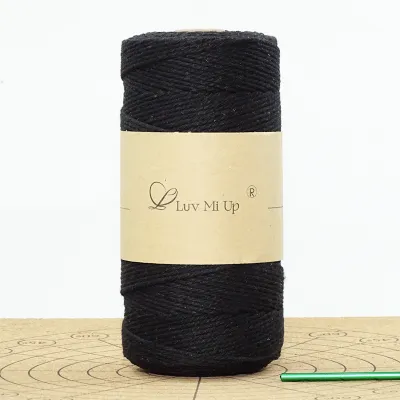
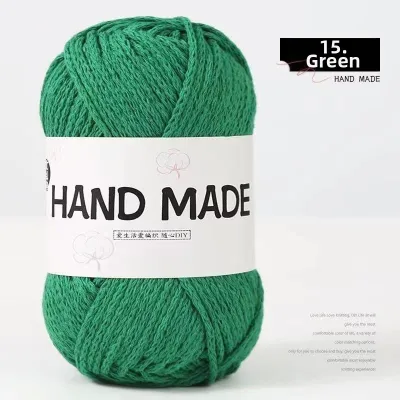
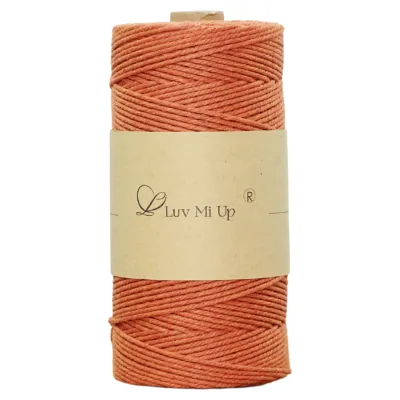
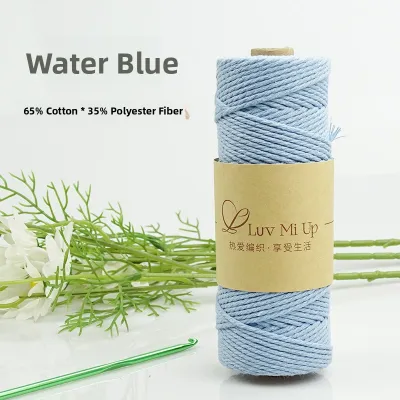
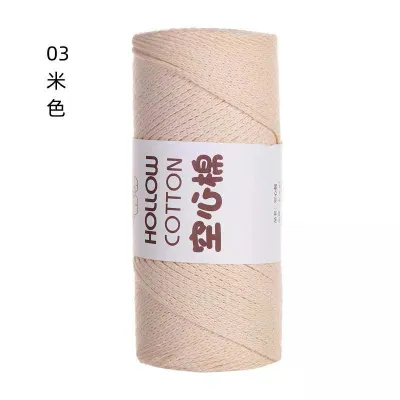
Prices are valid at publication and may change. Please refer to the product page for the latest price.

Worsted or Aran weight (Medium, Category 4) is widely considered the most versatile and reliable starting point for crochet bags. This thickness strikes an optimal balance: it is thick enough to create a sturdy, self-supporting fabric when worked with a tight gauge, yet light enough that the finished bag remains comfortable to carry. Stitch definition in worsted weight cotton is exceptionally clean, allowing intricate stitch patterns to stand out clearly.
Lighter weights, such as Fingering, Sport, or DK (Light, Category 3), are generally too thin to support heavy loads on their own. If you choose to use these lighter yarns, you must adapt your construction technique. This can involve double-stranding—holding two strands of yarn together as you crochet to mimic a thicker weight—or using an incredibly tight gauge. Alternatively, bags made from lighter yarns almost always require a sewn fabric lining, such as heavy cotton canvas or linen, to prevent the crocheted fabric from sagging and to stop small items from slipping through the gaps.
On the other end of the spectrum, Bulky (Category 5) and Super Bulky (Category 6) cotton yarns, including cotton tube yarns or thick cord-like options, create highly structured, rigid bags. These yarns are excellent for items like beach totes or structured bucket bags that need to stand upright on their own. However, thick yarns add substantial physical weight to the project. An empty bag crocheted from super bulky cotton can feel heavy before you even place your belongings inside, which can lead to shoulder strain during a long commute.
To optimize your bag’s structure regardless of the yarn weight you choose, you must adjust your hook size. While yarn labels provide a recommended hook size for general projects like garments or blankets, bag making requires a different approach. Always select a crochet hook that is 0.5 mm to 1.0 mm smaller than the size recommended on the label. This simple adjustment forces your stitches closer together, creating a dense, firm fabric gauge. A tighter gauge minimizes the gaps between stitches, ensuring that keys, pens, and coins remain securely inside the bag without the risk of poking through.
Why Ply and Twist Determine Yarn Strength and Pilling
Beyond thickness, the structural integrity of a crochet bag depends heavily on how the yarn is constructed. Yarn is created by spinning raw cotton fibers into single strands, which are then twisted together to form the finished yarn. Understanding the relationship between ply and twist is essential for selecting a yarn that can withstand the daily friction of being carried, set down, and washed.
The term “ply” refers to the number of individual strands twisted together to create the final yarn. For a durable bag, multi-ply yarns (typically 3-ply, 4-ply, or higher) are vastly superior to single-ply options. In a multi-ply yarn, the tension and structural load are distributed evenly across multiple strands. If one fiber experiences friction or breaks, the surrounding plies hold the yarn structure intact. Single-ply yarns, often referred to as roving yarns, consist of a single, loosely bound strand of fibers. While they look plush and feel incredibly soft, they lack the tensile strength required for bags. Under the weight of daily items, single-ply yarns can easily pull apart, fray, or snap.
Yarn twist refers to the tightness of the spin applied during manufacturing. A tight, firm twist locks the cotton fibers securely into the core of the yarn. This high-twist construction offers several practical benefits:
- Abrasion Resistance: The tightly bound fibers are less likely to catch on rough surfaces, such as zippers, keys, or velcro.
- Crisp Stitch Definition: High-twist yarn holds its shape beautifully, making textured stitches like bobbles, ribs, or cables pop.
- Reduced Pilling: Pilling occurs when loose fiber ends escape the yarn body and rub together to form small, unsightly balls on the fabric surface. A tight twist keeps these fiber ends locked in place, preventing pilling even with frequent use.
In contrast, a loose twist results in a soft, airy yarn that is prone to splitting as you crochet. While comfortable for garments, loosely twisted yarns pill rapidly under the friction of rubbing against your clothing during a commute. Avoid using loosely spun “t-shirt yarns” made from low-grade jersey manufacturing scraps for heavy-duty bags. While popular for quick projects, many t-shirt yarns stretch excessively, vary in thickness throughout the skein, and lack the consistent twist needed for long-term durability.
To evaluate yarn twist and ply before purchasing, you can perform a quick, hands-on check. Gently pinch a small section of the yarn and untwist it slightly against its natural spin direction. Count the individual plies to ensure there are at least three or four. Let go of the yarn; a high-quality, durable yarn will spring back into its tightly twisted shape immediately. If the fibers remain loose, separated, or fuzzy, the yarn may not hold up well to heavy wear.
Mercerized vs. Unmercerized Cotton: Choosing the Right Finish
When browsing cotton yarn, you will encounter two primary finishes: mercerized and unmercerized. This distinction refers to a specific manufacturing treatment that fundamentally alters the physical properties of the cotton fiber, impacting how your finished bag looks, feels, and performs over time.
Mercerized cotton undergoes a chemical treatment where the cotton yarn is exposed to an alkali solution while held under tension. This process causes the normally flat, ribbon-like cotton fibers to swell, turning them into smooth, round cylinders. This structural change yields several distinct advantages for crochet bags:
- Increased Tensile Strength: Mercerization aligns the fibers and strengthens the molecular bonds, making the yarn significantly stronger and more resistant to tearing or breaking under heavy loads.
- Lustrous, Silk-Like Finish: The rounded fibers reflect light more evenly, giving the yarn a beautiful, subtle sheen that elevates the appearance of the finished bag.
- Vibrant, Long-Lasting Color: Mercerized fibers absorb dye much more deeply and evenly, resulting in rich, saturated colors that resist fading, even after multiple washes.
- Environmental Resistance: This finish makes the yarn less absorbent than natural cotton, providing excellent resistance to moisture, mold, and mildew—a critical consideration in warm, humid climates where bags are exposed to sweat and sudden rain showers.
Unmercerized cotton, often labeled simply as natural or classic cotton, does not undergo this chemical treatment. It retains the natural, matte texture of the cotton plant. Unmercerized cotton is highly absorbent, incredibly soft to the touch, and has a relaxed, casual appearance. However, because the fibers remain flat and untreated, unmercerized cotton is more prone to stretching out of shape, pilling under friction, and retaining moisture. If an unmercerized bag gets wet during a sudden downpour, it will absorb a significant amount of water, become heavy, and take a long time to dry, which can lead to musty odors if not dried quickly in a well-ventilated space.
When deciding between the two, consider the intended style and use of your bag. For structured, everyday tote bags, commuter backpacks, or handbags that will experience high friction and carry heavy items, mercerized cotton is the superior choice. Its strength and smooth finish ensure the bag retains its shape and looks polished over time. For casual, slouchy market bags, bohemian-style drawstring pouches, or beach bags where a soft drape and relaxed look are more important than rigid structure, unmercerized cotton is highly suitable.
Keep in mind that mercerized cotton can be slightly more slippery to work with than unmercerized cotton. To maintain consistent stitch tension and prevent hand fatigue, you may want to use a wooden or bamboo crochet hook, which naturally provides more grip and friction than slick aluminum or plastic hooks.
Pre-Purchase Checklist: Evaluating Yarn Labels and Samples
Before investing your time and money into a crochet bag project, taking a few minutes to carefully evaluate yarn labels and physical samples will help you avoid disappointing results. Use this practical checklist when shopping at your local yarn boutique or browsing online:
- Verify Fiber Content: Read the label carefully to ensure the yarn is 100% cotton, especially if you require a rigid, non-stretch bag. If you choose a blend, note the exact fiber ratio.
- Check the Weight Symbol: Look for the standard yarn weight category symbol (such as Medium 4 for Worsted). Ensure the thickness matches your pattern requirements to avoid sizing discrepancies.
- Calculate Total Yardage: Check the yardage or meterage per skein, not just the weight in grams. Cotton is a dense, heavy fiber, meaning a 100-gram skein of cotton will have significantly less yardage than a 100-gram skein of acrylic or wool. Always purchase an extra skein to ensure you do not run out of yarn mid-project.
- Match the Dye Lot Numbers: Locate the dye lot number printed on the label. Ensure that every skein you purchase shares the exact same dye lot number. Even minor variations in dye batches can create highly visible, distracting color bands across the body of your bag when viewed in natural light.
- Perform the Pull Test: If shopping in a physical store, pull a short section of the yarn firmly between your hands. It should feel solid and exhibit almost zero stretch. If the yarn stretches significantly, it may contain hidden elastic fibers or have a very loose spin, which will cause your bag to sag over time.
- Perform the Rub Test: Gently rub two strands of the yarn together vigorously for 10 to 15 seconds. Check for immediate shedding, fuzziness, or color transfer onto your fingers. High-quality, tightly twisted yarns will remain smooth and clean.
- Review Care Instructions: Ensure the label displays clear machine-washable and tumble-dry-low symbols. Because bags are frequently placed on floors, tables, and public transport seats, being able to wash your finished bag easily is essential for maintaining hygiene.
Frequently Asked Questions (FAQ)
Can I use cotton-blend yarn instead of 100% cotton for a crochet bag?
Yes, you can use cotton-blend yarns, but they will alter the physical properties and performance of your finished bag. Blending cotton with synthetic fibers like acrylic, polyester, or nylon makes the yarn lighter, softer, and often more budget-friendly. However, these blends introduce elasticity. An acrylic-cotton blend, for example, will stretch significantly more than 100% cotton, which can cause your bag to sag and lose its shape when loaded with heavy items like a water bottle or books. If you do choose a blend, look for a cotton-nylon or cotton-linen blend. Nylon adds excellent abrasion resistance and durability without excessive stretch, while linen provides a rigid, strong structure that complements cotton beautifully.
How do I prevent a cotton crochet bag from stretching out of shape?
To maintain the structural integrity of your cotton bag, combine smart stitch selection with physical reinforcement. Avoid tall, open stitches like double crochet, treble crochet, or mesh patterns, as these naturally stretch under tension. Instead, opt for dense, compact stitches such as single crochet, waistcoat stitch, thermal stitch, or slip stitch patterns. These stitches lock the yarn in place and create a firm, woven-like fabric. For maximum durability, sew a fabric lining made from a sturdy material like cotton canvas or linen inside the finished bag. The lining will absorb the physical weight of your belongings, preventing the crocheted stitches from stretching downward. Additionally, you can incorporate a rigid pre-made base (such as leather, vegan leather, or acrylic) to anchor the bottom of the bag and maintain its shape.

Community discussion
Share your experience or ask a question. Comments are reviewed before publication.