
Quick Guide: Matching Cloth for Sewing to Your Project
Selecting the perfect cloth for sewing depends on matching a fabric’s physical properties—specifically its weight, drape, and stretch—to the structural and functional demands of your project. For beginners and structured creations like tote bags, home decor, or classic button-down shirts, stable natural fibers like cotton and linen are highly recommended. If your project requires high durability, wrinkle resistance, or fluid movement, synthetic blends or delicate silks offer the necessary drape, while knit fabrics provide the stretch needed for comfortable, form-fitting garments. The most reliable starting point for any sewing venture is the recommended fabric list printed on your sewing pattern, which is specifically curated to ensure your project turns out exactly as intended.
Key Fabric Properties That Dictate Sewing Behavior
Every cloth for sewing behaves differently under the needle, and understanding these behaviors before you cut will save you hours of frustration. The most critical dimension to consider is fabric weight, which is typically measured in grams per square meter (GSM) or ounces per yard. Lightweight fabrics (under 130 GSM), such as voile or chiffon, require very fine needles and low thread tension to prevent puckering. Medium-weight fabrics (130 to 220 GSM), like quilting cotton or linen, are incredibly stable and easy to handle under a standard sewing machine foot. Heavyweight fabrics (above 220 GSM), such as denim or canvas, demand heavy-duty needles and robust thread to pierce the thick layers without breaking.

Drape refers to how a fabric hangs, flows, and conforms to a shape. A fabric with a stiff drape, like canvas or poplin, will stand away from the body, making it excellent for structured garments, collars, and utility bags. Conversely, a fabric with a fluid drape, like rayon or silk, clings and pools elegantly, which is ideal for flowing dresses but challenging to keep aligned during cutting and stitching.
Products mentioned in this guide
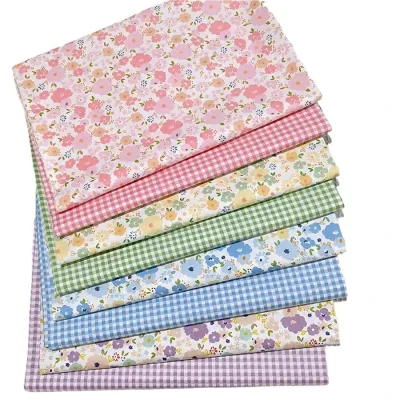

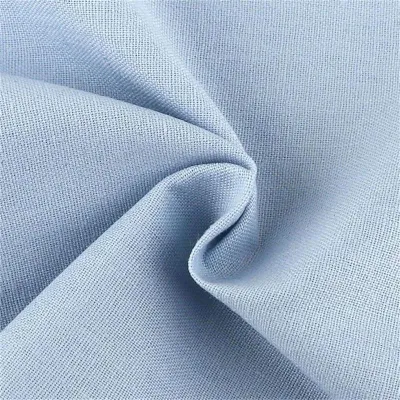
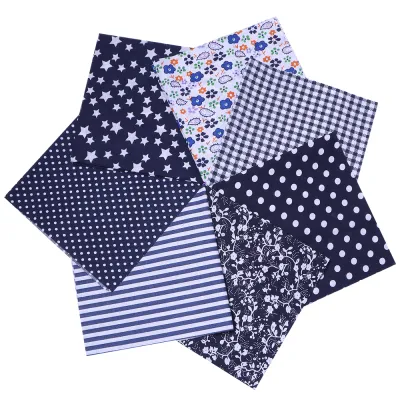
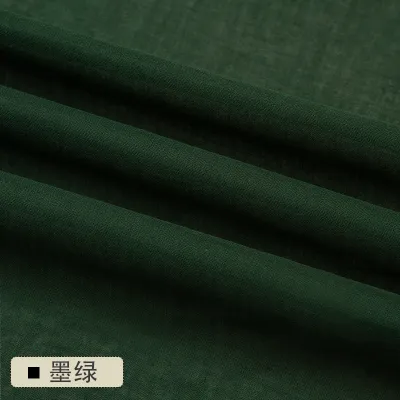
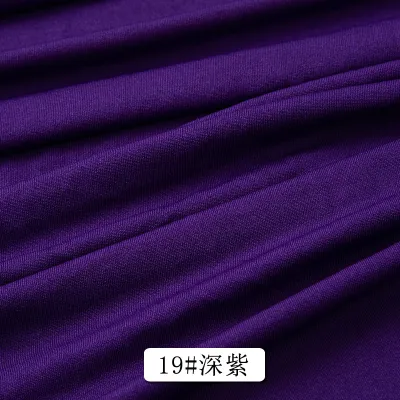
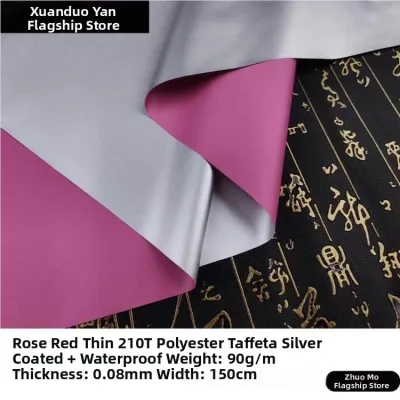
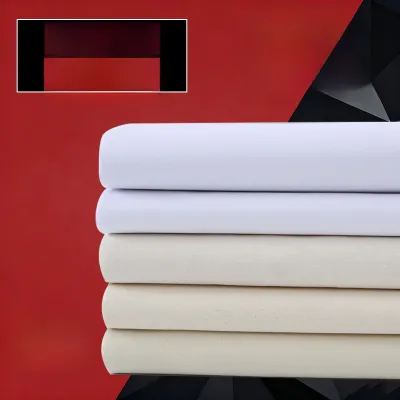
Prices are valid at publication and may change. Please refer to the product page for the latest price.
The construction of the fabric determines its stretch. Woven fabrics are constructed by interlacing threads at right angles, meaning they do not stretch unless pulled diagonally along the bias. Knit fabrics are constructed from interlocking loops of yarn, giving them inherent elasticity that requires specialized stretch stitches to prevent the seams from snapping when pulled.
The weave pattern also plays a significant role in how a fabric handles. Plain weaves are highly stable and resist slipping, making them incredibly beginner-friendly. Satin weaves feature long floats of yarn that create a beautiful luster but make the fabric highly slippery, prone to snagging, and quick to fray at raw edges. Evaluating these physical properties against the demands of your sewing pattern ensures that your sewing machine can handle the material smoothly.
Matching Common Fabrics to Specific Sewing Projects
Different projects require distinct fabric properties to look professional and function correctly. Choosing the wrong material can result in a garment that is uncomfortable to wear or a decorative item that lacks the necessary structure.
Cotton and Linen (Structured and Breathable)
Cotton and linen are the gold standards for structured garments, quilting, and home accessories. These natural fibers feature low stretch and excellent stability, meaning they do not slip or warp as you guide them through the sewing machine. They hold a crisp press exceptionally well, making it easy to sew precise pleats, sharp collars, and clean hems.
However, natural fibers have distinct characteristics that require preparation. Linen is notorious for wrinkling easily, which adds a relaxed, organic aesthetic but may not suit formal wear. Additionally, both cotton and linen are highly prone to shrinkage during their first wash, sometimes losing up to 10% of their original size.
These fabrics are perfect for beginners, quilting projects, structured tote bags, tablecloths, and breezy summer shirts. In Singapore’s hot and humid tropical climate, lightweight cotton lawn and linen are highly prized for their exceptional breathability and moisture-wicking capabilities. When selecting these materials, always check the fabric weight to ensure it matches the structural needs of your pattern.
Polyester and Blends (Durable and Low Maintenance)
Polyester and synthetic blends are engineered for durability, wrinkle resistance, and exceptional colorfastness. Unlike natural fibers, polyester does not shrink easily and retains its shape well after hundreds of wash cycles, making it a highly practical choice for everyday items.
Despite these benefits, pure polyester presents unique challenges during the sewing process. It can be slippery to handle, and the synthetic fibers can quickly dull your sewing machine needles. Furthermore, pure polyester does not breathe well and can trap heat close to the body, which can feel uncomfortable in warm climates.
To get the best of both worlds, poly-cotton blends are highly recommended as a practical middle ground. These blends combine the soft breathability of cotton with the easy-care, wrinkle-resistant nature of polyester. They are ideal for activewear, durable bag linings, school uniforms, travel clothing, and utility items that require frequent, rigorous washing.
Silk, Rayon, and Viscose (Fluid and Delicate)
For garments that require fluid movement, elegance, and a soft touch against the skin, silk, rayon, and viscose are unmatched. These fabrics possess an incredibly high drape, allowing them to skim the body beautifully and move gracefully with every step.
Working with these delicate fabrics requires advanced handling and specialized tools. Because they are highly slippery, they tend to shift and warp when you try to cut them on a flat surface. They are also prone to severe fraying along cut edges and can be easily damaged or snagged by standard sewing needles.
These fabrics are best suited for elegant blouses, flowing maxi dresses, lightweight scarves, and luxury linings. When sewing with these materials, it is essential to use a brand-new, ultra-sharp Microtex needle (size 60/8 or 70/10) to prevent snags. Always test your seam finishes on scrap pieces first, as these delicate fabrics often require French seams or overcasting to keep the raw edges secure.
Knits and Stretch Fabrics (Comfort and Form-Fitting)
Knit fabrics are the ultimate choice for comfort, casual wear, and athletic gear. Unlike woven fabrics, knits stretch and recover, allowing garments to conform closely to the body without restricting movement.
When purchasing knit fabrics, you must differentiate between two-way stretch (which stretches only widthwise) and four-way stretch (which stretches both widthwise and lengthwise). The stretch percentage of the fabric must align with the requirements of your sewing pattern to ensure the finished garment fits correctly. Sewing knits requires a ballpoint or stretch needle, which has a rounded tip designed to push past the fabric loops rather than piercing and breaking them.
These fabrics are ideal for t-shirts, leggings, loungewear, swimwear, and ribbed neckbands. To prevent popped seams when the garment is pulled or worn, you must use a stretch stitch, a narrow zigzag stitch, or a serger. Avoid pulling or stretching the fabric as you feed it through the machine, as this will create wavy, distorted seams.
How to Verify Fabric Specifications Before Buying
Whether you are shopping online or browsing the rolls at a local fabric market, verifying fabric specifications before making a purchase is crucial to the success of your project. Start by examining the fiber content label to understand what the fabric is made of, as this dictates how the material will behave and how it must be cared for.
Next, check the fabric width, which is typically measured from selvage to selvage. Common bolt widths are 110 cm (approximately 44 inches) for standard quilting cottons and 140 cm to 150 cm (approximately 54 to 60 inches) for fashion and garment fabrics. Knowing the exact width is essential for calculating the correct yardage; sewing patterns provide different yardage requirements depending on the width of the fabric bolt.
Always verify if the fabric is pre-shrunk or if it requires pre-washing before cutting. If you are shopping on online marketplaces, carefully read the product description for weight specifications (GSM) and customer reviews to gauge the quality and drape. Prices can vary significantly in Singapore, ranging from budget-friendly options around S$5 to S$10 per meter for basic cottons, up to S$30 to S$80 per meter for premium linen, silk, or designer prints. Investing a few minutes to verify these details ensures you buy the correct amount of compatible material.
Essential Preparation and Testing Steps Before Cutting
The secret to a professional-looking sewing project lies in the preparation steps taken before your scissors ever touch the fabric. Skipping these steps can lead to warped seams, shrunken garments, or ruined sewing machine components.
First, always pre-wash and dry your fabric using the exact same methods you plan to use for the finished item. This process manages any potential shrinkage and washes away excess dyes or chemical finishes applied during manufacturing. Before washing or ironing any new fabric, always check the manufacturer’s care label and instructions. If instructions are unavailable, test a small corner of the fabric first to ensure it can withstand the heat and moisture.
Second, perform a comprehensive scrap test on a small piece of your fabric before sewing the main pieces. Fold the scrap to replicate the actual seams of your project and test your machine’s needle size, thread tension, and stitch length. This step allows you to adjust your machine settings safely without damaging your project. It is also the perfect time to test your iron’s heat settings on the scrap to ensure it does not scorch or melt the fibers.
Finally, locate and straighten the grainline of your fabric. Lay the fabric flat on a cutting table and align the selvages perfectly; if the fabric ripples or twists, the grain is misaligned. Correcting the grainline ensures that your finished garment hangs straight and does not twist uncomfortably around your body after washing.
Frequently Asked Questions (FAQ)
What is the easiest fabric for beginners to sew?
Medium-weight, tightly woven cotton, such as quilting cotton or cotton poplin, is the easiest fabric for beginners to sew. It does not slip, stretch, or warp during cutting and sewing, and it holds a crisp press exceptionally well, making it highly forgiving for practicing straight seams and basic techniques.
How do I know if a fabric is woven or knit?
You can identify the fabric type using a simple visual and physical stretch test. Woven fabrics are made of threads crossing at right angles and typically only stretch slightly along the diagonal (bias) grain. Knit fabrics are made of interlocking loops, which give them significant stretch across the width or in both directions.
Can I use upholstery fabric for clothing?
Upholstery fabric is generally not recommended for standard clothing because its heavy weight and extreme stiffness prevent it from draping comfortably on the body. Additionally, its thickness can easily damage standard domestic sewing machine needles or strain the motor. It should only be used for highly structured jackets or heavy-duty bags, and only if your sewing machine and needles are rated for heavy-duty materials.

Community discussion
Share your experience or ask a question. Comments are reviewed before publication.