
Selecting the right black cotton cloth for a sewing project requires balancing aesthetic goals with structural needs. Because black fabric absorbs light, its weave pattern, weight, and texture are critical to how the finished item looks, drapes, and holds up over time. Understanding how different cotton types behave under a sewing machine needle ensures that your final creation—whether a structured garment, a durable tote bag, or a delicate home accessory—performs exactly as intended.
Understanding Common Cotton Fabric Types
Cotton fabrics are classified into distinct types based on how they are manufactured and finished, each suited to specific sewing applications. Quilting cotton is a highly accessible medium-weight option with a relatively stiff hand, making it excellent for structured crafts, patchwork, and structured accessories, though it lacks the fluid drape needed for flowing apparel. For garments like shirts and dresses, cotton poplin offers a smoother, tighter plain weave that provides a crisp finish while remaining lightweight and comfortable against the skin.
Muslin serves as an invaluable utility fabric, often used in its unbleached form for drafting patterns and testing fits, though dyed black muslin can work well for lightweight linings or backing materials. On the heavier end of the spectrum, cotton canvas provides exceptional durability and stiffness, making it the standard choice for utility bags, upholstery, and heavy-duty home decor. Attempting to use lightweight apparel cotton for these high-stress, heavy-duty projects without applying heavy fusible interfacing or structural stabilizers typically results in premature wear, sagging seams, and structural failure. When selecting your fabric, always touch the material to assess its stiffness and hold it up to the light to check its density, ensuring it matches the structural demands of your pattern.
Products mentioned in this guide
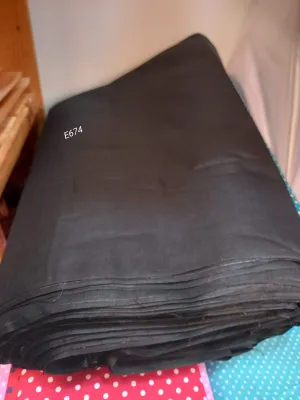
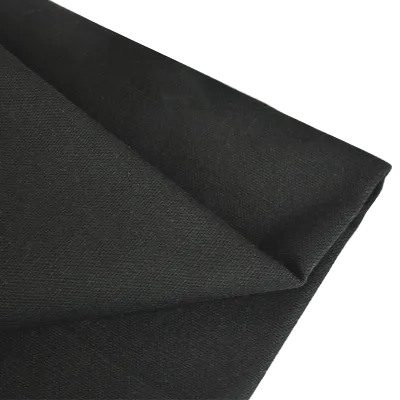
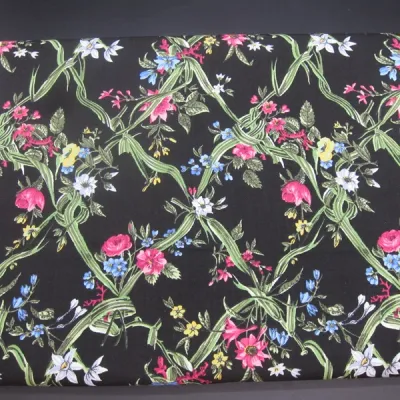
Prices are valid at publication and may change. Please refer to the product page for the latest price.
How Weave Patterns Influence Drape and Sewing Ease
The way cotton threads are interlaced determines the fabric’s overall texture, flexibility, and ease of handling during the sewing process. Plain weave, the most common structure found in muslin and poplin, features a simple over-under pattern that is highly stable, resists slipping, and is easy for beginners to cut and sew. On dark fabrics like black cotton, a plain weave presents a matte, uniform surface that does not easily show directional shading, though it can sometimes appear flat under bright light.

Twill weaves, recognizable by their diagonal ribbing, offer greater flexibility, wrinkle resistance, and a heavier drape, which is ideal for trousers and structured jackets. Satin weaves, such as those found in cotton sateen, feature long thread floats that create a smooth, lustrous surface with a subtle sheen, though this structure makes the fabric more prone to snagging and slipping during cutting. When working with black cotton, it is essential to check the grainline alignment by pulling a single thread across the width; skewed grainlines in dark fabrics can cause finished garments to twist awkwardly after washing. Additionally, dense weaves resist fraying better during handling, whereas looser weaves require immediate edge finishing to prevent the fabric from unraveling on your sewing table.
Matching Fabric Weight to Your Sewing Project
Fabric weight is a critical specification that dictates how a garment hangs and what sewing machine settings are required for successful construction. Manufacturers typically measure fabric weight in grams per square meter (GSM) or ounces per square yard (oz), which are printed on the fabric bolt or product listing. Lightweight cottons (under 120 GSM) are ideal for airy summer blouses, linings, and delicate handkerchiefs, while medium-weight cottons (120 to 200 GSM) suit everyday shirts, dresses, and quilting projects. Heavyweight cottons (above 200 GSM) provide the necessary density and strength for outerwear, workwear, and home upholstery.
Matching the fabric weight to your sewing machine setup prevents skipped stitches, fabric puckering, and needle breakage. Lightweight black cotton requires a fine universal or sharp needle (such as size 70/10) and standard polyester thread to avoid punching large holes in the delicate weave. Medium-weight fabrics handle standard 80/12 needles well, whereas heavyweight canvas demands a thick jeans or denim needle (size 90/14 or 100/16) along with increased presser foot pressure to feed the thick layers evenly through the machine feed dogs. Adjusting your machine’s tension settings is also necessary when transitioning between these weights, as heavier fabrics require slightly higher tension to form balanced stitches.
Inspecting and Preparing Black Cotton Cloth Before Cutting
Proper preparation of black cotton cloth is essential to prevent disappointing post-sewing issues like shrinkage, distortion, or color bleeding. Before making any cuts, inspect the fabric care label or manufacturer specifications for the recommended washing temperature and expected shrinkage rates. Black dyes are notorious for carrying excess pigment, so pre-washing the fabric in the same manner you plan to wash the finished item is critical to stabilize the fibers and release loose dye.
During the pre-wash, you can test for dye fastness by pressing a damp white cloth against a small corner of the wet fabric; if the black dye transfers easily, consider washing the fabric separately or using a commercial color-fixative treatment. Once washed and air-dried, press the fabric thoroughly with a steam iron to remove wrinkles and ensure the grainline is perfectly straight before laying out your pattern pieces. Take this opportunity to conduct a visual and tactile inspection under strong, direct light to check for weaving flaws, uneven dye spots, or tension puckers along the selvage that should be avoided during cutting. Taking these extra steps ensures that your pattern pieces are cut accurately on the grain, preventing the finished item from warping or shrinking unevenly after its first real wash.
Frequently Asked Questions (FAQ)
Does black cotton fabric fade faster than other colors?
Black cotton fabric can appear to fade more quickly than lighter shades because abrasive wear and laundry detergent residues show up clearly against dark fibers. To minimize fading, wash black cotton garments inside out in cold water using a mild, liquid detergent formulated for dark colors, and avoid line-drying them in direct, harsh sunlight. Checking the fabric label for high-quality fiber processing, such as mercerized cotton, can also indicate better dye retention and resistance to surface fuzzing over time.
How do I prevent black cotton from fraying during sewing?
Preventing fraying depends on selecting a seam finish that matches the weight and weave of your black cotton cloth. For lightweight and medium-weight cottons, finishing raw edges with a zigzag stitch, an overlock machine, or clean French seams prevents the threads from unraveling during wear and washing. Adjusting your sewing machine’s stitch length to a slightly shorter setting (around 2.0 mm to 2.5 mm) increases seam security, while applying a thin line of liquid fray preventative or lightweight fusible stay tape can stabilize highly prone edges like bias cuts and curves.

Community discussion
Share your experience or ask a question. Comments are reviewed before publication.