
Selecting the right birthday sticker label for a classroom celebration requires balancing visual appeal, student age, and practical durability. While a bright, playful sticker brings immediate joy to a primary school student, a secondary school student typically prefers a subtle, minimalist design that does not feel overly childish. Beyond aesthetics, teachers must consider how the sticker interacts with school uniforms, textbooks, and classroom surfaces. By matching the design, material, and adhesive properties to the specific grade level, you can create a seamless and memorable celebration that respects both student preferences and school property.
Identifying Core Classroom Requirements for Birthday Stickers
To select a birthday sticker label that functions effectively in a busy school environment, you must first evaluate its physical and practical characteristics. The primary challenge in a classroom setting is ensuring the sticker remains securely attached to a student’s clothing or belongings throughout the school day without causing damage. School uniforms, often made of textured cotton or synthetic blends, require an adhesive that grips fabric fibers temporarily but releases cleanly without leaving a sticky, unsightly residue. Similarly, if a student chooses to place their sticker on a plastic pencil case, a laminated textbook cover, or a cardboard birthday crown, the adhesive must adapt to these diverse surfaces.
Size is another critical factor for visibility and utility. A birthday sticker label should be large enough to be easily read from across the classroom, allowing peers and teachers to offer their well-wishes. Generally, a circular or square label measuring between 50 mm and 75 mm in diameter provides the ideal balance. This size offers ample space for a clear “Happy Birthday” message and the student’s name, without being so large that it peels off easily when the student moves or sits down.
Products mentioned in this guide
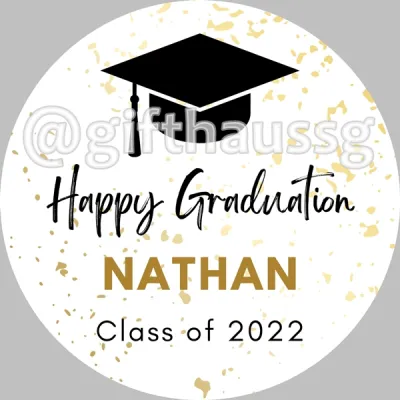
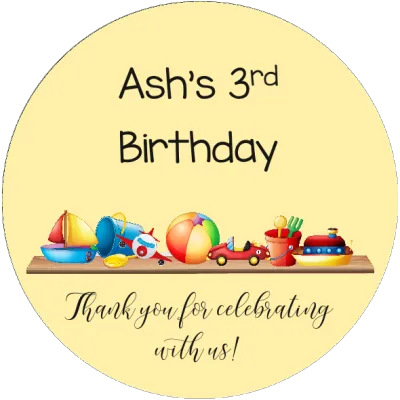
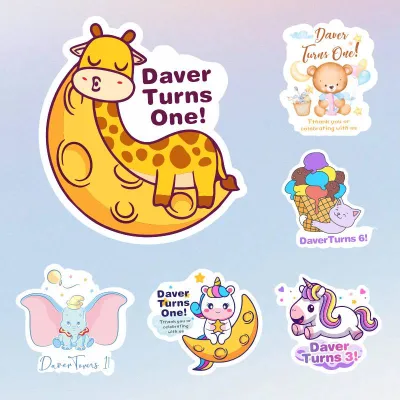
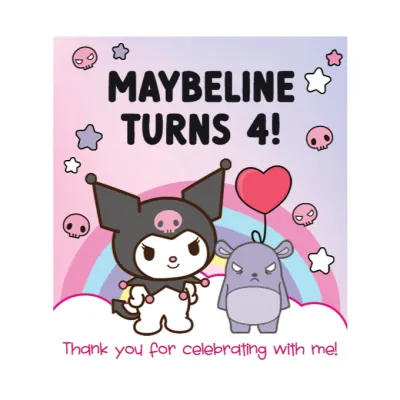
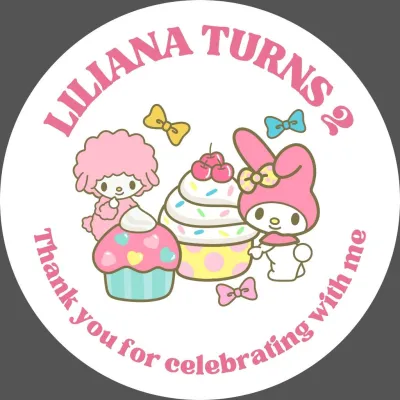
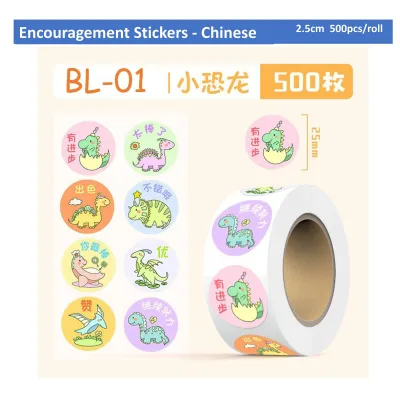
Prices are valid at publication and may change. Please refer to the product page for the latest price.
Finally, consider the packaging format of the stickers. Teachers often operate under tight schedules, making quick access and easy storage essential. Sticker labels packaged in flat sheets are highly convenient for filing in standard desk organizers or folders, keeping them pristine and uncreased. Alternatively, stickers supplied on a continuous roll are excellent for rapid dispensing during a busy morning routine, though they may require a small dispenser or box to prevent the roll from unraveling in a drawer.
Matching Sticker Designs to Student Age Groups
Student preferences shift dramatically as they grow, meaning a design that delights a seven-year-old may cause embarrassment for a teenager. Selecting age-appropriate themes ensures that every student feels celebrated rather than self-conscious on their special day.

Primary School: Playful, Bright, and Highly Visual Themes
For primary school classrooms, birthday sticker labels should be vibrant, engaging, and instantly recognizable. Young children respond enthusiastically to bright primary colors, cheerful illustrations of familiar animals, and bold, playful typography. Designs featuring balloons, birthday cakes, or smiling stars create an immediate sense of celebration. When selecting these labels, prioritize clear, easy-to-read fonts that support early literacy, allowing classmates to read the birthday child’s name independently.
Safety is a paramount consideration for lower primary students. Avoid sticker labels that feature small, detachable 3D elements, plastic gems, or puffy layers. These textured components can easily be peeled off, chewed on, or swallowed, presenting potential choking hazards in a busy classroom. Flat, high-quality paper or smooth synthetic stickers are much safer and more durable options for this age group.
Additionally, it is wise to choose inclusive, generic celebration designs rather than stickers featuring specific licensed cartoon characters. While popular media trends change rapidly, classic birthday motifs remain timeless and universally appealing. Using neutral, cheerful themes ensures that no student feels left out due to personal preferences, family backgrounds, or differing access to popular media, keeping the focus entirely on the shared joy of the celebration.
Secondary School: Minimalist, Trendy, and Mature Aesthetics
As students transition into secondary school, their aesthetic preferences lean toward self-expression and maturity. Teenagers generally reject cartoonish or overly bright designs, which they may perceive as childish. To make a birthday sticker label acceptable to a secondary school student, look for minimalist layouts, modern typography, and sophisticated color palettes. Pastel tones, muted earth colors, or simple black-and-white designs are highly popular and align with contemporary stationery trends.
The messaging on these stickers should also reflect a more mature tone. Instead of basic, loud graphics, opt for elegant script fonts, geometric borders, or subtle patterns. Incorporating motivational quotes, encouraging words, or light, age-appropriate humor can make the gesture feel more personal and respectful of their growing independence. A simple, stylish “Cheers to another year” or a clean monogram design is far more likely to be proudly displayed on a laptop sleeve, water bottle, or notebook.
By avoiding neon colors, cartoon animals, and loud patterns, you respect the student’s social comfort. A subtle, well-designed sticker allows them to acknowledge their birthday among peers without feeling put on display or embarrassed by an outdated aesthetic.
Evaluating Materials and Adhesives for School Environments
The physical material of a birthday sticker label determines its durability, writing compatibility, and safety. Standard paper-based labels are highly practical for classrooms because they easily accept ink from various writing instruments, such as ballpoint pens, gel pens, and markers. However, paper stickers are susceptible to tearing and can degrade quickly if they come into contact with water, sweat, or high humidity—a common consideration in tropical climates like Singapore’s.
For a more durable alternative, synthetic or vinyl labels offer excellent resistance to moisture and tearing. These materials are ideal if students plan to place their stickers on water bottles or lunchboxes that undergo regular washing. The trade-off is that synthetic surfaces are non-porous, meaning standard water-based inks may smudge or run. If you select vinyl labels, you must verify that you have compatible writing tools, such as permanent fine-tip markers, to ensure the ink dries completely and remains legible.
The adhesive formulation is perhaps the most critical technical specification to check. Look for labels explicitly designated as “removable” or “low-tack.” These adhesives are engineered to provide enough grip to stay on fabric or paper temporarily, yet they peel away cleanly without tearing book pages or leaving a sticky, dirt-attracting residue on school uniforms. Avoid heavy-duty or permanent adhesives, which can bond permanently to classroom desks, chairs, or locker doors, creating unnecessary cleaning challenges for school staff. Always verify that the manufacturer specifies the materials as non-toxic and acid-free, ensuring they are safe for daily handling by students of all ages.
Practical Tips for Distributing and Managing Stickers in Class
Integrating birthday stickers into your classroom routine requires a bit of organization to ensure the process is smooth and stress-free. To keep your sticker collection in excellent condition, store the sheets flat inside a dedicated plastic folder or a shallow drawer. Exposure to fluctuating humidity and temperature can cause the edges of sticker sheets to curl, which weakens the adhesive backing over time. Keeping them flat and shielded from direct sunlight preserves their stickiness and keeps them ready for use.
To save valuable instructional time during a busy school day, consider preparing the birthday sticker labels in advance. At the beginning of each term or month, check your class register and pre-write the names of the celebrating students on their respective stickers. This simple step prevents the frantic search for a suitable pen or marker during morning registration and ensures that the celebration feels organized and intentional.
Finally, establish a consistent and inclusive routine for distributing the stickers. Ensure that every student is recognized equally, regardless of when their birthday falls. For students whose birthdays occur during school holidays or weekends, designate a specific day—such as the Friday before or a collective “unbirthday” celebration at the end of the term—to present their stickers. This structured approach fosters a supportive classroom community where every student feels valued and included in the shared celebration.
Frequently Asked Questions (FAQ)
Can I write student names on the sticker labels with a standard pen?
Whether you can use a standard pen depends entirely on the surface finish of the birthday sticker label. Porous matte paper labels absorb ink quickly, making them highly compatible with standard ballpoint pens, gel pens, and fine-liners without any risk of smudging. Conversely, glossy paper, laminated finishes, or synthetic vinyl labels are non-porous, meaning water-based inks will pool on the surface and smudge easily when touched. For these glossy or synthetic materials, it is best to use a permanent fine-tip marker or a specialized multi-surface pen. To avoid ruining a large batch of labels, always perform a quick smudge test on a spare sticker or the edge of the sheet before writing out all the student names.
How do I safely remove sticker residue from textbooks or uniforms?
If a birthday sticker leaves a sticky residue behind, it can be removed safely using gentle, non-destructive methods. For hard surfaces like textbook covers, plastic pencil cases, or desks, try rubbing a standard school-safe vinyl eraser over the residue; the friction often rolls the adhesive into small, easily removable clumps. If the adhesive is stubborn, applying mild heat from a hairdryer on a low setting for a few seconds can soften the glue, allowing you to peel it away smoothly. For fabric uniforms, avoid harsh chemical solvents or sharp scraping tools that can tear the fibers. Instead, gently dab the area with a damp cloth and a tiny drop of mild dish soap, or use a dedicated, fabric-safe adhesive remover, verifying its compatibility on an inconspicuous seam first.

Community discussion
Share your experience or ask a question. Comments are reviewed before publication.