
Embarking on a creative journey as a new artist is an exciting milestone, but walking into an art supply store can quickly become overwhelming. With shelves stacked high with various tubes, pans, bottles, and brushes, finding the right starting point requires a clear strategy. For beginners in Singapore, selecting the ideal ink and paint starter set is not about finding the most expensive professional-grade kit, but rather about identifying sets that offer reliable, consistent performance under local environmental conditions. A well-chosen starter kit provides the perfect balance of pigment quality, durable tools, and resilient packaging, allowing you to focus on developing your techniques without frustration. By understanding how to evaluate these materials, you can make an informed decision that fits your budget and artistic goals.
Core Principles for Selecting Your First Art Kit
Evaluating the true value of a starter kit goes beyond looking at the price tag or the number of pieces included in the box. True value lies in the ratio of active ingredients to fillers within the mediums, as well as the long-term utility of the accompanying tools. High-quality starter sets prioritize essential colors with decent pigment loads, whereas low-grade kits often rely heavily on cheap chalky fillers that result in dull, muddy mixtures. When assessing a kit, consider whether the included mixing palettes, brush handles, and storage cases can be reused long after the initial paints are depleted.
Understanding the distinction between student-grade and professional-grade materials is crucial for managing both your expectations and your budget. Student-grade paints and inks are formulated to be accessible, often replacing rare or costly natural pigments with synthetic alternatives, labeled as “hues.” While these sets have a lower pigment concentration and may contain more binders or fillers, reputable student-grade collections still maintain excellent blendability and smooth application. Professional-grade materials, on the other hand, feature pure, single pigments with exceptional lightfastness, meaning they resist fading over time when exposed to light. For beginners, high-quality student-grade sets are highly recommended, as they allow for worry-free experimentation without the high cost of professional alternatives.
Products mentioned in this guide
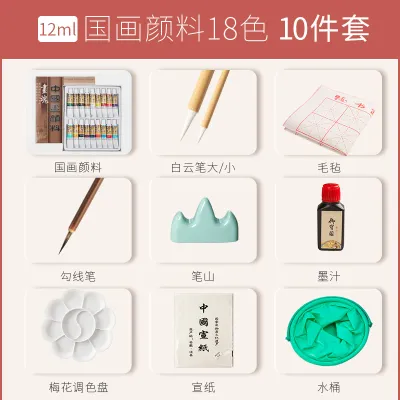
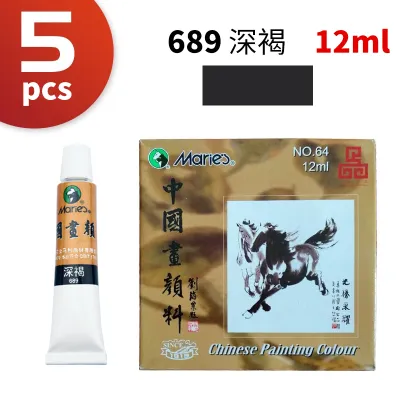
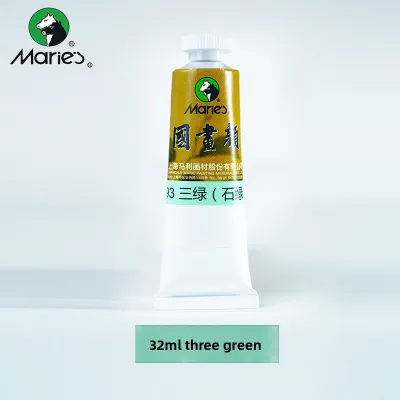
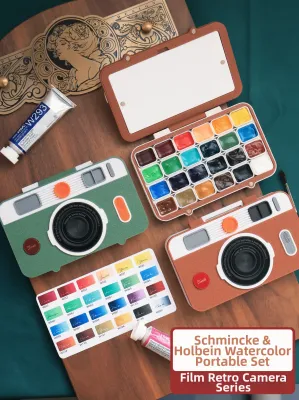
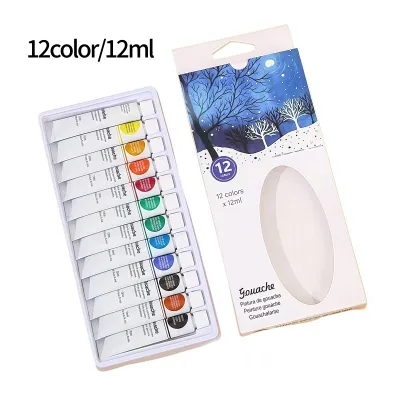
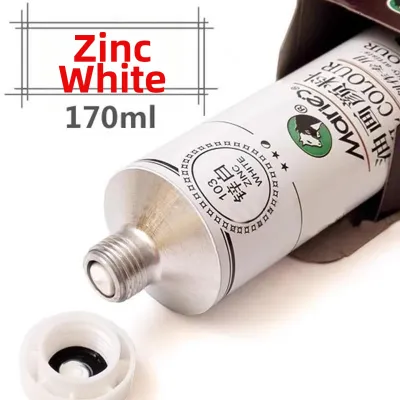

Prices are valid at publication and may change. Please refer to the product page for the latest price.
When browsing starter kits, several packaging red flags should prompt caution. Be wary of massive, multi-piece “art chests” that promise dozens of colors alongside plastic rulers, low-grade crayons, and flimsy sharpener accessories. These kits often prioritize quantity over quality, offering paints that dry chalky and brushes that shed bristles immediately. Additionally, inspect the packaging for missing technical information; reputable brands print pigment codes, lightfastness ratings, and opacity indicators directly on the tubes or the outer box. Poorly sealed containers, such as thin plastic pots with snap-on lids, are also major red flags, as they are highly prone to leaking or drying out before you even open them.
Evaluating Paint and Ink Sets by Medium
Selecting the right starter set requires matching the medium to your intended artistic style and your physical working environment. In Singapore, the tropical climate and high ambient humidity play a significant role in how wet media behave on paper and canvas. Whether you plan to paint in an air-conditioned room or sketch outdoors in a local park, understanding these environmental factors will help you choose a kit that remains easy to manage.

Watercolor and Gouache Starter Sets
Format Selection Water-based mediums are highly popular for their portability and ease of cleanup, but they come in distinct formats that suit different workflows. Watercolor pans consist of dry, compressed cakes of paint housed in small plastic cups, which are activated by touching them with a wet brush. This format is exceptionally clean, highly portable, and ideal for outdoor sketching or journaling on the go. In contrast, tube watercolors and gouache contain wet paste, allowing you to quickly squeeze out larger quantities of paint for broad washes and rich, opaque layers in a home studio. However, in humid climates, leftover paint squeezed onto a palette can attract moisture and mold if left uncovered in a damp room, making pans a more stable choice for casual, intermittent use.
Binder and Pigment Indicators When evaluating watercolor and gouache sets, look for gum arabic listed as the primary binder, as it ensures smooth solubility and a glossy, even finish. Check the packaging for transparency symbols, which are typically represented by small squares or circles: an empty shape denotes transparent paint, a half-filled shape indicates semi-opaque, and a fully shaded shape represents opaque paint. Gouache starter sets should offer high opacity naturally through dense pigment loading rather than the addition of heavy white chalk fillers. Low-quality gouache with excessive fillers tends to crack, flake, or shift colors drastically as it dries on the paper.
Essential Included Tools A functional watercolor or gouache starter set should include a few key accessories to make your practice seamless. Look for kits that feature a water brush, which is a synthetic brush with a hollow handle that holds water, allowing you to paint without carrying a separate water cup. The mixing palette included in the set should have deep, distinct wells to prevent wet colors from running into each other and muddying your palette. A small, dense cellulose sponge is another valuable inclusion, as it allows you to quickly dab away excess water from your brush tip to control the moisture levels on your paper.
Acrylic Paint Collections
Viscosity and Color Range Acrylic paint is celebrated for its fast drying time, permanent water resistance once dry, and versatility across various surfaces like paper, wood, and canvas. Acrylics are generally categorized by viscosity: heavy body acrylics have a thick, buttery consistency that retains brush strokes and texture, while soft body acrylics are fluid and self-leveling, making them ideal for smooth, flat graphic styles. For beginners, a medium-to-heavy body starter set is highly versatile, allowing you to experiment with both textured impasto techniques and thin, watery washes. Ensure the set includes a balanced color wheel, ideally featuring split primaries (a warm and a cool version of red, blue, and yellow) alongside black and white, which teaches you how to mix clean secondary shades without creating muddy tones.
Drying Time and Mediums Because acrylic paint dries through the evaporation of water, it cures very quickly, especially in air-conditioned indoor environments where the humidity is low. This fast drying time can make blending colors smoothly on the canvas a challenge for beginners. To counter this, look for starter sets that include a small bottle of acrylic retarder or slow-drying medium. Mixing a few drops of this medium into your paint extends the working time on your palette and canvas, allowing you to blend soft gradients and transition colors smoothly before the paint skins over.
Packaging Integrity Since acrylic paint cures into an irreversible plastic film, the integrity of the packaging is paramount. Opt for starter sets where the paint is housed in flexible laminate plastic or aluminum tubes with secure, threaded screw caps. Before purchasing, verify that the tubes feature intact foil safety seals beneath the caps to prevent air exposure during storage. Avoid sets that package acrylics in small, connected plastic pots with flip-top lids; these containers rarely provide an airtight seal, often resulting in the paint curing into solid, unusable rubber blocks before you have a chance to use them.
Inks and Calligraphy Kits
Ink Formulations Ink sets offer incredible precision for illustration, detailed line work, and elegant lettering, but the formulation of the ink dictates how it can be used. Pigment-based drawing inks and acrylic inks contain finely ground solid colorants that dry completely waterproof and lightfast. This makes them the perfect choice for line-and-wash techniques, where you draw your outlines first and then paint over them with watercolors without fear of the ink bleeding. Conversely, dye-based inks are highly vibrant and flow smoothly, but they are water-soluble and will bleed if they touch water after drying. They are also prone to fading over time when exposed to sunlight, making them better suited for sketchbook practice rather than finished display pieces.
Nib and Holder Quality For those interested in calligraphy or dip pen illustration, the quality of the physical pen components is just as important as the ink itself. A good starter kit should include a balanced pen holder made of finished wood or durable resin that fits comfortably in your hand without causing fatigue. The set should offer a variety of steel nibs, including broad-edge nibs for structured scripts and flexible pointed nibs for expressive, pressure-sensitive line work. Inspect the nibs to ensure they are free of rust and have a smooth, polished finish; in humid climates, steel nibs must be dried thoroughly after each use to prevent corrosion.
Seals and Maintenance Accessories Ink is highly fluid, meaning that secure bottle seals are essential to prevent messy spills and evaporation. Look for ink bottles with heavy-duty screw caps that feature an inner plastic liner or rubber gasket to create a tight seal. A high-quality calligraphy or ink starter set should also include basic maintenance tools, such as a small bottle of specialized nib cleaner or a lint-free cloth. These accessories are crucial for removing dried ink buildup from the delicate metal nibs, ensuring a smooth, consistent flow of ink during your next creative session.
Essential Components to Verify in a Starter Kit
When purchasing a starter kit, it is easy to focus solely on the paints or inks, but the accompanying tools and surfaces play an equally critical role in your artistic success. Flimsy brushes and low-grade paper can make even the highest-quality paints difficult to work with, leading to unnecessary frustration. Taking the time to audit these non-paint items ensures that your starter kit is fully functional right out of the box.
Brush Construction and Bristles The brush is the primary extension of your hand, and its construction determines your level of control over the medium. Inspect the ferrule, which is the metal collar that holds the bristles and attaches them to the wooden or plastic handle. A high-quality brush features a seamless metal ferrule that is securely crimped; avoid brushes with visible seams or loose, wobbling connections, as they will quickly shed hairs onto your wet artwork. For beginners, synthetic bristles made of nylon or polyester (such as Taklon) are highly recommended. Synthetic brushes are durable, easy to clean, and retain their shape and “spring”—the ability to snap back to a sharp point or edge when bent slightly—much better than cheap natural hair brushes when used with acrylics or heavy inks.
Paper Weight and Sizing The surface you paint on must be strong enough to withstand wet media without warping, buckling, or tearing. For watercolors, gouache, and heavy ink washes, look for paper with a minimum weight of 300 gsm (grams per square meter). For acrylics, look for heavy mixed-media paper of at least 250 gsm or canvas boards pre-primed with gesso. Sizing is another critical factor; it is a chemical treatment applied to paper during manufacturing to control how water is absorbed. Properly sized paper allows paint to sit on the surface long enough for you to blend it, whereas poorly sized paper acts like blotting paper, absorbing moisture instantly and causing colors to bleed uncontrollably.
Palette and Storage Case A reliable mixing palette should offer a smooth, non-porous surface that is easy to clean without staining. While plastic palettes are lightweight and common in starter kits, ensure the plastic is thick and rigid; thin, flimsy trays will flex and spill wet paint when lifted. Ceramic or porcelain palettes are excellent alternatives as they do not stain and allow you to see your mixed colors accurately. Finally, evaluate the outer storage case of the kit. A durable, impact-resistant plastic or metal case with secure latches protects your tubes, bottles, and brushes from damage and dust, making it easy to transport your supplies safely between home, school, or outdoor painting locations.
Sourcing and Verifying Art Supplies in Singapore
Finding authentic, high-quality art supplies in Singapore is straightforward if you know where to look and what to verify before making a purchase. While online shopping offers convenience, visiting a physical brick-and-mortar store remains one of the best ways for beginners to evaluate materials firsthand.
Physical Retail Inspection Visiting established art supply hubs, such as the specialized shops located in Bras Basah Complex or dedicated retail outlets across Singapore, allows you to physically handle the starter kits before buying. In a physical store, you can check the weight of paper pads to ensure they feel substantial, inspect the seals on paint tubes for any signs of leakage, and test the balance of brush handles in your hand. Store staff in these specialized shops are often knowledgeable artists themselves and can offer valuable advice on which student-grade sets provide the best performance for your specific interests.
Authorized Online Channels If you prefer the convenience of online shopping, prioritize purchasing from authorized local distributors or official brand storefronts on major ecommerce platforms. Buying from official channels guarantees that you are receiving authentic products rather than cheap counterfeits that use low-grade, potentially toxic pigments. Authentic starter sets will feature clear manufacturing details, batch codes, and safety certifications, such as the AP (Approved Product) non-toxic seal from the Art and Creative Materials Institute.
Marketplace Verification Steps When purchasing from general online marketplaces, take extra precautions to ensure the quality of the art supplies. Carefully read customer reviews, paying close attention to any feedback regarding dried-out paint tubes, cracked ink bottles, or damaged packaging during transit. Check the seller’s return and exchange policies before placing your order, ensuring that you can easily return the kit if the mediums arrive compromised, separated, or expired. Additionally, be mindful of storage conditions; art supplies stored in hot, unventilated warehouses for extended periods can degrade, so buying from reputable local sellers who manage their inventory carefully is always the safest option.
Frequently Asked Questions (FAQ)
How do I prevent acrylic paints from drying out in a starter set? (FAQ)
Tube and Palette Maintenance To keep your acrylic paints fresh, always store the tubes upright in a cool, dark drawer away from direct sunlight and heat sources. Before screwing the cap back on after a painting session, use a damp paper towel to wipe any excess paint off the threaded neck of the tube. This prevents the paint from drying and gluing the cap shut, which can tear the tube when you try to force it open next time.
Preserving Wet Paint If you have leftover paint on your palette that you want to use the next day, you can preserve it by using a stay-wet palette. This consists of a shallow, airtight tray containing a damp sponge layer covered by a sheet of permeable acrylic paper, which constantly hydrates the paint from below. Alternatively, you can mist your standard palette lightly with water from a spray bottle and cover it tightly with plastic wrap or an airtight lid to keep the air out.
Identifying Cured Paint It is important to recognize when acrylic paint has permanently cured and can no longer be saved. If the paint in the tube or on the palette has turned into a rubbery, solid mass, the acrylic polymer has fully cross-linked and cannot be reconstituted with water or mediums. Attempting to mix water into cured paint will only result in clumpy, unusable debris that will ruin your brushes and artwork, so these dried portions must be discarded.
Should I upgrade my brushes before buying more paints? (FAQ)
Identifying Brush Wear Upgrading your brushes is often a much smarter investment than buying more paint colors when you are looking to improve your technique. You should consider upgrading your brushes if your current starter brushes show signs of wear, such as frayed or splaying bristles that no longer hold a sharp edge, constant shedding of hairs onto your canvas, or poor water retention that leads to patchy, dry strokes. Flimsy brushes limit your ability to control line weight and apply paint smoothly, regardless of how expensive your paints are.
Benefits of High-Quality Brushes Investing in a few high-quality synthetic brushes will instantly improve your control, stroke variety, and overall painting experience. A well-made brush holds a generous amount of paint and releases it evenly, allowing you to paint longer, smoother strokes without constantly reloading. Instead of buying a massive set of cheap brushes, focus on acquiring three or four essential shapes: a medium round brush for details, a flat brush for broad strokes, and a mop or wash brush for large areas.
Matching Brushes to Mediums When upgrading, ensure you match the stiffness and material of the brush bristles to the specific medium you are practicing. Soft, delicate synthetic bristles are ideal for fluid watercolors and inks, as they hold water beautifully and prevent harsh brush marks. For heavier mediums like acrylics or gouache, choose stiffer synthetic bristles (such as golden synthetic or stiff nylon) that have enough strength to push the thick paint across the canvas while retaining their shape under pressure.

Community discussion
Share your experience or ask a question. Comments are reviewed before publication.