
Introducing letters and numbers to young learners at home requires a reliable, interactive surface where physical manipulation meets visual learning. A high-quality magnetic board serves as the foundation for these early literacy and numeracy activities, allowing children to physically move magnetic letters and numbers to build words, practice phonics, and solve basic math problems. To choose the right board, you must balance surface responsiveness, physical safety, and the specific layout of your home learning environment. By selecting a board that matches your child’s developmental stage and your home’s spatial constraints, you can create an engaging, durable educational station that supports years of active discovery.
Core Selection Criteria for Home Educational Boards
When evaluating magnetic boards for early childhood education, the surface material is the most critical factor determining both magnetic strength and writing quality. Painted steel is the most common and practical option for home use, offering a strong magnetic pull because of its steel base, while the painted top layer serves as a smooth dry-erase surface. However, the quality of this painted layer can vary significantly; lower-grade painted steel may degrade over time, leading to staining or difficulty erasing markers. Flexible magnetic sheets, often made of rubber-like magnetic vinyl, offer a lightweight alternative that can be adhered directly to walls or doors, but their magnetic hold is typically weaker, meaning heavier plastic letters might slide down during play.
For families seeking maximum durability, porcelain-on-steel boards represent a premium tier. These surfaces are incredibly hard, highly resistant to scratches, and virtually immune to the ‘ghosting’ stains left behind by dry-erase markers. However, porcelain boards are substantially heavier and more expensive, which may be unnecessary for a temporary early-learning setup. On the other hand, glass magnetic boards, while sleek and modern, are generally unsuitable for young children due to the risk of shattering and the requirement for specialized, extra-strong rare-earth magnets that pose severe safety hazards if swallowed.
Products mentioned in this guide
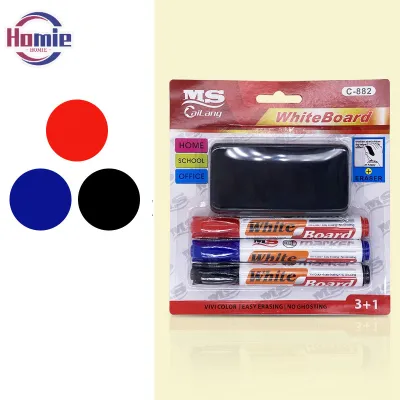
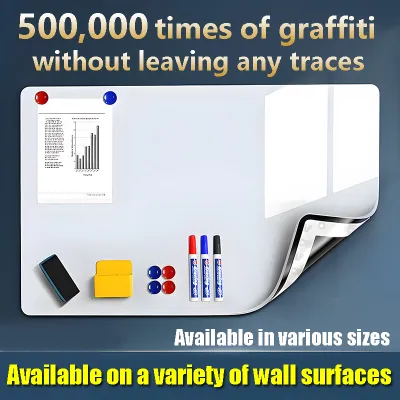
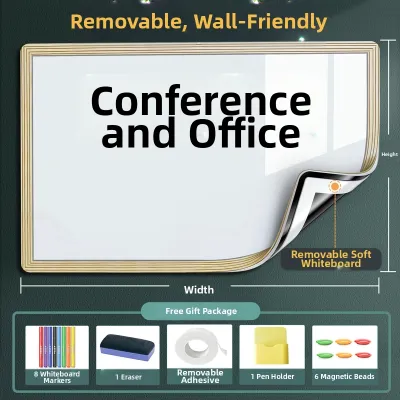
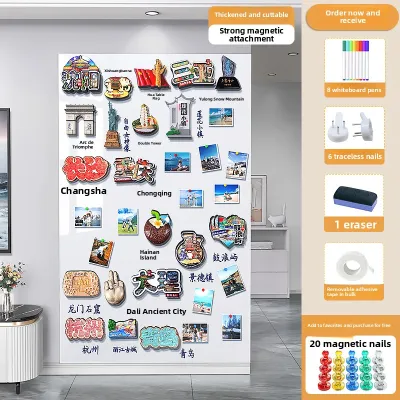
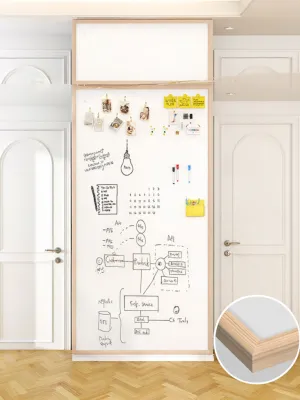
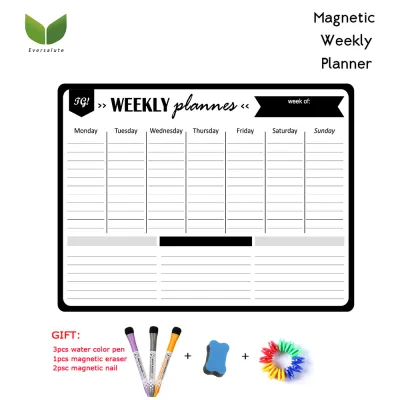
Prices are valid at publication and may change. Please refer to the product page for the latest price.
Size and aspect ratio must match both your child’s physical reach and your home’s layout. In space-conscious living environments, such as typical apartments in Singapore, a massive wall-mounted board can easily overwhelm a room and limit placement options. A board that is too large also makes it difficult for a toddler or preschooler to reach the upper sections, resulting in wasted space and physical strain. A medium-sized board, approximately 60 centimeters by 90 centimeters, provides ample room for spelling short sentences or lining up numbers from 1 to 20 without requiring the child to stretch uncomfortably or lose focus.
Frame construction is another essential safety and durability consideration that parents often overlook. Many standard office whiteboards feature sharp aluminum frames with pointed corners that can easily cause scratches or bruises during active play. For a child’s environment, look for frames made of smooth, rounded plastic or sanded hardwood with no exposed fasteners. If you choose an aluminum-framed board, ensure it features protective plastic corner caps that are securely locked into place to prevent them from being pried off by curious fingers.
Matching Board Formats to Early Learning Activities
Wall-mounted magnetic boards are excellent for creating a dedicated, permanent learning zone in your home. Mounting a board securely to the wall encourages standing play, which helps young children develop core strength, shoulder stability, and gross motor skills as they reach across the surface to arrange letters. A fixed wall board is ideal for displaying semi-permanent learning aids, such as a daily calendar, the full alphabet, or a number line. It keeps the learning materials off the floor, establishes a clear visual cue that this specific area is for educational activities, and prevents the board from being knocked over during energetic play.

Portable easels offer exceptional versatility, especially in multi-functional living spaces where a permanent wall installation is not feasible. Many educational easels feature a double-sided design, often combining a magnetic whiteboard on one side with a traditional chalkboard or felt board on the other. This configuration allows two children to work simultaneously or lets you switch between different types of sensory activities. When selecting an easel, look for models with adjustable height settings so the board can grow alongside your child, ensuring they can always write and place magnets at a comfortable elbow height.
Lap-sized magnetic boards or desktop trays are perfect for focused, individual tasks and quiet study time. These compact tools are highly effective for fine motor skill development, as they force the child to work within a smaller, controlled boundary. A child can sit comfortably on the floor, at a child-sized table, or even in a vehicle during travel while manipulating letters to spell their name or solve simple addition problems. Desktop trays are also incredibly easy to store in a drawer or on a shelf when not in use, making them a favorite for families prioritizing a clutter-free home.
Safety, Stability, and Durability Verifications
Safety must be the primary filter when selecting any educational tool for young children. Always verify the manufacturer’s recommended age grading, particularly concerning the magnetic letters and numbers you plan to use with the board. Standard magnetic letters often contain small, glued-on black magnets on the back, which present an extreme choking and internal injury hazard if they detach. For toddlers and preschoolers, look for letters with fully embedded or molded-in magnetic backings where the magnet cannot be pried loose, and ensure all accessories are large enough to pass standard small-parts safety checks.
Mounting stability is paramount for wall-mounted boards to prevent accidental injuries. In homes with concrete or brick walls, which are standard in Singapore, you must use appropriate wall plugs and screws rather than simple adhesive strips or light nails. A heavy board that is improperly secured can easily pull loose if a child pulls down on the frame for balance. If you are using a free-standing easel, check the locking mechanism that keeps the legs spread apart; a sturdy cross-brace or locking tray prevents the easel from accidentally collapsing if bumped during enthusiastic play.
The durability of the writing surface determines the board’s lifespan in a high-use home environment. Children’s learning environments are prone to accidents, including the accidental use of permanent markers, heavy scrubbing, and scratches from plastic toys. Before purchasing, check if the surface is rated as scratch-resistant. You can perform an observable trial on a small corner of the board using a standard dry-erase marker: write a few characters, let them dry completely for ten minutes, and wipe them away. If a faint shadow remains, the surface coating may require frequent deep cleaning or may not withstand daily educational use.
Building a Functional Home Learning Station
Setting up the physical space correctly enhances the learning experience and prevents physical fatigue. Position the magnetic board so that the center of the active writing area aligns with your child’s chest height when they are standing or sitting comfortably. If the board is mounted too high, the child will constantly crane their neck and tire their shoulders; if it is too low, they will slouch, which can lead to poor posture habits. Adjust the height periodically as your child grows to maintain an ergonomic setup.
Organization is key to maintaining an inviting learning station and fostering independence. Store magnetic letters and numbers in shallow, open bins or sorted trays placed within the child’s reach. Labeling these containers with pictures or matching letters encourages children to sort and clean up their materials independently after a session. Keeping the markers, erasers, and magnetic pieces in dedicated spots also prevents the frustration of lost pieces, ensuring that learning sessions can start smoothly without a frantic search for specific letters or numbers.
Incorporate complementary tools that match the specific surface of your board to ensure longevity. Opt for low-odor, non-toxic dry-erase markers designed specifically for children’s use, and keep a soft microfiber cloth or a dedicated magnetic eraser nearby. Avoid using paper towels or rough sponges, as their abrasive fibers can micro-scratch the board’s protective topcoat over time, making it increasingly difficult to erase marker ink. Regularly wiping the board with a damp cloth after use will keep the surface clean and ready for the next lesson.
Frequently Asked Questions (FAQ)
How do I remove ghosting or dry-erase marker stains from the board?
Over time, dry-erase boards can develop ghosting, where faint outlines of old writing remain visible. Before applying any cleaning solution, always consult the manufacturer’s care instructions, as some specialized coatings can be damaged by harsh chemicals. For general maintenance, use a soft microfiber cloth dampened slightly with water or a dedicated, mild whiteboard cleaning spray. Avoid using abrasive scrubbing pads, window cleaners, or strong solvents like acetone, as these can strip away the smooth dry-erase layer, permanently ruining the board’s erasability. If a permanent marker is accidentally used, a common safe trick is to draw directly over the permanent ink with a fresh dry-erase marker, let it sit for a few seconds, and then gently wipe both away.
Can I use standard refrigerator magnets on an educational magnetic board?
While standard refrigerator magnets will physically stick to most steel-backed educational boards, they are often not ideal for early learning activities. Refrigerator magnets are frequently designed for decorative purposes and may have weaker magnetic fields, causing them to slide down when placed on a vertical whiteboard. More importantly, many household magnets are made of heavy ceramic, glass, or resin, which can easily scratch the delicate dry-erase coating of an educational board if dragged across the surface. They also frequently feature small, exposed parts or sharp edges that do not meet toy safety standards for young children. It is best to stick to lightweight, fully encased plastic or foam magnetic letters and numbers specifically designed for educational use.

Community discussion
Share your experience or ask a question. Comments are reviewed before publication.