
Finding the perfect 3D pop-up calendar in Singapore involves balancing intricate paper engineering with practical desk space. These calendars transform a standard date-tracking tool into a miniature paper sculpture, offering a tactile and visual experience that evolves month by month. To make the best choice, you must evaluate the structural style, paper quality, and physical footprint against your workspace or home environment.
Whether you are looking for a striking architectural landmark that slowly reveals itself or a whimsical nature scene that pops up with every page turn, understanding the construction and care of these delicate paper items ensures your calendar remains beautiful and functional throughout the entire year. By focusing on material durability and structural stability, you can select a piece of functional art that brings daily joy to your workspace.
Understanding 3D Pop-Up Calendar Styles and Themes
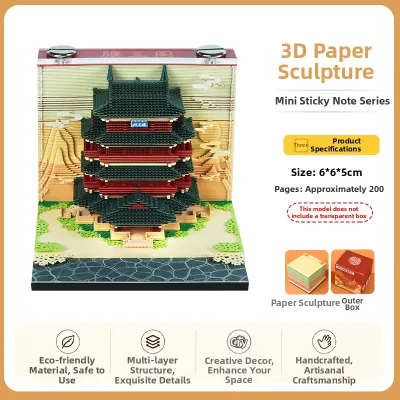
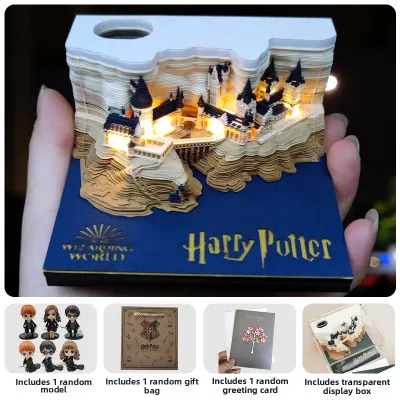
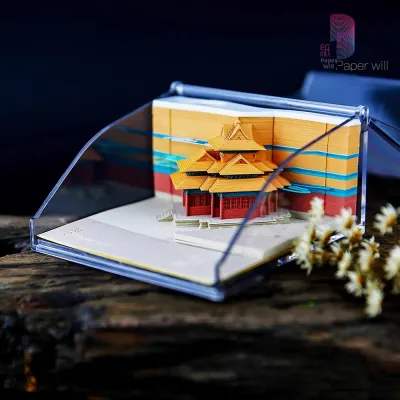
Architectural and landmark designs often feature laser-cut layers that build up to reveal famous global landmarks, historical buildings, or intricate cityscapes. As you tear away or fold back each day or month, a highly detailed three-dimensional structure emerges from the block. These are ideal for history buffs, travel enthusiasts, or those who appreciate precise geometric engineering and miniature modeling.
Products mentioned in this guide
Prices are valid at publication and may change. Please refer to the product page for the latest price.
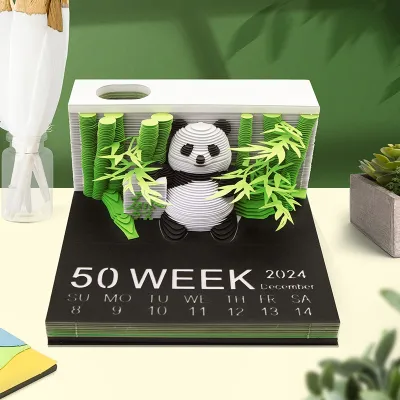
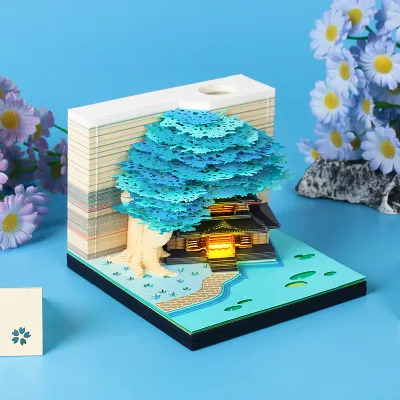
On the other hand, nature, floral, and botanical motifs focus on organic shapes, seasonal transitions, and artistic illustrations. These designs might feature blooming flowers, forest scenes, or animal silhouettes that pop up when a new month is revealed. They bring a softer, more organic aesthetic to a workspace, making them popular for home offices, creative studios, and living areas.
Abstract and artistic themes use geometric patterns, color gradients, and sculptural folds to create modern, minimalist visual statements. These appeal to design professionals and those who prefer a contemporary look that complements modern interior decor. The focus here is on the play of light and shadow across the folded paper surfaces.
Many 3D calendars incorporate interactive elements that go beyond simple pop-up structures. Pull-tabs can reveal hidden dates, motivational quotes, or small illustrations, adding an element of daily discovery. These features encourage a hands-on relationship with your stationery, making the passage of time feel more tangible.
Spinning wheels or manual dials are often integrated into perpetual 3D calendars, allowing you to adjust the day of the week and date manually. This mechanical interaction extends the calendar’s usefulness beyond a single calendar year, turning the item into a long-term desk accessory.
Layered depth mechanisms use multiple parallel sheets of paper spaced slightly apart to create a diorama effect. When viewed from the front, these layers combine to form a deep, three-dimensional scene with realistic perspective. This style mimics a miniature theater stage and looks particularly striking when placed under focused desk lighting.
Desk-standing formats are the most common type of 3D calendar. They typically feature a built-in easel, a sturdy cardboard stand, or a heavy acrylic base that keeps the structure upright on a flat surface. These require dedicated desk or shelf space, so it is essential to measure your workspace to ensure the calendar does not interfere with your daily work tools.
Wall-hanging pop-up variations offer a space-saving alternative. These calendars hang flat against the wall but feature elements that pop outward when the page is opened. While they free up valuable desk real estate, they require a secure mounting point and sufficient clearance from passing foot traffic to prevent accidental bumps that could tear the delicate paper structures.
Key Factors to Evaluate Before Buying
The foundation of any high-quality 3D calendar is the paper itself. Look for calendars constructed from heavy cardstock, typically ranging from 200 gsm to 350 gsm (grams per square meter). Heavy paper provides the necessary structural integrity to support complex folds and standing elements without sagging, warping, or tearing under its own weight.

Examine the paper finish as well. Matte, uncoated cardstock offers a classic, tactile feel and reduces glare under bright office lights, though it can be more susceptible to moisture. Coated or textured papers can add visual depth and resist minor smudges, but they may make writing notes on the calendar pages more difficult depending on the ink type used.
Intricate laser-cut details can create breathtaking visual effects, but they also introduce fragility. Evaluate how the pop-up elements interact with the page-turning mechanism. If a design requires you to manually unfold or tuck in complex paper tabs every month, consider whether you have the patience and dexterity to do so without causing damage.
Smooth page transitions are crucial for the longevity of the calendar. Look for designs where the pop-up elements fold flat smoothly when the calendar is closed or when pages are turned. If the paper catches or binds during a transition, it can lead to permanent creases, tears, or structural failure over time.
Before purchasing, measure your intended display area. A large, elaborate 3D calendar can easily dominate a small study desk or a compact bedside table. Check the fully expanded dimensions of the calendar, including its height, width, and depth when open, to ensure a proper fit.
Keep in mind that some 3D calendars expand significantly when opened. A calendar that looks compact when closed might require double the depth once the pop-up elements are fully deployed. Ensure there is a clear buffer zone around the calendar to prevent books, laptops, or coffee mugs from sliding into the delicate paper structures.
The stability of the calendar depends heavily on its binding and base construction. Wire-o or spiral binding allows pages to turn completely flat, reducing stress on the paper joints. However, the wire must be sturdy enough not to bend out of shape with regular use.
For calendars that rely on a folding cardboard stand, inspect the thickness of the backing board. A flimsy stand will cause the calendar to slide, tilt, or collapse under the weight of its pop-up elements. Premium models often feature heavy-duty chipboard, wooden bases, or acrylic frames that provide a solid, slip-resistant foundation on smooth desk surfaces.
In Singapore, 3D pop-up calendars span a wide price range depending on their complexity, materials, and manufacturing methods. Simple, mass-produced designs with basic layered cuts typically range from S$15 to S$30. These offer a pleasant visual pop without requiring a significant financial investment.
Mid-range options, often priced between S$30 and S$60, feature more intricate laser cutting, heavier cardstock, and sturdier bases. These are excellent for personal use or as thoughtful gifts for colleagues and friends who appreciate fine stationery.
Premium, highly engineered mechanical structures or hand-assembled artisan calendars can cost anywhere from S$60 to over S$120. These high-end pieces often double as permanent art installations, utilizing specialty papers, wooden bases, or integrated LED lighting to showcase extraordinary craftsmanship.
Where to Find 3D Pop-Up Calendars in Singapore
To truly appreciate the paper quality, color accuracy, and structural mechanics of a 3D calendar, shopping in person is highly recommended. Large bookstores and specialty stationery boutiques in Singapore’s major shopping districts often carry curated selections of premium paper goods, especially in the months leading up to the new year.
Visiting a physical store allows you to run your fingers over the cardstock, observe how the light catches the laser-cut details, and test the smoothness of the page-turning mechanism. It also eliminates the risk of transit damage, as you can carry your purchase home safely in a protective bag.
If you are looking for highly specific themes, international imports, or unique designs from independent artists, online marketplaces and global craft platforms offer an unparalleled selection. Many independent paper engineers sell their creations directly through online storefronts, allowing you to support creators worldwide.
When shopping online, look for detailed product descriptions that list the exact dimensions, paper weight, and assembly requirements. High-quality listings will often include video demonstrations showing the calendar opening and closing, which is invaluable for assessing the fluidity of the pop-up mechanism.
Because 3D calendars are exceptionally delicate, purchasing from reputable online sellers is essential. Read customer reviews specifically looking for feedback on packaging quality. A reliable seller will ship the calendar flat, sandwiched between thick sheets of protective cardboard or encased in a rigid box to prevent bending, crushing, or corner damage during transit.
Verify the seller’s return and exchange policies before finalizing your purchase. In the event that your calendar arrives with bent tabs, torn paper, or a broken binding due to rough handling by delivery services, a clear return policy ensures you can secure a replacement or refund without hassle.
Caring for and Displaying Your Pop-Up Calendar
Singapore’s tropical climate presents unique challenges for paper preservation. High humidity can soften cardstock, causing delicate pop-up elements to sag, warp, or lose their crisp folds. To protect your calendar, display it in an air-conditioned room or a well-ventilated space with stable humidity levels.
Avoid placing the calendar in direct sunlight, such as on a windowsill or directly beneath a bright window. Ultraviolet rays will rapidly fade colored inks and can cause white paper to turn yellow and brittle over time. Similarly, keep the calendar away from direct air conditioning vents, as the constant draft can cause thin paper elements to flutter, crease, or collect dust rapidly.
When turning the pages of your 3D calendar, always use a slow, deliberate motion. Avoid flipping pages quickly, as the sudden movement can catch delicate laser-cut edges on adjacent sheets, leading to tears.
If a pop-up element does not deploy fully or appears stuck, do not force it. Gently guide the paper with your fingertips, checking to see if a tab has slipped out of its designated slot or if a crease has folded in the wrong direction. Taking a moment to adjust the paper manually will prevent permanent structural damage.
Over the course of a year, dust will inevitably settle into the intricate crevices of your 3D calendar. Never use liquid cleaners, damp cloths, or wet wipes, as moisture will instantly ruin the paper fibers, warp the structure, and bleed the ink.
Instead, use a soft, dry makeup brush, a clean watercolor brush, or a specialized camera lens blower to gently sweep away dust. Work from the top of the structure downward, using light strokes to avoid bending the delicate paper cuts. A can of compressed air can also be used, but only from a safe distance and at a low pressure setting to prevent tearing the paper.
Frequently Asked Questions (FAQ)
Can I reuse a 3D pop-up calendar after the year ends?
Yes, many high-quality 3D calendars are designed with reuse in mind. Once the year has concluded, you can carefully remove or fold away the dated sections, leaving behind the central 3D paper sculpture. This allows you to keep the intricate design on your desk or shelf as a permanent decorative art piece.
Alternatively, you can carefully detach the individual pop-up pages. These beautiful paper structures can be framed as shadowbox art, repurposed into unique handmade greeting cards, or integrated into scrapbooking projects, giving the exquisite craftsmanship a second life.
Are 3D pop-up calendars suitable for young children?
Generally, intricate 3D pop-up calendars are not recommended for young children due to their delicate nature. The fine laser-cut details, thin paper tabs, and complex folding mechanisms can easily tear under rough handling, and some designs may contain small parts or sharp paper edges.
If you want to share the joy of pop-up papercraft with children, look for calendars specifically designed for families. These typically feature thicker, heavy-duty cardboard, simpler folding mechanisms with fewer delicate cutouts, and large, easy-to-manipulate elements that can withstand daily interaction.

Community discussion
Share your experience or ask a question. Comments are reviewed before publication.