
Selecting the right carton boxes for moving is the foundation of a successful, damage-free transition to your new home. Using the wrong box size for specific household items often leads to structural failures, damaged belongings, and physical strain during lifting. To pack efficiently, you must match the density and fragility of your items to the volume and structural strength of the carton. A systematic approach ensures that heavy items remain manageable, fragile pieces stay cushioned, and bulky goods do not burst their seams. By understanding how to distribute weight across different box dimensions, you can streamline your packing process, protect your investments, and make the entire moving day significantly safer.
Understanding Standard Carton Box Sizes and Weight Limits
Before packing a single item, you must understand how carton sizes relate to weight capacity. Standard moving boxes are generally categorized into small, medium, large, and extra-large or wardrobe sizes. While exact dimensions vary slightly by manufacturer, the primary rule of packing is that box volume should be inversely proportional to the weight of the contents. Large boxes are designed for light, voluminous items, whereas small boxes are reserved for heavy, dense objects. Attempting to fill a large carton with heavy items makes the box impossible to lift safely and increases the risk of the bottom giving way.
To ensure your cartons can withstand the rigors of transit, always inspect the physical characteristics of the cardboard. Look for the manufacturer’s stamp, usually printed on the bottom flap, which indicates the box’s weight limit and bursting test rating. Pay close attention to the flute type, which refers to the wavy middle layer of the corrugated cardboard. Single-wall cartons with B-flute or C-flute construction are suitable for lightweight items, while double-wall cartons (BC-flute) offer enhanced puncture resistance and stacking strength for heavier or fragile goods. Before committing to a specific carton, perform a manual check by pressing the sides to verify the rigidity of the board.
Products mentioned in this guide
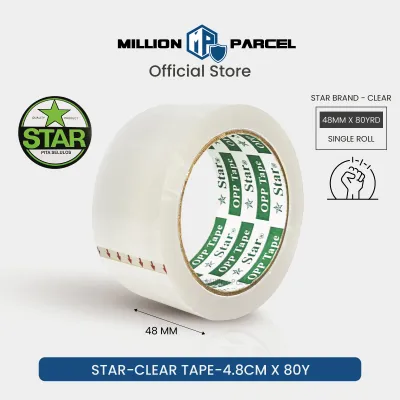
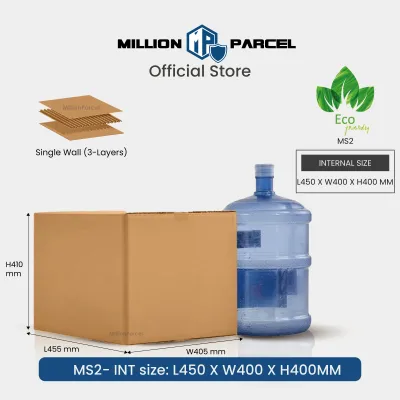
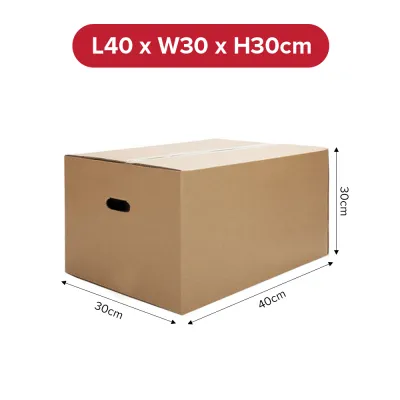
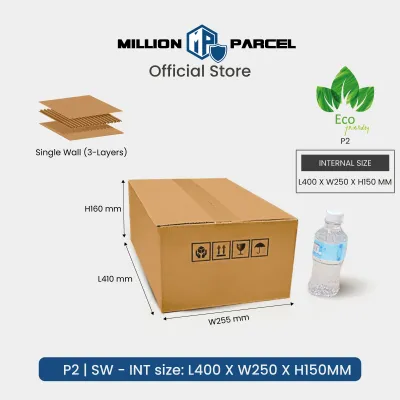
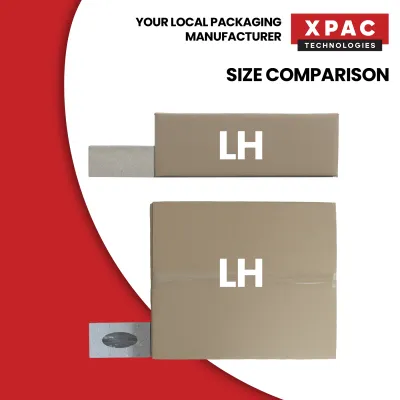
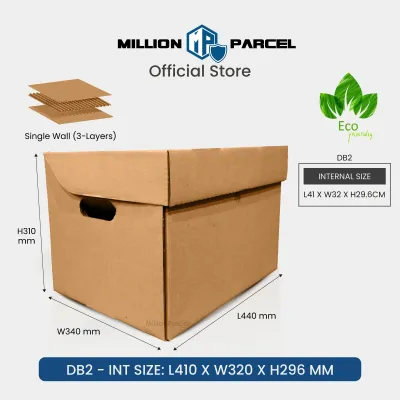
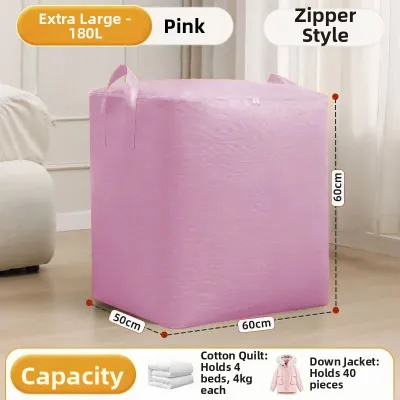
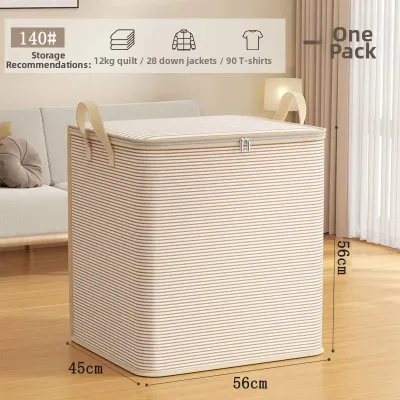
Prices are valid at publication and may change. Please refer to the product page for the latest price.
Matching Box Sizes to Specific Household Categories
Heavy and Dense Items (Books, Tools, Canned Goods)
Dense and heavy items must be packed exclusively in small carton boxes to maintain structural integrity and prevent personal injury. Items such as books, hand tools, files, and canned pantry goods accumulate weight rapidly, making them difficult to carry if grouped in large quantities. A small carton limits the total weight to a manageable level, typically keeping the loaded box under 15 to 20 kilograms. When packing these items, place the heaviest objects at the very bottom of the carton to keep the center of gravity low and stable.

Before loading heavy items, perform a physical inspection of the carton’s seams and corners to ensure there are no pre-existing tears or soft spots. Reinforce the bottom of the box by applying heavy-duty packing tape in an “H” pattern, running one strip along the center seam and two strips across the side edges. This distribution of tape prevents the flaps from pulling apart under downward pressure. As you pack, check the box periodically by lifting it slightly off the floor; if you observe any bowing or bulging at the bottom, immediately transfer some items to another carton to avoid a structural blowout.
Medium-Weight and Fragile Items (Kitchenware, Decor, Electronics)
Medium-sized carton boxes serve as the workhorses of a residential move, offering the ideal balance of volume and manageability for standard household goods. These cartons are highly suited for kitchenware, small appliances, framed decor, and electronics. Because these items are often fragile or irregularly shaped, the box must accommodate both the object and a substantial amount of protective cushioning. When selecting a medium carton, ensure there is at least five to eight centimeters of clearance on all sides of the item to allow for adequate buffering material.
To pack fragile items safely, you must create a protective envelope within the carton. Line the bottom of the medium box with a thick layer of crumpled packing paper or bubble wrap before placing any items inside. For delicate glassware or ceramics, consider using modular cardboard dividers or custom corrugated inserts that slide directly into the carton. These dividers isolate each item, preventing them from knocking against one another during transport. Always pack plates vertically on their edges rather than stacking them flat, as vertical alignment distributes impact forces much more effectively.
Bulky and Lightweight Items (Clothes, Bedding, Pillows)
Large and extra-large carton boxes are designed specifically for low-density, bulky items that occupy significant space without adding excessive weight. Bedding, pillows, winter coats, cushions, and soft toys are ideal candidates for these larger volumes. If you attempt to use small boxes for these items, you will quickly run out of containers and find yourself handling an unnecessarily high number of individual packages. However, avoid over-compressing fabrics into these large cartons, as excessive pressure can strain the glued seams of the box and cause deep, stubborn wrinkles in your textiles.
For clothing, you must decide between standard large cartons and specialized wardrobe boxes. Standard large cartons are highly efficient for folded garments, off-season apparel, and linens, allowing you to stack items neatly to maximize internal space. Wardrobe boxes, which feature an integrated metal hanging rail, are highly effective for suits, dresses, and delicate garments that should not be folded. While wardrobe boxes are significantly taller and more expensive, they save considerable time on both packing and unpacking, as clothes can transition directly from your closet to the box and back again without losing their shape.
How to Estimate the Total Number of Boxes You Need
Estimating the quantity and size distribution of carton boxes required for a move is a critical step that prevents mid-packing delays. A practical framework begins with an audit of your home based on room types and the density of belongings. For instance, packing a standard three-room HDB flat or condominium in Singapore typically requires a higher proportion of small and medium heavy-duty cartons due to the weight of kitchenware and books, while bedrooms demand more large cartons and wardrobe boxes for clothing and bedding. As a general guideline, plan for approximately ten to fifteen cartons of various sizes per fully furnished room.
To account for estimation errors and unexpected items, always reserve a buffer of 15% to 20% more boxes than your initial calculation suggests. This safety margin ensures you do not run out of supplies late in the packing process when time is limited. Additionally, secure extra packing paper and tape, as these are consumed rapidly when wrapping fragile items. A phased sourcing plan is highly recommended: purchase a baseline set of cartons first, begin packing the least-used areas of your home, and then adjust your final purchase of specific box sizes once you have a clearer picture of your remaining inventory.
Essential Packing Supplies to Pair with Your Carton Boxes
The structural integrity of your carton boxes depends heavily on the quality and application of your supplementary packing supplies. When selecting packing tape, choose a heavy-duty acrylic or hot-melt adhesive tape with a width of at least 48 millimeters to ensure strong adhesion to the cardboard fibers. A handheld tape dispenser is an indispensable tool that allows you to apply consistent tension and cut the tape cleanly, which prevents peeling and waste. For heavy cartons, opt for reinforced paper tape or filament tape, which contains fiberglass strands for exceptional tensile strength.
Internal buffering materials are equally vital to prevent items from shifting and colliding inside the carton. While bubble wrap offers excellent shock absorption for highly delicate items, clean, unprinted packing paper is often the most versatile and cost-effective option for general wrapping and void-filling. You can also utilize clean household textiles, such as towels, blankets, and thick socks, to cushion items and fill empty spaces, which simultaneously packs those textiles and reduces waste. To verify if a box is packed securely, gently shake the sealed carton; if you hear or feel any movement inside, open the box and add more void-fill material until the contents are completely immobilized.
Finally, a clear labeling system is essential for managing different box sizes and ensuring they are placed in the correct rooms at your destination. Use broad-tipped, permanent markers to write directly on the tape or on dedicated labels applied to the sides of the box, rather than the top, so the writing remains visible when the cartons are stacked. Color-coding your labels by room can dramatically speed up the unloading process for movers. Always note if a box contains fragile items or must be kept in a specific orientation, using clear “This Side Up” arrows to guide handlers.
Frequently Asked Questions (FAQ)
Can I use free grocery store boxes for moving?
While sourcing free boxes from grocery stores or local businesses is a cost-effective option, you must carefully evaluate their structural integrity and cleanliness before use. Recycled commercial cartons have often undergone significant stress during shipping and handling, which can weaken their corners and seams. Inspect each box for signs of moisture damage, soft spots, punctures, or pest infestation, and reject any carton that feels flimsy or smells damp.
Recycled boxes are generally unsuitable for heavy, dense, or highly fragile items because their weight-bearing capacity is unpredictable. Grocery boxes designed for lightweight produce or dry goods rarely feature the double-wall construction required to support heavy books or delicate kitchenware safely. If you choose to use free boxes, restrict them to non-fragile, medium-weight items like plastic containers, shoes, or garage tools, and always reinforce the bottom seams with fresh, high-quality packing tape.
What should I do if a box is only half full?
A partially filled carton box is highly vulnerable to collapsing when stacked under heavier boxes in a moving truck. To prevent this, you must eliminate all top voids by filling the empty space with lightweight buffering materials. Crumpled packing paper, air pillows, or clean household linens like towels and small pillows are excellent choices for filling these gaps without adding significant weight to the carton.
Never place a heavy, fully packed carton on top of a partially filled or soft carton during transit, as this will inevitably crush the lower box and damage its contents. When loading the moving vehicle, always follow the stacking rule of placing the heaviest, most solid cartons at the bottom of the stack and positioning lighter, partially filled, or fragile boxes near the top. This arrangement maintains the structural stability of the entire stack and prevents shifting during transit.

Community discussion
Share your experience or ask a question. Comments are reviewed before publication.