
Selecting the right carton box sizes for a relocation is the foundation of a damage-free move. The golden rule of packing is to match the weight of your items inversely to the size of the box: heavy items belong in small boxes, while light, voluminous items belong in large ones. By aligning your household goods—from dense books and delicate kitchenware to bulky bedding—with the correct box dimensions, you protect both your belongings and your physical safety during transit. In Singapore’s high-rise apartments, where navigating tight lifts, narrow corridors, and multi-level parking bays is standard, using properly sized and structured boxes ensures that stacks remain stable on trolleys and do not collapse under pressure.
Understanding Standard Carton Box Sizes and Weight Limits
To plan your packing strategy, you must first understand the standard dimensions of moving boxes available on the market. Small boxes typically measure around 30 to 40 cm on their longest side, making them highly manageable for single-person lifting. Medium boxes generally range from 40 to 50 cm, offering a versatile middle ground for diverse household goods that require a balance of volume and weight. Large and extra-large boxes extend from 50 cm to over 70 cm, providing massive volume but requiring strict weight limits to prevent structural failure.
The relationship between box volume and weight capacity is critical. A larger box can physically hold more items, but filling it with heavy goods will exceed the structural limits of the cardboard, leading to bottom blowouts or collapsed stacks. As a general rule, try to keep the total weight of any single box under 15 to 20 kg to ensure safe manual lifting and transport. Exceeding this weight not only risks damaging the box but also increases the likelihood of personal injury during transit.
Products mentioned in this guide
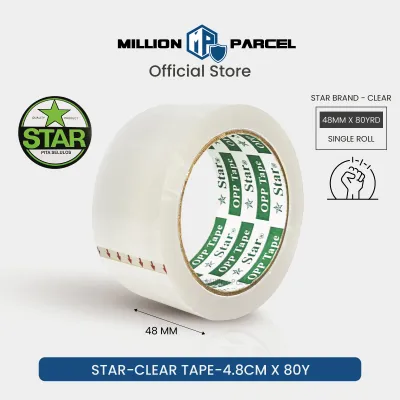
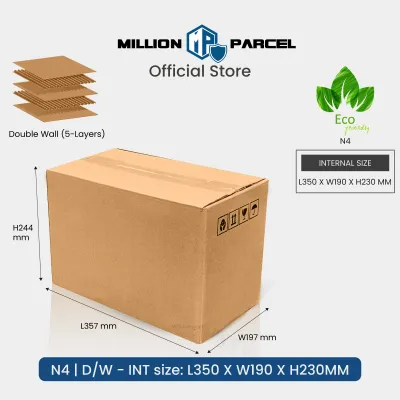
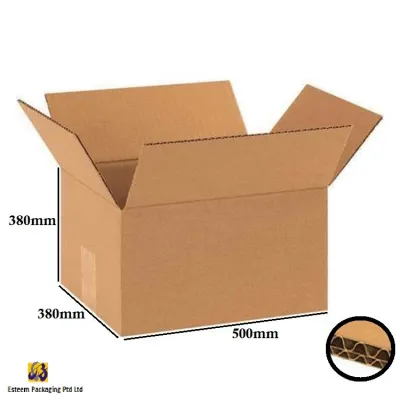
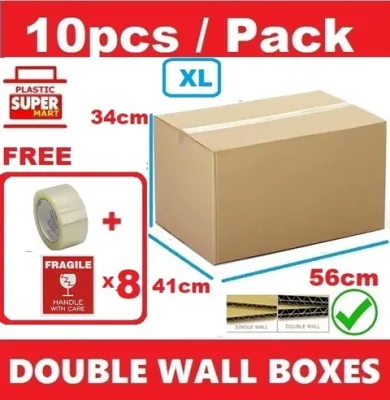
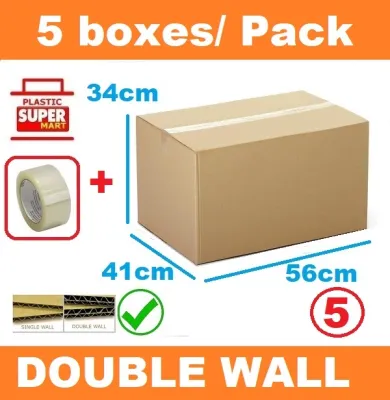
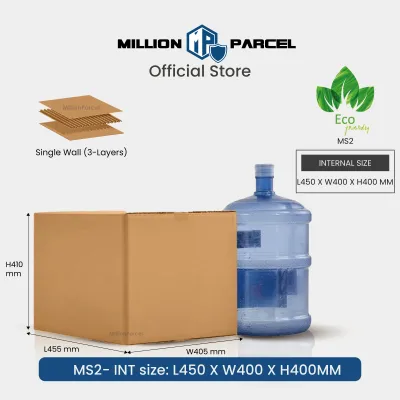
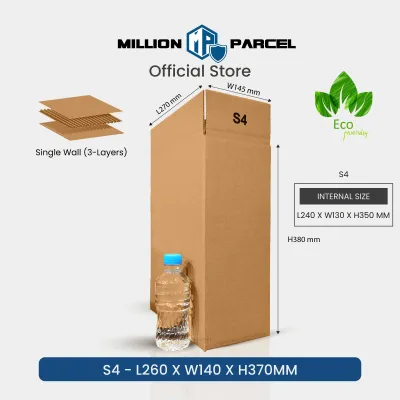
Prices are valid at publication and may change. Please refer to the product page for the latest price.
Before purchasing, always check the manufacturer’s specifications for corrugated material strength. Look for indicators of board construction, such as single-wall or double-wall corrugated cardboard. Double-wall boxes feature two layers of fluting sandwiched between linerboards, providing significantly higher puncture resistance and stacking strength. This extra reinforcement is essential for protecting fragile items during a multi-stage relocation where boxes are stacked several layers high in a moving truck.
Selecting Small Boxes for Heavy and Fragile Items
Small carton boxes are the unsung heroes of a successful move because they prevent dense items from becoming impossibly heavy. Items such as books, hand tools, files, and canned pantry goods should always be packed into small boxes. Packing books in a large box creates a block of weight that can easily tear through the bottom tape or cause back strain during lifting. By keeping these heavy items in smaller containers, you ensure that each box remains easy to carry and stack.

These compact containers are also ideal for fragile kitchenware, glassware, and small electronics. Because small boxes have less internal volume, there is less room for items to shift and collide during transit. When packing delicate porcelain, ceramic plates, or glassware, wrap each piece individually in packing paper or bubble wrap, pack them tightly within a small box, and fill any remaining gaps with cushioning material to absorb shocks.
Overpacking even a small box can lead to bulging sides, which compromises its structural integrity and makes stacking impossible. To ensure safe handling, perform a physical lift test before sealing the box. Lift the box slightly off the floor; if the cardboard deforms or if you feel significant strain, redistribute the contents into multiple boxes to maintain a safe, manageable weight. This simple check prevents accidents before they happen on moving day.
Selecting Large and Extra-Large Boxes for Bulky, Lightweight Goods
Large and extra-large carton boxes are designed to maximize space efficiency, but they must be reserved strictly for voluminous, lightweight items. Large boxes are highly suitable for mixed-weight everyday items that are bulky but not excessively heavy, such as shoes, plastic toys, board games, and small kitchen appliances wrapped in protective layers. These items fill the volume of the box without pushing the total weight past a safe lifting threshold.
Extra-large boxes should be allocated almost exclusively for featherweight items that take up significant physical space. Bedding, pillows, winter coats, cushions, and linens are perfect candidates for these massive containers. Using extra-large boxes for these items keeps your packing organized and prevents you from having to carry dozens of loose, awkward bundles. It also ensures that these soft items remain clean and protected from dust during transit.
Placing heavy items at the bottom of a large box with the hope of filling the top with light items is a common mistake that often leads to bottom blowouts. The heavy items put concentrated pressure on the bottom seams, which can fail when the box is lifted. Always perform a weight distribution check, ensuring that the heaviest items are kept in smaller boxes and that larger boxes remain light enough to carry comfortably without bending the cardboard base.
Estimating Box Quantities and Room-by-Room Allocation
Estimating how many boxes you need requires a systematic, room-by-room assessment of your home. High-density areas like the kitchen, study, and living room bookshelves require a much higher proportion of small and medium boxes due to the weight of dishes, books, and media. Conversely, low-density areas like bedrooms and linen closets will demand more large and extra-large boxes to accommodate clothing and bedding.
To estimate the total number of boxes needed, consider both your household size and the number of rooms. For a typical two-bedroom apartment in Singapore, you might require approximately 15 to 20 small boxes, 20 to 25 medium boxes, and 10 to 15 large or extra-large boxes. Adjust these numbers upward if you have extensive collections of books, heavy kitchen gear, or decorative items. Having a surplus of medium boxes is always helpful, as they can adapt to almost any category of household goods.
A structured labeling strategy is essential to streamline the unpacking process at your new home. Use a bold permanent marker to label at least two sides of every box with its destination room, a brief summary of its contents, and its relative fragility. Color-coding your labels by room allows movers to quickly deposit boxes in the correct locations, saving you from sorting through a chaotic pile of identical cardboard in your new living room.
Assembling and Reinforcing Carton Boxes for Safe Transit
Proper assembly is just as important as choosing the right box size. To secure the bottom and top seams, use high-quality packing tape and apply the “H-taping” method. This involves running a strip of tape down the center seam, followed by strips along the side edges to seal the flaps completely. This technique prevents the flaps from bowing outward and keeps dust, dirt, or moisture from entering the box during transit.
Once the box is taped, eliminate empty internal spaces to prevent shifting during transit. Use void fill, crumpled packing paper, or bubble wrap to fill any gaps at the top or corners of the box. When boxes are stacked in a moving truck, any empty space inside a box can cause the top to cave in under the weight of the boxes above it, leading to a domino effect of damage. A fully packed, tightly cushioned box acts as a solid block that can withstand vertical pressure.
Finally, inspect the integrity of every box before packing. While reusing boxes is an eco-friendly option, avoid any cardboard that shows signs of moisture damage, soft spots, or crushed corrugated flutes. In Singapore’s humid climate, cardboard can absorb atmospheric moisture over time, significantly reducing its load-bearing capacity. If you must use second-hand boxes, reserve them for lightweight items and reinforce all seams with extra layers of heavy-duty tape.
Frequently Asked Questions (FAQ)
Can I use extra-large boxes for books if I only fill them halfway?
It is not recommended to fill extra-large boxes halfway with books. The empty space left at the top of the box significantly reduces its structural integrity, making it highly susceptible to crushing when other boxes are stacked on top of it. Additionally, books can shift violently inside a partially filled large box during transit, leading to damaged pages and torn box corners. Always use small boxes for books to ensure a tight, stable, and safe pack.
How can I test if a reused carton box is still strong enough for moving?
To evaluate a reused box, start with a visual inspection. Check for water stains, torn flutes, soft corners, or deep creases along the edges. Next, perform a physical stress test by pressing firmly on the sides and bottom panels; if the cardboard feels spongy or bends easily under moderate hand pressure, it has lost its structural strength. If the box passes these checks, reinforce all seams with extra packing tape before loading any items.

Community discussion
Share your experience or ask a question. Comments are reviewed before publication.