
Selecting the correct carton box size is the foundation of a successful home organization or moving project. When preparing to pack books, clothes, and kitchenware, matching the physical properties of your items to the correct box dimensions prevents damage to your belongings and makes handling significantly easier. A common mistake is treating all household goods the same, which often leads to boxes that are either too heavy to lift or structurally compromised.
In Singapore, where residential storage space in HDB flats or condominiums is highly valued, maximizing every square centimeter of a storeroom or utility closet is essential. Choosing the correct box sizes allows you to stack containers safely, keeping your living areas tidy and your stored items accessible. By understanding how density and volume interact, you can select a packing system that protects your investments over the long term.
Why Box Size and Weight Capacity Matter
The relationship between an item’s density and the box’s volume determines how well the package will hold up during transport or long-term stacking. Dense items, such as books or heavy kitchen appliances, pack a large amount of weight into a small physical space. If you place these items in a large carton, the cumulative weight can easily exceed the structural limits of the cardboard, leading to a high risk of bottom blowouts where the seams split open.
Products mentioned in this guide
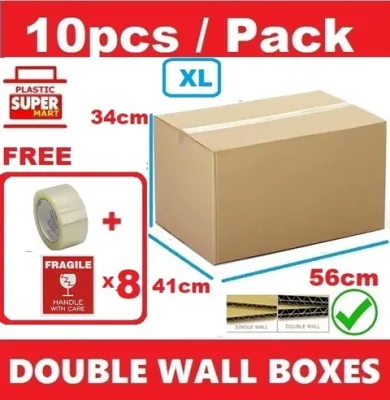
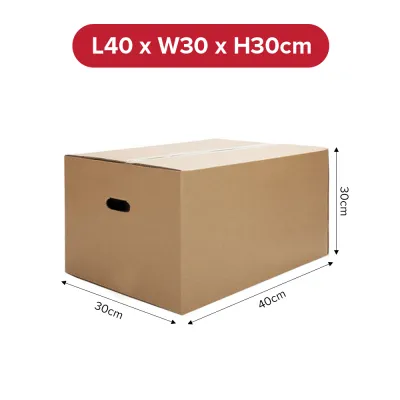
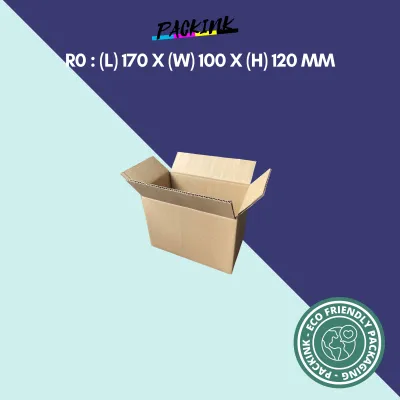
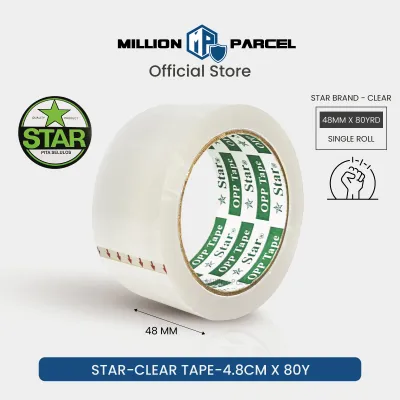
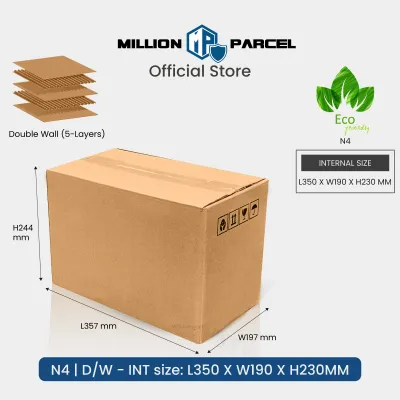
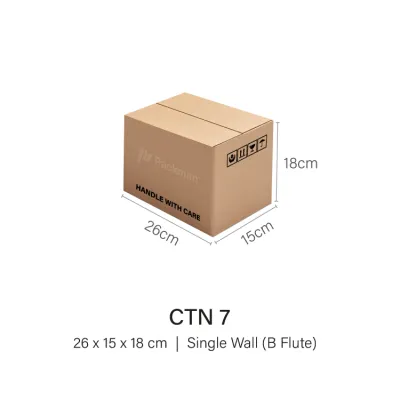
Prices are valid at publication and may change. Please refer to the product page for the latest price.
Overpacking large boxes with heavy items also poses a significant risk of personal injury. Lifting a box that exceeds safe handling limits can strain your back, shoulders, and knees, especially when navigating tight corridors or stairwells. To maintain safety, it is crucial to balance the volume of the box with the physical capability of the person who will be carrying it.
Before purchasing carton boxes, always inspect the manufacturer’s specifications printed on the box certificate, usually found on the bottom flaps. Look for details regarding the corrugated fluting rating and the maximum gross weight limit. Single-wall cardboard is suitable for lightweight items, while double-wall or heavy-duty corrugated cardboard provides the necessary crush resistance and puncture protection for heavier loads.
Matching Carton Box Sizes to Item Categories
To pack efficiently, you must apply the density-to-volume matching principle: heavy items go into small boxes, while light, bulky items go into large boxes. This simple rule ensures that no single container becomes an immovable anchor or a fragile shell prone to collapsing. Standard industry box classifications—typically categorized as small, medium, and large—provide a reliable framework for sorting your household goods.

Storing Books and Heavy Documents
Books, magazines, and paper documents are among the densest items in any household. To prevent structural failure, these items should exclusively be packed into small, heavy-duty carton boxes. A small box limits the total volume of paper you can pack inside, naturally keeping the overall weight within a manageable range of 10 to 15 kilograms.
When selecting boxes for books, verify that the construction features reinforced edges and double-wall corrugated cardboard. These structural reinforcements prevent the sides of the box from bowing outward under lateral pressure. Strong corners also ensure that when boxes are stacked on top of one another, the weight is distributed down the vertical walls rather than crushing the contents below.
The way you arrange books inside the carton also affects their preservation. Pack books flat or spine down to distribute their weight evenly across the bottom of the box. Avoid packing books with the spine facing upward, as this orientation can warp the bindings and damage the pages over time. Fill any remaining small gaps with clean packing paper to prevent the books from shifting during transit.
Storing Clothes and Linens
Clothes, towels, blankets, and bedsheets are lightweight but occupy a significant amount of physical space. For these bulky items, medium to large carton boxes are the most efficient choice. Because fabric is light, a large box filled with folded garments remains easy to lift and carry without risking structural damage to the cardboard.
For delicate, structured, or formal clothing—such as suits, dresses, or heavy winter coats—consider using specialized wardrobe boxes. These cartons feature an integrated hanging rod, allowing you to transfer clothes directly from your closet on their hangers. This prevents deep creasing and eliminates the need to iron garments after retrieving them from storage.
To maximize space inside standard large cartons, utilize vacuum compression bags for bulky linens and seasonal wear. Placing blankets or winter jackets into compression bags and removing the air significantly reduces their volume. This allows you to fit more items into a single carton while keeping the contents sealed against dust and environmental elements.
Storing Kitchenware and Fragile Items
Kitchenware presents a unique packing challenge because it often consists of heavy, irregular, and highly fragile items. Medium-sized carton boxes are suitable for this category. They offer enough volume to accommodate bulky pots, pans, and small appliances, yet they prevent the box from becoming too heavy to carry safely when filled with ceramic plates or glassware.
When packing fragile kitchen items, check for specialized internal dividers, cell kits, or cardboard inserts. These accessories isolate individual glasses, mugs, or wine bottles, preventing them from knocking against each other. If dividers are not available, wrap each item individually in multiple layers of bubble wrap or clean packing paper before placing them in the box.
Always leave a protective buffer zone at the bottom, sides, and top of the carton. Line the bottom of the box with crumpled packing paper to act as a shock absorber. Avoid overstuffing the carton to the point where the top flaps bulge, as this prevents proper sealing and makes the box unstable when stacked.
Estimating Space and Planning Your Storage Layout
Before purchasing any carton boxes, measure the physical dimensions of your intended storage area, whether it is an HDB storeroom, a bedroom closet, or a rented self-storage unit. Knowing the height, width, and depth of the space prevents you from buying boxes that are too wide to fit through doors or too tall to stack.
When planning the layout, account for access pathways so you can reach boxes at the back without moving the entire stack. Pay close attention to the manufacturer’s stated crush resistance or stacking weight limits. Place the heaviest boxes containing books or kitchenware at the bottom of the stack to create a stable base, and place lighter boxes containing clothes on top.
Creating a detailed inventory list is an effective way to estimate the total volume of packaging materials you need. Group your items by category and estimate how many small, medium, and large boxes each group will require. This systematic approach prevents you from over-purchasing packaging supplies and ensures you have the right mix of box sizes on hand.
Common Sizing and Packing Mistakes to Avoid
One of the most frequent packing mistakes is using large carton boxes for heavy items like books, canned goods, or cast-iron cookware. While it may seem convenient to consolidate these items, the resulting box is often difficult to lift safely and is highly likely to break open from the bottom.
Another common error is failing to reinforce the bottom seams of the carton with high-quality packing tape. Simply folding the flaps over one another without tape does not provide sufficient structural support. Always apply packing tape in an “H” pattern across the center seam and the side edges of both the top and bottom flaps, following the manufacturer’s assembly instructions.
Leaving empty voids inside a packed box is also highly risky. Empty spaces allow the contents to shift, slide, and collide, which can break fragile items or cause the box to collapse when stacked. Always fill empty pockets with crumpled paper, foam peanuts, or air pillows to keep the contents secure and maintain the box’s structural integrity.
Frequently Asked Questions (FAQ)
Can I reuse old delivery boxes for long-term storage?
Reusing old e-commerce or delivery boxes is acceptable for short-term transport, but they are generally not recommended for long-term storage. Inspect any used box carefully for structural fatigue, deep creases, moisture damage, or softened corners, as these flaws significantly reduce its load-bearing capacity. Single-use shipping cartons are often made from thin, single-wall cardboard designed for a single transit cycle, whereas dedicated storage boxes feature thicker, multi-wall construction. If you must reuse delivery boxes, restrict them to very light, non-fragile items like plush toys or spare pillows, and avoid stacking them at the bottom of a heavy pile.
How do I protect boxes from moisture in humid environments?
In humid climates like Singapore, cardboard boxes can absorb moisture from the air, which softens the fibers and compromises their structural strength over time. To mitigate this, consider using climate-controlled storage units if you are storing sensitive items like books, documents, or delicate fabrics. Inside each box, place moisture absorbers or silica gel desiccant packs to capture trapped humidity and protect the contents from mold or mildew. Additionally, never place carton boxes directly on concrete floors; elevate them on plastic pallets, shelving units, or plastic storage bins to prevent moisture from seeping up through the ground.

Community discussion
Share your experience or ask a question. Comments are reviewed before publication.