
Choosing the right carton box size requires matching the maximum physical dimensions of your items—plus the thickness of any protective packaging—to the internal dimensions of the box. Many people mistakenly purchase boxes based on external measurements, only to find their items do not fit inside. Selecting the correct dimensions ensures your goods remain secure during transit, prevents structural damage to the packaging, and keeps shipping costs as low as possible.
Understanding Standard Carton Box Dimensions and Categories
To find the perfect fit, you must first understand how carton box dimensions are standardly labeled. Manufacturers list dimensions in a specific sequence: Length x Width x Height (L x W x H). Length is the longest side of the box opening, width is the shorter side of the opening, and height is the depth of the box from the opening down to the base.
The critical distinction is the difference between internal and external dimensions. External dimensions dictate how much physical space the box occupies in a delivery vehicle or storage unit, which directly influences shipping rates. Internal dimensions represent the actual usable space available for your items and protective cushioning.
Products mentioned in this guide
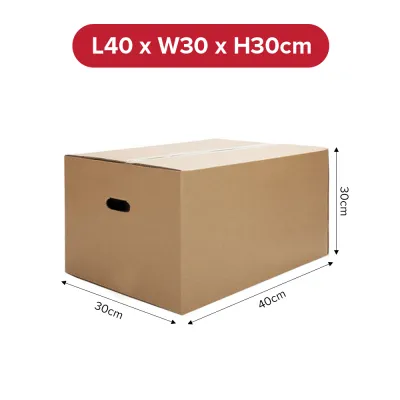
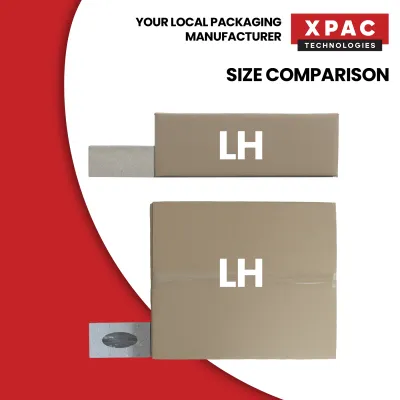
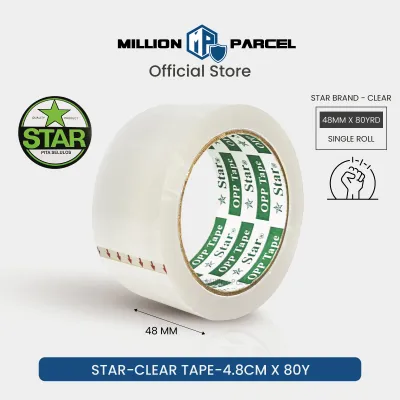
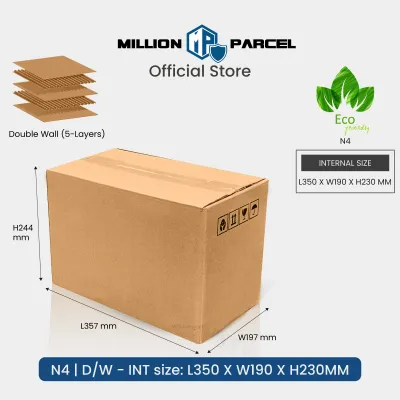
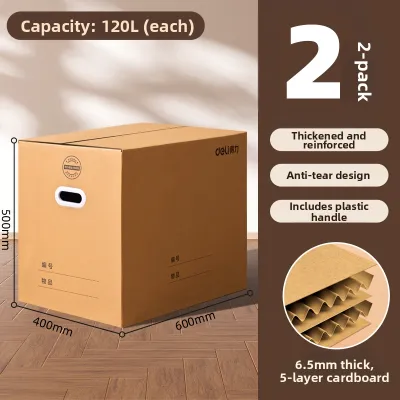
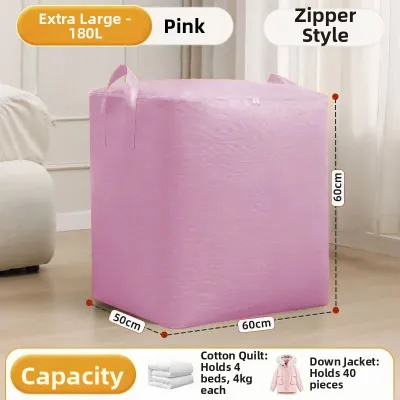
Prices are valid at publication and may change. Please refer to the product page for the latest price.
Carton boxes fall into several functional categories. Mailing boxes are typically shallow and often feature self-sealing adhesive strips, making them ideal for flat items or small retail goods. Moving boxes are sturdier, standardized shapes designed to stack efficiently in transport vehicles. Wardrobe boxes are tall, specialized cartons equipped with an internal metal hanger bar, allowing you to transfer clothes directly from your closet without folding.
The thickness of the corrugated cardboard itself plays a major role in determining the actual usable space inside. Corrugated board is constructed with a wavy inner layer, known as fluting, sandwiched between flat linerboards. While a double-wall carton provides exceptional puncture resistance for heavy shipments, the thicker walls reduce the internal dimensions compared to a single-wall box of the same external size.
How to Measure Your Items and Calculate the Required Box Size
Accurately measuring your items is the foundation of choosing the correct carton box. For regularly shaped items like books or rectangular electronics, use a measuring tape to find the exact length, width, and height. Always round up to the nearest millimeter to ensure you do not underestimate the space required.

For irregularly shaped items, such as a desk lamp or kitchen appliances, measure the absolute maximum points of protrusion. Imagine the item sitting inside a tight, invisible rectangular block. Measure the longest distance from the furthest left point to the furthest right point, the lowest to the highest point, and the frontmost to the backmost point. These maximum measurements represent the absolute minimum internal space your box must provide.
You must also account for the physical space occupied by protective cushioning materials. Fragile items require bubble wrap, packing paper, or air pillows to absorb shocks during transit. As a general guideline, plan for a minimum of 2 to 5 centimeters of protective clearance on all sides of the item.
To calculate your target internal box size, add twice the thickness of your chosen cushioning material to each of your item’s dimensions. For example, if your item is 20 cm long and you plan to use 3 cm of bubble wrap on all sides, your target internal length is 26 cm. Repeat this calculation for both the width and the height to establish the minimum internal dimensions your carton box must have.
Matching Box Sizes to Specific Packing and Shipping Scenarios
Selecting the right carton box size also depends heavily on your specific packing or shipping scenario. When preparing for a residential move, such as relocating between high-rise apartments, weight distribution is a primary safety consideration. A common mistake is packing heavy items, such as books or files, into large boxes. This makes the box incredibly difficult to lift and increases the risk of the bottom seam bursting open. Instead, pack heavy items into small, dense carton boxes, and reserve large boxes for lightweight, bulky items like pillows and blankets.
For e-commerce businesses and retail shipping, selecting a snug-fitting box is essential for managing operational costs. Most courier services calculate shipping fees based on dimensional weight rather than actual physical weight. If you ship a small item in an oversized box filled with air, you will pay a premium for shipping empty space. Choosing a box that closely matches your item’s dimensions minimizes dimensional weight charges and reduces the amount of void fill material you need to purchase.
Fragile shipments require a different sizing strategy that prioritizes safety over compact packaging. If you are shipping delicate glassware or multiple small items in a single box, choose a carton large enough to accommodate internal cardboard dividers or molded pulp trays. These dividers prevent items from knocking against each other and keep them suspended away from the outer walls of the box, where external impacts are most likely to cause damage.
Common Sizing Mistakes and How to Avoid Them
One of the most frequent errors buyers make is confusing internal and external dimensions when ordering carton boxes online. Because manufacturers often list external dimensions to help logistics companies plan cargo space, buyers who do not read the specifications carefully may purchase boxes that are slightly too small for their items. Always double-check the product description to confirm you are looking at the internal measurements.
Choosing a box that is too large introduces significant risks during transit. When there is excess empty space inside a carton, the contents are prone to shifting and colliding with the box walls. This movement is a primary cause of product damage during shipping. Furthermore, oversized boxes require excessive amounts of packing tape and void fill to remain secure, which increases your overall packaging material expenses.
Conversely, attempting to squeeze items into a box that is too small is equally problematic. Over-compressing your items can damage the products themselves and forces the sides of the carton to bulge outward. Bulging boxes are difficult to seal securely, stack poorly in delivery vans, and suffer from severely compromised structural integrity.
Frequently Asked Questions (FAQ)
Does the thickness of the corrugated board affect the internal dimensions?
Yes, the thickness of the corrugated board directly impacts the usable space inside the box. Single-wall corrugated boxes typically have a wall thickness of about 3 to 4 millimeters, whereas double-wall boxes, which feature two layers of fluting for extra strength, can have walls that are 6 to 8 millimeters thick. Because of this, two boxes with identical external dimensions can have noticeably different internal capacities. Always verify whether the manufacturer’s listed dimensions refer to the inside or the outside of the box before finalizing your purchase.
How do I calculate dimensional weight for shipping costs?
Dimensional weight, also known as volumetric weight, is calculated by multiplying the external length, width, and height of the box and dividing the total by a specific dimensional factor. The standard formula is (Length x Width x Height) / Divisor. The exact divisor used varies depending on the courier service and whether you are shipping locally or internationally. Because these standards and policies can change, you should always check your preferred courier’s current guidelines to calculate your shipping costs accurately and avoid unexpected surcharges.

Community discussion
Share your experience or ask a question. Comments are reviewed before publication.