
Selecting the right cardboard moving box size is the most effective way to protect your belongings and ensure a smooth transition to your new home. The general rule is to match the density of your items to the volume of the box: heavy items like books belong in small boxes, while light, voluminous items like pillows belong in large ones. Using the wrong dimensions leads to structural box failure, damaged valuables, and unnecessary physical strain during transit.
The Core Rule of Moving Box Sizing: Heavy Means Small, Light Means Large
The fundamental principle of packing relies on an inverse relationship between an item’s density and the box’s physical dimensions. When you pack heavy items into a large box, the cumulative weight quickly exceeds what a human can safely lift and what the cardboard can structurally support. A large box filled entirely with books can easily weigh over forty kilograms, making it a hazard for your back and increasing the likelihood of the bottom dropping out.
Conversely, packing light items into small boxes is highly inefficient, resulting in an excessive number of individual containers to track, load, and unload. By reserving large boxes for low-density items and small boxes for high-density items, you maintain a consistent, manageable weight across all your cargo. This systematic approach keeps your moving process organized and prevents physical injuries.
Products mentioned in this guide
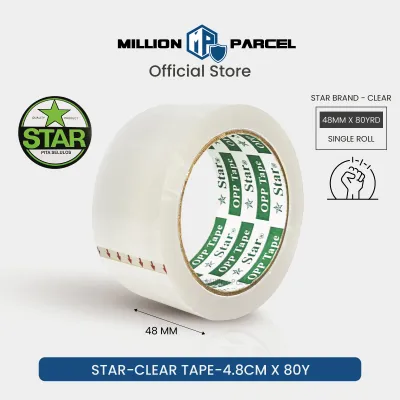
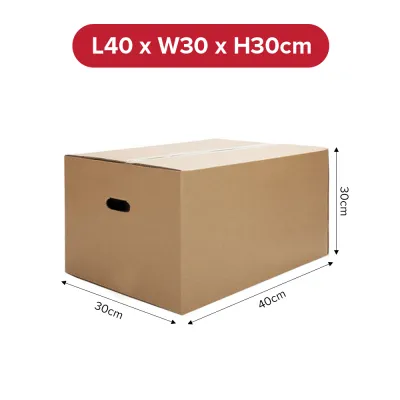
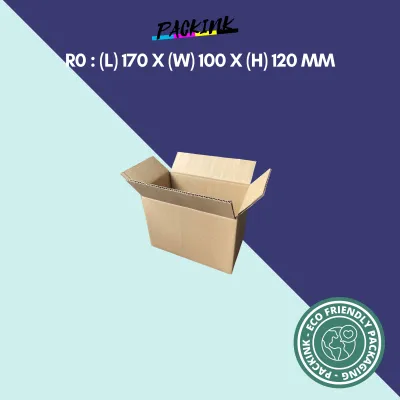
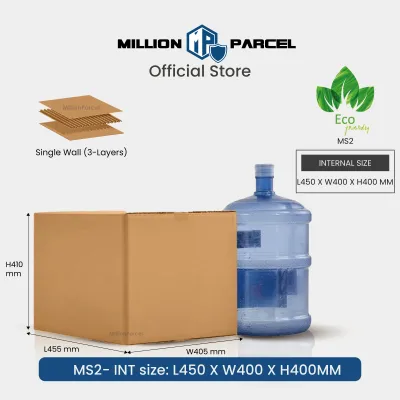
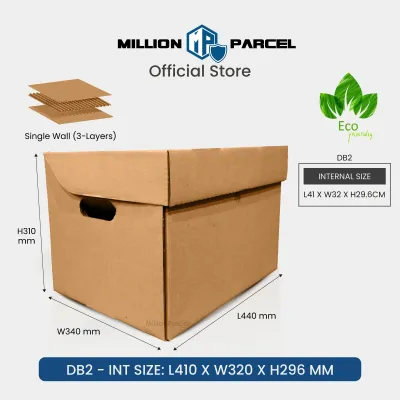
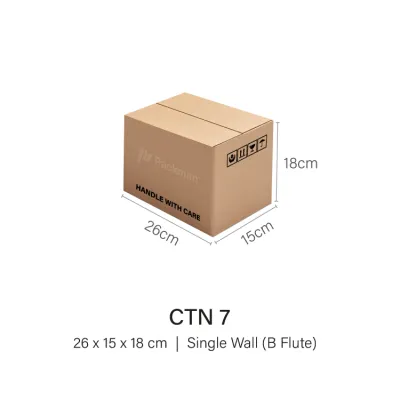
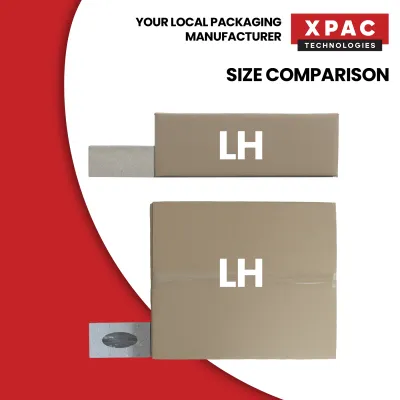
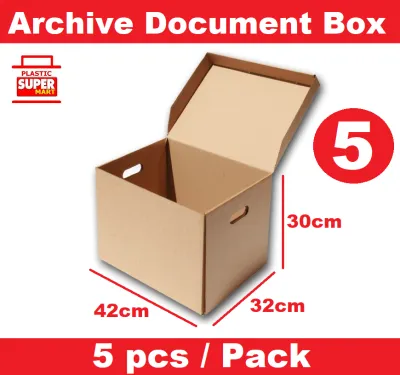
Prices are valid at publication and may change. Please refer to the product page for the latest price.
Before you begin packing any container, locate the manufacturer’s stamp, which is typically printed on the bottom flaps of the box. This stamp lists the maximum weight capacity and the external dimensions. Verifying these specifications ensures you do not overload the cardboard beyond its engineered limits, protecting both the handler and the contents inside.
How to Match Box Dimensions to Specific Household Categories
To pack efficiently, group your household items by their density and fragility rather than simply packing room by room. Mixing heavy tools with delicate porcelain in a single large box is a recipe for disaster, as the heavier items will shift and crush the lighter ones. Categorizing your belongings by physical characteristics allows you to select the ideal box profile for each group.

When planning your layout, always distinguish between the external and internal dimensions of your cardboard boxes. Corrugated cardboard has a distinct thickness, especially double-wall varieties, which reduces the actual usable space inside. Measuring the internal clearance ensures that rigid, non-yielding items like appliances or framed pictures will fit without stretching or tearing the box walls.
Heavy and Dense Items (Books, Tools, Canned Goods)
Recommended Box Profile: Small boxes, typically measuring around 30 to 40 centimeters on their longest side, are the industry standard for dense belongings.
Material Specifications: Look for heavy-duty corrugated cardboard, preferably with a double-wall construction or a high Edge Crush Test (ECT) rating. These specifications indicate that the box walls can resist bending and crushing under significant downward pressure.
Packing Instructions: Place the heaviest items at the bottom of the box to establish a low center of gravity. Fill the box to within two centimeters of the top edge, leaving just enough space to fold the flaps flat without forcing them. If you notice the flaps bulging upward or the sides bowing outward, the box is overpacked and must be redistributed to prevent seam failure.
Medium-Weight and Fragile Items (Kitchenware, Glassware, Decor)
Recommended Box Profile: Medium boxes, generally ranging from 40 to 50 centimeters in length, offer the ideal balance of volume and weight management for everyday household goods.
Material Specifications: Standard single-wall or medium-duty double-wall boxes work well, provided you use adequate internal cushioning to absorb shocks during transport.
Packing Instructions: Fragile items require a significant amount of protective wrapping, which increases the total volume of space needed. When calculating your box requirements, factor in an extra three to five centimeters of internal clearance on all sides for bubble wrap, crumpled packing paper, or cardboard dividers. Never pack fragile items tightly against the outer walls of the box; instead, create a protective buffer zone of soft materials at the bottom, sides, and top to absorb external impacts.
Light and Bulky Items (Clothing, Linens, Pillows, Toys)
Recommended Box Profile: Large and extra-large boxes, measuring 50 to 60 centimeters or more, are designed specifically to consolidate high-volume, low-weight household goods.
Material Specifications: Standard single-wall corrugated cardboard is usually sufficient for these items, as the total weight is unlikely to challenge the box’s structural integrity.
Packing Instructions: You can safely fill these large containers to the very top, as items like blankets, pillows, and plush toys will not exceed the weight limits of the cardboard. For garments, consider specialized wardrobe boxes equipped with integrated metal hanging bars. These tall, sturdy boxes allow you to transfer clothing directly from your closet hangers into the box, preventing deep wrinkles and saving hours of folding and ironing after your move.
Verifying Cardboard Specifications and Structural Limits
Not all cardboard boxes are manufactured to the same standards, and using retail packaging or low-grade cartons can lead to catastrophic failures during a move. To verify the quality of a box, inspect the circular stamp known as the Box Maker’s Certificate (BMC), which is usually printed on one of the bottom flaps. This certificate provides critical technical data, including the burst strength or the Edge Crush Test (ECT) rating, which measures the box’s ability to withstand top-to-bottom stacking pressure.
Understanding the difference between single-wall and double-wall corrugated board is essential for selecting the right container. Single-wall cardboard consists of one wavy fluted layer sandwiched between two flat linerboards, making it lightweight and flexible—ideal for light to medium household goods. Double-wall cardboard features two layers of fluting and three flat liners, providing significantly higher puncture resistance and stacking strength, which is necessary for heavy electronics, books, and fragile kitchenware.
Before packing any box, especially a used one, conduct a thorough physical inspection. Check for deep creases along the corners, soft spots caused by moisture absorption in humid climates like Singapore’s, or tears near the seams. Cardboard that has been exposed to high humidity loses a substantial portion of its structural rigidity, making it prone to collapsing when stacked in a moving truck. Ensure all old packing tape is removed or completely sealed over, as peeling tape can compromise the box’s structural integrity.
Common Sizing and Packing Mistakes to Avoid
One of the most frequent errors in residential moves is adopting a “one size fits all” approach by purchasing only large boxes. While buying a single size might seem convenient, it inevitably leads to overpacked, dangerously heavy boxes or underpacked boxes that collapse when stacked. A successful move requires a balanced assortment of small, medium, and large containers tailored to your specific inventory.
Another critical mistake is ignoring the manufacturer’s weight limits printed on the box flaps. Even if a large box can physically hold fifty kilograms of kitchen tiles, the cardboard is not engineered to support that load during transit, and the handles or bottom seams will likely fail when lifted. Always distribute heavy items across multiple small boxes rather than concentrating them in one large container.
Finally, avoid using flimsy, non-corrugated cardboard boxes, such as those used for shoe packaging, cereal, or lightweight retail items. These materials lack the internal fluting that provides structural strength and shock absorption. While spending a few S$ on proper, high-quality moving boxes might seem like an extra expense, it is far cheaper than replacing damaged electronics or broken glassware. Under the pressure of a moving truck’s cargo hold, non-corrugated boxes will flatten instantly, leaving your valuable items completely unprotected against shifting loads.
Frequently Asked Questions (FAQ)
Can I reuse cardboard boxes from grocery stores or online deliveries?
Yes, but you must inspect them carefully before packing valuable items. Grocery boxes often carry hidden moisture, food residues, or pests, and they may have weakened flutes from carrying heavy produce. Online delivery boxes are frequently made of thin, single-wall cardboard designed for single-use shipping rather than stacking in a moving truck. Always verify that the cardboard is dry, stiff, and free of creases, and avoid using boxes that previously held liquids, fresh food, or household chemicals.
How do I accurately measure a cardboard moving box?
The standard industry format for measuring a box is Length x Width x Depth (or Height), always recorded in that specific order. Length and width represent the dimensions of the box opening, while depth measures the distance from the top opening to the bottom of the box. To ensure your items will fit, measure the internal dimensions from the inside faces of the cardboard walls, as the external dimensions do not account for the thickness of the corrugated flutes.

Community discussion
Share your experience or ask a question. Comments are reviewed before publication.