
The ideal GSM (grams per square meter) for card paper depends entirely on your project’s need for durability, folding, and printer compatibility. Lighter weights around 170 to 220 GSM work best for folding greeting cards and flexible layers, while heavier weights from 250 to 350 GSM provide the rigid feel required for business cards, postcards, and structural crafts. Choosing the wrong weight can lead to printer jams, cracked folds, or flimsy designs. By matching your project to the correct density, you ensure clean printing, easy manipulation, and a durable final product.
Understanding GSM: What Paper Weight Actually Means
GSM stands for grams per square meter, which is the standard metric unit used globally to measure paper density. Unlike caliper, which measures physical thickness in microns, GSM measures the weight of a sheet of paper that is exactly one square meter in size. This means GSM is a direct indicator of how dense and substantial the paper is, rather than just how thick it feels.
Generally, a higher GSM indicates a stiffer, more durable sheet of paper that resists bending. However, actual thickness and tactile stiffness can vary based on the paper’s composition, fiber length, and manufacturing processes. For instance, a highly compressed, smooth cardstock might have the same GSM as a textured, loftier paper, yet the textured sheet may feel thicker while the compressed sheet feels stiffer. When selecting card paper, consider both the GSM rating and the finish to gauge how the paper will behave in hand.
Products mentioned in this guide
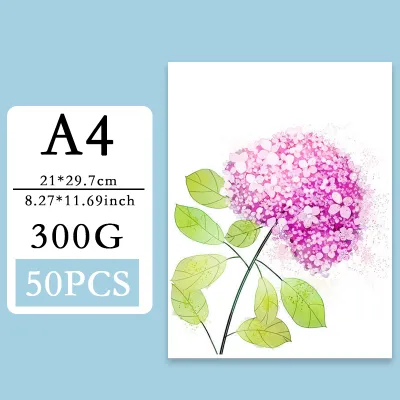
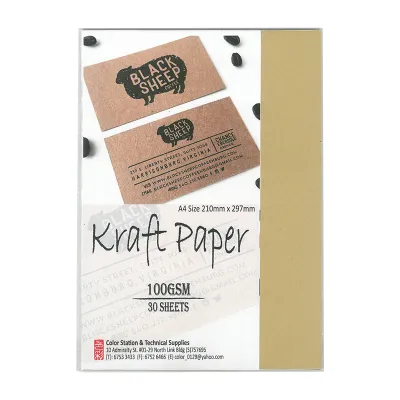
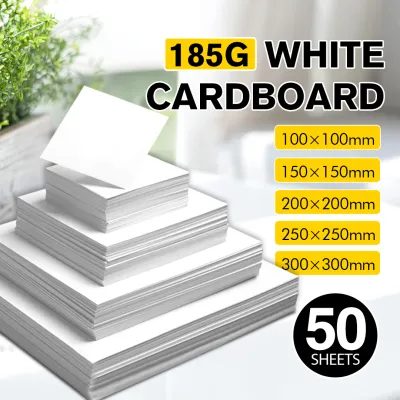
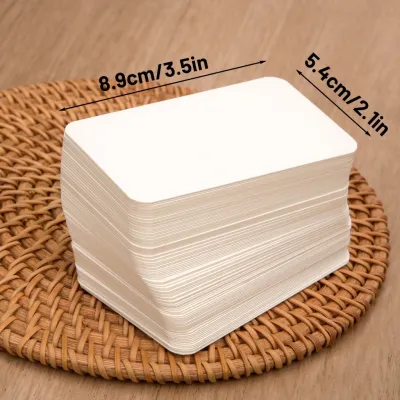
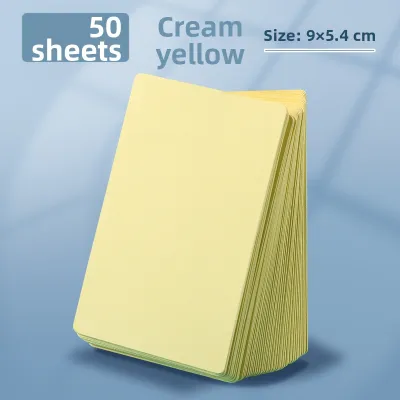
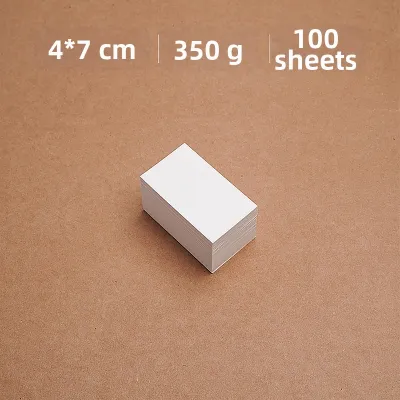
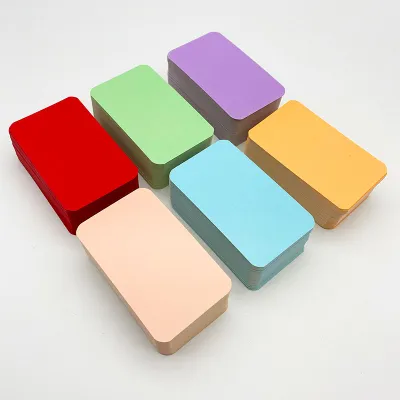
Prices are valid at publication and may change. Please refer to the product page for the latest price.
Matching Card Paper GSM to Your Project Type
Selecting the right card paper weight requires balancing structural rigidity with flexibility. Understanding how different weight brackets perform allows you to make an informed choice for your specific crafting or printing tasks.

Business Cards and Professional Tags
For business cards and retail tags, the paper must feel substantial and resist bending during frequent handling. Standard business cards typically range from 250 to 300 GSM, which provides a respectable level of stiffness for everyday networking. Premium business cards often use heavier stocks, ranging from 350 to 400 GSM, to convey a sense of luxury.
While heavier cardstock feels more professional, you must ensure the finished cards remain practical. Cards that are too thick can be difficult to slide into standard wallet slots or cardholders. Additionally, if your design features double-sided printing or heavy ink coverage, choosing a paper with high opacity—often found in weights above 270 GSM—is essential to prevent text or images from showing through to the opposite side.
Invitations, Greeting Cards, and Postcards
Invitations and greeting cards require a delicate balance between a premium feel and clean folding capabilities. Flat postcards and invitation inserts generally perform best at 250 to 300 GSM, giving them enough rigidity to survive mailing without bending. For folded greeting cards, a slightly lighter weight of 200 to 240 GSM is often ideal because it is easier to fold cleanly without cracking the paper fibers.
When working with folded designs, heavier cardstock must be scored before folding to prevent unsightly, jagged edges along the crease. Choosing a paper that scores well ensures a sharp, professional fold. Furthermore, if you plan to mail your invitations, keep in mind that heavier paper stocks increase the overall weight of the envelope, which can lead to higher postage costs.
Scrapbooking, Packaging, and Heavy-Duty Crafts
Heavy-duty crafts, such as handmade gift boxes, scrapbooking bases, and 3D paper models, require maximum structural integrity. For these applications, card paper between 270 and 350 GSM is highly recommended. This weight range provides the necessary stiffness to hold three-dimensional shapes, support heavy liquid adhesives without warping, and bear the weight of layered embellishments.
However, working with these ultra-heavy papers presents practical challenges. Standard home craft scissors and lightweight paper trimmers may struggle to cut through 300+ GSM cardstock cleanly, often leaving frayed edges. You will likely need heavy-duty craft knives, metal rulers, and dedicated scoring boards to achieve precise cuts and clean folds without damaging the material or your tools.
Verifying Printer Compatibility and Handling Limits
Before purchasing a large pack of heavy card paper, you must verify that your printer can handle the specific GSM you have chosen. Most standard home inkjet and laser printers are designed to feed standard copy paper (around 80 GSM) and may struggle with anything over 220 GSM. Attempting to feed excessively thick paper through a standard printer can result in severe paper jams, roller slippage, or even permanent mechanical damage.
To avoid these issues, consult your printer’s user manual to find the maximum supported paper weight and thickness specifications. If you are using a standard home printer, look for a manual feed slot or a straight-through paper path, which allows the paper to pass through the machine with minimal bending. This straight path significantly reduces the risk of curling, misfeeds, and ink smudging on heavy cardstock.
Beyond Weight: Other Card Paper Specs to Check
While GSM is a critical factor, other paper specifications play a major role in the final appearance and durability of your project. The paper’s surface finish—whether matte, glossy, satin, or textured—directly affects how ink is absorbed and how quickly it dries. For example, glossy finishes offer vibrant color reproduction but require longer drying times and may resist standard craft glues, whereas matte and textured papers absorb ink quickly but may yield slightly softer colors.
Brightness and opacity are also vital, especially for double-sided printing. High-opacity paper ensures that dark text or vibrant graphics do not bleed through or show on the reverse side. Finally, pay close attention to the grain direction of the paper. Folding parallel to the grain results in a smooth, clean crease, while folding against the grain can cause the paper fibers to crack and split, ruining the clean look of your cards.
Frequently Asked Questions (FAQ)
Can I use standard printer paper instead of card paper for my project?
Standard printer paper, which typically ranges from 70 to 90 GSM, lacks the stiffness and density required for structural or professional projects. It will warp under heavy ink coverage, tear easily, and fail to stand upright. While standard paper is perfectly fine for quick digital-proofing, draft layouts, or temporary templates, card paper is necessary for any final project that requires durability, professional presentation, or structural support.
Does a higher GSM always mean better quality card paper?
A higher GSM does not automatically make paper superior; ‘better’ depends entirely on your project’s specific requirements. While heavy cardstock feels premium, using a 350 GSM paper for a complex origami project or a multi-fold brochure will result in cracked seams and difficult assembly. Always match the paper weight to the functional needs of your project, taking into account folding requirements, mailing costs, and your printer’s mechanical limits.

Community discussion
Share your experience or ask a question. Comments are reviewed before publication.