
You can use regular sewing thread for embroidery, but it is not a universal substitute. While it works well for minimalist line art, practice pieces, or projects requiring a matte finish, it lacks the sheen, thickness, and specific twist of dedicated embroidery thread. Your final choice should depend on the visual texture you want to achieve, the coverage area of your design, and the long-term durability required for the finished piece.
When starting a new needlework project, it is common to look at your existing sewing kit and wonder if those abundant spools of standard thread can do double duty. For beginners or those working on quick repairs, utilizing what is already on hand is highly practical. However, understanding how these materials behave under different stitching techniques will prevent frustration and ensure your finished piece looks exactly as intended.
In regions with high humidity, such as Singapore, thread behavior can also be influenced by moisture absorption, affecting how smoothly it glides through fabric. Choosing the right thread involves balancing these environmental factors, the structural demands of your fabric, and your aesthetic goals.
Products mentioned in this guide
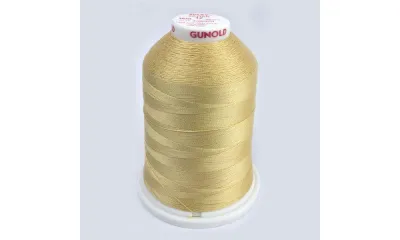
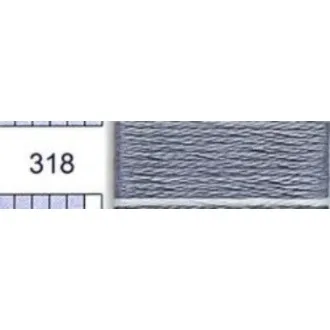
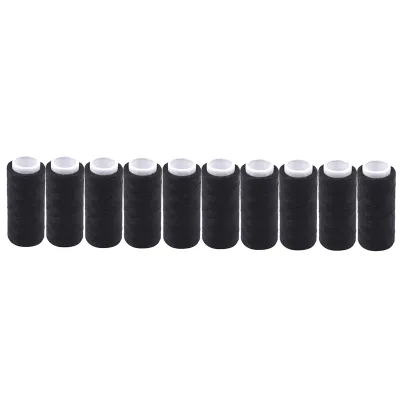
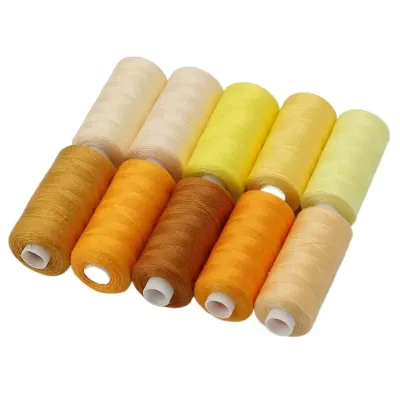
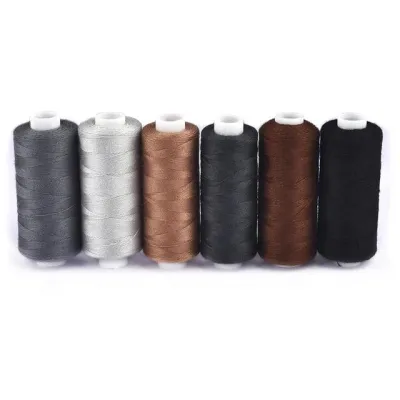
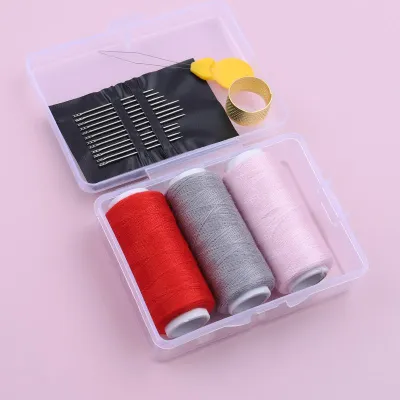
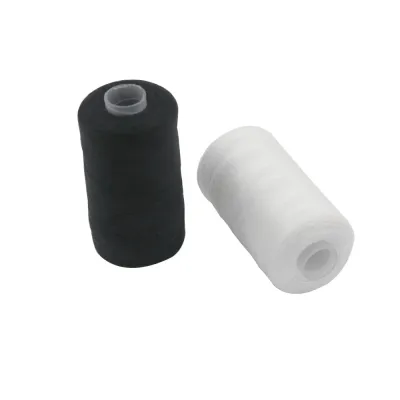
Prices are valid at publication and may change. Please refer to the product page for the latest price.
Core Differences: Sewing Thread vs. Embroidery Thread
To make an informed decision, you must first understand the structural and visual distinctions that affect stitch appearance and fabric behavior. Standard sewing thread and dedicated embroidery thread are engineered for entirely different purposes, which dictates how they are manufactured.
Material and Finish
Standard sewing thread is typically made from polyester, cotton, or a poly-cotton blend. It is designed to blend into seams rather than stand out, resulting in a matte or very low-sheen finish. In contrast, embroidery thread is manufactured specifically to catch the light. Whether made from mercerised cotton, rayon, or silk, it features a high-sheen, lustrous finish that gives embroidered designs their characteristic depth and vibrancy.
Ply and Thickness
The physical construction of these threads differs significantly. Sewing thread is tightly twisted during manufacturing to maximize tensile strength, allowing it to withstand the high-speed tension of a sewing machine. It is usually a non-divisible two-ply or three-ply strand. Embroidery thread, particularly standard stranded cotton embroidery floss, consists of six loosely twisted strands that can be easily separated. This divisibility allows you to customize the thickness of your stitches, from a single delicate strand for fine details to all six strands for bold, heavy lines.
Tension and Friction
Because sewing thread is thin and tightly wound, it behaves differently when pulled repeatedly through fabric. During hand embroidery, a single piece of thread passes through the fabric weave dozens of times. The tight twist of sewing thread can create higher friction, leading to puckering if your fabric tension is not perfectly adjusted. Embroidery thread is designed to lay flat, spreading slightly to cover the fabric surface smoothly without requiring excessive tension.
When to Substitute Regular Sewing Thread for Embroidery
While embroidery thread is the standard choice for decorative needlework, there are several scenarios where regular sewing thread is not only a viable alternative but actually the preferred option.

Subtle or Matte Designs
If your project calls for a modern, minimalist aesthetic, the high shine of traditional embroidery floss might feel overwhelming. Regular sewing thread is excellent for minimalist line art, sketch-style embroidery, or delicate monogramming on lightweight garments. The flat, non-reflective finish of polyester or cotton sewing thread creates a subtle, drawn-on effect that mimics pen lines on fabric, which is highly sought after in contemporary textile art.
Structural or Hidden Stitches
Not all stitches in an embroidery project are meant to be seen. When creating raised or textured embroidery, such as padded satin stitch, you must first build a foundation of padding stitches. Using standard sewing thread for these hidden structural layers is an excellent way to conserve your more expensive embroidery floss. Sewing thread can also be used for basting designs onto fabric, securing backing materials, or sewing down applique patches before finishing the edges with decorative embroidery stitches.
Practice and Sampling
Before committing your premium embroidery threads to a final piece, it is wise to test your pattern. Using regular sewing thread for practice runs on scrap fabric allows you to refine your stitch placement, test complex patterns, and check your fabric tension without wasting specialized materials. This is a cost-effective approach for beginners who are still developing their muscle memory and stitch consistency.
When to Buy Dedicated Embroidery Thread Instead
Despite the utility of sewing thread, certain projects strictly require the unique properties of dedicated embroidery thread to achieve a professional and durable result.
High-Coverage and Textured Areas
If your design features large satin stitches, long-and-short stitch fillings, or dense patterns, regular sewing thread will likely disappoint. Because sewing thread is so thin, attempting to fill a large area requires significantly more stitches. This high density of stitches can warp your fabric, make the embroidered area stiff, and still leave tiny gaps where the background fabric shows through. Embroidery thread fills these spaces efficiently, providing a smooth, solid block of color with a beautiful drape.
Durability and Washability
For items that will undergo frequent laundering or heavy wear—such as embellished clothing, tote bags, or household linens—dedicated embroidery thread is highly recommended. Embroidery threads are specifically dyed and treated to resist fading, bleeding, and pilling over time. Standard sewing thread, while strong, can begin to look fuzzy or lose its color consistency when subjected to the friction of wear and repeated washing in dense, exposed stitch patterns.
Specialty Techniques
Many traditional needlework techniques rely entirely on the specific weight, twist, and drape of designated threads. For example, crewelwork requires wool threads to achieve its signature raised, rustic texture, while Hardanger embroidery relies on the tightly twisted, non-divisible nature of pearl cotton. Attempting these techniques with standard sewing thread will fail to produce the correct structural patterns and historical accuracy of the craft.
How to Test and Adjust Sewing Thread for Needlework
If you decide to use regular sewing thread for your embroidery project, performing a few simple tests and adjustments will help you avoid common pitfalls and ensure a smooth stitching experience.
Friction and Fraying Check
Before starting, cut a length of your sewing thread (about 30 to 40 centimeters) and stitch a small sample patch on a scrap piece of your project fabric. Observe how the thread behaves as it passes through the fabric. If you notice the thread beginning to fray, shred, or thin out near the needle eye after ten to fifteen passes, the thread may be too delicate or the needle eye too small. Adjusting your needle size or shortening your thread length can help mitigate this friction.
Tension Adjustment
Sewing thread lacks the natural elasticity and bulk of embroidery floss, making fabric tension critical. Ensure your fabric is stretched drum-tight in your embroidery hoop, but avoid overstretching, which can distort the weave. When pulling your stitches, apply gentle, consistent tension. Pulling too tightly with thin sewing thread will cause the fabric to pucker, while leaving too much slack will result in loose, untidy loops that easily snag.
Strand Manipulation
To achieve a thicker line with sewing thread, you can experiment with doubling or tripling the thread. Thread your needle with two or three strands of sewing thread simultaneously, treating them as a single strand as you stitch. Keep in mind that unlike divisible embroidery floss, multiple strands of sewing thread can twist around each other unevenly during stitching. To prevent this, let your needle hang freely every few stitches to untwist the strands naturally.
Decision Guide: Which Thread Fits Your Project?
To help you decide whether to use your existing sewing thread or invest in dedicated embroidery floss, consider this practical decision framework based on your project goals.
Choose regular sewing thread if:
- You are working on minimalist line art, delicate monograms, or sketch-style designs.
- You prefer a completely matte, flat finish that blends subtly with the fabric.
- You are practicing new stitches, testing layouts, or creating temporary basting lines.
- You need to build hidden structural padding or secure backing materials.
Choose specific embroidery thread if:
- Your design requires dense filling, large satin stitches, or highly textured elements.
- You want a vibrant, high-sheen finish that catches the light and adds visual depth.
- The finished item is a garment or utility textile that will be washed frequently.
- You are practicing specialized techniques like crewelwork, sashiko, or Hardanger.
Verify first if:
- You plan to mix both sewing thread and embroidery thread in a single design. If you do, stitch a small sample on scrap fabric and wash it first. This allows you to check for differential shrinkage—where one thread type shrinks more than the other in the wash, causing the fabric to pucker—and to ensure that neither thread bleeds color onto your fabric.
Frequently Asked Questions (FAQ)
Can I use embroidery thread for regular sewing machine seams?
No, using embroidery thread for structural seams in a sewing machine is generally not recommended. Embroidery thread is designed for visual appeal and flexibility rather than high tensile strength. If used to sew seams that experience stress, such as garment side seams or bag linings, the thread is highly likely to snap or wear out quickly, leading to seam failure. Additionally, the slippery texture of rayon or polyester embroidery threads can cause tension issues and skipped stitches in standard sewing machines.
Does sewing thread come in the same color variety as embroidery floss?
While high-quality sewing thread is available in hundreds of shades to match common garment fabrics, embroidery floss offers a much more specialized and expansive color palette. Embroidery floss ranges are specifically curated for artistic shading, color blending, and realistic thread painting, often featuring subtle gradient steps within a single color family. If your project requires precise color transitions or highly specific artistic shading, dedicated embroidery floss will provide the necessary variety that standard sewing thread lines cannot match.

Community discussion
Share your experience or ask a question. Comments are reviewed before publication.