
Selecting a suitable calendar planner in Singapore requires looking beyond brand names and aesthetic covers to evaluate how a book’s physical specifications match your writing tools and organizational habits. With the wide variety of Japanese, European, and local stationery brands available in physical boutiques and online marketplaces, finding the right option depends on understanding paper weight, layout structures, and binding methods. Because Singapore’s high relative humidity can actively affect ink drying times and paper preservation, a systematic comparison of these technical details is essential. By focusing on observable manufacturer specifications and practical testing, you can select a planning system that remains functional and durable throughout the entire year.
Core Criteria for Comparing Calendar Planners
To compare calendar planners objectively, you must establish a clear set of evaluation criteria based on four primary axes: paper specifications, structural layout, physical durability, and cost-efficiency. Relying solely on brand reputation often leads to mismatching, as a brand celebrated for fountain-pen-friendly paper might offer a layout that does not suit your daily scheduling flow. Instead, begin by examining the manufacturer’s technical labels. These labels typically specify the paper weight in grams per square meter (GSM), the page dimensions using standard sizing systems like A5, B6, or A6, and the total page count.
Understanding these sizing standards is crucial for portability and desk space. An A5 planner offers ample writing space but can add significant weight to a daily commute, whereas an A6 or pocket-sized planner fits easily into a small bag but limits detailed journaling. Additionally, you should verify the exact date ranges and edition years printed on the product packaging or official brand websites. Some planners cover a standard twelve-month calendar year, while others offer sixteen-month spans or academic layouts. Checking these details on official brand sites or verified online marketplaces before purchasing prevents the frustration of buying an outdated edition or a layout with missing months.
Products mentioned in this guide
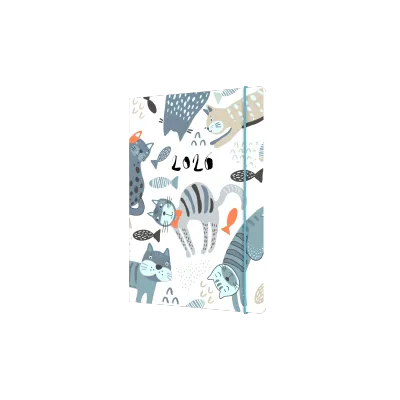
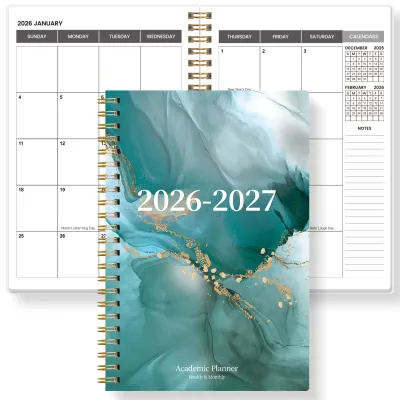
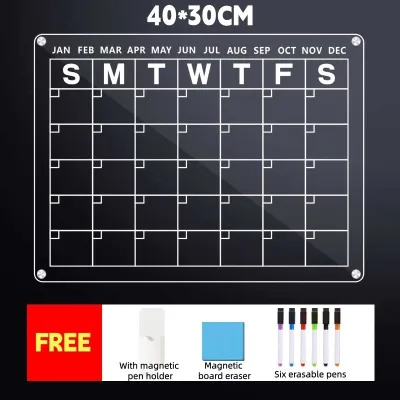
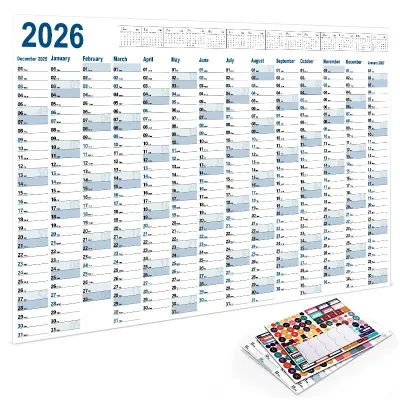
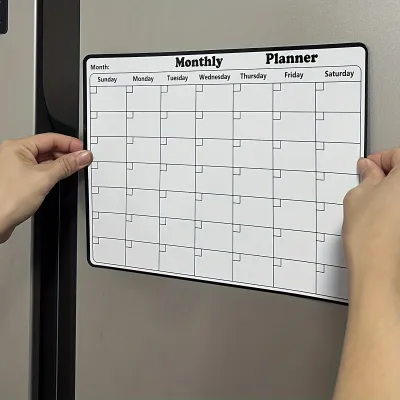
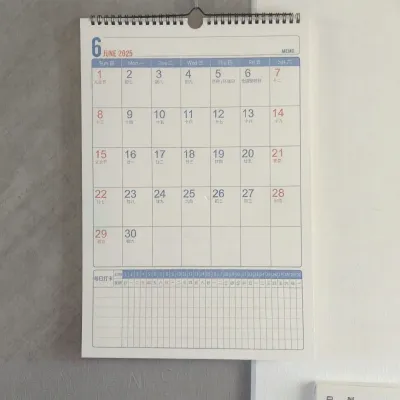
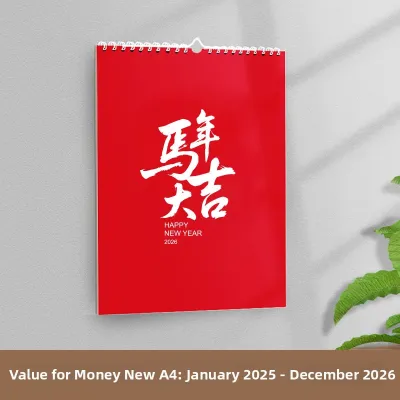
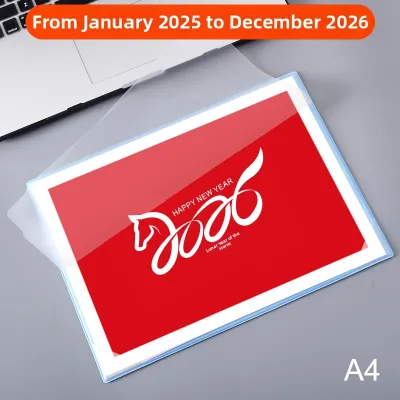
Prices are valid at publication and may change. Please refer to the product page for the latest price.
Physical durability is another critical axis, especially when carrying a planner daily. The cover material, corner reinforcement, and overall construction determine whether a planner will survive a year of being pulled in and out of bags. Finally, cost-efficiency must be evaluated not just by the initial purchase price, but by how well the planner’s layout matches your actual usage patterns to prevent wasted pages.
Evaluating Paper Quality and Ink Compatibility
Paper quality is the foundation of any analog planning experience, and it is directly tied to the paper’s weight, coating, and fiber composition. Paper weight is measured in GSM; generally, lighter papers ranging from 52 GSM to 68 GSM are highly compact and allow for thin, lightweight planners even with daily page layouts. However, these ultra-thin papers require specific coatings to prevent ink from bleeding through to the opposite side. Conversely, heavier papers ranging from 80 GSM to 120 GSM or higher offer a more substantial feel and naturally resist ink penetration, but they result in a much thicker and heavier book.

The interaction between your writing tools and the paper stock determines your daily writing comfort. Gel pens, which are highly popular in Singapore for their smooth flow, require paper that absorbs ink relatively quickly to prevent smudging, especially in humid environments. Fountain pens demand paper with high sizing (a chemical treatment that reduces absorbency) to prevent “feathering”—where ink spreads along the paper fibers—and “bleed-through,” where ink penetrates completely to the back of the page. Highlighters and wet rollerball pens also require a resilient surface that does not pill or tear under repeated strokes.
When evaluating paper, you must also consider texture and opacity. Smooth, coated papers allow pens to glide effortlessly but often suffer from longer ink drying times, which can lead to accidental smudging in humid climates. Toothy, uncoated papers offer more tactile feedback and dry quickly, but they may cause fountain pen nibs to catch and can absorb more ink, leading to ghosting. Ghosting, or “show-through,” occurs when writing is visible on the reverse side of the page without actually breaking the surface. If you prefer writing on both sides of a page, look for higher opacity ratings or heavier GSM specifications. While manufacturer claims like “fountain pen friendly” or “bleed-resistant” provide a helpful starting point, verifying these claims with your specific pen and ink combinations is always recommended.
Choosing the Right Layout and Binding Design
The layout of a planner dictates how you interact with your schedule and tasks on a daily basis. Daily layouts dedicate an entire page to a single day, providing maximum space for detailed scheduling, journaling, and task lists, though they require a consistent daily time commitment to avoid leaving pages blank. Weekly layouts typically distribute a week across a two-page spread, offered in either vertical columns (ideal for time-blocking hourly appointments) or horizontal blocks (better for general task lists and notes). Monthly layouts offer a broad overview of the month and are highly efficient for long-term project planning, but they lack the space needed for detailed daily tracking.
For those who prefer a less structured approach, open formats featuring dotted or grid pages offer the flexibility to design custom layouts as needs change. The choice of layout should match your natural planning rhythm; a highly structured hourly layout can feel restrictive if your days are fluid, while an open grid may offer too little guidance if you require strict time management.
Equally important is the physical binding design, which directly affects how comfortably you can write. Thread-bound or Smyth-sewn bindings are highly desirable because they allow the planner to lay completely flat on a desk without requiring you to hold the pages down. This is particularly beneficial for writing near the center margin. Hardcover planners provide a built-in writing surface and excellent protection for the pages, but they add bulk and weight. Softcover planners offer flexibility and are easier to fit into tight spaces, though their corners may curl over time. Spiral or wire-o bindings allow you to fold the planner completely back on itself to save desk space, but the central rings can interfere with your hand position, particularly when writing on the inner margins.
Beyond the main pages, supplementary features can significantly enhance daily usability. Integrated ribbon markers allow you to flip instantly to the current day or month. Built-in pen loops ensure your preferred writing tool is always at hand, while elastic closure bands keep the planner securely shut in your bag. Some planners also include index pages, dedicated project trackers, or expandable back pockets to store loose receipts and notes, adding functional value to the basic calendar layout.
Assessing Overall Value and Refill Options
When comparing planner brands, calculating the true cost of ownership involves looking beyond the initial retail price to evaluate the system’s longevity and refillability. Traditional bound planners are single-use items; once the year ends or the pages are filled, the entire book must be replaced. This can become expensive if you prefer premium brands, and it leaves you with multiple completed books to archive.
In contrast, refillable systems—such as disc-bound, ring-bound, or modular traveler’s notebook styles—allow you to reuse a high-quality outer cover for multiple years while simply replacing the paper inserts. This modular approach offers exceptional customization, letting you mix and match weekly layouts, blank notes pages, and specialized trackers within a single cover. To evaluate the financial trade-offs, you can calculate the cost per month of use. For example, a premium bound planner priced at S$48 represents an ongoing cost of S$4.00 per month for a year of use. A refillable system might require an initial investment of S$80 for a durable leather cover, but subsequent annual refills may only cost S$15, reducing the long-term cost of ownership in subsequent years.
Before committing to a refillable system, it is essential to verify the availability and pricing of replacement inserts and accessories. Some proprietary systems require specific hole punches or uniquely sized refills that can only be purchased from the original manufacturer or specialized stationery stores. If these refills are difficult to source locally or carry high shipping fees, the convenience of the system is compromised. Ensuring a steady, affordable supply of compatible paper inserts is key to making a refillable planner a sustainable long-term investment.
Decision Framework: Which Planner Type Fits You?
To finalize your choice, map your writing habits and daily environment to the specific features of each planner type.
Choose a bound daily planner with coated, lightweight paper (such as 52 GSM to 68 GSM) if you write extensively every day, prefer a highly structured layout, and use fine-tip gel pens or fountain pens that perform well on smooth surfaces. This setup maximizes writing space while keeping the overall book thin enough for daily carry.
Choose a modular weekly system with heavier paper (80 GSM to 120 GSM) if your schedule revolves around weekly deadlines, you frequently use wet inks or highlighters that require high bleed resistance, and you want the flexibility to swap out sections as your organizational needs change.
Verify first if you have specific physical writing constraints. For example, left-handed writers should generally avoid thick spiral bindings that obstruct the hand, and should opt for fast-drying paper to prevent smudging as the hand moves across the page. If you plan to archive your planners for decades, verify that the paper is acid-free and meets archival standards to prevent yellowing and degradation over time.
Before making a final purchase, consider buying a smaller, inexpensive notebook or memo pad from the same brand to test how your favorite pens interact with their specific paper stock. Additionally, check the return policies of local stationery retailers or online marketplaces, as most sellers will only accept returns on planners that are completely unused and still in their original shrink-wrap.
Frequently Asked Questions (FAQ)
How can I test a planner's paper quality before committing to a full year?
To test a brand’s paper quality without purchasing a full-sized planner, look for smaller, budget-friendly memo pads or pocket notebooks made from the exact same paper stock. Many premium stationery brands use the same proprietary paper across their entire product line, allowing you to conduct ink tests for bleed-through, feathering, and drying times at a fraction of the cost. Alternatively, visit local physical stationery boutiques in Singapore to examine in-store display samples, or search online community forums where stationery enthusiasts upload high-resolution photos of ink tests using various pen types.
What is the difference between academic and calendar year planners?
The primary difference lies in the start and end dates of the calendar layouts. Standard calendar year planners run from January to December of a single year, aligning with the typical fiscal and calendar year. Academic planners generally begin in July or August and run through July or August of the following year, designed to match the school term structure. Always check the exact date range printed on the product packaging or online description rather than relying solely on the year listed in the title, as some planners offer extended fifteen-month or eighteen-month layouts that overlap both formats.

Community discussion
Share your experience or ask a question. Comments are reviewed before publication.