
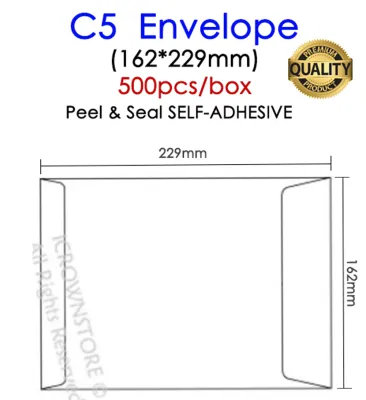
A standard C5 envelope measures exactly 162 mm by 229 mm. This specific size is engineered to hold an A5 sheet of paper completely flat or an A4 sheet folded cleanly in half once. Whether you are preparing corporate mailings, sending greeting cards, or organizing invitations, understanding these dimensions ensures your documents fit securely without awkward folding or tearing.
Standard C5 Envelope Dimensions and Usable Space
The C5 envelope is defined by the international ISO 269 standard, which regulates envelope sizes designed to match the ISO 216 A-series paper sizes. In metric measurements, a standard C5 envelope is 162 x 229 millimetres (or 16.2 x 22.9 centimetres). For those working with design software or regional systems that rely on imperial measurements, this translates to approximately 6.38 x 9.02 inches. These precise dimensions make it a highly versatile option for standard postal systems worldwide.
However, the external dimensions of an envelope do not represent its actual packing capacity. The internal usable space is always slightly smaller due to manufacturing tolerances, seam allowances, and the thickness of the paper itself. Side seams and bottom seams take up a few millimetres of space on each edge. Additionally, as the thickness of your insert increases—such as when mailing multiple pages or thick cardstock—the envelope must expand outward, which pulls the edges inward and reduces the available width and height.
Products mentioned in this guide
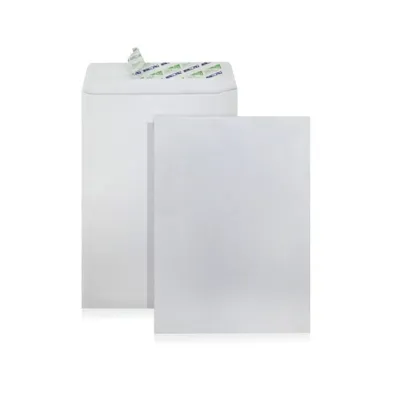
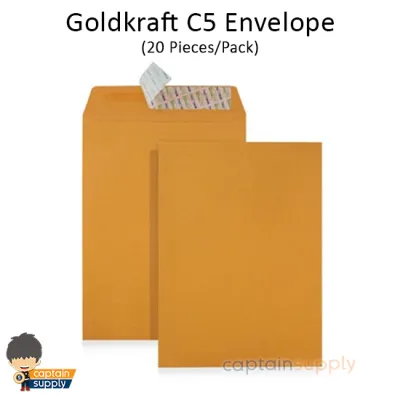
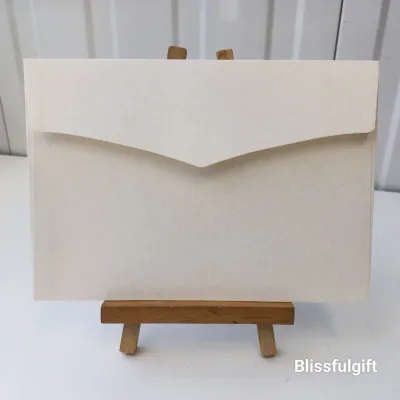
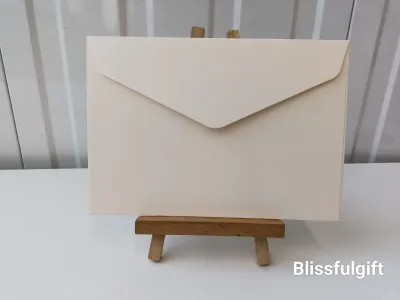
Prices are valid at publication and may change. Please refer to the product page for the latest price.
When designing custom inserts, invitations, or print templates, it is wise to leave a safety margin. A clearance of at least 3 to 5 millimetres on all sides of your insert is recommended. This prevents the contents from catching on the seams or forcing the flap to stretch, ensuring a smooth insertion process and a clean, professional presentation.
Which Paper Sizes Fit Inside a C5 Envelope?
The primary purpose of a C5 envelope is to accommodate A5 paper (148 x 210 mm) without any folding. Because the envelope is slightly larger than the paper on all sides, an A5 sheet slides in easily, making this combination the standard choice for high-end invitations, certificates, and promotional flyers where a crease-free presentation is essential.

For standard business correspondence, the C5 envelope is most frequently paired with A4 paper (210 x 297 mm). By folding an A4 sheet in half along its shorter axis, you create an A5-sized booklet fold that fits perfectly inside the envelope. This method is highly efficient for multi-page letters, invoices, and statements, as it keeps the overall package compact while maintaining a professional appearance.
When dealing with edge cases, such as multiple sheets of paper or heavy cardstock, you must account for the cumulative thickness. While a few sheets of standard 80 GSM paper will slide into a regular C5 envelope without issue, a thick stack or a heavy 300 GSM card may require a gusseted C5 envelope, which features expandable sides. For larger documents like A3 paper, you must fold the sheet twice (into quarters) to reduce it to an A5 footprint, though this can create bulk that might require a larger envelope size altogether, such as a C4.
| Paper Size | Folding Method | Fit Status in C5 Envelope | Best Use Case |
|---|---|---|---|
| A5 (148 x 210 mm) | No fold (Flat) | Perfect fit | Invitations, flyers, certificates |
| A4 (210 x 297 mm) | Folded in half once | Perfect fit | Business letters, invoices, brochures |
| A3 (297 x 420 mm) | Folded in quarters | Tight fit (bulky) | Large diagrams, newsletters |
| A6 (105 x 148 mm) | No fold (Flat) | Loose fit | Small postcards, RSVP cards |
Choosing the Right C5 Envelope Material and Closure
Selecting the right material for your C5 envelope depends heavily on the nature of your contents and how they will be handled. Paper weight, measured in grams per square metre (GSM), determines both the durability and the opacity of the envelope. Standard mailing envelopes typically range from 80 GSM to 100 GSM, which is suitable for everyday business correspondence. For premium invitations or confidential documents, opting for 120 GSM or higher provides a sturdy, luxurious feel and prevents sensitive text from showing through the paper.
The closure mechanism is another critical factor that influences both mailing efficiency and presentation. Gummed envelopes require moisture to activate the adhesive, making them ideal for high-volume automated inserting machines. Self-seal envelopes feature a pressure-sensitive adhesive strip that seals instantly when pressed, while peel-and-seal variants include a protective paper strip over the adhesive, offering a longer shelf life and greater convenience for manual packing. For reusable or heavy-duty packaging, envelopes with metal clasps or string-and-washer closures are excellent choices.
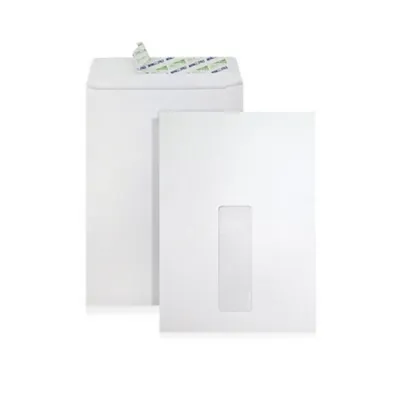
You must also decide between window and plain designs. Window C5 envelopes feature a transparent plastic film positioned to reveal the recipient’s address printed directly on the enclosed letter. This eliminates the need for separate address labels, though it requires precise alignment of your document templates to ensure the address remains visible and private details are hidden. Plain envelopes offer a clean canvas for hand-addressing, calligraphy, or custom label printing.
Postage and Mailing Considerations for C5 Envelopes
When preparing C5 envelopes for transit, understanding postal regulations is essential to avoid delivery delays or unexpected surcharges. In Singapore, Singapore Post (SingPost) categorizes mail based on dimensions, weight, and thickness. While a standard C5 envelope easily fits within the physical size limits of a standard letter, the thickness and weight of the contents can quickly push the mailpiece into a higher postage tier, such as a large letter or a package.
To ensure your mail qualifies for standard postage rates, keep the total thickness of the envelope under the local limit (typically 2 mm for basic letters) and verify that the weight does not exceed the standard threshold. If you are mailing thick booklets, heavy cardstock, or multiple folded sheets, use a ruler or a sliding caliper to check the thickness before applying stamps.
For fragile or valuable items, standard paper envelopes may not offer sufficient protection. If you are sending certificates, photographs, or delicate flat goods, consider using rigid cardboard C5 mailers or padded bubble envelopes. These specialized mailers prevent bending and cushion the contents against impact during sorting and transit, ensuring your items arrive in pristine condition.
Frequently Asked Questions (FAQ)
Is a C5 envelope the same size as an A5 envelope?
No, a C5 envelope is not the same size as an A5 sheet of paper. It is designed to be slightly larger than A5 paper so that the sheet can fit inside comfortably without needing to be bent, trimmed, or forced. The envelope measures 162 x 229 mm, while an A5 sheet measures 148 x 210 mm.
Can I fit an unfolded A4 sheet into a C5 envelope?
No, an unfolded A4 sheet will not fit inside a C5 envelope. An A4 sheet measures 210 x 297 mm, which exceeds both dimensions of a C5 envelope. To mail an A4 sheet without folding it, you must use a larger C4 envelope, which is designed specifically for flat A4 documents.
What is the difference between C5 and C6 envelopes?
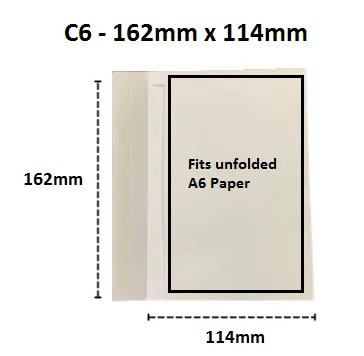
The main difference lies in their dimensions and the paper sizes they are designed to hold. While a C5 envelope (162 x 229 mm) is built for A5 paper or folded A4 paper, a C6 envelope is smaller, measuring 114 x 162 mm. A C6 envelope is designed to hold A6 paper flat, or A5 paper folded in half once.

Community discussion
Share your experience or ask a question. Comments are reviewed before publication.