
Choosing the right bubble wrap involves matching the bubble diameter and material thickness to the weight, shape, and fragility of your item. For delicate, lightweight objects like glassware, small bubbles provide close contouring and scratch protection. For heavier, larger items like household appliances, large bubbles offer the necessary shock absorption and void fill to prevent movement. Selecting the correct specifications ensures your valuables survive transit intact, whether you are shipping a package across Singapore or packing up your home.
Understanding Bubble Wrap Specifications
To make an informed decision, you must first understand how manufacturers measure and label these protective materials. The most visible specification is the bubble diameter, which typically ranges from small 6mm bubbles to large 25mm options. This diameter determines how the air-cushioning structure distributes impact across the surface of your item, with smaller bubbles offering more points of contact for detailed shapes.
Thickness is another critical factor, often measured in microns or mils, or described by the number of plastic layers (ply counts). A single-layer roll features bubbles sealed onto a single backing sheet, making it highly flexible and easy to wrap around tight corners. Multi-layer or heavy-duty rolls sandwich the air bubbles between two flat sheets of plastic, creating a stiffer barrier that resists punctures and retains air longer under heavy loads.
Products mentioned in this guide
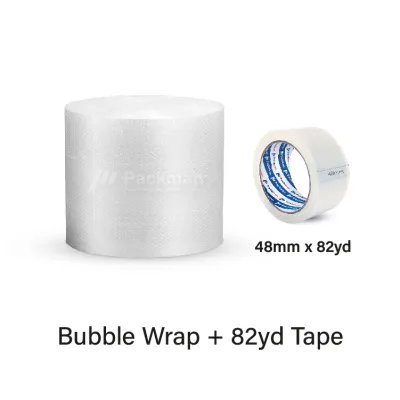
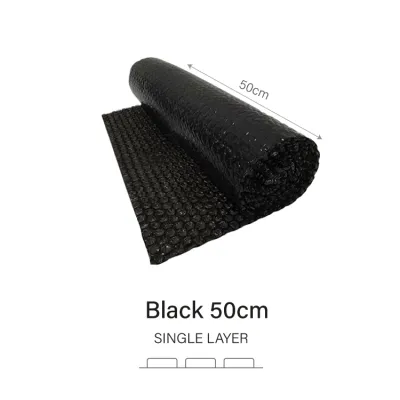
![[SG] Bubble Wrap® 10m | Foam Roll 5m | Packing Tapes – Cushioning for Packing Moving Warehouse Use](https://img.lazcdn.com/g/p/5d1b2367f552267faa5f9fe7d51ee653.jpg_400x400q80.jpg_.webp)
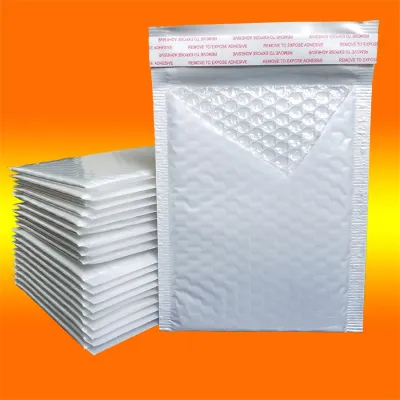
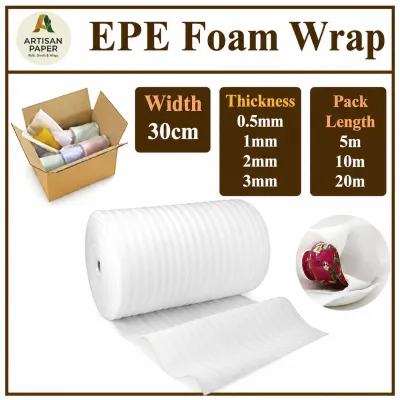
Prices are valid at publication and may change. Please refer to the product page for the latest price.
When browsing packaging supplies, you may also encounter the term “packaging foam” used alongside bubble wrap. In this context, we are focusing on the flexible, air-filled cushioning structures of bubble wrap rather than solid, rigid polyurethane or polyethylene foam blocks. Both materials serve protective roles, but air-cushioning wrap offers unique flexibility for wrapping irregular shapes.
Matching Bubble Size to Item Fragility and Shape
Selecting the right bubble size is essential for balancing surface protection with impact resistance. Small bubbles, usually measuring around 10mm in diameter, excel at protecting lightweight, delicate items with intricate details or sharp corners. Because they conform tightly to complex shapes, they are ideal for wrapping porcelain figurines, small glassware, and compact electronics where scratch prevention and close contouring are the primary goals.

Large bubbles, typically 25mm or larger, are designed for heavier, bulkier items that require deep shock absorption. These larger air pockets disperse heavy impacts over a wider area, making them perfect for lining shipping boxes, wrapping large appliances, or acting as void fill to keep items from shifting. If you are packing large framed art or heavy kitchen equipment, these larger cushions provide the necessary buffer against sudden drops.
However, you must consider the surface material of your item before wrapping. Large bubbles can sometimes leave temporary circular indentations on very soft, heat-sensitive, or highly polished surfaces if wrapped too tightly under pressure. For items like polished wood furniture or delicate leather goods, consider placing a smooth protective layer, such as packing paper, between the item and the bubble wrap.
Selecting the Right Thickness for Protection Levels
The thickness of the plastic film itself determines how much weight and friction the wrap can withstand before popping. Standard thickness ratings are generally sufficient for lightweight items, short-distance moves, or when used as an inner protective layer inside a rigid corrugated box. This lightweight plastic is highly economical and easy to manipulate for everyday shipping needs.
For heavy, sharp-edged, or highly fragile items, heavy-duty or multi-wall thickness options are necessary. These robust wraps are engineered to withstand long transit routes, rough handling, and the high-pressure environment of shipping containers. The thicker plastic prevents the air pockets from popping when subjected to sharp corners or heavy static loads.
To verify if your chosen thickness is adequate, you can perform a simple, physical “squeeze test” on a wrapped sample. Wrap a test item and apply firm pressure with your hands to see if the air pockets bottom out or pop easily under the weight. If the bubbles deflate completely under moderate pressure, you need to upgrade to a thicker grade of plastic or add more layers of wrap.
Optimizing Your Packaging Foam Strategy
Effective packaging is not just about using the thickest wrap available; it is about using the right combination of materials strategically. First, determine whether you are using the bubble wrap primarily for shock absorption or strictly for surface scratch protection. This distinction helps you avoid over-packing, which increases shipping costs and wastes material.
For high-value, heavy, or irregularly shaped items, combine bubble wrap with other packaging materials for a multi-layered defense. Use bubble wrap to cushion the item itself, then place it inside a sturdy corrugated box lined with edge protectors or solid packaging foam inserts. This combination ensures that the item remains suspended and protected from external impacts on all sides.
When securing your packaging, always follow the tape placement rule: tape the bubble wrap to itself rather than to the item’s surface. Applying adhesive tape directly to delicate finishes, polished wood, or glass can leave stubborn residue or even strip away delicate coatings when unpacked. Keeping the tape on the plastic ensures a clean, damage-free unpacking experience.
Frequently Asked Questions (FAQ)
Does the bubble side face in or out when wrapping?
For maximum protection, the bubbles should almost always face inward, directly against the surface of the item you are wrapping. This orientation allows the individual air pockets to contour closely to the item’s shape, providing direct shock absorption and preventing the item from sliding around inside the wrap.
The only exception to this rule is if the outer shipping container has highly abrasive walls and you need to protect the bubble wrap itself from puncturing during transit. However, for fragile goods, keeping the bubbles facing inward remains the industry standard for reliable cushioning.
Can I reuse deflated or popped bubble wrap?
Once the air bubbles in the wrap have popped or permanently deflated, they lose their ability to absorb shock and should not be relied upon for protecting fragile items. Reusing compromised wrap for delicate transit significantly increases the risk of damage, as there is no longer an air barrier to cushion impacts.
Instead of throwing it away, you can repurpose deflated wrap for non-critical tasks, such as basic surface scratch protection for non-fragile items or as lightweight void fill to prevent items from sliding. For any item that is breakable or valuable, always use fresh, fully inflated wrap to ensure proper protection.

Community discussion
Share your experience or ask a question. Comments are reviewed before publication.