
To choose the right bubble wrap, you must understand three primary technical specifications: bubble diameter, film thickness, and layer configuration. These specifications determine whether the material will protect delicate surfaces from scratches, absorb heavy impacts during transit, or resist punctures from sharp edges. By learning how to read these metrics on product packaging or supplier specification sheets, you can select the exact level of protection your items require without overspending on unnecessary packaging materials.
Understanding Bubble Diameter and Protection Levels
Bubble diameter is typically measured in millimeters or inches, representing the width of the individual air pockets. Manufacturers generally categorize bubble wrap into small, medium, and large sizes, but these generic marketing terms can vary significantly between brands. To ensure accurate selection, always check the exact millimeter measurements listed on the product specification sheet.
The diameter of the bubble directly dictates its primary protective function. Small bubbles, typically measuring around 10 mm in diameter, are designed for surface protection and light cushioning. They wrap tightly around intricate shapes, preventing scratches, dust, and minor abrasions on delicate items like glassware, ceramics, or polished electronics. Because they sit close to the item’s surface, they offer thorough coverage for close-fitting wraps.
Products mentioned in this guide
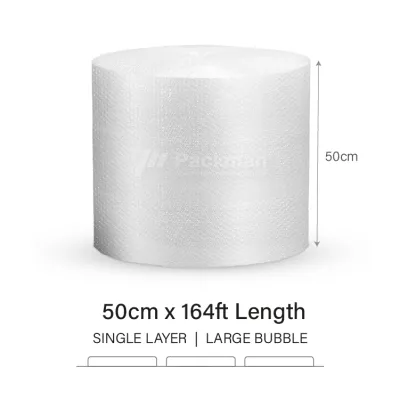
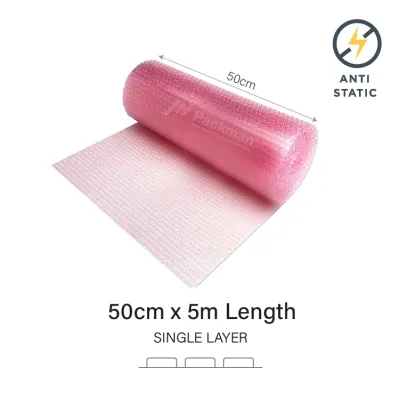
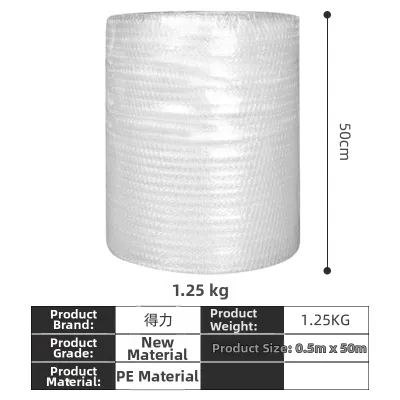
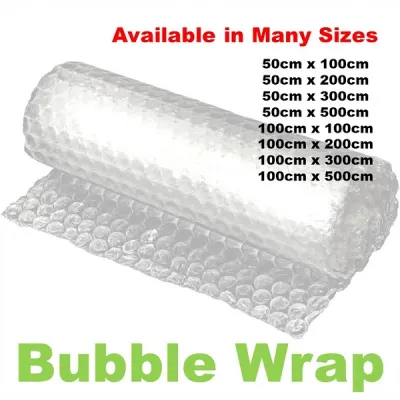
![91m/20m/10m BubbLest™ [FREE PENKNIFE] Bubble Packaging Material Direct Singapore Manufacturer | Clingwrap | Plasticwrap | Cling Wrap | Plastic Wrap | Bubble Roll |](https://img.lazcdn.com/g/p/118908581c7285d2410f3d4422311ca0.png_400x400q80.png_.webp)
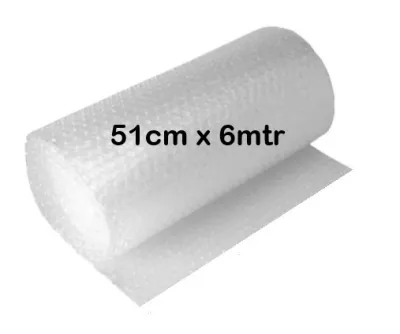
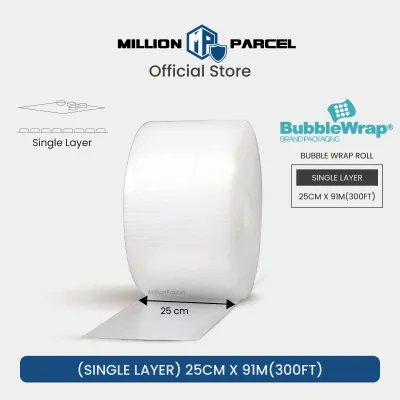
Prices are valid at publication and may change. Please refer to the product page for the latest price.
In contrast, large bubbles, often measuring 25 mm or more in diameter, are engineered for shock absorption and void filling. These larger pockets contain a higher volume of air, allowing them to cushion heavier items against drops and rough handling. They are ideal for lining the interior of shipping boxes or filling empty spaces to prevent items from shifting during transit. However, because they are bulkier, they do not conform as easily to small or highly irregular shapes.
Decoding Thickness Measurements: Mil vs. Micron
When evaluating the durability of bubble wrap, the thickness of the plastic film itself is a critical specification. This measurement is typically expressed in either mils or microns, depending on the manufacturer and region. A mil is a unit of measurement equal to one-thousandth of an inch, commonly used in North American packaging standards. A micron, or micrometer, is a metric unit equal to one-millionth of a meter, which is frequently used in Singapore and other international markets.

Understanding these units helps you assess how well the bubble wrap will resist tearing, puncturing, and premature popping under pressure. A higher mil or micron rating indicates a thicker, tougher plastic film. Thicker films are essential when packaging items with sharp corners, metal edges, or heavy profiles that could easily pierce standard-grade plastic. If the film punctures, the air escapes, and the protective cushioning is lost.
When reading product specifications, it is important to distinguish between the thickness of the flat plastic film and the overall height of the bubble. Some product descriptions may list a total thickness that refers to the height of the inflated bubble roll, rather than the gauge of the plastic material. Always look for the specific film gauge or material thickness in the technical details to ensure you are getting the puncture resistance required for your shipping needs.
Single-Face vs. Double-Face Layer Configurations
Bubble wrap is manufactured in different layer configurations that alter its flexibility and structural strength. The most common type is single-face bubble wrap, which consists of a flat backing sheet of plastic film with the air bubbles heat-sealed to one side. This design leaves the bubbles exposed on one face while the other face remains completely smooth. Single-face wrap is highly flexible, making it easy to wrap around irregular shapes, tight corners, and cylindrical items.
For more demanding packaging scenarios, double-face bubble wrap offers enhanced protection. In this configuration, the bubble layer is sandwiched between two flat sheets of plastic film, enclosing the air pockets completely. This double-sided structure prevents the bubbles from popping easily when subjected to friction or heavy loads. It also provides a smooth surface on both the inside and outside of the wrap, which prevents the bubbles from catching on the item or the shipping box.
When ordering packaging materials from online marketplaces or local suppliers, you can identify these configurations by looking closely at the product images and technical descriptions. Single-face wrap is often described as standard or light-duty, and product photos will show the distinct, raised texture of the bubbles on one side. Double-face wrap is typically labeled as heavy-duty, premium, or double-sided, and the product images will show a smooth, flat surface on both sides of the sheet.
Matching Specifications to Your Packaging Needs
Selecting the right bubble wrap involves matching the physical characteristics of your item to the specifications of the packaging material. To begin, evaluate the fragility and weight of the item you plan to ship or store. Lightweight, highly fragile items with delicate surfaces, such as porcelain figurines or glass picture frames, benefit most from small bubble diameters (around 10 mm) combined with a standard film thickness. This setup provides close-fitting scratch protection and light cushioning without putting excessive pressure on delicate parts.
For heavier or impact-prone items, such as small household appliances, electronics, or metal tools, a different combination is required. These items need the greater shock absorption of large bubble diameters (25 mm or larger) and a higher film thickness (measured in higher mils or microns) to prevent the bubbles from popping under the item’s weight. If the item has sharp edges, opting for a double-face configuration or a thicker film gauge will ensure the wrap remains intact throughout transit.
In Singapore’s humid climate, choosing high-quality plastic bubble wrap also helps protect stored stationery, books, or electronics from moisture, provided the wrap is sealed properly. Finally, consider the void space inside your shipping box. If there is significant empty space around the item, large bubble wrap can double as an effective void fill to prevent movement. Because material blends and manufacturing qualities vary, always consult the packaging supplier’s specific usage guidelines and weight recommendations to verify that your chosen specification matches your intended application.
Frequently Asked Questions (FAQ)
Does a higher thickness always mean better protection?
A higher film thickness increases puncture and tear resistance, but it does not automatically guarantee better shock absorption. Cushioning performance depends heavily on bubble size and the volume of air trapped inside each bubble. For example, a very thick film with tiny bubbles will protect against sharp edges but will not absorb heavy drop impacts as effectively as a standard-thickness film with large bubbles. The optimal protection comes from matching both the film thickness and the bubble size to the specific weight and shape of your item.
How can I test if the bubble wrap is sufficient for my item?
You can verify your packaging setup using simple, low-risk checks before shipping. First, perform a visual and tactile inspection to ensure the item is fully covered, paying close attention to corners and edges where exposure is most likely. Next, place the wrapped item inside the shipping box with your chosen void fill and perform a gentle shake test. If you feel or hear the item shifting inside the box, add more bubble wrap or void fill until the item remains securely in place.
Community discussion
Share your experience or ask a question. Comments are reviewed before publication.