
Choosing the right bubble wrap requires matching the bubble diameter to the item’s shape and fragility, and matching the film thickness to the item’s weight and transit conditions. Small bubbles (typically 10mm in diameter) protect lightweight items from scratches, while large bubbles (typically 25mm or more) cushion heavy or bulky items and fill empty box spaces. Film thickness, measured in microns or mils, determines the wrap’s resistance to punctures and tears during handling.
Understanding Bubble Wrap Specifications
When browsing stationery suppliers or online marketplaces, bubble wrap is typically categorized by two primary dimensions: bubble diameter and film thickness. Understanding these specifications on the product label ensures you select a material capable of withstanding transit forces without overpaying for unnecessary bulk.
Bubble diameter refers to the width of the individual air pockets, which dictates the type of protection provided. Small bubbles generally measure around 10 millimeters in diameter and are designed for surface protection and scratch prevention. Large bubbles, often measuring 25 millimeters or more, provide a thicker cushion of air that absorbs heavy impacts and fills empty spaces inside shipping boxes.
Products mentioned in this guide
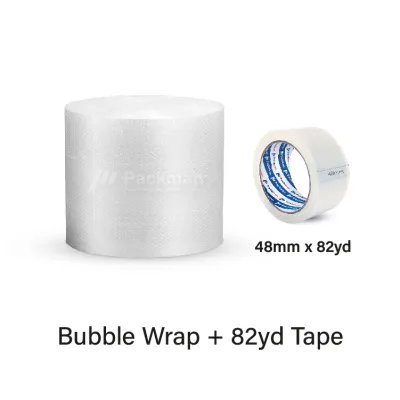
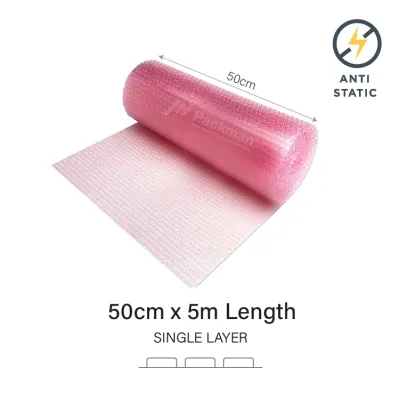
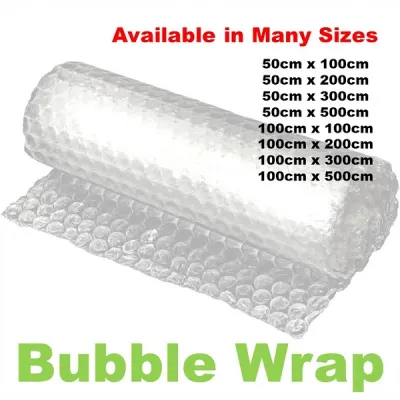
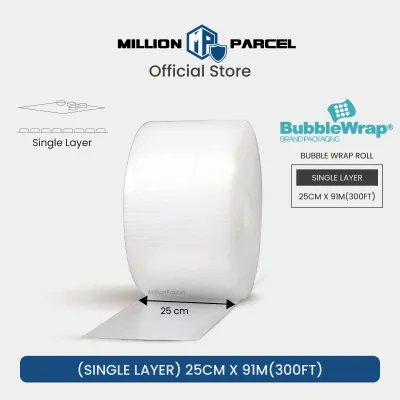
![91m/20m/10m BubbLest™ [FREE PENKNIFE] Bubble Packaging Material Direct Singapore Manufacturer | Clingwrap | Plasticwrap | Cling Wrap | Plastic Wrap | Bubble Roll |](https://img.lazcdn.com/g/p/118908581c7285d2410f3d4422311ca0.png_400x400q80.png_.webp)
![[SG] Bubble Wrap® 10m | Foam Roll 5m | Packing Tapes – Cushioning for Packing Moving Warehouse Use](https://img.lazcdn.com/g/p/5d1b2367f552267faa5f9fe7d51ee653.jpg_400x400q80.jpg_.webp)
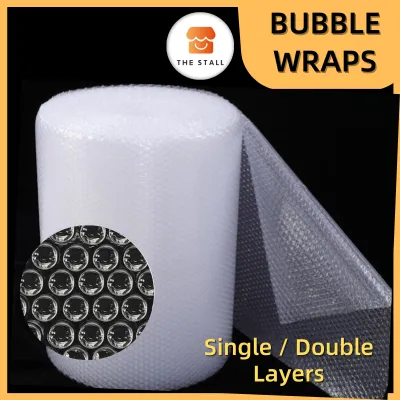
Prices are valid at publication and may change. Please refer to the product page for the latest price.
Film thickness, often measured in microns (µm) or mils (thousandths of an inch), determines the strength of the plastic barrier itself. A higher thickness rating indicates a more robust film that resists tearing, stretching, and puncturing when exposed to sharp edges or heavy loads. Standard utility wraps may feature thinner films, while heavy-duty industrial rolls utilize thicker, reinforced plastics.
Labeling variations can sometimes make comparison difficult, as some manufacturers list only the bubble height or use generic terms like “lightweight” or “heavy-duty.” To verify the actual specifications, look for explicit technical details on the packaging, such as the exact micron count or bubble diameter, rather than relying solely on marketing descriptions.
Matching Bubble Size to Item Fragility and Shape
Selecting the appropriate bubble size depends heavily on the physical characteristics, weight, and surface sensitivity of the item you are packaging. Using the wrong size can lead to inadequate cushioning or unnecessary bulk that complicates box packing.

Small bubbles excel at protecting lightweight, delicate items with intricate shapes, such as glassware, small ceramics, or collectible figurines. Because the small air pockets are densely packed, the wrap conforms easily to complex contours, providing uniform surface coverage and preventing scratches during handling.
Large bubbles are designed for heavier, bulkier items that require significant shock absorption, such as small appliances, framed artwork, or larger household goods. The substantial air volume in these larger pockets acts as a robust barrier against drops and vibrations, and the material is highly effective for filling empty void spaces inside shipping cartons to prevent items from shifting.
However, large bubbles should not be applied directly to highly polished, easily dented, or heat-sensitive surfaces without a protective inner layer. Under pressure or temperature changes during transit, the concentrated contact points of large bubble edges can leave temporary circular marks or impressions on delicate finishes; wrapping the item in acid-free tissue paper or a thin layer of foam first prevents this issue.
Selecting Film Thickness for Protection and Transit Conditions
While bubble size determines the cushioning volume, the thickness of the plastic film dictates how well the wrap maintains its integrity under stress. Choosing the right thickness prevents the air pockets from popping prematurely when subjected to weight or friction.
Standard-thickness bubble wrap is suitable for lightweight, non-fragile items that require basic surface protection during short, controlled transits, such as local moves or courier deliveries. This thinner film is highly flexible and easy to cut, making it a cost-effective choice for everyday stationery and office shipping needs.
Heavy-duty or thicker films are necessary when packaging sharp-edged objects, heavy metal components, or items destined for long-distance shipping where rough handling and stacking are common. Thicker plastic resists punctures from corners and maintains its air pressure even when compressed under the weight of other packages in a delivery vehicle.
To ensure the material meets your shipping demands, verify the manufacturer’s specifications for puncture resistance and tensile strength on the product data sheet. Avoid relying solely on visual estimates or generic product titles like “premium strength,” as actual film thickness can vary significantly between brands.
Building a Custom Protection Strategy
Securing complex, mixed, or highly fragile shipments often requires combining different bubble wrap specifications rather than relying on a single type. A structured packaging strategy ensures every vulnerability of the item is addressed.
An effective layering technique involves wrapping the item first in small-bubble wrap to secure its delicate surfaces and fill small crevices, followed by an outer layer of large-bubble wrap to absorb external impacts. This dual-layer approach provides both scratch resistance and deep shock absorption within the same package.
Pay close attention to edges and corners, which are highly susceptible to damage during drops; folding or doubling the bubble wrap over these vulnerable points reinforces them without over-packing the entire box. Over-packing can restrict movement too much or cause the outer carton to bulge, which increases the risk of the box bursting during transit.
If an item is exceptionally heavy, extremely sharp, or highly valuable, bubble wrap alone may not provide sufficient protection. In these cases, consult specialized packaging guidelines from shipping carriers or integrate rigid cardboard edge protectors and molded foam inserts to ensure the shipment remains secure.
Frequently Asked Questions (FAQ)
Does the color of bubble wrap affect its protective performance?
Standard color variations, such as clear, blue, or green, generally do not alter the thickness, bubble size, or physical shock absorption capabilities of the material. However, specific colors are often used to indicate added functional properties; for example, pink bubble wrap typically signifies anti-static formulations designed to protect sensitive electronic components from electrostatic discharge, which should always be verified on the product label before use.
Should the bubbles face inward or outward when wrapping items?
It is highly recommended to place the bubble side facing inward, directly against the item being packaged, as this configuration allows the individual air pockets to conform to the object’s shape and provide direct cushioning. Keeping the flat, smooth side facing outward makes it much easier to wrap the item tightly, apply packing tape securely, and attach shipping labels without them peeling off due to an uneven surface.

Community discussion
Share your experience or ask a question. Comments are reviewed before publication.