
Selecting the right bubble wrap packing material is essential for ensuring your items survive transit or storage without damage. The ideal bubble wrap depends entirely on the weight, fragility, and surface characteristics of the object you are packing. While small-bubble wrap (typically 10mm in diameter) excels at protecting lightweight items and preventing surface scratches, large-bubble wrap (25mm or larger) is designed to absorb heavy shocks and fill empty spaces inside shipping boxes. For electronics, specialized anti-static bubble wrap is necessary to prevent electrostatic damage. Matching the correct specifications to your specific packing scenario prevents both under-protection and unnecessary material waste.
Understanding Bubble Wrap Specifications and Variations
Before purchasing bubble wrap packing supplies, understand the physical attributes that dictate their protective capabilities. Bubble wrap is primarily categorized by bubble diameter and film thickness. Small bubbles (around 10mm in diameter) provide excellent surface protection and flexibility for tight curves, while large bubbles (25mm or more) offer a thicker cushion of air ideal for absorbing heavy impacts. Film thickness, measured in microns or gauge, determines puncture resistance; heavier-duty films are less likely to tear when stretched over sharp corners.
Material variations also play a significant role. Standard bubble wrap is made from low-density polyethylene (LDPE), which is lightweight and cost-effective. Heavy-duty variations incorporate a co-extruded barrier layer, such as nylon, which prevents air from slowly escaping under sustained pressure. For specialized applications, cohesive bubble wrap sticks to itself without leaving adhesive residue, while tinted anti-static wrap is designed specifically for sensitive electronics.
Products mentioned in this guide
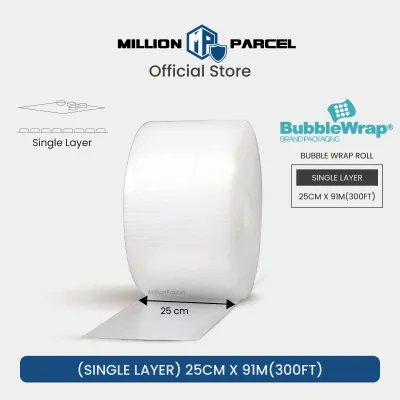
![[SG] Bubble Wrap® 10m | Foam Roll 5m | Packing Tapes – Cushioning for Packing Moving Warehouse Use](https://img.lazcdn.com/g/p/5d1b2367f552267faa5f9fe7d51ee653.jpg_400x400q80.jpg_.webp)
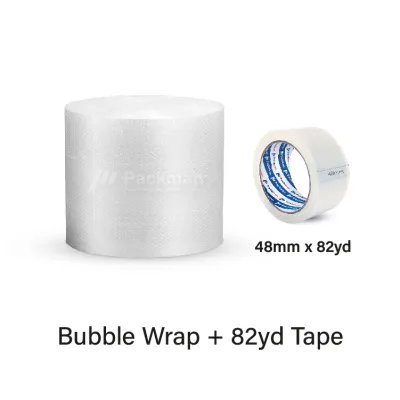
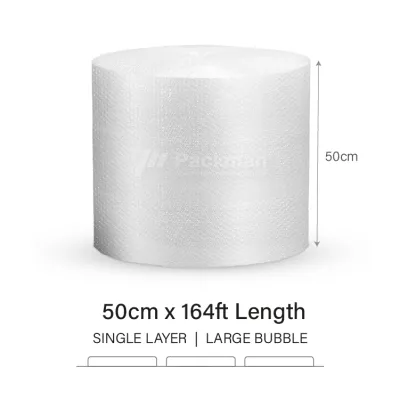
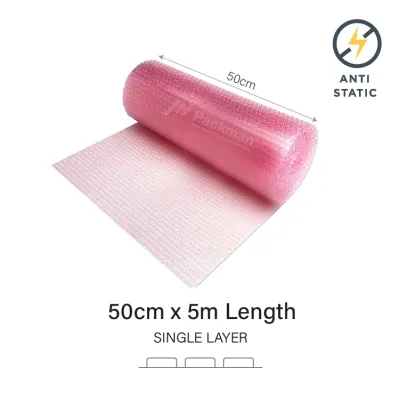
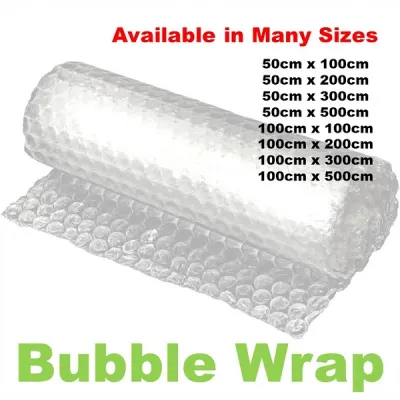
![91m/20m/10m BubbLest™ [FREE PENKNIFE] Bubble Packaging Material Direct Singapore Manufacturer | Clingwrap | Plasticwrap | Cling Wrap | Plastic Wrap | Bubble Roll |](https://img.lazcdn.com/g/p/118908581c7285d2410f3d4422311ca0.png_400x400q80.png_.webp)
Prices are valid at publication and may change. Please refer to the product page for the latest price.
Roll formats affect packing efficiency. Perforated rolls feature pre-cut tear lines at regular intervals, such as every 30cm or 50cm, allowing you to quickly tear off sheets without scissors. Continuous, non-perforated rolls offer complete flexibility, allowing you to cut custom lengths for exceptionally long or awkwardly shaped items, though they require a utility knife or scissors.
Matching Bubble Wrap to Fragile and High-Value Items
Delicate items like glassware, ceramics, porcelain, and crystal require careful evaluation of weight and fragility. Lightweight, highly fragile items benefit most from small-bubble wrap, which conforms closely to delicate shapes like cup handles. However, heavy items like thick ceramic vases can easily compress small bubbles completely, rendering them useless. For heavier fragile items, wrap them first in a layer of small-bubble wrap to protect the surface, followed by a layer of large-bubble wrap to absorb structural shocks.

Sharp edges and protrusions present a common hazard. Metal figurines, crystal glassware with sharp decorative cuts, or framed artwork with pointed corners can easily puncture standard LDPE film. To prevent bubbles from popping under tension, wrap these sharp points first with thick packing paper, cardboard scraps, or foam corner protectors. Once the sharp edges are shielded, you can safely wrap the entire item in standard or heavy-duty bubble wrap.
Relying solely on bubble wrap is rarely enough for high-value fragile items. Always combine bubble wrap with void fill, such as crumpled packing paper or biodegradable packing peanuts, to eliminate empty space inside the box. A good rule of thumb is to leave at least 5cm of space between the wrapped item and the box walls, filling that gap entirely with cushioning material to distribute external shocks evenly.
Protecting Electronics and Sensitive Components
Packing electronic devices like laptops, computer components, gaming consoles, and camera gear requires specialized protection. Standard plastic bubble wrap is highly prone to generating static electricity when rubbed, and this electrostatic discharge (ESD) can instantly destroy sensitive internal circuitry without showing any physical signs of damage. To prevent this, always verify that you are using anti-static bubble wrap—typically tinted pink—which is treated with a topical agent to prevent static buildup.
Surface abrasion is another major concern for electronics with glossy screens, polished metal casings, or optical lenses. Dust particles trapped between the bubble wrap and a delicate screen can act like sandpaper under the vibrations of transit. Because the compatibility of plastic films with specialized screen coatings depends on the exact material combination, perform a small, non-destructive trial on an inconspicuous area first, or avoid direct contact altogether. For maximum safety, wrap screens or lenses in a layer of acid-free tissue paper or soft foam wrap before applying the outer layers of bubble wrap.
Avoid using unverified or generic plastic wraps directly on high-end optical surfaces, such as camera lenses. The chemical additives in some plastics can transfer onto the glass, leaving a residue that is difficult to clean without damaging the optical coatings. Always use dedicated lens caps or wrap the components in microfiber cloths before securing them with an outer layer of standard bubble wrap for impact protection.
Wrapping Furniture, Bulky Objects, and Irregular Shapes
When preparing large furniture, bulky appliances, or awkwardly shaped items for a move, standard-sized bubble wrap rolls can be inefficient. For these scenarios, opt for wider rolls—typically 50cm to 1 meter in width—to minimize seams and reduce the time spent taping multiple sheets together. Heavy-duty grades are preferred here, as furniture legs and metal frames exert significant tension on the wrapping material during handling.
Securing the bubble wrap around bulky objects requires careful tape application. Never apply packing tape directly to wooden finishes, leather, or painted surfaces. In Singapore’s warm and humid climate, tape adhesives can soften and bond permanently with furniture finishes, stripping away varnish or leaving a stubborn residue when peeled off. Always wrap the item completely in bubble wrap first, ensuring the plastic overlaps itself, and then apply tape only to the plastic layers.
Recognize the physical limitations of bubble wrap when dealing with extremely heavy furniture, such as solid wood dining tables or heavy metal appliances. Under the immense weight of these objects, the air bubbles will flatten completely, offering zero protection against structural impacts. In these cases, bubble wrap should be used as a secondary layer. Wrap the item first in thick moving blankets or corrugated cardboard sheets to absorb heavy impacts, and use bubble wrap primarily to secure the blankets or protect delicate protruding details.
Practical Packing Techniques and Layering Strategies
To get the most out of your bubble wrap packing, apply it using correct, systematic techniques. For optimal protection, always orient the bubbles so they face inward, directly touching the item. This configuration allows the individual air pockets to cradle the object and absorb localized impacts. The flat, smooth side of the film should face outward, which provides a more durable surface against external friction, makes it easier to slide the item into a box, and allows packing tape to adhere securely.
When securing the wrap, use a snug but gentle tension. Pulling the bubble wrap too tightly can pre-compress the air pockets, reducing their ability to absorb further shocks. Use high-tack packaging tape to seal all open seams, ensuring that no adhesive comes into contact with the item itself. If you are using utility knives or scissors to cut the wrap from a continuous roll, always cut away from your body and keep your fingers clear of the blade path to prevent accidental cuts.
Finally, pay close attention to box sizing and fit. A perfectly wrapped item will still be vulnerable if it is forced into a box that is too small, as the constant pressure will pop the bubbles and transfer external impacts directly to the item. Conversely, a box that is too large allows the item to slide around, which can tear the wrap. Choose a box that allows for a snug fit with just enough room around the sides to add a protective layer of void fill, ensuring the item remains completely stationary.
Frequently Asked Questions (FAQ)
Can I reuse bubble wrap from previous deliveries?
Yes, you can reuse bubble wrap, but you must inspect its condition first. Gently squeeze the wrap to check for popped bubbles, tears, or a general loss of air tension; if a significant portion of the bubbles are deflated, the wrap will not provide sufficient shock absorption. Additionally, inspect the surface for trapped dust, dirt, or adhesive residue from previous shipments, as these particles can scratch delicate items during its second use.
Is bubble wrap recyclable in standard curbside bins?
In Singapore, standard blue recycling bins generally do not accept soft plastics, including bubble wrap, because these flexible films can easily tangle in the automated sorting machinery at recycling facilities. Instead of placing bubble wrap in your household recycling bin, you should look for specialized plastic film recycling drop-off points, which are often located at major supermarkets, or check the latest National Environment Agency (NEA) guidelines for designated soft plastic collection hubs.

Community discussion
Share your experience or ask a question. Comments are reviewed before publication.