
When preparing packages for local delivery or international shipping from Singapore, finding the right bubble wrap is not about chasing a single brand name. The ideal choice depends entirely on what you are shipping, how much you ship, and where your packaging materials are stored.
Instead of relying on generic marketing claims from online marketplaces, you must match the physical specifications of the wrap—such as bubble diameter and material thickness—to the fragility and weight of your specific items. For example, a delicate ceramic cup sent via a local courier requires a different level of cushioning than a heavy metal tool or a flat document. By understanding how to evaluate these materials yourself, you can secure your shipments while keeping packaging costs low.
Matching bubble diameter and material thickness to your specific product is the fundamental rule of protective packaging. This approach ensures you do not overpay for bulky wrap when a slim profile would suffice, nor do you risk product damage by using thin wrap on heavy, fragile items.
Products mentioned in this guide
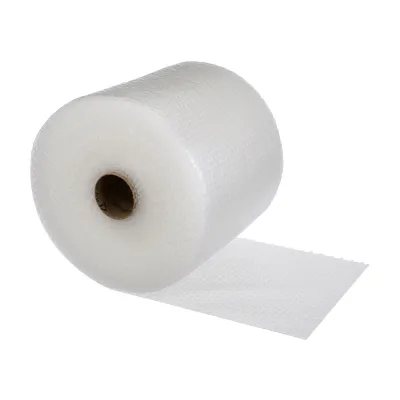
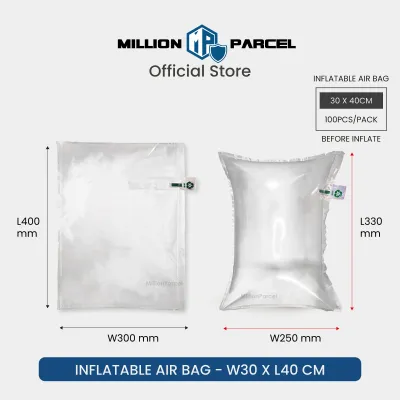
Prices are valid at publication and may change. Please refer to the product page for the latest price.
Key Specifications to Check on Product Labels
When browsing local stationery suppliers or e-commerce platforms in Singapore, product descriptions can be confusing. To make an informed decision, you need to look past brand names and focus on three critical technical specifications.
Bubble Diameter and Height Bubble wraps generally come in two primary sizes: small and large. Small bubbles typically measure 10mm in diameter and 3mm to 4mm in height. They are designed for surface protection, preventing scratches, and wrapping tightly around intricate shapes. Large bubbles, usually 25mm to 30mm in diameter and 10mm to 12mm in height, provide deep shock absorption and act as excellent void fillers for larger boxes, preventing heavy items from shifting during transit.
Material Thickness and Layer Count The thickness of the plastic film is measured in microns or gauge. Standard single-layer bubble wrap consists of a flat backing sheet laminated to a shaped bubble sheet. Premium options often feature co-extruded barrier layers, which incorporate a thin nylon or specialty polymer layer between the polyethylene sheets. This barrier prevents air from slowly diffusing through the plastic, ensuring the bubbles remain fully inflated even during prolonged storage or long-distance shipping.
Format Options and Packaging Workflows Bubble wrap is sold in several formats, each suited to different packing volumes and spaces. Bulk rolls offer the lowest cost per meter but require manual cutting and significant storage space. Perforated rolls feature pre-cut tear lines at regular intervals, which speeds up the packing process and eliminates the need for scissors. Pre-cut bubble bags or pouches are ideal for high-volume, standardized operations where small items need to be slipped quickly into protective sleeves.
Practical Checks to Verify Cushioning Quality
Because you cannot always trust online product descriptions, performing hands-on quality checks on a small sample or your first order is essential. These simple tests will help you verify if a brand’s bubble wrap can withstand the rigors of local delivery networks.

The Physical Squeeze Test Take a small sheet of the bubble wrap and press firmly on a single bubble between your thumb and forefinger. A high-quality wrap should resist popping under moderate pressure, feeling firm and resilient. If the bubble pops easily with minimal force, or if the air simply migrates to adjacent bubbles, the material lacks proper sealing or uses plastic that is too thin to offer reliable shock absorption.
Inspecting Edge Sealing and Seam Integrity Examine the edges of the roll or sheet where the flat backing and the bubble layer are fused together. The lamination should be uniform and complete across the entire surface. If you notice peeling edges, loose bubbles, or sections where the layers easily pull apart, the wrap is prone to premature deflation when subjected to the weight of stacked boxes in a delivery van.
Checking for Static Buildup Standard polyethylene is highly prone to generating static electricity through friction. You can test this by rubbing a piece of the bubble wrap against a dry surface and holding it near lightweight paper scraps or dust. If the scraps cling aggressively to the plastic, the material is generating significant static. While harmless for most goods, this indicates you should avoid using it directly against sensitive electronic components.
How to Calculate True Cost Efficiency
Evaluating value in Singapore’s competitive packaging market requires looking beyond the initial price tag of a roll. A cheap roll that requires three layers of wrapping to protect an item is often more expensive in practice than a premium roll that does the job in a single layer.
To compare different brands and roll sizes accurately, you should calculate the true cost per square meter. Use this simple formula:
Cost per Square Meter = Price of the Roll (S$) / [Width of the Roll (m) x Length of the Roll (m)]
For example, if a roll costing S$15 is 0.5 meters wide and 100 meters long, the total area is 50 square meters, resulting in a cost of S$0.30 per square meter. Comparing this unit rate across different suppliers prevents you from being misled by varying roll lengths and widths.
You must also factor in local storage constraints. In Singapore, where residential and commercial space is at a premium, storing massive bulk rolls of bubble wrap can incur high indirect costs. If you live in a typical HDB flat or operate a small home business, buying ultra-large rolls to save a few cents per meter might not be practical if it clutters your living space. Additionally, consider the hidden costs of transit damage; using substandard, cheap wrap that leads to broken items, customer returns, and repackaging fees will quickly wipe out any initial savings on packaging materials.
To help you track these variables, use a simple comparison table template when evaluating different suppliers:
| Supplier / Brand | Roll Width (m) | Roll Length (m) | Total Area (sq m) | Roll Price (S$) | Cost per Sq M (S$) | Storage Suitability |
|---|---|---|---|---|---|---|
| Option A | [Input] | [Input] | [Calculate] | [Input] | [Calculate] | [High / Low] |
| Option B | [Input] | [Input] | [Calculate] | [Input] | [Calculate] | [High / Low] |
| Option C | [Input] | [Input] | [Calculate] | [Input] | [Calculate] | [High / Low] |
Decision Framework: Matching Specifications to Your Items
To streamline your packaging process, use this conditional framework to match the right bubble wrap specifications to your specific inventory.
Choose small bubbles if…
- You are packaging lightweight, delicate items such as cosmetics, small glassware, or jewelry.
- The primary goal is to prevent surface scratches, abrasions, and minor impacts during handling.
- The items have complex shapes that require the wrap to conform tightly without leaving large, unprotected gaps.
- You are using slim mailing boxes or poly mailers where space is limited and bulky packaging would increase shipping fees.
Choose large bubbles if…
- You are shipping heavier, highly fragile items like large ceramic vases, framed artwork, or small household appliances.
- The items require significant shock absorption to survive drops or rough handling by courier services.
- You need to fill empty spaces (void fill) inside a larger shipping box to prevent the contents from shifting around during transit.
- The outer packaging has ample room to accommodate the extra bulk of the larger bubbles.
Verify first if…
- You are shipping sensitive electronic components, such as computer motherboards, graphics cards, or internal hard drives. These items require specialized anti-static bubble wrap (typically pink) to prevent electrostatic discharge from damaging the circuitry.
- Your items are extremely heavy or have sharp, protruding edges. Standard bubble wrap may pop or puncture under concentrated weight; in these cases, you should verify if a heavy-duty, double-layered, or nylon-barrier wrap is available, or consider combining bubble wrap with corrugated cardboard corners.
- You are storing packed items in high-humidity environments, such as unconditioned self-storage units or warehouses in Singapore. High humidity can affect the adhesive tape used to secure the wrap, so ensure you use high-quality packaging tape that maintains its grip in warm, damp conditions.
Frequently Asked Questions (FAQ)
Does the color of the bubble wrap affect its protection level?
Generally, color does not alter the physical cushioning performance of the bubble wrap. Standard clear, blue, and green wraps of the same thickness and bubble size offer identical shock absorption. The main exception is pink bubble wrap, which is treated with an anti-static additive to prevent static buildup around electronics. Some brands also use green tinting to designate eco-friendly wraps made from recycled plastics, though you should verify the recycled content percentage on the label.
Can I reuse bubble wrap for shipping fragile items?
You can reuse bubble wrap if the bubbles remain fully inflated and the plastic is free from tears or punctures. Before packing a new shipment with used wrap, perform a quick visual inspection and squeeze test. If more than 10% to 15% of the bubbles in the main cushioning area have deflated, the material’s ability to absorb shocks is significantly compromised, and it should be retired from protecting fragile items.
Is anti-static bubble wrap necessary for all electronics?
Anti-static bubble wrap is strictly necessary for bare electronic components that lack protective housing, such as circuit boards, RAM sticks, and internal computer parts. These components are highly sensitive to electrostatic discharge, which can ruin them silently. For fully assembled consumer electronics with plastic or metal outer casings, such as smartphones, tablets, or power banks, standard bubble wrap is usually sufficient, though anti-static wrap provides an extra layer of safety.

Community discussion
Share your experience or ask a question. Comments are reviewed before publication.