
Choosing the right hardware is a critical step in any sewing, tailoring, or repair project. The zipper puller is not just a functional tab to open and close a fastening; it is a highly visible component that experiences constant physical stress, environmental exposure, and direct skin contact. Selecting the wrong metal can lead to premature hardware failure, fabric damage, or an aesthetic mismatch that ruins the look of a custom piece.
The best metal zipper puller depends entirely on your project’s balance of weight, durability, and aesthetic requirements. Brass offers unmatched strength and a classic look for heavy fabrics; zinc alloy provides intricate, custom shapes and diverse finishes for fashion items; and aluminum delivers an ultra-lightweight, corrosion-resistant solution for activewear and outdoor gear. By understanding the physical properties of these three common metals, you can make an informed decision that ensures your project remains functional and beautiful for years to come.
Brass Zipper Pullers: Durability and Classic Aesthetics
Brass is a highly durable copper-zinc alloy known for its exceptional tensile strength and classic, warm golden hue. This metal has been a staple of the garment and luggage industries for generations, valued for its ability to withstand heavy mechanical wear without deforming or breaking.
Products mentioned in this guide
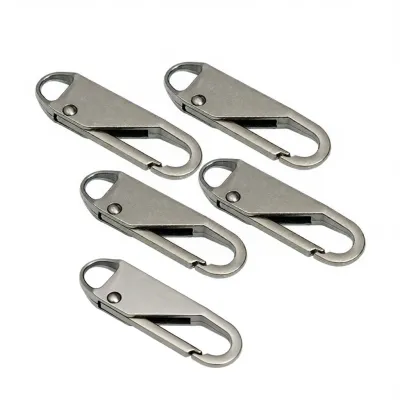
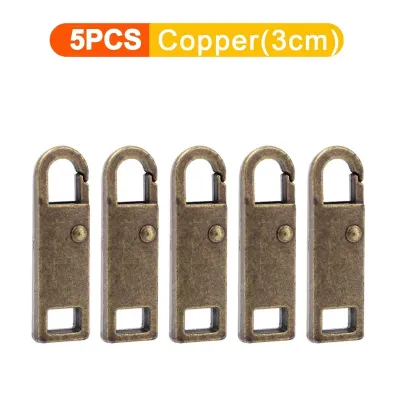
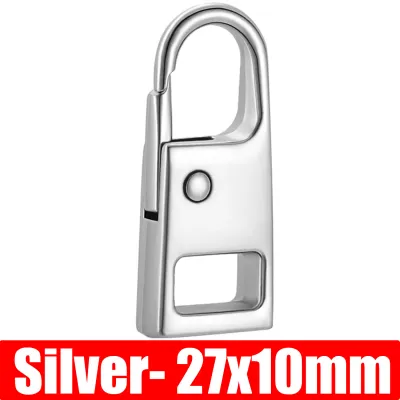
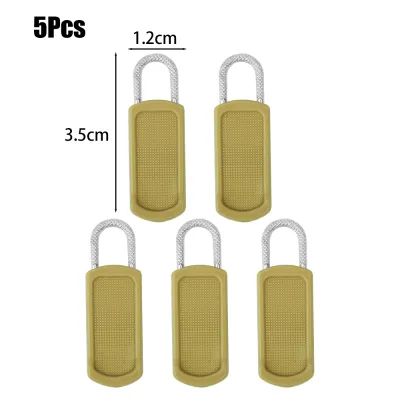
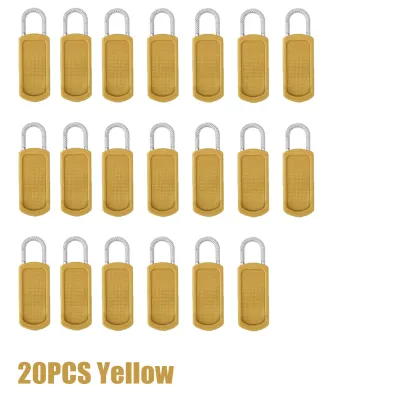
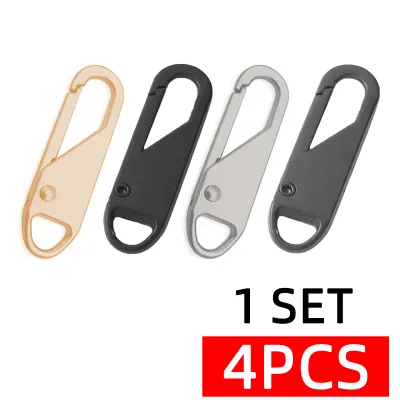
Prices are valid at publication and may change. Please refer to the product page for the latest price.
One of the most distinctive characteristics of brass is its natural aging process. When exposed to air, moisture, and the natural oils from your hands, brass undergoes a gradual oxidation process. This creates a unique patina—a darkened, antique finish that develops over months and years of handling. For heritage garments, vintage-style bags, and classic leather goods, this patina is highly desirable, adding character and depth that synthetic materials cannot replicate. If you prefer a bright, polished look, brass requires regular maintenance, but many designers choose it specifically for this graceful aging quality.
Because of its robust structural integrity, brass is the standard choice for heavy-duty applications. It easily withstands the high tension and physical stress associated with thick denim jeans, heavy canvas bags, leather jackets, and rugged workwear. The teeth and puller of a brass zipper can handle being yanked, stepped on, or packed tightly into overstuffed luggage without losing their shape or structural strength.
However, brass is relatively heavy compared to other metals. This weight is beneficial for structured garments and thick materials where the puller needs to hang flat and stay in place. On the other hand, the heavier mass can cause lighter, unstructured fabrics to sag, drape awkwardly, or pull downward, potentially distorting the silhouette of delicate garments like silk blouses or lightweight linen trousers.
Zinc Alloy Zipper Pullers: Versatile Shapes and Finishes
Zinc alloy is the most common material for mass-produced and custom-designed zipper pullers due to its excellent fluid properties during manufacturing. It is a versatile metal that bridges the gap between cost-effectiveness and design flexibility, making it a favorite in the fashion industry.

The low melting point of zinc alloy makes it ideal for precision die-casting. Manufacturers can easily mold it into complex three-dimensional shapes, intricate brand logos, textured ergonomic grips, and unique geometric designs that would be difficult or costly to carve out of harder metals. If your project requires a highly customized puller—such as a specific novelty shape, a branded tab, or an ergonomic puller for individuals with limited hand mobility—zinc alloy is almost always the material of choice.
Once cast, zinc alloy pullers can be plated or painted in an almost endless variety of finishes, including imitation gold, gunmetal, antique bronze, matte black, or vibrant enamel colors. While these surface treatments look excellent initially, they are susceptible to chipping, scratching, and wearing away over time under high-friction use or frequent washing. The friction of the puller rubbing against the slider body will eventually expose the dull grey zinc alloy beneath the decorative plating.
It is also important to note that zinc alloy is more brittle than brass or steel. Under extreme lateral stress, sudden bending forces, or heavy impact, a zinc alloy puller is more likely to snap or crack rather than bend. This structural limitation makes it less suitable for high-load industrial gear, heavy-duty outdoor equipment, or safety-critical applications where a broken zipper puller could cause significant inconvenience or failure.
Aluminum Zipper Pullers: Lightweight Solutions for Activewear
Aluminum stands out as the premier choice when weight reduction is the primary design constraint for a sewing or repair project. It is a modern, highly functional metal that offers a sleek, contemporary appearance while keeping the overall weight of the garment or gear to an absolute minimum.
This ultra-lightweight metal is highly favored for modern sportswear, technical running jackets, travel backpacks, sleeping bags, and children’s clothing. In these applications, heavy hardware would compromise comfort, ease of movement, or the packability of the gear. An aluminum puller allows the zipper to function smoothly without adding unnecessary bulk or weight to high-performance fabrics.
Instead of surface plating, aluminum pullers are typically finished using an anodizing process. Anodizing is an electrochemical process that converts the metal surface into a decorative, durable, corrosion-resistant anodic oxide finish. This color layer is integrated directly into the metal substrate rather than just sitting on the surface, which provides excellent resistance to chipping, peeling, and corrosion, even when exposed to sweat, saltwater, or frequent laundering.
Despite these benefits, aluminum is a softer metal with lower tensile strength than brass. In high-tension, heavy-load, or high-impact applications—such as overstuffed luggage, heavy canvas tents, or heavy-duty work coats—an aluminum puller may bend, warp, or deform under pressure. If the puller is subjected to constant twisting or prying, the soft metal can gradually fatigue and eventually fail.
Decision Framework: Matching the Metal to Your Project
Selecting the right metal zipper puller requires analyzing the physical demands, environmental conditions, and aesthetic goals of your specific project. By matching the material properties to the intended use, you can ensure a successful and long-lasting result.
- Choose Brass if your project involves heavy-duty fabrics like leather, canvas, or denim, and requires maximum tensile strength. It is the ideal choice for items that will undergo frequent, rough handling and where a classic, aging aesthetic adds value to the design. If you are repairing a heavy winter coat, a rugged duffel bag, or a pair of work trousers, brass provides the durability needed to match the lifespan of the fabric.
- Choose Zinc Alloy when your project demands a highly specific visual style, custom branding, or intricate geometric shapes. It is perfect for fashion garments, everyday handbags, and decorative accessories where visual variety and detailed molding are more important than extreme physical durability. If you are budgeting S$5 to S$15 for replacement hardware on a fashion jacket or a medium-duty backpack, zinc alloy offers the widest range of aesthetic choices.
- Choose Aluminum if you are designing or repairing lightweight activewear, outdoor gear, or children's apparel where minimizing overall weight is critical. It is best suited for zippers that do not experience high structural tension or heavy loads. The anodized finish also makes it an excellent choice for garments that will be washed frequently or exposed to damp outdoor environments.
- Verify Environmental Factors before making a final selection. If the project will face extreme moisture, coastal saltwater, or harsh chemical exposure, you must verify the manufacturer's specific alloy grade or protective coating specifications. For marine environments, specialized anodized aluminum or marine-grade brass are typically required to prevent premature corrosion, while standard zinc alloys may degrade rapidly under these conditions.
Sizing and Compatibility Checks for a Secure Fit
Even the highest-quality metal zipper puller will fail to function if it is incompatible with your existing zipper hardware. Before purchasing or installing a new puller, you must perform several physical checks to ensure a secure and functional fit.
First, examine the attachment mechanism of the replacement puller. You must match the connection type—such as a split ring, direct tab, D-ring, or O-ring—to the specific shape and size of the attachment loop on your existing slider body. Some sliders require a puller with an openable clasp, while others use a solid loop that requires opening the slider’s crown. Forcing an incompatible puller onto a slider can damage the internal locking mechanism of the zipper.
Second, check the zipper gauge, which is typically indicated by a standard sizing number (such as #3, #5, or #10) stamped on the back of the slider body. Ensuring the puller proportions align with this gauge prevents the hardware from looking mismatched or putting uneven leverage on the slider mechanism. A puller designed for a heavy #10 zipper will be far too bulky and heavy for a delicate #3 dress zipper, potentially damaging the teeth or the slider body.
Finally, verify the physical clearance and thickness of the puller tab. A puller that is too thick or bulky may fail to pass smoothly through fabric flaps, storm guards, or protective zipper garages, leading to snagging and fabric wear during daily use. Measure the clearance of any fabric guards on your garment to ensure the new metal puller can slide freely without catching on the surrounding material.
Frequently Asked Questions (FAQ)
Can I replace a plastic zipper puller with a metal one?
Yes, you can replace a plastic zipper puller with a metal one, provided you verify the physical compatibility of the slider body. Measure the slider body’s tab hole dimensions carefully to ensure the new metal attachment loop can pass through without forcing, bending, or cracking the slider.
Additionally, assess whether the added weight and rigidity of a metal puller will negatively affect the drape or function of lightweight, delicate fabrics, as a heavy puller can cause thin materials to sag or pull unevenly.
How do I prevent metal zipper pullers from tarnishing?
Preventing tarnish starts with checking the manufacturer’s care labels or product specifications for any restrictions on cleaning agents, as harsh chemicals can strip away protective clear coats. Store and dry your finished projects in well-ventilated, low-humidity environments to minimize prolonged moisture exposure after washing or outdoor use.
If tarnishing does occur, recognize when to stop DIY polishing or abrasive cleaning; excessive scrubbing can permanently damage plated or anodized surface layers, exposing the base metal to rapid oxidation.

Community discussion
Share your experience or ask a question. Comments are reviewed before publication.