
Choosing a black notebook in Singapore often comes down to balancing professional aesthetics with functional performance. While a sleek black cover looks sophisticated in a corporate boardroom or a local cafe, the paper inside dictates your daily writing experience. The best paper quality is not a single universal standard; rather, it is a precise match between the chemical properties of your pen’s ink and the physical characteristics of the paper fibers. Understanding how different paper types interact with fountain pens, gel pens, and markers will help you avoid the frustration of smudged notes, feathered lines, and ruined pages.
To find the ideal notebook, you must look past the cover design and examine the paper’s weight, texture, and surface treatment. Different manufacturing processes produce vastly different writing surfaces, each optimized for specific types of writing instruments. By learning to identify these paper profiles, you can ensure your thoughts are preserved clearly and cleanly, no matter which pen you prefer to use.
How Paper Traits Affect Fountain, Gel, and Marker Ink
Fountain pens require paper that can manage a relatively large volume of liquid, water-based ink. When you write with a fountain pen, the ink is deposited onto the surface and must dry through a combination of evaporation and controlled absorption. If the paper fibers are too loose or lack proper surface sizing—a chemical treatment applied during manufacturing to control water resistance—capillary action will pull the ink outward. This causes feathering, where your lines look fuzzy and spread out, or bleed-through, where the ink penetrates completely to the opposite side of the page.
Products mentioned in this guide
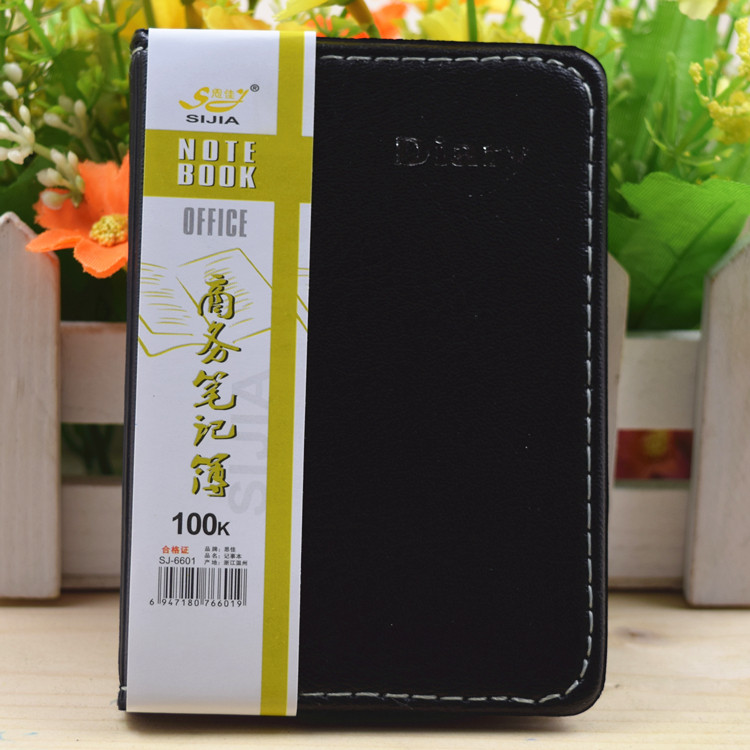
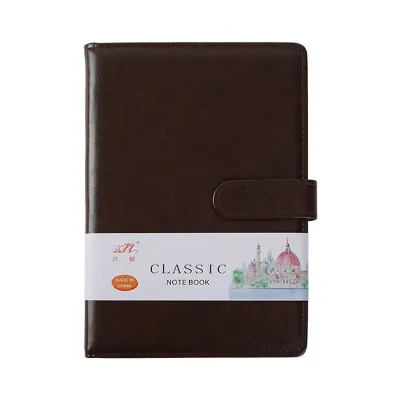
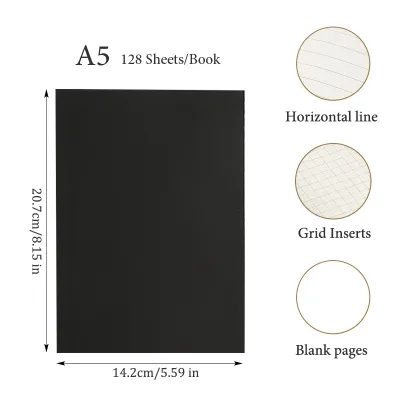
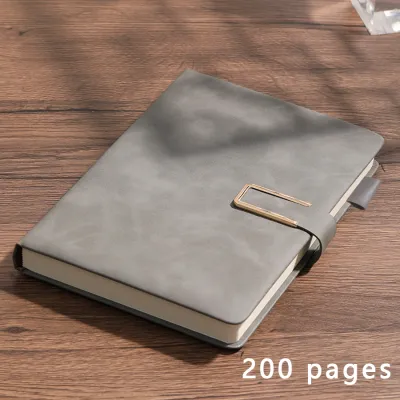
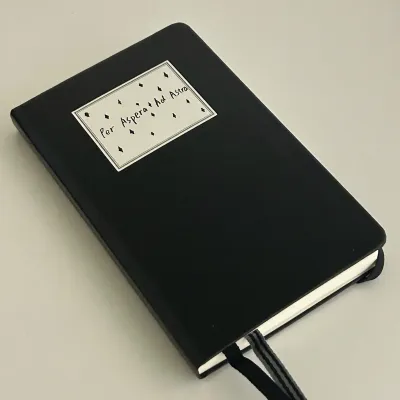
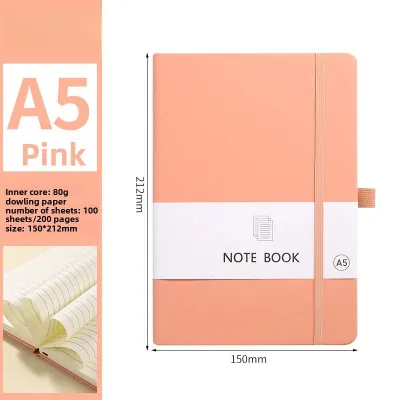
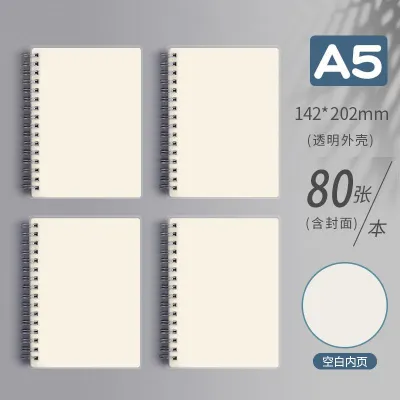
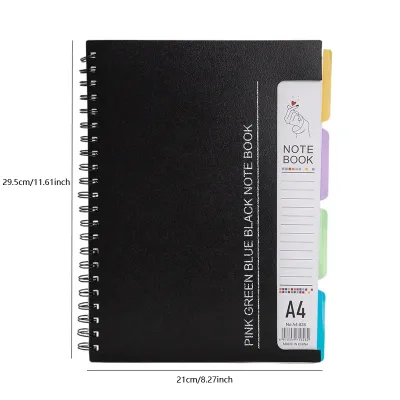
Prices are valid at publication and may change. Please refer to the product page for the latest price.
Gel pens operate on a different ink chemistry, utilizing a water-based gel suspension that holds pigment particles. This ink requires a slight “tooth” or microscopic texture on the paper surface to grip the rollerball and keep it spinning smoothly. If a paper is too slick or heavily coated, a gel pen may skip or slide without depositing ink. Conversely, because gel ink is thicker than fountain pen ink, it needs a moderate absorption rate to dry quickly; otherwise, the wet ink will easily smudge under your hand, a common issue in Singapore’s humid climate.
Markers, particularly alcohol-based art markers, present the greatest challenge for standard notebook paper. Alcohol solvents evaporate rapidly but are highly efficient at dissolving paper sizing and traveling through cellulose fibers. This characteristics causes marker ink to bleed aggressively through standard sheets, often staining multiple pages underneath. To handle markers successfully, paper must either feature an exceptionally high weight (measured in grams per square meter, or GSM) or incorporate a specialized, impermeable barrier coating that stops solvent migration.
Comparing Paper Profiles in Popular Black Notebooks
Premium coated papers, which are frequently featured in European heritage notebook brands, undergo a specialized finishing process where minerals like clay are applied to the surface. This coating creates an ultra-smooth, slick texture that highly resists liquid penetration. For fountain pen users, this is highly beneficial because the ink sits on top of the coating, allowing the unique shading, sheen, and color depth of the ink to remain visible. However, this slow absorption rate means drying times are significantly extended, requiring extra care to avoid smudging.

High-GSM uncoated papers, common in Japanese stationery and modern creative journals, rely on dense, high-quality wood fibers rather than heavy mineral coatings. These papers typically range from 100 to 160 GSM, providing a soft, matte texture with a gentle tooth. This profile is exceptionally well-suited for gel pens, fine liners, and brush pens, as the fibers absorb the ink quickly enough to prevent smudging while the sheer thickness of the sheet prevents ghosting—the shadow of writing visible on the reverse side.
Standard recycled or wood-free papers are typical in everyday office notebooks designed for high-volume utility. These papers generally have a lower weight, often between 60 and 80 GSM, and minimal surface treatment. While they are highly economical and perform adequately with standard ballpoint pens or dry gel pens, they lack the structural density to handle wet inks. Fountain pens and markers will almost certainly feather and bleed on this type of paper, limiting you to single-sided writing with dry, fine-tipped pens.
| Paper Profile | Typical GSM Range | Surface Texture | Ink Absorption Rate | Best Pen Match | Key Limitation |
|---|---|---|---|---|---|
| Premium Coated | 80 – 90 GSM | Ultra-smooth / Slick | Very Slow | Fountain Pens, Fine Liners | Extended drying times, smudging risk |
| High-GSM Uncoated | 100 – 160 GSM | Soft Tooth / Matte | Moderate | Gel Pens, Brush Pens | Reduced ink sheen, thicker notebook profile |
| Standard Wood-Free | 60 – 80 GSM | Medium / Rough | Fast | Ballpoint Pens, Dry Gel Pens | High risk of feathering and bleed-through |
Matching Your Pen to the Right Black Notebook Profile
If your primary writing instrument is a wet fountain pen, you should prioritize notebooks featuring premium coated, smooth paper. The mineral coating ensures that your fine lines remain crisp and your ink colors vibrant, without any feathering. To manage the slower drying times associated with this paper profile, consider keeping a sheet of blotting paper inside your notebook to absorb excess ink before closing the cover.
For those who prefer the reliable, everyday performance of gel pens, a high-GSM uncoated paper is the most practical choice. The slight texture of the uncoated fibers provides the necessary friction for the rollerball to glide consistently, while the quick absorption prevents your hand from smearing the ink as you write. This combination is ideal for rapid note-taking, bullet journaling, and daily planning.
If you regularly use alcohol-based markers or heavy felt-tip pens for sketching or color-coding, standard notebook paper will not deliver clean results. You must either seek out specialized marker notebooks with coated barrier backings or accept single-sided page use. When using standard notebooks with markers, always place a thick plastic or cardstock shield behind your active page to protect the subsequent sheets from bleed-through.
Before purchasing any black notebook, take a moment to verify the manufacturer’s specifications on the packaging or official product listings. Look for explicit indicators such as “fountain pen friendly,” “acid-free,” or a specific GSM rating. If a notebook does not disclose its paper weight or composition, it is highly likely to contain standard wood-free paper optimized only for basic ballpoint use.
How to Test and Verify Paper Compatibility
To ensure a notebook will perform well with your specific pen collection, you can perform a simple, low-risk compatibility test. Start by checking the manufacturer’s stated specifications on the packaging. A paper weight of 80 GSM or higher is generally the baseline for general writing, while 100 GSM and above is preferred for heavy ink use. If the packaging lacks this information, you can search the manufacturer’s official website or consult the stationery retailer for clarification.
Once you have the notebook, always perform a localized ink test on the very last page before committing to writing on the main pages. Draw a small grid using your favorite pens, including a solid block of ink and a few quick scribbles. This test allows you to observe how the paper behaves under real-world conditions without ruining the aesthetic of your new journal.
After writing your test samples, observe how many seconds it takes for each ink to dry completely to establish a baseline for your writing pace. Next, examine the edges of the lines under a bright light to check for any feathering or spreading. Finally, flip the page over to inspect the reverse side; look for ghosting, where the writing is visible as a shadow, and actual bleed-through, where wet ink has spotted through the paper fibers.
If you observe significant bleed-through or feathering during your test, the paper is not compatible with that specific pen-and-ink combination. In such cases, you may need to switch to a finer pen tip, use a drier ink formulation, or reserve that particular notebook for ballpoint pens. If a brand does not disclose its paper specifications and you cannot test the paper beforehand, it is best to proceed with caution or choose a brand that openly shares its paper details.
Frequently Asked Questions (FAQ)
Does the black cover of a notebook affect the paper quality inside?
No, the color and material of the notebook cover are purely cosmetic and structural design choices. A black cover—whether made of leather, bookcloth, or polymer—does not dictate the quality, weight, or coating of the paper bound inside. Manufacturers use a wide variety of paper stocks across their product lines, so you must always check the specific paper specifications for each individual notebook model regardless of its cover color.
Can I use alcohol markers in standard black notebooks?
Generally, standard notebook paper is not designed to handle alcohol-based markers. The highly fluid alcohol solvent easily penetrates standard paper fibers, leading to severe bleed-through and feathering. If you wish to use alcohol markers in a standard notebook, you should write on only one side of each page and place a thick protective sheet of cardstock or plastic directly behind the page to prevent the ink from ruining the sheets underneath.
Is thicker paper (higher GSM) always better for fountain pens?
Not necessarily. While a higher GSM (grams per square meter) indicates a thicker, heavier sheet that is excellent at preventing ghosting, it does not guarantee fountain pen compatibility. If a thick paper is highly porous and lacks proper surface sizing, fountain pen ink will still feather and bleed into the fibers. A thinner, well-sized paper of 68 or 80 GSM can often perform significantly better with fountain pens than an unsized 120 GSM sketch paper.

Community discussion
Share your experience or ask a question. Comments are reviewed before publication.