
Selecting the right black cloth for a sewing project involves balancing fiber characteristics, fabric weight, and the intended environment. Black cloth is available in a vast array of materials, ranging from highly breathable natural fibers like cotton and linen to durable synthetics like polyester, and luxurious options such as silk or wool. The best choice depends on whether your project requires structured stability, a fluid drape, or climate-appropriate breathability. Understanding how these different textiles behave under the needle and during wear ensures a successful, long-lasting creation.
Working with dark fabrics presents unique challenges, particularly regarding visibility during cutting and marking, as well as maintaining color depth over time. By matching the specific properties of different black fabrics to your project goals, you can avoid common pitfalls like premature fading, seam slippage, or uncomfortable heat retention. This comprehensive guide breaks down the essential factors for choosing, sewing, and caring for dark textiles.
Key Factors for Choosing Black Cloth for Your Project
Fabric weight is measured in grams per square meter (GSM) and plays a decisive role in how a finished project behaves. Lightweight black fabrics, typically under 130 GSM, such as voile, lawn, or chiffon, are ideal for delicate, airy garments that require a soft, floating quality. Medium-weight fabrics, ranging from 130 to 220 GSM, including poplin, linen, and quilting cotton, offer a balance of structure and comfort, making them highly versatile for everyday wear and crafts. Heavyweight fabrics, exceeding 220 GSM, like canvas, denim, or heavy wool, provide the rugged durability and stiffness needed for outerwear, bags, and home upholstery.
Products mentioned in this guide
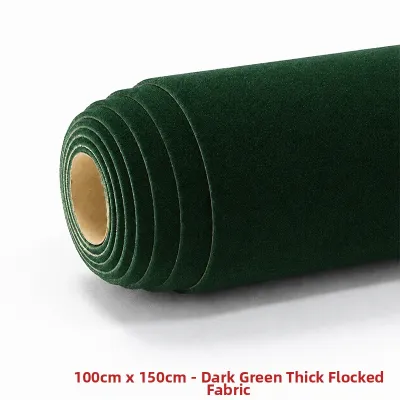
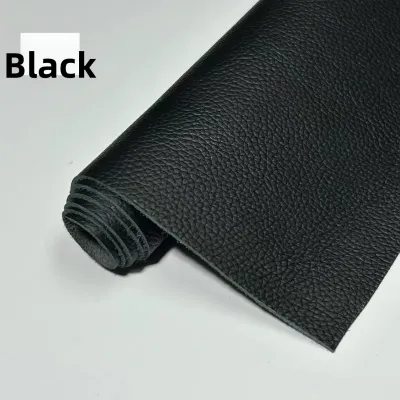
Prices are valid at publication and may change. Please refer to the product page for the latest price.
The choice between woven and knit constructions determines the drape and stretch of your black cloth. Woven fabrics feature interlaced warp and weft threads that offer stability and a crisp finish, which makes them highly cooperative during cutting and sewing. Knit fabrics, created from interlocking loops of yarn, provide natural stretch and recovery, making them excellent for activewear, t-shirts, and loungewear. However, knits require specialized sewing techniques, such as stretch stitches and ballpoint needles, to prevent the seams from popping or the fabric from puckering during construction.
In warm and humid tropical climates, such as Singapore’s year-round summer weather, fiber breathability and moisture-wicking properties are critical considerations. Black cloth naturally absorbs more radiant heat from the sun than lighter colors, which can quickly lead to discomfort if the wrong fiber is chosen. For apparel worn locally, prioritizing highly breathable natural fibers like cotton or linen allows heat to escape and air to circulate. Conversely, dense synthetic fabrics can trap moisture and heat against the skin, making them less suitable for outdoor wear unless they are specifically engineered high-tech athletic knits.
Black dyes behave differently depending on the fiber content, affecting both heat absorption and long-term colorfastness. Natural fibers absorb dyes deeply but tend to release them more readily during washing and when exposed to ultraviolet (UV) light, leading to gradual fading. Synthetic fibers, particularly polyester, hold onto black dyes exceptionally well because the colorant is integrated into the polymer melt during production. When planning a project, consider how often the item will be washed and whether it will be exposed to direct sunlight, as this will influence whether a natural, synthetic, or blended fabric is the most practical choice.
Common Black Cloth Materials and Their Characteristics
Cotton and Cotton Blends
Pure cotton black cloth is a staple for sewists of all skill levels due to its natural breathability, soft hand feel, and exceptional ease of handling. It is highly cooperative under the sewing machine’s presser foot, as it does not slip or warp during cutting and stitching. Cotton is highly absorbent, making it comfortable to wear in warm climates, and is widely available in various weaves such as lightweight lawn, crisp poplin, and sturdy canvas.

The primary limitations of pure cotton are its tendency to wrinkle easily and its susceptibility to shrinkage during the first few wash cycles. To prevent your finished project from warping or shrinking out of fit, pre-washing the fabric before cutting is an absolute necessity. Cotton-polyester blends offer a practical alternative, combining the breathability of cotton with the wrinkle resistance and superior color retention of synthetic fibers. These materials are ideal for everyday apparel, casual shirts, quilting, and structured craft projects.
Polyester and Synthetic Blends
Polyester and synthetic blends are celebrated for their outstanding durability, resistance to wrinkling, and excellent color retention. Unlike natural fibers, black polyester fabric rarely fades, even after numerous trips through the washing machine, ensuring your garments maintain a deep, saturated black appearance. Polyester also offers a highly fluid drape, making it a popular choice for pleated skirts, formal gowns, and activewear that requires movement.
However, synthetic fibers have lower breathability compared to natural alternatives, which can make them feel hot and stuffy in humid environments. They are also prone to generating static electricity, causing the fabric to cling awkwardly to the body and attract lint, dust, and pet hair—a highly visible issue on a solid black surface. Polyester blends are best suited for outerwear, structured travel wear, activewear, and any project where high durability and colorfastness are the primary requirements.
Linen and Natural Fibers
Linen, woven from the fibers of the flax plant, is highly regarded for its distinctive slub texture, sophisticated matte appearance, and exceptional cooling properties. Black linen offers a crisp, structured drape that gradually softens with every wash, providing a relaxed yet elegant aesthetic. Its loose weave allows maximum airflow and rapid moisture evaporation, making it one of the most comfortable options for warm-weather apparel and breathable loungewear.
Despite its comfort, linen is notorious for wrinkling almost immediately upon contact, which is a characteristic feature of the natural fiber rather than a defect. Additionally, the loose weave of linen means that raw edges are highly prone to fraying during the cutting and sewing process. To ensure the durability of a black linen garment, sewists must finish the seams carefully using techniques such as serging, zigzag stitching, or clean French seams to prevent the fabric from unraveling at the stress points.
Silk, Satin, and Delicate Fabrics
For formal wear, evening garments, and high-end linings, delicate black fabrics like silk, satin, and chiffon provide an unmatched luxurious sheen and a fluid, elegant drape. These materials feel incredibly smooth against the skin and catch the light beautifully, adding depth to the dark color. Woven silk options like crepe de chine or charmeuse offer a sophisticated weightlessness that elevates any apparel design.
Working with these delicate materials requires advanced sewing techniques and a high degree of patience. Silk and satin are incredibly slippery, making them difficult to align, cut, and feed evenly through a sewing machine. They are also highly susceptible to snagging and water spotting. To sew these fabrics successfully, you must use ultra-sharp, fine pins, a brand-new microtex needle (size 60/8 or 70/10), and specialized seam finishes like French seams to keep the delicate edges secure and tidy.
Wool and Heavyweight Fabrics
Heavyweight black fabrics, such as wool, tweed, denim, and heavy cotton canvas, offer excellent structural integrity, warmth, and resistance to wear. Black wool is a timeless choice for tailored blazers, trousers, and winter coats, providing a dense, matte finish that absorbs light and creates a clean silhouette. Heavy canvas and denim are highly valued for their strength, making them the preferred options for utility wear, structured bags, and home upholstery.
The main challenge when working with these heavyweight materials is managing the bulk at the seams. Multiple layers of thick fabric can easily overwhelm standard sewing machines, leading to skipped stitches or broken needles. To prevent this, you should use a heavy-duty needle (size 90/14 or 100/16), a walking foot to help feed the thick layers evenly, and techniques like grading or clipping seam allowances to reduce bulk. Specialized pressing equipment, such as a tailor’s clapper, is also helpful for pressing seams completely flat.
Matching Black Fabrics to Specific Sewing Projects
Apparel and Garments
When sewing apparel, matching the fabric to both the garment design and the local climate is essential for comfort and wearability. For casual, everyday clothing in Singapore, lightweight natural fabrics like cotton voile, lawn, or linen are ideal for keeping cool while maintaining a classic black aesthetic. For structured corporate wear, a medium-weight cotton-polyester blend or a lightweight wool gabardine provides a sharp, professional silhouette that resists wrinkling during long office hours. If you are sewing athletic wear or loungewear, a black nylon-spandex knit provides the necessary stretch, recovery, and durability.
Home Decor
When selecting black cloth for home decor, light exposure and durability are the primary considerations. Black curtains can add dramatic contrast to a room, but they will be subjected to intense sunlight, especially in high-rise apartments. For these projects, choose heavy polyester blends or UV-treated outdoor fabrics that resist sun bleaching. For throw pillows and upholstery, heavy cotton canvas, linen-cotton blends, or durable synthetic velvets offer the necessary abrasion resistance to withstand daily wear while maintaining their deep color.
Accessories and Bags
Accessories require fabrics that can hold their shape and resist abrasion. Heavyweight canvas, denim, and reinforced synthetic fabrics like Cordura are excellent choices for sewing black tote bags, backpacks, and utility pouches. These fabrics provide a sturdy foundation that can support heavy items without sagging. To add structure to lighter fabrics for accessories, you can apply heavy-duty fusible interfacing to the back of the cloth before assembly.
Practical Sewing and Care Tips for Black Fabrics
Pattern marking is one of the most common challenges when working with dark materials, as standard blue or pink marking pens are virtually invisible on black cloth. To solve this, use high-contrast marking tools such as white or yellow tailor’s chalk, slivers of dried bar soap, or white water-erasable fabric markers. Always perform a test mark on a scrap piece of your specific black fabric first, then check if it washes or presses out completely without leaving a permanent residue or altering the dye. For straight lines or temporary guides, low-tack painter’s tape can be applied directly to the fabric and peeled off easily without leaving adhesive residue.
Achieving professional results requires matching your sewing tools to the fabric’s characteristics. For most black sewing projects, high-quality black polyester thread is superior to cotton thread because it is stronger, has slight elasticity, and is highly resistant to color fading. Ensure your sewing machine needle size matches the fabric weight: use a fine size 70/10 needle for delicate silks, a size 80/12 universal needle for medium-weight cottons, and a heavy-duty size 90/14 or 100/16 needle for thick denim or canvas. If you notice skipped stitches, try switching to a stretch or ballpoint needle for knit fabrics, or a microtex needle for tightly woven synthetics.
To preserve the deep, rich color of your black cloth and prevent it from developing a washed-out, reddish, or brownish tint, proper laundering is essential. Always pre-wash your fabric before cutting to preshrink it and wash away any excess dye. When washing finished black garments, use cold water (under 30°C) and a gentle cycle with a mild, liquid detergent formulated for dark colors. Avoid powder detergents, which can leave a faint white residue on dark fibers. Turn garments inside out before washing to minimize surface friction, and dry them on a drying rack in a shaded area. Avoid direct sunlight and high-heat clothes dryers, as both heat and UV rays rapidly break down black dyes.
Frequently Asked Questions (FAQ)
Why does my black fabric fade or turn reddish after washing?
Black dyes are rarely pure black; they are typically formulated using highly concentrated mixtures of deep red, blue, or yellow pigments. When the fabric is exposed to hot water, harsh alkaline detergents, or intense UV radiation from the sun, the blue and yellow dye molecules often break down faster than the highly stable red pigments. This chemical degradation leaves the underlying red base tones exposed, giving the fabric an unsightly reddish or brownish cast.
What is the best black fabric for beginners to sew?
For novice sewists, a medium-weight woven cotton, such as quilting cotton or cotton poplin, is the absolute best choice. These fabrics are highly stable, meaning they will not slip, stretch, or warp out of shape as you cut and sew them. They feed smoothly under the sewing machine’s presser foot, hold a crease exceptionally well when pressed with an iron, and display minimal fraying compared to looser weaves like linen.
How do I mark pattern pieces on black cloth without leaving stains?
The safest way to mark black cloth is by using traditional tailor’s chalk in white or yellow, or a thin sliver of leftover bar soap, both of which brush away easily. Alternatively, you can use tailor’s tacks—simple, loose hand stitches made with contrasting thread—to mark key construction points like darts or pocket placements. If you prefer pens, always test water-erasable or heat-erasable markers on a hidden scrap of your fabric first, as some chemical dyes can react with the heat or ink, leaving permanent ghost marks.

Community discussion
Share your experience or ask a question. Comments are reviewed before publication.