
Selecting the right zipper door fastener is the defining factor in whether a DIY door curtain or screen cover functions smoothly or fails after a few weeks of use. Because a door curtain experiences constant tension, frequent pulling, and exposure to the elements, a standard apparel zipper is rarely sufficient. The ideal choice depends on whether the barrier is installed indoors or outdoors, the weight of the fabric, and how often people and pets pass through. For most heavy-duty or outdoor screen doors, a molded plastic separating zipper offers a highly reliable balance of weather resistance and smooth operation, while lightweight indoor fabric curtains benefit from the flexibility of a nylon coil zipper.
Assessing the Demands of Your Zipper Door Project
Before purchasing materials, it is essential to evaluate the specific environmental conditions your door curtain will face. In tropical climates characterized by high humidity and heavy rainfall, outdoor installations face constant moisture and intense UV exposure. These conditions rapidly degrade low-quality materials, causing metal sliders to rust and cheap plastics to become brittle. If your screen door cover is meant for a balcony, patio, or main entrance, the zipper must withstand these environmental stressors without binding or losing its structural integrity.
Mechanical stress is another critical factor to analyze. Consider who will be using the door on a daily basis. High-traffic areas frequented by children or pets require a zipper that can handle sudden, forceful tugs. When a pet pushes against a screen, or a child pulls the zipper at an angle, the lateral tension on the zipper teeth increases significantly. Understanding this daily physical demand helps determine the required gauge size and tape strength needed to prevent the teeth from separating under pressure.
Products mentioned in this guide
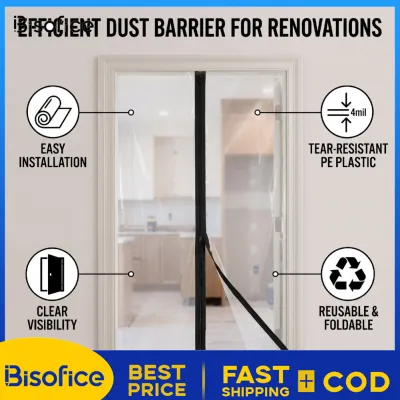
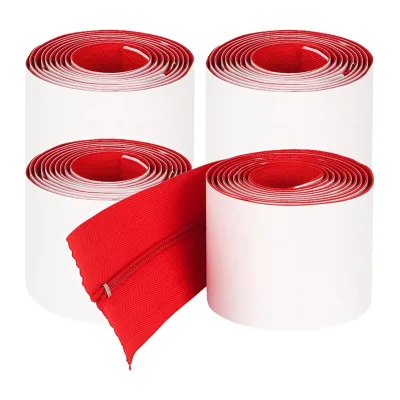
Prices are valid at publication and may change. Please refer to the product page for the latest price.
Finally, consider your sealing requirements. The primary function of a screen door cover is often pest control or dust prevention. To keep out small insects like mosquitoes or midges, the zipper must close completely without leaving gaps at the top or bottom. The alignment of the teeth must remain precise over hundreds of cycles to ensure the barrier remains insect-proof and draft-resistant. Choosing a zipper that matches these functional demands ensures your DIY project remains practical and durable.
Recommended Zipper Types for Door Curtains and Screens
When selecting a zipper mechanism, you must first choose between a separating zipper and continuous zipper chain. A separating zipper functions like a jacket zipper, allowing the two sides of the curtain to detach completely. This is highly beneficial for seasonal screen doors or curtains that need to be fully opened or removed for cleaning. Continuous zipper chain, sold by the meter, allows you to cut custom lengths for unusually tall entryways. However, if you use continuous chain, you must install top and bottom stops manually, and the curtain halves will remain joined at the bottom unless you configure a specialized bypass system.

Molded plastic zippers, often made from polyacetal resins, feature individually molded teeth fused onto the zipper tape. These are highly recommended for outdoor screen doors and heavy utility curtains. The physical design of the teeth makes them exceptionally smooth to slide, even when exposed to dirt, sand, or salt air. They do not corrode, and they resist UV damage far better than standard polyester alternatives, making them a durable choice for balcony doors.
Nylon coil zippers are constructed from a continuous spiral of nylon monofilament sewn onto the tape. They are highly flexible, lightweight, and easy to sew with standard domestic sewing machines. This flexibility allows them to conform to slight curves or movement in lightweight indoor fabric curtains. If your project involves a delicate mesh or a lightweight cotton draft-stopper curtain, a nylon coil zipper provides a soft, unobtrusive closure that won’t weigh down the fabric.
While metal zippers are incredibly strong, they are generally unsuitable for screen doors and fabric curtains. Metal teeth are heavy, which can cause lightweight mesh to sag and distort over time. Furthermore, in humid environments, metal is highly susceptible to oxidation and corrosion, leading to sticky sliders and eventual failure. The sharp edges of metal teeth can also snag delicate screen mesh or scratch skin as people walk through the opening, making them a less practical choice for high-traffic entryways.
Key Specifications and Purchasing Checklist
Accurate measurements are critical when purchasing your zipper. Measure the height of the door opening and add at least 5 to 10 centimeters to account for top and bottom seam allowances, hem depths, and mounting frames. If you are using a separating zipper, buy one that matches the exact finished height of the opening, as these cannot be easily shortened from the bottom without losing the separating box and pin mechanism. While a standard zipper might cost only a few dollars, investing S$15 to S$30 in a high-quality marine-grade zipper ensures your DIY project lasts for years.
The choice of slider affects daily usability. An auto-lock slider contains a small internal pin that prevents the zipper from opening on its own when lateral tension is applied. This is useful for preventing strong winds from blowing the screen open. However, for a door curtain, a non-lock slider is often preferred because it allows the zipper to glide open smoothly with a gentle push. Additionally, look for double-sided or reversible sliders, which feature pull tabs on both sides, allowing you to open and close the door easily whether you are inside or outside.
Zippers are categorized by gauge numbers, such as #5, #8, or #10, which represent the width of the teeth in millimeters. For lightweight mesh screens, a #5 zipper is usually sufficient and keeps the project lightweight. For heavy canvas, vinyl, or insulated thermal curtains, step up to a #8 or #10 heavy-duty zipper. The wider tape of these larger gauges provides more surface area for stitching, ensuring the zipper remains securely anchored to heavy fabrics under high tension.
Sewing and Installation Tips for Durability
Mesh and lightweight curtain fabrics are prone to stretching, warping, or puckering when stitched to a rigid zipper tape. To prevent a wavy, distorted zipper installation, apply a strip of fusible interfacing or lightweight twill tape to the fabric edge before sewing. This stabilizes the material, ensuring a flat, professional finish and preventing the zipper from binding during use. You can also use temporary fabric tape to hold the zipper in place before taking it to the sewing machine.
Use a dedicated zipper foot on your sewing machine to stitch as close to the zipper teeth as possible without riding over them. Match your needle to the fabric and zipper weight: a size 90/14 or 100/16 denim needle is ideal for heavy canvas and thick plastic zipper tapes, while a fine ballpoint needle is necessary to avoid tearing delicate screen mesh. Use high-quality, UV-treated polyester thread to prevent the stitches from rotting under sun exposure.
The top and bottom of a door zipper experience the highest concentration of pulling force when the door is opened or closed. To prevent the zipper from ripping away from the fabric, reinforce these areas with multiple rows of stitching or a box-stitch pattern. Adding a small fabric tab or reinforcement patch at the bottom pin-and-box insertion point will also distribute the physical stress and prolong the lifespan of your DIY screen door.
Frequently Asked Questions (FAQ)
Can I use a standard jacket zipper for a heavy canvas door curtain?
While a standard jacket zipper (typically a #5 nylon coil or molded plastic) might work temporarily, it is not recommended for heavy canvas door curtains. Heavy canvas exerts significant lateral tension, which can easily pull the teeth of a lightweight zipper out of alignment or cause the slider to jump off the track. For heavy-duty home decor or utility projects, it is best to use a #8 or #10 marine-grade or upholstery zipper. These larger sizes feature wider zipper tapes and stronger teeth designed to handle the weight and tension of thick fabrics without failing.
How do I prevent the zipper from snagging on the screen mesh?
To prevent the zipper slider from catching on delicate screen mesh, you should install a fabric guard or binding tape along the edge of the screen. Sew a 2-centimeter strip of sturdy cotton or polyester ribbon between the mesh and the zipper tape to act as a physical barrier. This keeps the loose fibers of the mesh away from the moving slider. Additionally, always verify the clearance between the slider body and the screen material before completing your final stitches, ensuring there is enough space for the slider to pass smoothly without grabbing the mesh.

Community discussion
Share your experience or ask a question. Comments are reviewed before publication.