
Selecting the right whiteboard for early childhood education involves balancing magnetic strength, surface durability, and child safety. When teaching phonics, spelling, or basic sentence structure at home or in a preschool, magnetic letters are indispensable tools. However, not all whiteboards are created equal when it comes to supporting these interactive learning aids.
The most critical factor to understand from the outset is that standard educational magnetic letters require a steel-backed or enameled steel whiteboard to stick properly. Many modern, sleek glass whiteboards are incompatible with standard plastic letters because the thick glass pane weakens the magnetic pull of the low-cost ceramic magnets embedded in the letters. To create a functional, engaging, and safe learning environment, parents and educators must carefully evaluate the board’s structural materials, size, mobility, and safety features.
What Makes a Whiteboard Ideal for Magnetic Letters and Early Learning?
Selecting a whiteboard for early childhood instruction requires looking beyond the writing surface to understand the underlying construction and how it interacts with educational toys.
Products mentioned in this guide
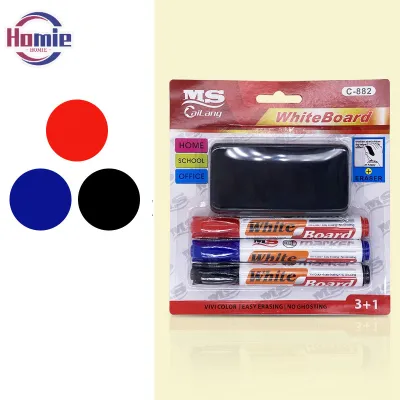
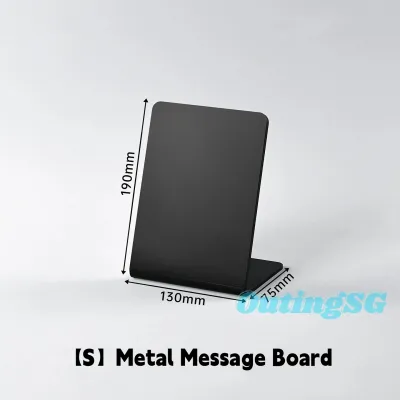
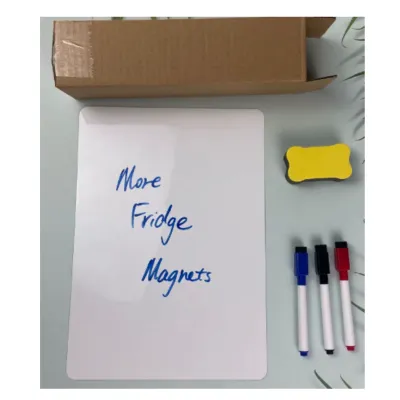
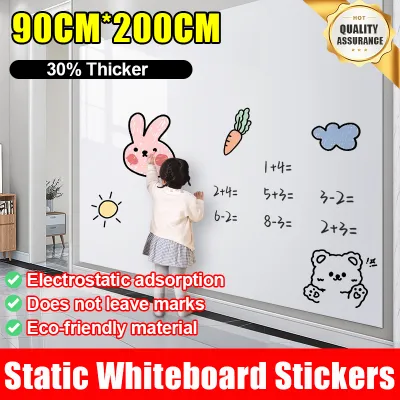
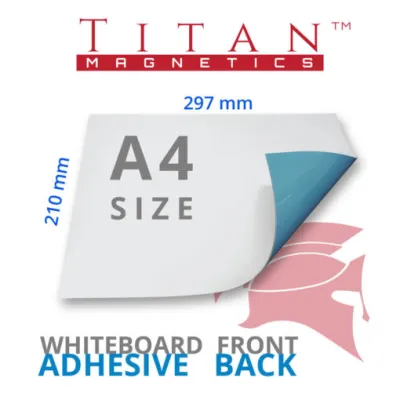
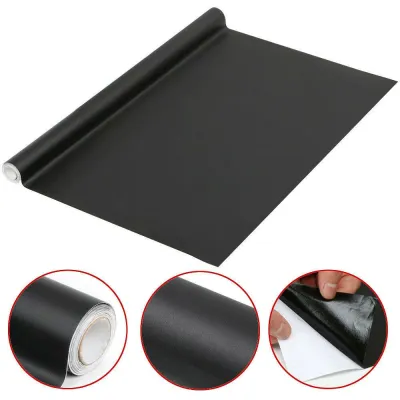
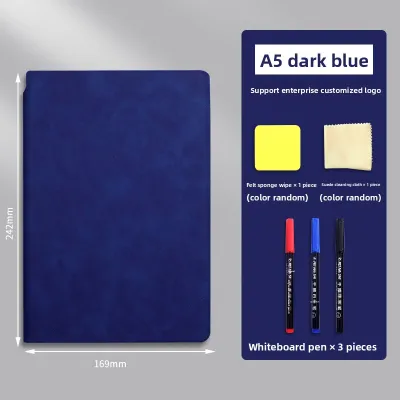
Prices are valid at publication and may change. Please refer to the product page for the latest price.
Magnetic Surface Compatibility
Standard educational magnetic letters are typically manufactured with small, low-cost ceramic magnets embedded in their plastic backings. These ceramic magnets possess a relatively weak magnetic field, which means they require direct, close contact with a highly receptive ferromagnetic material to stay in place. Painted steel and enameled (porcelain) steel whiteboards feature a thin sheet of steel directly beneath the dry-erase coating, providing the strong magnetic attraction needed to keep letters from sliding down.
In contrast, modern glass whiteboards feature a thick sheet of tempered glass (usually 4mm to 6mm thick) positioned in front of a steel backing plate. Because magnetic force decreases exponentially with distance, the weak ceramic magnets in standard educational letters cannot penetrate this glass barrier. While glass boards work beautifully with powerful neodymium (rare-earth) magnets, these strong magnets are highly dangerous if swallowed and are never used in children’s toys. For preschool and home teaching with standard letters, a steel-core whiteboard is the only practical choice.
Size and Viewing Angles
For a home environment, such as a study corner in a Singapore HDB flat, a compact board measuring 60 cm by 90 cm offers an ideal balance. This size provides ample space for spelling out short sentences and arranging letter groups without overwhelming limited wall space. In a preschool classroom, larger dimensions like 90 cm by 120 cm or 120 cm by 180 cm are preferable, as they allow multiple children to stand side-by-side and interact with the board simultaneously.
When positioning the board, consider the viewing angles and light sources in the room. High-gloss painted steel surfaces can reflect bright overhead fluorescent lights or direct sunlight from windows, creating a harsh glare that makes it difficult for young learners to distinguish between letters. Placing the board at a right angle to windows or choosing a semi-matte porcelain surface helps minimize reflection and reduces eye strain during group lessons.
Safety and Durability
Early learning environments are high-energy spaces where physical contact with classroom furniture is common. Standard office whiteboards often feature sharp, mitered aluminum corners that pose a significant scratching or impact hazard to active children. Educational whiteboards must feature rounded corner caps made of tough, impact-resistant ABS plastic to cushion accidental bumps.
The structural durability of the board is equally important. Children frequently lean on the board or pull on the frame when reaching for letters at the top. The frame must be securely bonded to the core material, and the core itself should be robust enough to withstand repeated pressure without flexing or warping over time.
Recommended Whiteboard Types for Home and Preschool Environments
Different teaching scenarios and room layouts require specific whiteboard formats. Understanding the strengths and limitations of each type helps you choose the best configuration for your space.

Wall-Mounted Magnetic Whiteboards
Wall-mounted boards are the gold standard for dedicated learning zones where floor space is at a premium. By mounting flat against a wall, these boards remain completely out of the way of foot traffic, making them highly suitable for compact home study areas and busy preschool classrooms. They provide a highly stable, non-shifting canvas that does not wobble when children press letters onto the surface.
When installing a wall-mounted board, mounting height is a critical consideration. For preschoolers, the bottom edge of the board should sit near waist height (approximately 50 cm to 60 cm from the floor), allowing them to reach the center and upper portions comfortably.
Because children may lean on or pull down on the board, standard hanging loops are insufficient. In Singapore, where home and classroom walls are typically made of dense concrete or masonry, you must use heavy-duty plastic wall plugs and screws driven directly through the corner holes of the whiteboard frame. For drywall partition walls, secure the board directly into the metal studs or use heavy-duty toggle bolts to prevent the board from tearing away from the wall under physical pressure.
Freestanding and Easel Whiteboards
Mobile easels and freestanding boards offer exceptional flexibility for dynamic learning environments. They can be rolled or carried to different areas of a room, allowing educators to set up a temporary reading circle or partition a classroom into smaller activity zones. Many educational easels are double-sided, featuring a magnetic whiteboard on one side and a felt board or book rack on the reverse, maximizing utility.
To ensure safety, a freestanding easel must feature a wide, stable footprint. A-frame designs should have a secure locking brace that prevents the legs from spreading or collapsing unexpectedly. H-frame mobile boards must feature a heavily weighted base to prevent the unit from tipping over if a child leans their full body weight against the surface.
If the easel is equipped with wheels for mobility, look for robust, industrial-grade casters. At least two of these casters must feature reliable foot-operated locking mechanisms. When the board is in use, these locks must be engaged to prevent the easel from rolling away when a child applies pressure to place a magnetic letter.
Desktop and Lap Whiteboards
Small-format magnetic boards, typically ranging from A4 to A3 size, are perfect for independent practice and small-group table work. These portable boards allow a child to sit comfortably at a child-sized table or on a play mat, arranging letters to spell out words at their own pace. They are also excellent for targeted phonics intervention sessions where a teacher works one-on-one with a student.
Because these boards are handled directly by young children, lightweight construction is essential. Heavy steel-framed boards can easily bruise small toes if dropped. Look for lapboards constructed with a lightweight fiberboard core and wrapped in a soft, protective EVA foam border or smooth plastic edge guards.
Many high-quality lapboards feature integrated carrying handles molded directly into the frame. This design makes it easy for young children to retrieve the boards from storage shelves and return them independently, fostering a sense of responsibility and order in the classroom or home.
Crucial Specifications to Verify Before Purchasing
Before purchasing a whiteboard from a local stationery supplier or online marketplace, review the technical specifications carefully to ensure the product meets the demands of an early childhood setting.
Magnet Compatibility Check
When browsing product listings, look for explicit confirmation that the board is “magnetic.” Some budget-friendly whiteboards are advertised as dry-erase surfaces but lack the internal steel sheet required to attract magnets. If the listing only mentions “melamine” or “dry-erase laminate” without the word “magnetic,” it is highly likely a non-magnetic board.
If you are purchasing in a physical retail store, perform a simple diagnostic check. Bring a standard, flexible refrigerator magnet with you. If this weak magnet holds firmly to the board without sliding down under its own weight, the board will easily support educational plastic letters. If the magnet slides or falls off, the steel sheet inside is either too thin or buried too deeply beneath the surface coating.
Surface Coating and Ghosting
Dry-erase surfaces are generally classified into two categories: painted (lacquered) steel and porcelain (enameled) steel. Painted steel boards are budget-friendly and offer excellent magnetic pull, making them a popular choice for home use. However, the painted surface is somewhat porous. If dry-erase marker ink is left on the board for several days or weeks, the pigment can penetrate the pores, leaving faint, permanent stains known as “ghosting.”
Porcelain steel boards are manufactured by fusing a ceramic coating onto a steel sheet at temperatures exceeding 800 degrees Celsius. This process creates an incredibly hard, non-porous surface that is highly resistant to scratching, denting, and ghosting. For high-use preschool classrooms where markers are used daily and letters are dragged across the surface constantly, investing in a porcelain steel board is highly recommended for long-term durability.
Tray and Accessory Security
Marker trays are highly convenient for keeping dry-erase markers, erasers, and magnetic letters within arm’s reach. However, a poorly designed tray can be a safety hazard. Flimsy aluminum trays that clip loosely onto the bottom frame can easily detach if a child grabs them for support, leading to sharp metal edges and falling objects.
Verify that the marker tray is either integrated directly into the molded plastic frame of the board or secured firmly with screws. The edges of the tray must be rounded, and there should be no sharp pinch points where the tray meets the frame. If a secure tray is not available, it is safer to use a separate, wall-mounted plastic organizer placed out of reach of very young children.
Frame Material and Edge Safety
Aluminum frames provide excellent rigidity, keeping larger boards flat and preventing them from bowing over time. If choosing an aluminum frame, ensure the corners are capped with smooth, rounded ABS plastic joints. Check the edges of the aluminum extrusion to ensure there are no sharp metal burrs left over from the manufacturing process.
Plastic frames are lighter and softer, making them excellent for smaller, portable boards. However, low-quality, brittle plastic can crack if the board is dropped, creating sharp shards that can cut small hands. Look for high-density polyethylene (HDPE) or polypropylene frames, which are highly impact-resistant and retain their smooth edges even under heavy use.
Maintenance and Safety Tips for Whiteboard and Letter Use
To ensure your educational setup remains clean, functional, and safe for young learners, establish a regular maintenance and safety inspection routine.
Cleaning Routines
To preserve the dry-erase surface and maintain its magnetic properties, clean the board regularly using a soft microfiber cloth. Avoid using abrasive scrubbing pads, steel wool, or harsh chemical cleaners like bleach or acetone. These abrasive materials will scratch the protective topcoat, creating microscopic grooves that trap marker pigment and accelerate ghosting.
For routine cleaning, a damp microfiber cloth is usually sufficient. For stubborn stains or built-up marker residue, use a dedicated, low-odor whiteboard cleaning spray. In Singapore’s humid climate, airborne dust and moisture can combine to form a sticky film on the board surface over time; a weekly wipe-down with a mild, highly diluted dish soap solution, followed by a thorough drying with a clean towel, will keep the surface smooth and easy to write on.
Letter Storage and Inspection
Magnetic letters must be inspected regularly to prevent serious safety hazards. Over time, the small black ceramic magnets glued to the back of plastic letters can become loose, peel away, or crack. If a child swallows a loose magnet, it can attract another magnet inside the digestive tract, leading to life-threatening internal injuries.
Conduct a weekly inspection of all magnetic letters. Any letter with a loose, cracked, or peeling magnet must be discarded immediately. When not in use under direct adult supervision, store the letters in a heavy-duty plastic container with a secure, child-proof latch, and place it on a high shelf out of reach of young children.
Marker Safety
Always pair your whiteboard with dry-erase markers that are explicitly certified as non-toxic and low-odor. Look for safety designations such as the AP (Approved Product) seal or compliance with EN71 safety standards. Standard industrial dry-erase markers contain solvents like xylene or toluene, which emit strong, harmful fumes and should never be used around children.
Choose washable dry-erase formulations when teaching young children. Toddlers and preschoolers frequently write on their hands, clothing, or nearby walls during interactive lessons. Washable inks can be easily cleaned from skin and fabrics with mild soap and water. Keep markers capped tightly and stored horizontally when not in use to prevent the tips from drying out in air-conditioned environments.
Frequently Asked Questions (FAQ)
Can I use magnetic letters on a glass whiteboard?
No, standard plastic educational letters will not work on a glass whiteboard. Glass boards require incredibly strong neodymium (rare-earth) magnets to penetrate the thick glass layer and reach the steel backing behind it. Standard educational letters use weak ceramic strip magnets, which lack the magnetic pull required and will simply slide down the glass surface. For teaching with magnetic letters, stick to steel-backed boards.
How high should I mount a whiteboard for preschoolers?
For children aged three to five, the ideal mounting height places the center of the board at approximately 80 cm to 100 cm from the floor. This allows them to reach the lower half while seated on a play mat and comfortably access the upper half when standing. Always adjust the height based on the average height of the children using the space, ensuring they do not have to stretch unsafely or climb on chairs to reach the top.
Are magnetic whiteboards safe for toddlers?
The whiteboard itself is safe when properly mounted and maintained. However, standard magnetic letters pose a significant choking hazard for toddlers (children under three years old) who still explore objects with their mouths. If using magnetic letters with toddlers, you must use oversized letters designed specifically to prevent choking, and strict, undivided adult supervision is mandatory at all times.

Community discussion
Share your experience or ask a question. Comments are reviewed before publication.