
The transition from abstract sounds to concrete shapes is one of the most significant milestones in early childhood development. For young children, learning the alphabet is not just a visual exercise; it is a physical, hands-on experience. Tactile learning—where children can touch, move, and arrange physical letters—helps bridge the gap between recognizing a shape and understanding its phonetic role in language.
A high-quality magnetic board serves as the perfect canvas for this interactive journey. By manipulating magnetic letters on a vertical or flat surface, children develop crucial fine motor skills, hand-eye coordination, and spatial awareness. Choosing the right magnetic board for your home ensures that these early literacy activities are engaging, safe, and seamlessly integrated into your daily routine.
What to Look for in a Quality Magnetic Board
Before selecting a specific style of magnetic board, it is essential to understand the technical and physical features that determine its quality, durability, and suitability for young learners. A poor-quality board can lead to frustration, such as sliding letters or permanent marker stains, which can quickly derail a child’s interest in learning.
Products mentioned in this guide
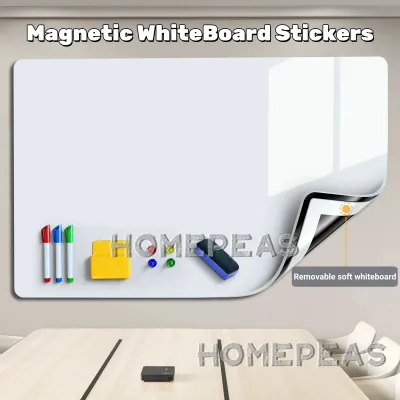
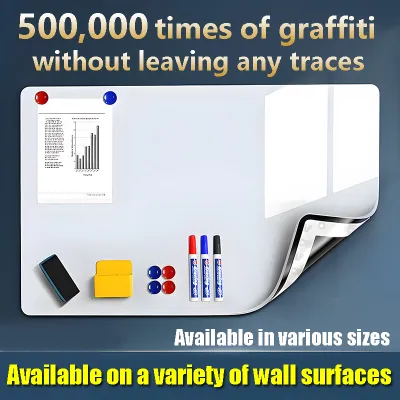
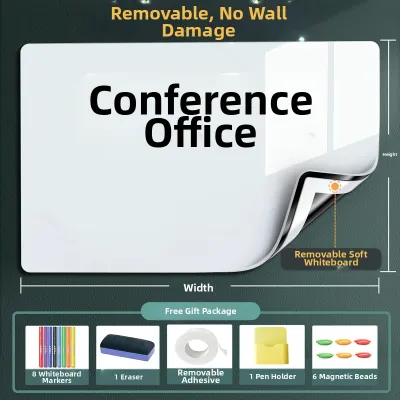
Prices are valid at publication and may change. Please refer to the product page for the latest price.
Surface Quality and Coating Materials
The surface of a magnetic board is its most critical component. For educational purposes, the surface must be exceptionally smooth to allow small hands to slide magnetic letters easily without catching. It must also withstand the frequent use of dry-erase markers, which are often paired with alphabet activities to practice writing.
There are three primary materials used for magnetic board surfaces, each offering different levels of performance:
- Melamine: This is a resin-infused paper surface over a particleboard backing. While melamine boards are highly affordable, they are porous. Over time, dry-erase ink penetrates the surface, leading to "ghosting" or permanent staining. In humid climates, such as in Singapore, the wood-based backing of cheap melamine boards can also absorb moisture, leading to warping.
- Painted Steel: This surface features a layer of steel coated with a durable paint finish. Painted steel boards offer excellent magnetic pull and a much smoother glide than melamine. They are highly resistant to ghosting if cleaned regularly, making them a durable and cost-effective choice for home use.
- Porcelain-on-Steel: This premium option features a ceramic surface baked onto a steel backing. It is incredibly smooth, highly scratch-resistant, and virtually immune to ghosting or staining. While porcelain boards are heavier and more expensive, they offer unmatched durability and are ideal for long-term educational use.
Magnetic Strength and Ferromagnetic Core
A common misconception is that the whiteboard itself is magnetic. In reality, the board contains a ferromagnetic sheet—usually steel—that attracts the magnets attached to the alphabet letters. The thickness and quality of this steel layer directly affect the magnetic pull.
If the steel sheet is too thin, heavier letters made of wood or thick plastic will slide down the board, disrupting your child’s word-building activities. When choosing a board, look for specifications that indicate a solid steel core or high-gauge steel backing. This ensures that even heavier educational magnets remain securely in place exactly where your child positions them.
Size and Proportion for Home Environments
The dimensions of the board should match your child’s physical reach, the complexity of the lessons, and the layout of your home. In compact living spaces, such as typical Singapore HDB apartments, finding a balance between surface area and floor space is crucial.
A board that is too small (such as a standard A4 sheet) limits word-building to single, short words and does not allow room for sentence construction or drawing. Conversely, a massive classroom-sized board can overwhelm a room and be difficult for a toddler to navigate. A medium-sized board, approximately 60 cm by 45 cm, generally offers the ideal balance, providing ample space for spelling whole sentences while fitting comfortably on a wall or study desk.
Build Quality and Child Safety Features
Any product used by children must meet strict safety standards. Standard office whiteboards often feature sharp aluminum frames and pointed corners that pose physical risks during active play.
When evaluating a board for home use, prioritize the following safety features:
- Rounded Corners: Look for frames made of rounded plastic or smooth, splinter-free wood to prevent cuts and bruises.
- Non-Toxic Finishes: Ensure that all paints, coatings, and adhesives used on the board are certified non-toxic and free from harmful volatile organic compounds (VOCs).
- Sturdy Frame Construction: The frame should be securely bonded to the backing material to prevent the steel sheet from peeling or exposing sharp metal edges.
Top Magnetic Board Styles for Home Alphabet Learning
Magnetic boards come in several distinct form factors, each suited to different teaching styles, space availability, and age groups. Understanding the trade-offs of each style will help you choose the best fit for your household.

Freestanding Double-Sided Easels
Freestanding easels are ideal for families with dedicated playrooms or multiple children learning together. These boards stand on their own three or four-legged frames and typically feature a magnetic whiteboard on one side and a traditional chalkboard or felt board on the reverse.
- Best For: Dedicated play spaces, multi-child households, and active learners who prefer standing during activities.
- Pros: The dual-surface design allows two children to play simultaneously. Standing while learning engages gross motor skills and core stability, which can improve focus in high-energy children. Many easels also feature built-in trays to keep letters and markers organized.
- Cons: Easels require a significant amount of floor space and can be difficult to store away. They also present a tipping hazard if a child attempts to climb or pull on the frame.
- Buying Checklist:
- Height Adjustability: Look for models with adjustable legs so the board can grow alongside your child from toddlerhood to primary school.
- Wide, Weighted Base: A wider footprint and non-slip rubber feet prevent the easel from sliding or tipping over during enthusiastic play.
- Locking Brackets: Ensure the frame has secure locking hinges that prevent the easel from collapsing unexpectedly.
Wall-Mounted and Over-the-Door Boards
Wall-mounted magnetic boards are fixed directly to a vertical surface, making them an excellent space-saving solution for compact homes or apartments where floor space is limited.
- Best For: Compact homes, bedrooms, or creating a permanent, dedicated learning station that stays out of the way when not in use.
- Pros: By utilizing vertical wall space, these boards keep play areas clutter-free. They provide an exceptionally stable surface for writing and letter placement, as they cannot wobble or tip over. They also keep educational materials at a consistent, ergonomic eye level.
- Cons: Wall-mounted boards require permanent installation, which involves drilling into walls. Once mounted, adjusting the height to accommodate a growing child requires unmounting and re-drilling.
- Buying Checklist:
- Robust Mounting Hardware: Verify that the board includes heavy-duty wall anchors and flush-mount brackets to prevent the board from falling if pulled.
- Lightweight Core: Look for boards with lightweight composite or aluminum backings behind the steel sheet to reduce the overall weight on your wall.
- Low-Profile Frames: A slim, low-profile frame prevents children from bumping into the edges of the board in narrow hallways or bedrooms.
Portable Tabletop and Lap Boards
Portable boards are compact, lightweight options designed for close-up, focused learning sessions. These boards are typically double-sided and can be laid flat on a table, propped up with a small built-in stand, or held in a child’s lap.
- Best For: Traveling families, small dining table setups, or quiet, focused learning sessions on the couch.
- Pros: These boards are highly portable and easy to store in a drawer or backpack. They encourage close physical proximity and direct interaction between parent and child, making them excellent for guided phonics lessons.
- Cons: The limited surface area restricts word-building to short phrases and does not support larger, multi-step literacy activities. They do not encourage the physical, standing movement that helps some children stay engaged.
- Buying Checklist:
- Carrying Handles: Built-in handles make it easy for toddlers to carry their own learning board from room to room.
- Foldable Designs with Locking Hinges: If choosing a tabletop wedge board, ensure the hinges lock securely to prevent fingers from getting pinched.
- Soft Protective Edges: Fabric-wrapped or rubberized edges protect furniture from scratches and make the board more comfortable for a child to hold in their lap.
Pairing Your Board with the Right Magnetic Letters
A magnetic board is only half of the learning system; the letters you choose to pair with it are equally important. Selecting the right material, size, and storage system ensures a seamless and productive learning experience.
Material Choices for Magnetic Letters
Educational magnetic letters are available in three primary materials, each with distinct tactile and physical properties:
- Wooden Letters: These letters offer a classic, organic feel and are highly durable. They are excellent for sensory development, as wood has a natural weight and texture. However, they are heavier than other options and require a board with strong magnetic pull to prevent them from sliding down.
- Plastic Letters: Classic plastic letters are lightweight, colorful, and incredibly easy to clean and sanitize. They are highly affordable and widely available. When buying plastic letters, inspect the back to ensure the small magnets are securely embedded within the plastic casing rather than glued onto the surface.
- Foam Letters: Made from soft EVA foam, these letters are lightweight and quiet when dropped. They are easy for very young children to grasp. However, foam is susceptible to tearing, and children who are still in the teething phase may attempt to bite or chew on them, creating a safety hazard.
Sizing and Proportions
For toddlers and preschoolers, the physical size of the letters is critical. Letters should be at least 3 to 5 centimeters in height. This size is large enough to prevent accidental choking while remaining easy for developing hands to grasp and manipulate.
Ensure that the scale of the letters matches the size of your board. If you have a compact tabletop board, oversized letters will limit you to spelling only one or two words at a time. For a standard 60 cm x 45 cm board, medium-sized letters allow you to build sentences, sort letters by color, and leave space for writing practice.
Storage Solutions
An organized learning environment reduces frustration and keeps children engaged. Look for magnetic letter sets that come with dedicated storage solutions, such as a multi-compartment plastic sorting tray. Sorting letters back into their designated slots at the end of a session is an excellent way to reinforce alphabetical order and clean-up habits. If your board has an integrated tray, use it to hold active letters, while keeping the main set organized in a separate container nearby.
Safety Note on Magnets
When choosing magnetic letters, prioritize safety above all else. Avoid sets that utilize tiny, exposed neodymium button magnets glued to the back. If these magnets detach, they pose a severe ingestion hazard. Instead, look for letters that feature a full-magnetic backing, where the entire rear surface of the letter is made of a flexible, integrated magnetic sheet. This design is significantly safer and provides a more uniform grip on the board.
Safety Checks and Maintenance for Home Use
To ensure your magnetic board remains a safe and effective educational tool for years to come, establish a regular routine for safety inspections and surface maintenance.
Tip-Over and Fall Prevention
If you are using a freestanding easel, always place it on a flat, even surface. Avoid placing easels on thick, plush rugs where they may wobble. Teach your child that the easel is a writing surface, not a climbing frame.
For wall-mounted boards, periodically check the mounting brackets to ensure they have not loosened over time. Children often lean on the board or pull down on the frame when standing, which can place extra stress on wall anchors. If the board begins to pull away from the wall, immediately remove it and reinstall it using heavy-duty toggle bolts or anchor screws designed for your specific wall type (such as drywall or concrete).
Choking Hazard Management
Even if your child is past the stage of putting toys in their mouth, younger siblings or visiting children may still be at risk.
- Always supervise alphabet play sessions, especially when using smaller letter sets.
- Count the letters at the end of each session to ensure no pieces have fallen under furniture or behind the board.
- Store the magnetic letters in a secure, latching container placed on a high shelf out of reach when not in use.
Step-by-Step Surface Maintenance Routine
Over time, dry-erase marker ink and oils from your child’s hands can build up on the board, making it difficult to write on and causing letters to slide. Follow this gentle, non-toxic cleaning routine to preserve the board’s protective coating:
- Daily Wipe: Use a clean, dry microfiber cloth or a felt eraser to remove dry-erase marker ink immediately after each learning session. Leaving ink on the board for days increases the risk of ghosting.
- The Fresh Marker Trick: If you encounter a stubborn, dried-on marker stain, do not use abrasive scrubbers. Instead, scribble directly over the old stain with a fresh, dark dry-erase marker. The solvents in the fresh ink will re-liquefy the old, dried binder. Wipe the area immediately with a clean cloth to lift both marks away.
- Weekly Deep Clean: Dampen a microfiber cloth with water and a single drop of mild dish soap. Wipe the entire surface to remove hand oils and dust, then dry the board thoroughly with a clean towel.
- Removing Stubborn Residue: For persistent stains, apply a small amount of 70% isopropyl alcohol to a soft cloth and gently wipe the affected area. Avoid using harsh chemical solvents, glass cleaners, abrasive scrubbing pads, or steel wool, as these will permanently strip the protective dry-erase coating off painted steel or melamine surfaces.
Frequently Asked Questions (FAQ)
Can I use regular fridge magnets on a magnetic whiteboard?
Yes, you can use regular fridge magnets on most magnetic whiteboards, provided the board has a steel core. However, there are a few practical limitations to keep in mind. Many decorative fridge magnets are heavy and utilize weak, low-grade sheet magnets, which may cause them to slide down the smooth, vertical surface of a whiteboard. Additionally, some fridge magnets have rough or unshielded ceramic backs that can scratch the delicate dry-erase coating of your board. For educational activities, it is highly recommended to use specialized educational magnetic letters, which are lightweight, designed for vertical stability, and feature smooth backings that will not damage the board.
How do I remove dry-erase marker stains from the board?
To remove stubborn dry-erase marker stains without damaging the board, start by drawing over the stain with a fresh, dark dry-erase marker, then wipe it away immediately with a clean cloth. If the stain persists, apply a small amount of 70% isopropyl alcohol to a soft microfiber cloth and gently rub the area in a circular motion. For everyday maintenance, a damp cloth with a tiny drop of mild dish soap works well to remove oils and dust. Never use abrasive cleaning powders, steel wool, scouring pads, or harsh household chemicals like acetone or bleach, as these will permanently ruin the board’s smooth, non-porous writing surface.
What is the ideal height for a wall-mounted magnetic board for a toddler?
When mounting a magnetic board on the wall for a toddler, the goal is to position it so they can comfortably reach the entire surface without straining. The ideal height is to align the center of the writing surface with your child’s chest or shoulder level when they are standing. For most toddlers aged two to four, this means mounting the bottom edge of the board approximately 40 to 50 centimeters off the floor. This height allows them to stand comfortably while manipulating letters at the top of the board, or sit on the floor to work on activities at the bottom of the board. As your child grows, you will eventually need to raise the board to maintain an ergonomic writing position.
Community discussion
Share your experience or ask a question. Comments are reviewed before publication.