
For beginners in Singapore looking to step into the world of toy and miniature customization, the best toy paint starter sets are water-based acrylic kits from brands like Vallejo, Tamiya, and Citadel. These brands offer highly pigmented, easily thinned paints that adhere well to plastic, resin, and metal surfaces without requiring harsh chemical solvents. Starting with a curated set from these reputable manufacturers ensures you receive a balanced palette of essential colors formulated specifically for the fine details of hobby models.
While general art supplies are widely available, specialized toy paints are engineered with micro-ground pigments and unique acrylic binders. This allows the paint to flow smoothly into tiny crevices without obscuring sculpted details. Choosing the right starter set depends on the types of toys you plan to paint, your preferred application method, and your workspace setup.
Understanding Toy Paint Types: Acrylic, Enamel, and Lacquer
Before selecting a specific brand or starter set, you must understand the fundamental differences in paint chemistry. Toy paints generally fall into three categories: acrylics, enamels, and lacquers. Each type behaves differently on plastic and requires specific preparation, drying times, and cleanup procedures.
Products mentioned in this guide
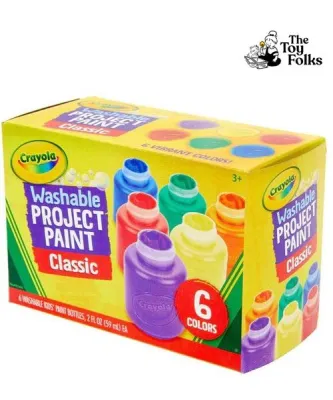
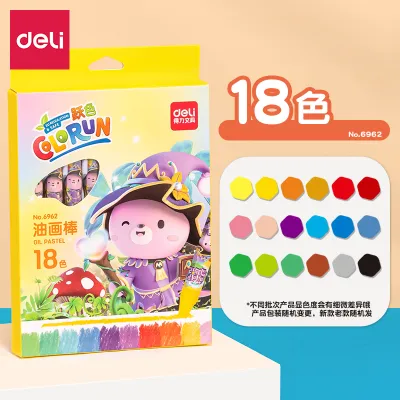
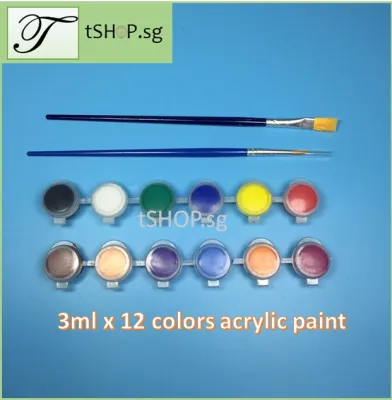
Prices are valid at publication and may change. Please refer to the product page for the latest price.
Acrylics (Water-based)
Water-based acrylic paints are the most recommended medium for beginners. They use water as a vehicle, meaning they are virtually odorless, non-toxic, and can be thinned with plain water or dedicated acrylic thinners. They dry quickly—often within minutes—and clean up easily with soap and water. This makes them highly suitable for painting indoors, especially in typical Singapore apartments where dedicated workshop space with heavy ventilation may not be available.
Enamels
Enamel paints are oil-based and dry much slower than acrylics, often taking several hours or even days to cure fully. This slow drying time is a distinct advantage for advanced techniques like blending, washes, and weathering, as it allows you to manipulate the paint on the surface for longer. However, enamels require mineral spirits or dedicated enamel thinners for dilution and brush cleaning. The fumes can be strong, and the slow drying time increases the risk of dust settling on your wet toy.
Lacquers
Lacquer paints are solvent-based and offer incredible durability, a fast drying time, and an exceptionally smooth finish when airbrushed. However, they are highly toxic and emit strong, volatile organic compounds (VOCs). Using lacquers safely requires a dedicated spray booth, active ventilation, and a fitted respirator mask. Because of these strict safety requirements and the necessity of harsh chemical thinners, lacquers are generally not recommended for absolute beginners.
Recommendation for Beginners
For those starting out, a water-based acrylic starter set is the safest, most accessible, and most forgiving entry point. It eliminates the need for harsh chemical solvents, minimizes health risks, and allows you to practice basic brush control and color mixing in any indoor environment.
What Makes a Good Toy Paint Starter Set?
An ideal starter set should provide you with the essential tools and colors to complete your first few projects without requiring immediate additional purchases. Evaluating a set based on its contents, packaging, and overall value will help you avoid buyer’s remorse.

Core Color Selection
When evaluating starter sets, look for a balanced color palette. Some sets focus on primary colors (red, blue, yellow, black, and white), which are excellent for learning color theory and mixing your own custom shades. Other sets are tailored to specific themes, such as military vehicles or fantasy figures, offering pre-mixed, highly specific shades like olive drab, chainmail silver, or flesh tones. If you prefer convenience over mixing, a theme-specific set is often the more practical choice.
Thinners and Mediums
While water-based acrylics can be thinned with tap water, Singapore’s tap water contains trace minerals that can occasionally affect the paint’s leveling properties or drying consistency. A starter set that includes a small bottle of dedicated acrylic thinner or flow improver offers significant value. These mediums reduce the surface tension of the paint, allowing it to flow more smoothly off your brush and adhere evenly to the toy’s surface.
Packaging and Bottle Design
Toy paints are typically packaged in either dropper bottles or flip-top pots. Dropper bottles allow you to dispense paint one drop at a time, which minimizes waste, prevents contamination, and makes replicating precise mixing ratios simple. Flip-top or screw-top pots allow you to work directly from the container, but they expose the remaining paint to air every time they are opened, which can lead to premature drying—especially in air-conditioned rooms where the air is dry.
Value Assessment
Compare the upfront cost of a curated starter set against the price of buying the individual bottles separately. Most starter sets offer a discount of 10% to 20% compared to individual retail prices, and some even include bonus items like a basic paintbrush, a mixing palette, or a step-by-step instructional guide. Ensure the included colors are highly versatile so you do not end up with specialized shades you will rarely use.
Reputable Toy Paint Brands and Their Beginner Offerings
Several established brands dominate the hobby paint market, each offering distinct advantages depending on your specific project goals, budget, and preferred painting style.
Tamiya
Tamiya is a household name in the plastic modeling world, known for its highly reliable acrylic paint range (the X and XF series). Tamiya acrylics are actually alcohol-based, which means they dry exceptionally fast and flat. They are widely available in Singapore hobby shops and are highly favored for military models, Gundam kits, and scale cars. While they can be hand-brushed, their fast drying time means they require a retarder medium to prevent brush strokes, making them slightly more challenging for absolute beginners who only plan to use hand brushes. Their starter sets typically feature classic primary and military colors packaged in sturdy screw-top glass jars.
Vallejo
Vallejo is highly regarded for its user-friendly water-based acrylics packaged in signature 17ml dropper bottles. They offer two primary lines suitable for beginners: “Model Color” and “Game Color.” Model Color features a massive range of realistic, highly pigmented shades with a smooth matte finish, ideal for historical figures and scale models. Game Color features more vibrant, saturated tones with a slightly tougher resin binder designed to withstand the frequent handling of tabletop gaming miniatures. Vallejo’s starter sets are exceptionally well-curated, often including a step-by-step guide and a versatile selection of colors that mix beautifully.
Citadel (Games Workshop)
Citadel paints are designed specifically for tabletop miniatures and are famous for their high pigment density and excellent coverage. Citadel uses a structured painting system categorized by function: Base paints (high opacity for initial coats), Layer paints (semi-opaque for building transitions), Shades (thin washes for shading recesses), and Technical paints (for special effects like mud or blood). While Citadel paints are premium-priced and come in flip-top pots that require careful management to prevent drying, their starter sets are highly attractive. These sets often bundle essential paints with high-quality plastic miniatures, clippers, and a starter brush, providing a complete entry point into the hobby.
AK Interactive and Ammo by Mig Jimenez
Both AK Interactive and Ammo by Mig Jimenez are industry leaders in weathering effects, panel washes, and diorama creation. While they offer excellent high-quality acrylic paint starter sets in dropper bottles, many of their kits lean toward specialized weathering techniques (such as rust, mud, and dust effects). For a beginner, these sets are excellent secondary purchases once you have mastered basic color application and want to add realistic wear and tear to your toys.
Brand Comparison Matrix
To help you compare these options, the table below outlines the key characteristics of each brand’s beginner-friendly paint lines:
| Brand | Bottle Design | Paint Base | Finish | Ideal Use Case |
|---|---|---|---|---|
| Vallejo | Dropper Bottle | Water-based Acrylic | Matte to Satin | Hand-brushing fantasy figures, action figures, and historical models |
| Tamiya | Screw-top Jar | Alcohol-based Acrylic | Gloss (X) / Flat (XF) | Plastic scale models, military vehicles, and airbrushing |
| Citadel | Flip-top Pot | Water-based Acrylic | Matte to Satin | Tabletop gaming miniatures and highly detailed fantasy figures |
| AK / Ammo | Dropper Bottle | Water-based Acrylic | Matte | Weathering, military armor, and realistic diorama effects |
Where to Buy Authentic Toy Paints in Singapore
To ensure your paints are fresh, properly stored, and authentic, you should purchase them from reputable local retailers or authorized online distributors. Avoid buying from unverified sources, as improperly stored paints can dry out, separate permanently, or lose their adhesive properties.
Local Hobby and Model Shops
Visiting a physical hobby shop in Singapore is highly recommended for beginners. Specialty shops located in areas like Waterloo Street, Orchard, or specialized retail plazas allow you to inspect the paint bottles in person to ensure they have not settled or dried out. Furthermore, physical stores are invaluable for getting expert advice from experienced staff. Buying locally also avoids the strict international shipping restrictions placed on flammable liquids, which can apply to certain solvent-based primers, thinners, or varnishes.
Art Supply Stores vs. Hobby Shops
It is important to distinguish between general art supply stores and specialized hobby shops. General art stores carry heavy-body acrylics designed for canvas painting. These paints have thick binders and large pigment particles that will clog fine details on a toy. Always head to a dedicated hobby shop or the specialty modeling section of major art retailers to ensure you are purchasing fluid, high-pigment hobby paints designed specifically for plastics and metals.
Online Marketplaces and E-commerce
If you prefer shopping online, look for established local sellers or official brand storefronts on major e-commerce platforms. Ensure the seller dispatches from Singapore to avoid long transit times, which can expose the paints to extreme heat during international shipping. Check customer reviews to verify that the paints are shipped securely, as leaking bottles are a common issue with poorly packaged paint shipments.
Essential Preparation and Safety Tips for Beginners
Achieving a smooth, durable paint finish on your toys requires proper preparation and a clean workspace. Following these basic steps will prevent common issues like paint chipping, peeling, or pooling.
Surface Preparation
Before applying any paint, you must clean the toy’s surface. During the manufacturing process, a chemical known as a mold release agent is sprayed onto the plastic molds. If left on the toy, this oily residue will prevent paint from adhering. Wash the toy or model parts in warm, soapy water using a mild dish detergent, rinse thoroughly, and let them dry completely. Once dry, apply a suitable hobby primer. Primer acts as a bonding agent, giving the acrylic paint a slightly textured surface to cling to.
Paint Application and Thinning
One of the most common beginner mistakes is applying paint straight from the bottle. Thick paint will leave visible brush strokes and fill in the fine details of the toy. Always dispense your paint onto a palette and thin it with a small amount of water or acrylic thinner. The ideal consistency should resemble skim milk. It is far better to apply two or three thin coats, allowing each coat to dry completely, than to apply one thick coat.
Workspace and Safety
Even though water-based acrylics are low-odor and non-toxic, you should still maintain a clean, well-ventilated workspace. Use a wet palette to keep your thinned paints usable for hours; this is especially helpful in Singapore’s air-conditioned rooms where thin acrylic paint can dry out on a plastic palette within minutes. Establish a proper brush-cleaning routine by rinsing your brushes in clean water frequently and reshaping the tips before storing them flat or brush-side up. Never let paint dry in the metal ferrule of your brush, as this will split the bristles and ruin the tool.
Frequently Asked Questions (FAQ)
Can I use regular craft acrylic paint from a stationery store on my toys?
No, regular craft acrylic paints are not recommended for detailed toy painting. Craft paints are formulated with larger pigment particles and thick, inexpensive binders designed for porous surfaces like wood, paper, or canvas. When applied to non-porous plastic toys, craft paint will go on thick, obscure fine details, leave heavy brush strokes, and chip off easily even after drying. Hobby-grade toy paints feature micro-ground pigments and specialized binders that allow for thin, durable, and highly detailed coats.
Do I need an airbrush to use these starter sets?
No, you do not need an airbrush to use these starter sets. The paint sets offered by Vallejo, Citadel, and Tamiya are specifically formulated and curated for hand-brushing. They feature excellent leveling properties that help eliminate brush strokes when thinned properly. While airbrushing is a fantastic technique for smooth gradients and base coats, it requires a significant additional investment in a compressor, airbrush gun, specialized thinners, cleaning stations, and proper ventilation equipment like a spray booth.

Community discussion
Share your experience or ask a question. Comments are reviewed before publication.