
Selecting the best Seamiart beginner set depends entirely on your chosen art medium, as each creative discipline requires highly specialized tools and surfaces. If you want to learn watercolor, a Seamiart solid pan set paired with heavy-duty 300 GSM paper is the ideal choice for portability and clean washes. For those pursuing acrylic painting, a kit featuring rich pigment tubes, synthetic nylon brushes, and pre-primed canvas panels is necessary to handle the heavy, fast-drying paint. If your interest lies in draftsmanship, a dedicated sketching set containing a broad range of graphite pencil grades (from hard H to soft B) along with blending stumps is the correct path. Buying a highly targeted, medium-specific set prevents the common beginner mistake of using mismatched tools that hinder your artistic progress.
The brand Seamiart has gained significant popularity among hobbyists in Singapore for providing cost-effective, comprehensive kits that lower the barrier to entry for new artists. However, navigating their extensive online catalog requires a clear understanding of what makes a starter kit functional rather than frustrating. By focusing on the exact specifications of the paints, brushes, and paper included in these bundles, you can make an informed investment that directly supports your learning journey.
How to Match Your Seamiart Starter Kit to Your Art Medium
Every artistic medium possesses unique physical properties that dictate the types of tools required to manipulate it. Watercolor relies on fluid washes and transparency, acrylic demands thick, opaque application and rapid drying times, and dry media like graphite or charcoal require physical texture to grip the paper. Because these techniques are fundamentally different, a generic “mixed-media” art set is rarely sufficient for a beginner trying to master a specific discipline.
Products mentioned in this guide
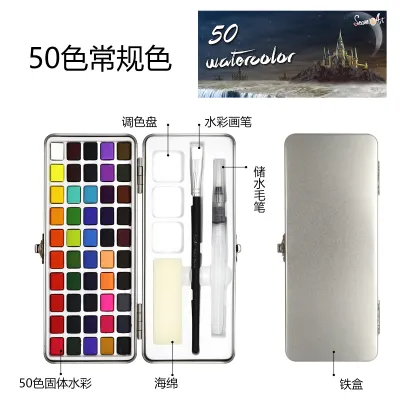
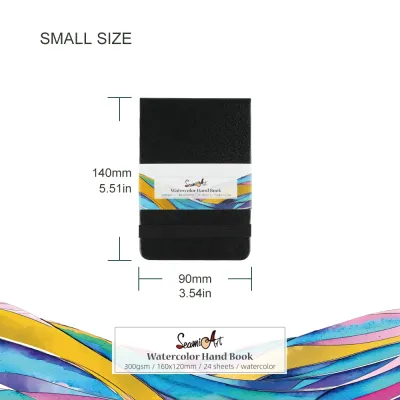
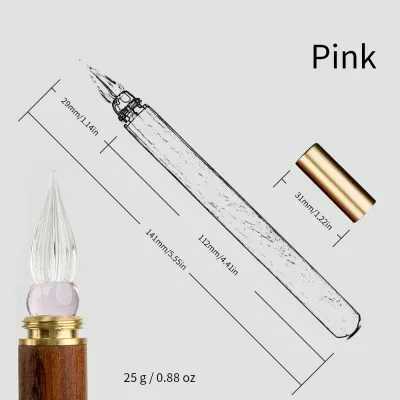
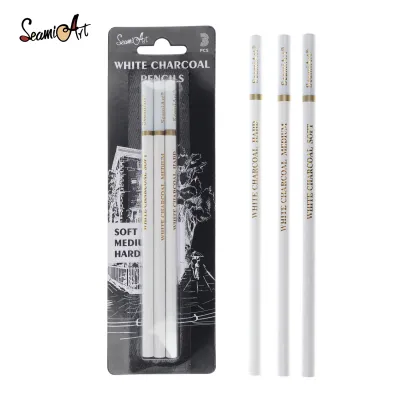
Prices are valid at publication and may change. Please refer to the product page for the latest price.
A common pitfall for aspiring artists is purchasing a massive, all-in-one wooden art box filled with dozens of pieces. While these kits look impressive, they often bundle low-grade crayons, thin paper, and stiff plastic brushes that fail to perform adequately in any single medium. For example, the thin paper included in generic kits will instantly buckle, warp, or tear when exposed to watercolor washes, leading to frustration before you even learn the basic brushstrokes.
To avoid this, you should first commit to a single learning medium before browsing the Seamiart catalog. If you are drawn to the luminous, flowing nature of watercolor, focus exclusively on kits designed for wet media. If you prefer the bold, forgiving nature of acrylics—where mistakes can easily be painted over—look for bundles that prioritize heavy-body paints and robust surfaces.
Before finalizing any purchase on an e-commerce platform, carefully read the product descriptions to confirm the kit is explicitly designed for your chosen medium. A dedicated kit ensures that every dollar spent goes toward functional, high-quality tools that are chemically and physically compatible with each other. This targeted approach not only saves money but also ensures your initial practice sessions are productive and enjoyable.
What to Look for in a Seamiart Watercolor Beginner Set
Watercolor is a highly accessible yet delicate medium that requires a careful balance of water and pigment. When evaluating a Seamiart watercolor starter kit, your first major decision is choosing between solid pans and tube paints. Solid pans consist of dry, highly compressed pigment blocks that activate instantly when touched with a wet brush, making them incredibly convenient for small workspaces or painting outdoors.

Tubes, by contrast, contain wet, creamy paint that is squeezed onto a palette. Tubes are highly advantageous for mixing large volumes of color or painting expansive washes, though they require slightly more preparation and cleanup. For most beginners, especially those working in compact Singapore apartments, a solid pan set offers the best balance of portability, ease of use, and minimal mess.
The single most critical component of any watercolor kit is not the paint itself, but the paper. You must verify the paper weight specified on the product packaging or listing, which is measured in GSM (grams per square meter). A functional watercolor kit must include paper that is at least 300 GSM; anything lighter will warp, buckle, and cause paint to pool uncontrollably in the valleys of the paper.
In addition to weight, check whether the paper is made from cellulose (wood pulp) or cotton. Cellulose paper is highly affordable and excellent for quick practice, but it dries rapidly and can cause harsh edges. Cotton paper is highly absorbent, allowing for smooth, seamless gradients and wet-on-wet techniques, making it the gold standard for serious beginners.
The brushes included in the kit also require close inspection. Watercolor brushes must have excellent water retention and the ability to spring back to a fine point. Look for kits that feature high-quality synthetic blend round brushes, typically in sizes like #4, #6, and #8, which provide the versatility needed for both broad washes and fine detail work.
Finally, look for practical accessories bundled within the set to save on separate purchasing trips. A built-in mixing palette in the tin lid, a refillable water brush pen for painting on the go, a small synthetic sponge for lifting excess water, and a bottle of masking fluid for preserving white spaces are all highly valuable additions to a beginner’s arsenal.
What to Look for in a Seamiart Acrylic Painting Kit
Acrylic paint is celebrated for its versatility, vibrant colors, and rapid drying times, but these characteristics require a specific set of tools to manage. Because acrylics dry into a water-resistant plastic polymer, traditional wooden palettes are highly impractical as the dried paint will permanently bond to them. When choosing an acrylic kit, look for surfaces that feature non-stick plastic palettes or disposable tear-off paper sheets that make cleanup effortless.
In Singapore’s warm climate, acrylic paint can dry exceptionally fast on the palette, sometimes skinning over before you have finished mixing your colors. To combat this, some advanced beginner kits offer stay-wet palettes, which utilize a damp sponge layer beneath a permeable membrane to keep the paints moist for hours or even days.
Brush material is another critical factor where compatibility is paramount. The heavy, abrasive nature of acrylic polymers will quickly ruin delicate natural hair brushes designed for watercolors. Instead, ensure the kit includes durable synthetic nylon brushes, which possess the stiffness required to push heavy-body paint across the canvas while maintaining their shape after repeated washings.
The painting surface included in the bundle must also be robust enough to support thick, heavy layers of paint. Verify whether the kit provides pre-primed canvas boards, stretched canvases, or heavy-duty acrylic paper. Unprimed surfaces will absorb the moisture from the paint too quickly, leading to flat colors and poor adhesion, so ensuring the surfaces are pre-treated with gesso is essential.
Lastly, check the pigment volume provided in the kit, which is typically listed in milliliters (ml) per tube. Beginners should look for tubes containing at least 12 ml to 20 ml of paint per color. Since learning acrylic painting involves significant experimentation with color mixing, layering, and blending, smaller tubes will run out quickly, forcing you to purchase replacements prematurely.
What to Look for in Seamiart Sketching and Dry Media Sets
For artists who prefer the precision of line work, shading, and monochromatic value studies, a dedicated dry media or sketching set is the correct choice. Unlike painting kits, which focus on fluid application, a sketching kit must provide a diverse range of graphite pencil grades to allow for a full spectrum of values from light grey to deep black.
When reviewing a Seamiart sketching kit, verify the exact breakdown of pencil grades included. A comprehensive set should feature hard “H” grade pencils (such as 2H or H) for laying down light, easily erasable guidelines, as well as soft “B” grade pencils (ranging from 2B up to 8B or 10B) for rich, dark shadows and expressive shading.
The texture of the paper, often referred to as the “tooth,” is incredibly important for dry media. Smooth paper is excellent for fine technical pen drawings but lacks the texture needed to grab and hold loose charcoal or heavy graphite particles. Ensure the included sketchbook or paper pad features a medium-to-rough texture that can withstand heavy blending and erasing without tearing.
A functional sketching kit must also include specialized blending and correction tools. Look for paper stumps, also known as tortillons, which allow you to blend graphite smoothly without transferring oils from your fingers to the paper. A moldable kneaded eraser is another essential tool, as it can be shaped into a fine point to lift highlights out of dark areas without leaving residue behind.
Because graphite and charcoal drawings remain loose on the paper surface, finished pieces are highly susceptible to smudging. While professional aerosol fixative sprays are rarely included in standard starter kits due to shipping restrictions on pressurized cans, you should plan to source a basic fixative spray separately to preserve your completed drawings.
Essential Specs to Verify Before Buying Art Kits Online
Buying art supplies online offers incredible convenience and access to a wide range of Seamiart products, but it also requires a diligent eye to ensure you receive exactly what you need. Before finalizing your purchase on any online marketplace, go through a structured checklist to verify the physical specifications of the kit.
First, confirm the exact paper weight (GSM) and material composition, as product images can often make thin paper look deceptively thick. Second, check the total volume of the paint tubes or the physical size of the watercolor pans to ensure they are not miniature travel sizes unless that is your specific intent. Third, verify the brush fiber material to ensure it matches your chosen medium.
User reviews are an invaluable resource for identifying potential quality issues that are not apparent in product photos. Search the reviews specifically for mentions of common beginner pain points, such as brushes that shed bristles onto the canvas, watercolor paper that pills when scrubbed, or acrylic paints that dry with an overly chalky or transparent finish.
Additionally, pay close attention to the shipping dimensions and packaging quality mentioned by other buyers. Heavy items like wooden easels or large tabletop sets require robust packaging to prevent damage during transit, so verify that the seller uses adequate bubble wrap and sturdy cardboard boxes.
In Singapore, beginner Seamiart kits generally range from S$15 to S$50, representing an affordable entry point into the arts. To ensure a smooth transaction, always purchase from highly rated sellers with clear return policies, allowing you to easily exchange any items that may arrive damaged or defective.
Frequently Asked Questions (FAQ)
Are Seamiart beginner sets safe for young children?
Many Seamiart starter kits are formulated with non-toxic pigments, making them generally safe for casual hobbyists, but parents must still exercise caution. Always check the product packaging or online listing for recognized safety certifications, such as the AP (Approved Product) seal or the CE mark, which indicate the materials have been evaluated for toxicological safety. Some professional-grade pigments, solvents, or aerosol fixatives can contain heavy metals or chemical agents that are not suitable for young children. It is highly recommended to strictly follow the manufacturer’s age guidelines and safety warnings before introducing these tools to minors.
Do Seamiart starter kits include instructional guides or tutorials?
While some comprehensive Seamiart kits may include a basic color wheel, a simple mixing guide, or a brief introductory pamphlet, the depth of instruction provided in the box is typically minimal. Beginners should not rely solely on the printed materials included in the kit to learn their chosen medium. To fully utilize your new tools, it is highly beneficial to supplement the kit with free online video tutorials, community forums, or structured beginner courses that explain core techniques such as watercolor wash control or acrylic layering.

Community discussion
Share your experience or ask a question. Comments are reviewed before publication.